Key Takeaways
- Key West is one of the premier fishing destinations in the world — the island sits where the Atlantic Ocean, the Gulf of Mexico, and the Gulf Stream converge, creating an extraordinary diversity of fishing environments including deep-water offshore grounds, shallow backcountry flats, living coral reefs, historic wrecks, and protected mangrove estuaries, all within easy reach of the harbor.
- Key West fishing produces world-class catches year-round — thanks to the subtropical climate and the convergence of warm currents, there is no true “off-season” for Key West fishing. Every month brings productive fishing for different species, from winter sailfish and wahoo to spring tarpon to summer mahi-mahi and fall permit.
- Five distinct types of fishing are available from Key West — offshore deep sea fishing targets big game in the Gulf Stream; flats fishing pursues bonefish, permit, and tarpon in skinny water; backcountry fishing explores mangrove channels; reef and wreck fishing produces snapper, grouper, and hogfish; and fly fishing offers the most refined sportfishing experience on the flats.
- Charter options range from $75 party boat trips to $2,300 private offshore charters — Key West has the largest charter fleet in the Florida Keys, with options for every budget, from shared half-day party boats to private sportfishing yachts to specialized flats skiffs with expert guides.
- No personal fishing license is needed on licensed charter boats — when you fish aboard a charter or party boat in Key West, the captain’s license covers all passengers, making it easy for visitors to go fishing without navigating Florida’s licensing requirements.

Why Key West Is a World-Class Fishing Destination
Key West occupies a position on the map that makes it almost uniquely gifted for fishing. The island sits at the southwestern tip of the Florida Keys, where three major bodies of water converge: the Atlantic Ocean to the south, the Gulf of Mexico to the north and west, and the powerful Gulf Stream current flowing just a few miles offshore. This convergence creates a mosaic of marine environments — deep blue water, shallow turquoise flats, coral reefs, seagrass meadows, mangrove islands, and sandy channels — each supporting different species of fish and different styles of fishing.
The Gulf Stream is the engine that drives Key West fishing’s offshore productivity. This massive ocean current flows northward from the Caribbean through the Straits of Florida, carrying warm, nutrient-rich water past Key West at speeds of four to five knots. The current creates upwellings that attract baitfish, which in turn draw the big predators — sailfish, marlin, tuna, wahoo, and mahi-mahi — within striking distance of the island. On many days, the Gulf Stream’s deep blue edge lies just 10 to 15 miles from Key West, meaning a charter boat can reach world-class offshore fishing grounds in under an hour.
Inshore, the shallow flats and backcountry waters north and east of Key West encompass over 400 square miles of protected estuary that ranks among the most productive inshore fishing habitats in the hemisphere. These waters — part of the Key West National Wildlife Refuge and the Great White Heron National Wildlife Refuge — support resident populations of bonefish, permit, tarpon, barracuda, sharks, snook, redfish, and dozens of other species. The combination of deep-water offshore fishing and shallow-water flats fishing within the same small area is what makes Key West fishing truly exceptional — few destinations anywhere in the world offer this range within such easy reach.
Deep Sea Fishing: Offshore Adventures in the Gulf Stream
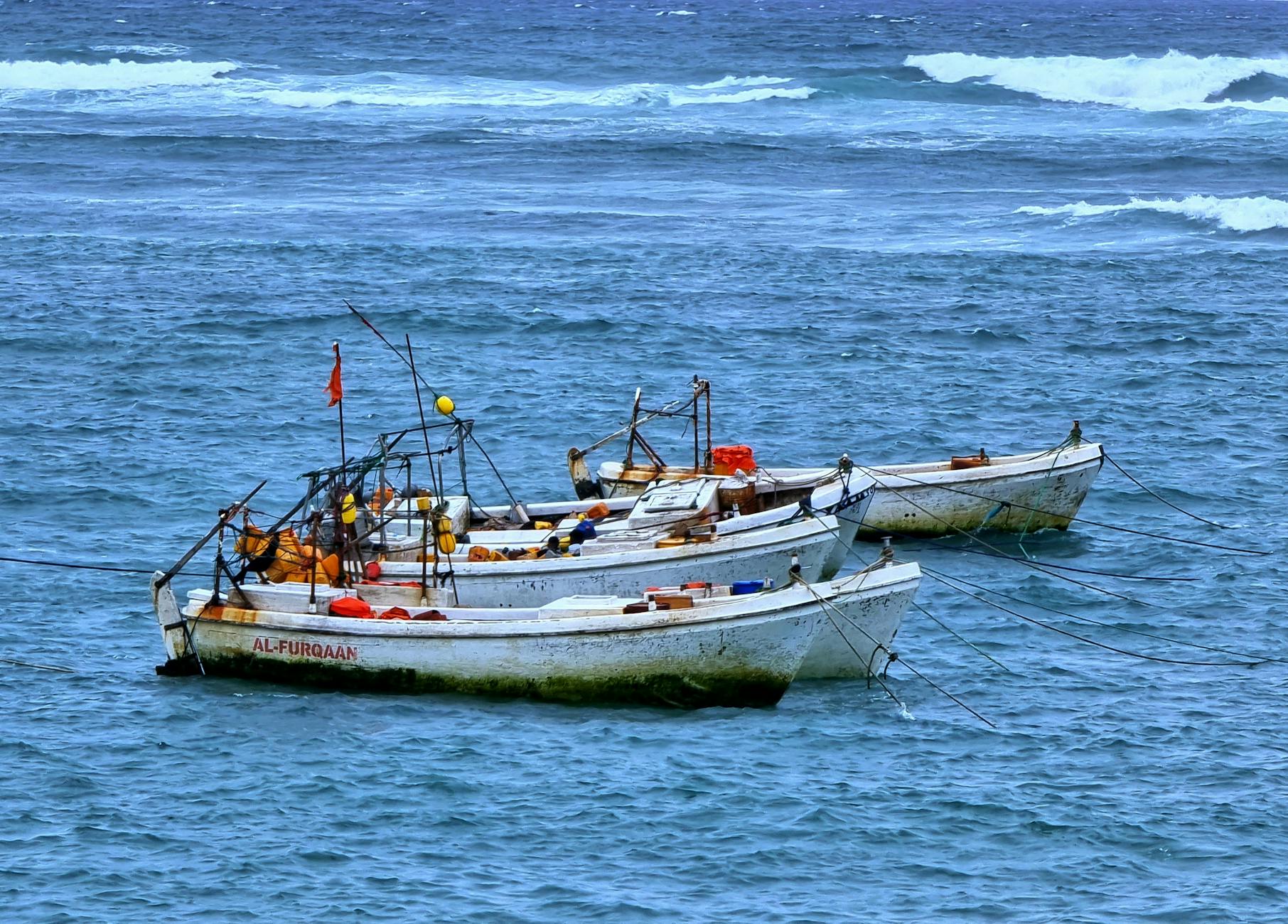
Deep sea fishing — also called offshore fishing — is the most dramatic and adrenaline-charged style of Key West fishing. Aboard powerful sportfishing boats ranging from 30 to 60 feet, you head south from Key West into the deep blue waters of the Atlantic and the Gulf Stream, trolling baits and lures at speed while scanning the horizon for diving birds, floating weed lines, and other signs of predatory fish. When a big fish strikes, the battle can last minutes or hours, with powerful runs, blistering speed, and — in the case of sailfish and marlin — spectacular aerial leaps.
The primary offshore species targeted from Key West include sailfish (best November through April), blue marlin and white marlin (best May through September), yellowfin tuna and blackfin tuna (best December through May), wahoo (best November through March), and mahi-mahi (best March through August, peaking in May and June). On any given offshore trip, you may also encounter kingfish, cobia, amberjack, and various species of shark. The catch potential on a full-day offshore trip out of Key West is genuinely world-class — it is not uncommon for a boat to return with a mixed bag of mahi-mahi, tuna, wahoo, and the catch-and-release memory of a sailfish or marlin.
Offshore charters from Key West typically offer half-day (4-hour), three-quarter day (6-hour), and full-day (8-hour) trips. Half-day trips are suitable for reaching the reef edge and the near-offshore grounds where mahi-mahi, kingfish, and tuna can be found. Full-day trips are necessary for reaching the deeper Gulf Stream grounds where sailfish, marlin, and wahoo are most likely. Private offshore charter prices range from approximately $700 to $1,200 for a half-day and $1,200 to $2,300 for a full day, accommodating up to six anglers. The charter fee typically includes the boat, captain, mate, all fishing tackle, bait, ice, fishing licenses, and often drinks and light snacks. Some charters will also fillet your catch for you to take home or to a local restaurant.
Flats Fishing: Sight-Casting to Bonefish, Permit, and Tarpon
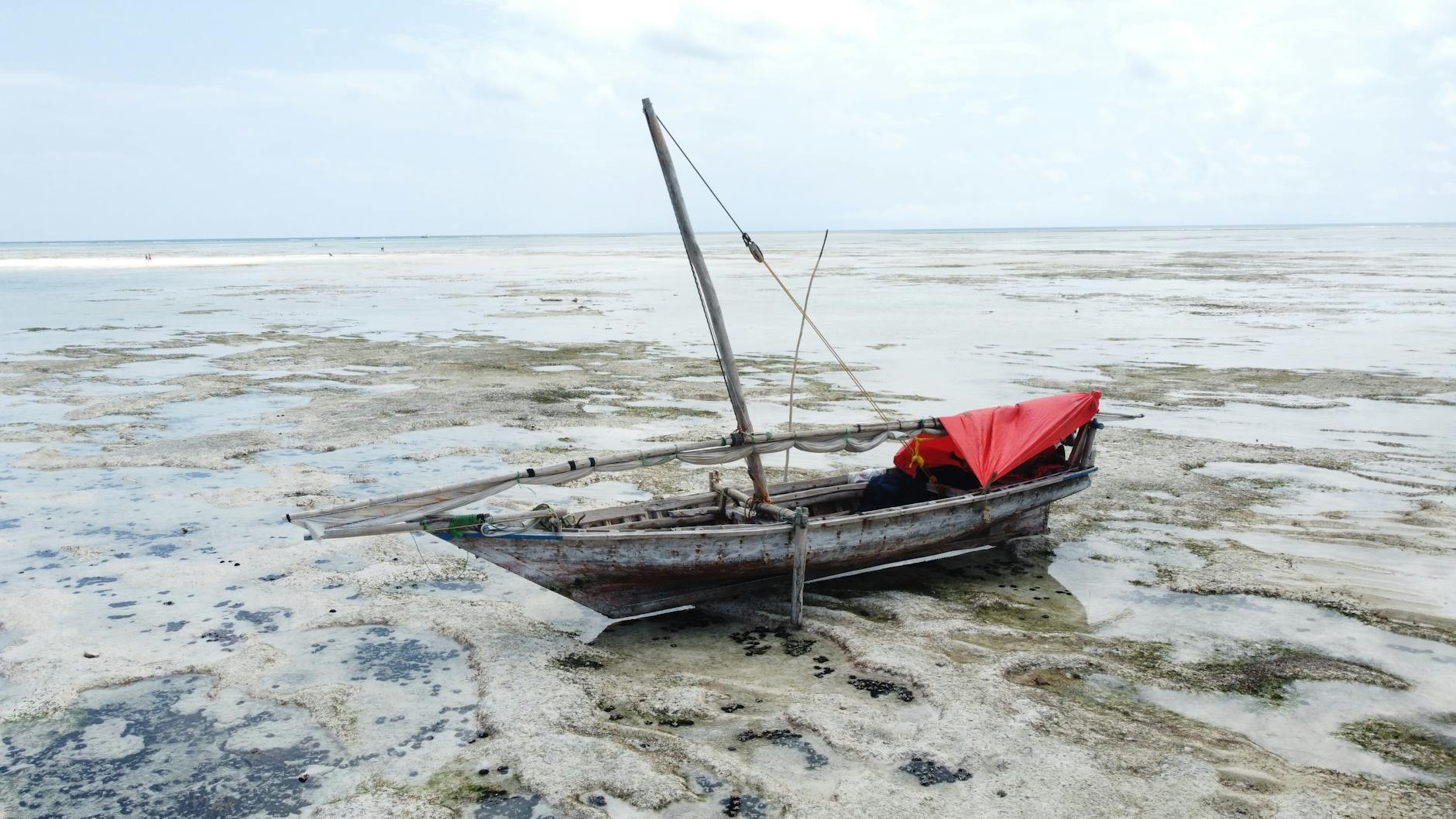
If deep sea fishing is the thunderous crescendo of Key West fishing, flats fishing is the hushed, heart-pounding whisper. This style of fishing takes place in the shallow waters — often just one to three feet deep — that surround the mangrove islands and sandy banks north and east of Key West. Standing on the casting platform of a specialized flats skiff, you scan the clear, shallow water for the shadows and subtle movements of fish, then deliver a precise cast to a target that may be 50 or 60 feet away. It is fishing at its most refined, demanding patience, stealth, sharp eyesight, and accurate casting. For many serious anglers, flats fishing in Key West represents the pinnacle of the sport.
The “Big Three” of Key West flats fishing are bonefish, permit, and tarpon — and catching all three species in a single day is known as a “Grand Slam,” one of the most coveted achievements in saltwater fishing. Bonefish are the most accessible of the three, typically ranging from 3 to 8 pounds on the Key West flats, with their silver, torpedo-shaped bodies gliding across the sandy bottom as they root for crabs and shrimp. When hooked, bonefish make scorching runs that can peel 100 yards of line off your reel in seconds. Permit are larger (10 to 40 pounds), more wary, and far more difficult to fool — they are considered the ultimate challenge in flats fishing. Tarpon are the largest, ranging from 20-pound juveniles in the backcountry to 100-to-200-pound adults that migrate through the Key West channels in spring.
Flats fishing in Key West is done exclusively with a guide on a specialized shallow-draft skiff — typically a 16-to-18-foot boat with a poling platform that allows the guide to push the boat silently through the shallows while the angler stands on the bow ready to cast. Guides in the Key West area have spent years learning the tides, the seasonal movements of fish, and the specific flats and channels where bonefish, permit, and tarpon are most likely to be found. A half-day flats trip (approximately four hours) costs $500 to $700, while a full-day trip runs $700 to $1,000, typically accommodating one or two anglers. Both conventional (spinning) tackle and fly fishing tackle are used on the flats, and most guides are proficient in both styles.
Backcountry Fishing: Exploring Key West’s Hidden Waters
Backcountry fishing occupies the territory between the deep offshore grounds and the skinny-water flats — the mangrove channels, tidal creeks, sandy basins, and seagrass meadows that weave through the islands north of Key West. This is versatile, varied fishing that combines elements of flats fishing with the accessibility and action of more conventional light-tackle fishing. For visitors who want the beauty and intimacy of inshore Key West fishing without the extreme precision required for sight-casting to permit, backcountry fishing is an outstanding choice.
The backcountry waters hold an impressive variety of species. Mangrove snapper, a delicious eating fish, lurk under mangrove roots and around structure. Spotted seatrout cruise the seagrass flats. Sharks — bonnetheads, lemons, and blacktips — patrol the channels. Barracuda ambush prey from sandy drop-offs. Juvenile tarpon, typically 10 to 40 pounds, roll and feed in the protected basins. Jack crevalle, ladyfish, and various snapper species add to the diversity. On the right day, you might also encounter redfish, snook, cobia, or a permit wandering through a backcountry flat.
Backcountry fishing trips are conducted from center console boats or bay boats — larger and more stable than flats skiffs but still shallow-drafting enough to navigate the backcountry channels. Most trips include both live-bait fishing and artificial lure casting, and the guide will typically move between several spots throughout the day based on the tide and conditions. Half-day backcountry trips cost $500 to $700 for up to four anglers, making them more economical per person than flats trips. Many backcountry guides also combine fishing with nature observation, pointing out ospreys, pelicans, herons, sea turtles, and other wildlife that inhabit this protected ecosystem.
Tarpon Fishing: Chasing the Silver King
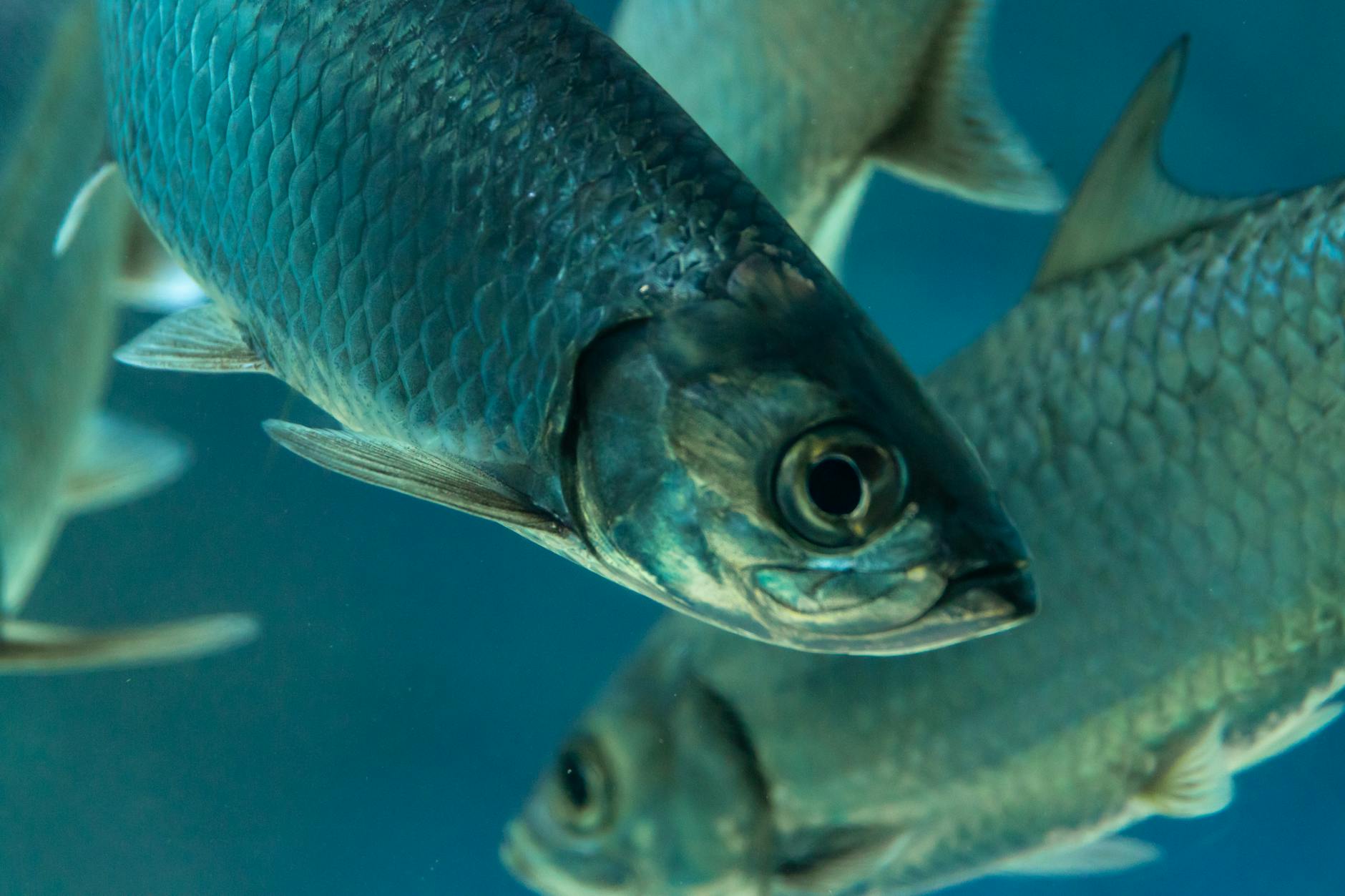
No discussion of Key West fishing is complete without dedicating special attention to tarpon — the legendary “silver king” that has drawn anglers to the Florida Keys for over a century. Tarpon are the most spectacular gamefish in Key West waters. They are massive (adults commonly weigh 80 to 150 pounds, with trophy fish exceeding 200 pounds), they are explosive fighters that launch themselves six to eight feet out of the water in repeated aerial cartwheels, and they are maddeningly difficult to land. Hooking a tarpon is one thing; actually bringing one alongside the boat for a release is another challenge entirely. Most experienced tarpon anglers estimate that they land fewer than half the tarpon they hook, as the fish’s hard, bony mouth and violent head-shaking acrobatics throw the hook with frustrating regularity.
The tarpon season in Key West follows the annual migration of these fish through the Florida Keys. Resident juvenile tarpon (10 to 40 pounds) live in the backcountry year-round and can be caught any month. The main event, however, is the spring migration of adult tarpon, which typically begins in March as the first big fish arrive from their wintering grounds in the Caribbean and the Gulf of Mexico. The migration builds through April and peaks in May and June, when enormous schools of tarpon — sometimes hundreds of fish — stage in the channels, passes, and bridges between Key West and the Lower Keys. By late June and July, the bulk of the migratory tarpon have moved on, though resident fish and late-season stragglers provide opportunities into August.
Tarpon fishing in Key West is done both on the flats (sight-casting to individual fish or small pods) and in the channels and harbor (bait fishing or live-crab presentations to migrating schools). The flats approach is the more sporting and dramatic method — poling silently toward a school of tarpon as their massive silver bodies roll and flash in two feet of water, then making a single, pressure-filled cast that must land within a few feet of the lead fish. Channel and bridge fishing is more accessible and often more productive for pure numbers, using live crabs, mullet, or shrimp soaked near tarpon travel lanes. A dedicated tarpon trip during the spring migration is one of the most memorable experiences in all of Key West fishing.
Reef and Wreck Fishing: Bottom Fishing on Key West’s Coral Reef
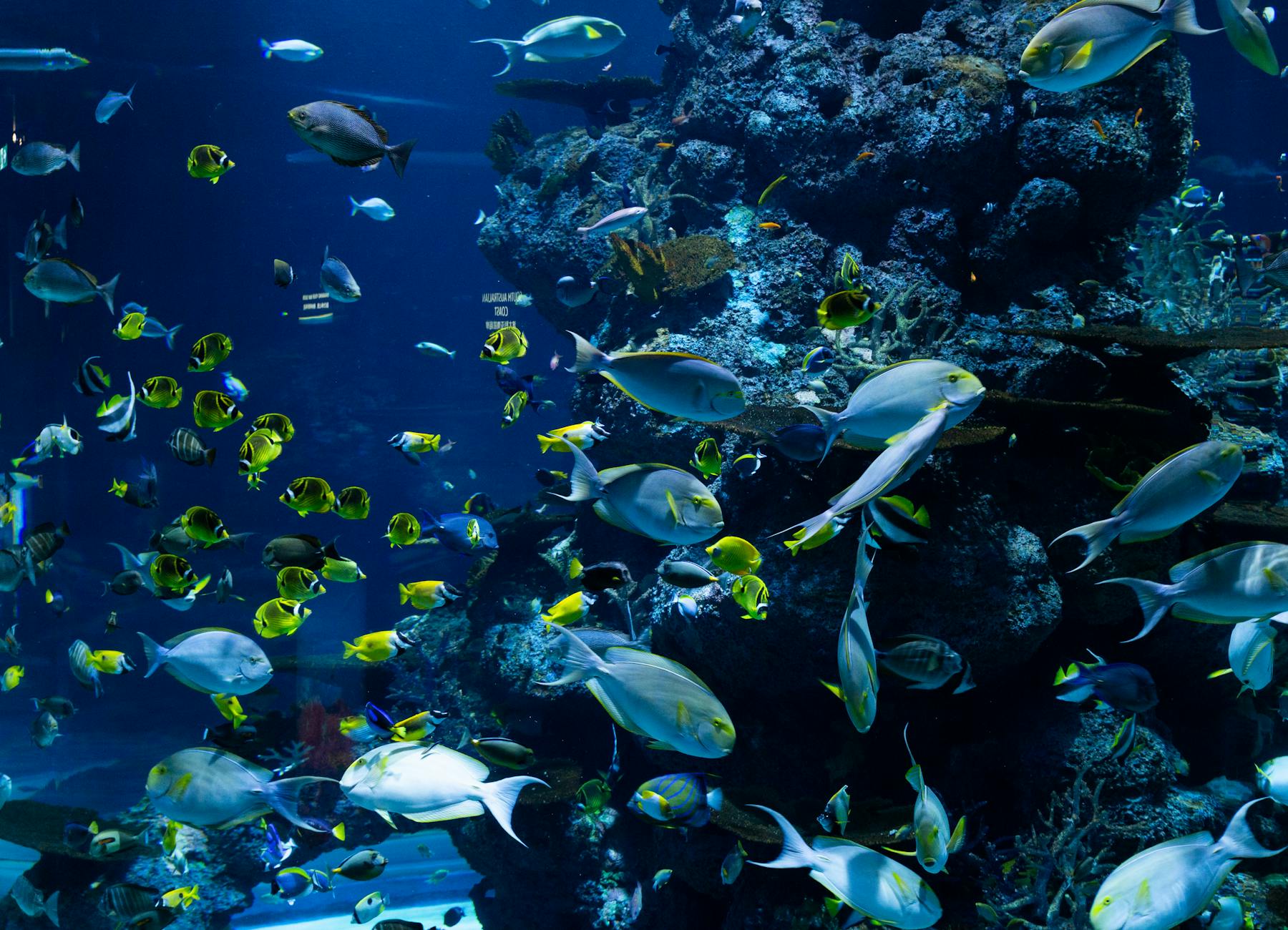
Reef and wreck fishing is the most consistently productive style of Key West fishing and the style most likely to put fresh fish on your dinner plate. The coral reef system that parallels the Keys — the only living coral barrier reef in the continental United States — creates miles of underwater structure that harbor enormous populations of bottom-dwelling fish. Add to that dozens of artificial reefs, sunken ships, and other man-made structures placed specifically to create fish habitat, and you have some of the most productive bottom fishing in the southeastern United States.
The primary species targeted in reef and wreck fishing include yellowtail snapper (the bread-and-butter fish of Key West reef fishing — abundant, aggressive, and excellent eating), mutton snapper (larger and harder-fighting, up to 20 pounds), mangrove snapper (plentiful and delicious), red grouper and black grouper (prized for their firm, white flesh), hogfish (considered by many to be the finest eating fish in the Keys), cobia (powerful fighters that can exceed 60 pounds), and amberjack (tough-fighting brutes found near wrecks and deep structure). The reef also produces occasional surprise catches — permit, barracuda, king mackerel, and various shark species all patrol the reef edges.
Reef fishing trips are typically half-day (4-hour) excursions that visit multiple reef and wreck sites within a few miles of Key West. The fishing method is straightforward: the captain anchors or drifts over productive structure, and anglers lower baited hooks to the bottom or into the water column. This is accessible, beginner-friendly fishing that requires no prior experience — the mate will bait your hook, show you the technique, and help you identify your catch. On a good day of reef fishing, you can expect to catch a variety of snapper species, the occasional grouper, and a mixed bag of reef fish, many of which are excellent eating. Reef and wreck fishing charter prices range from $700 to $1,000 for a private half-day trip for up to six anglers.
Party Boat Fishing: Budget-Friendly Key West Fishing
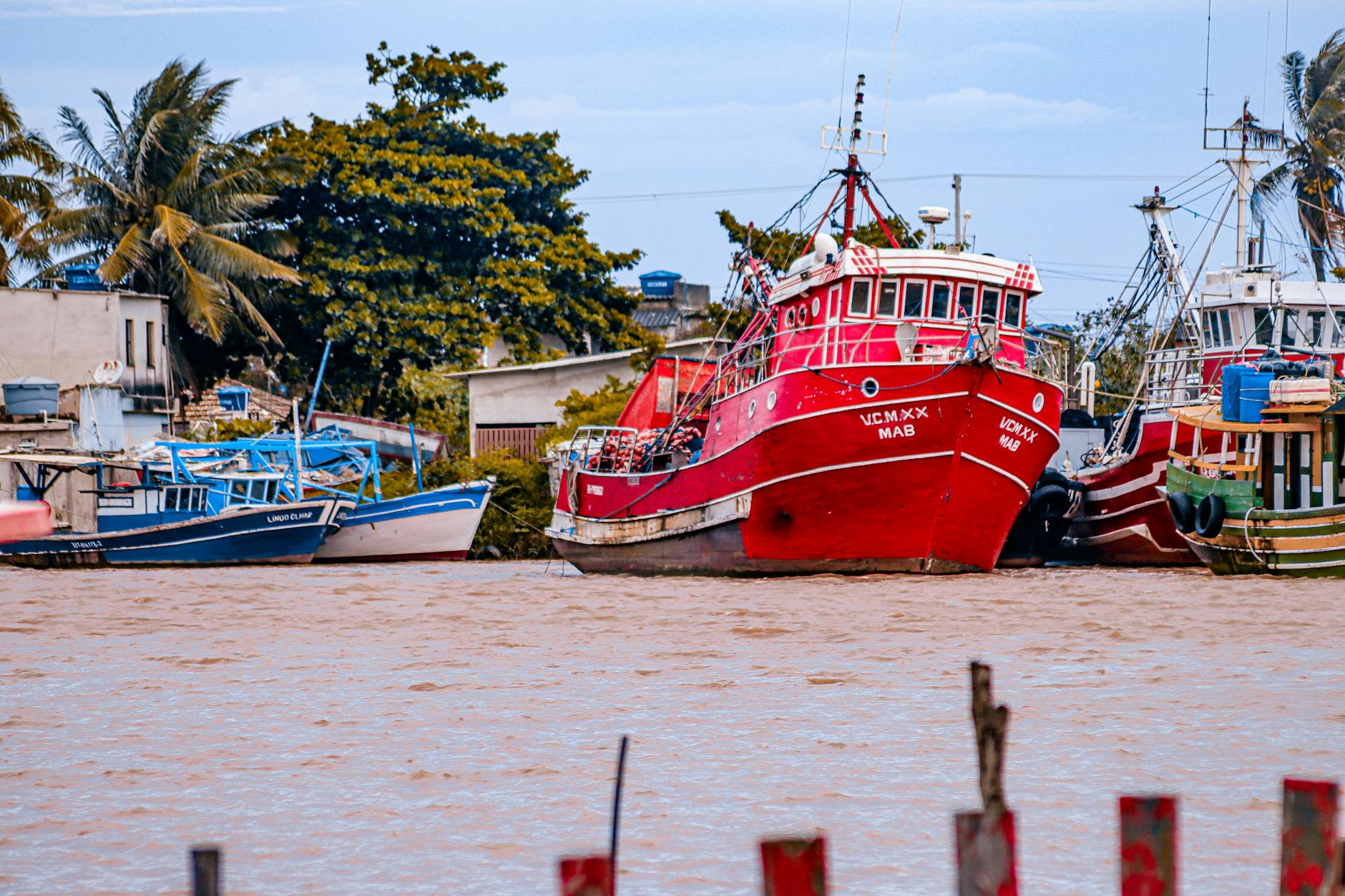
Party boats — also called head boats — represent the most affordable way to go fishing in Key West. These large vessels (typically 50 to 65 feet) carry 30 to 50 anglers on scheduled half-day trips to the reef, where everyone fishes with provided tackle over proven bottom-fishing spots. It is Key West fishing at its most democratic: no reservation of an entire boat is required, the per-person price is a fraction of a private charter, and the communal atmosphere — strangers cheering each other’s catches, the mate working the deck with practiced efficiency — has a festive energy that private charters sometimes lack.
The Gulfstream IV, which has operated out of Key West since 1947, is the island’s longest-running deep sea bottom fishing charter and one of the most established party boats in the Florida Keys. Other popular party boats include the Salty Goat and various operators departing from the Key West Historic Seaport. Half-day party boat trips typically cost $75 to $120 per person, which includes the boat ride, fishing rod and reel, bait, tackle, and a fishing license (the captain’s license covers all passengers). You can expect to target yellowtail snapper, grunts, porgies, mangrove snapper, mutton snapper, hogfish, grouper, mackerel, and the occasional shark or barracuda.
Party boats are an excellent option for families, budget-conscious travelers, solo anglers, and anyone who wants to experience Key West fishing without the commitment of a full private charter. The half-day format (typically 8:00 AM to noon or 1:00 PM to 5:00 PM) leaves the rest of the day free for other activities. The trade-off compared to a private charter is less individual attention from the crew, shared rail space, and less flexibility in choosing fishing spots — but for the price, party boats deliver solid fishing action and a memorable experience.
Fly Fishing: The Art of Angling in Key West
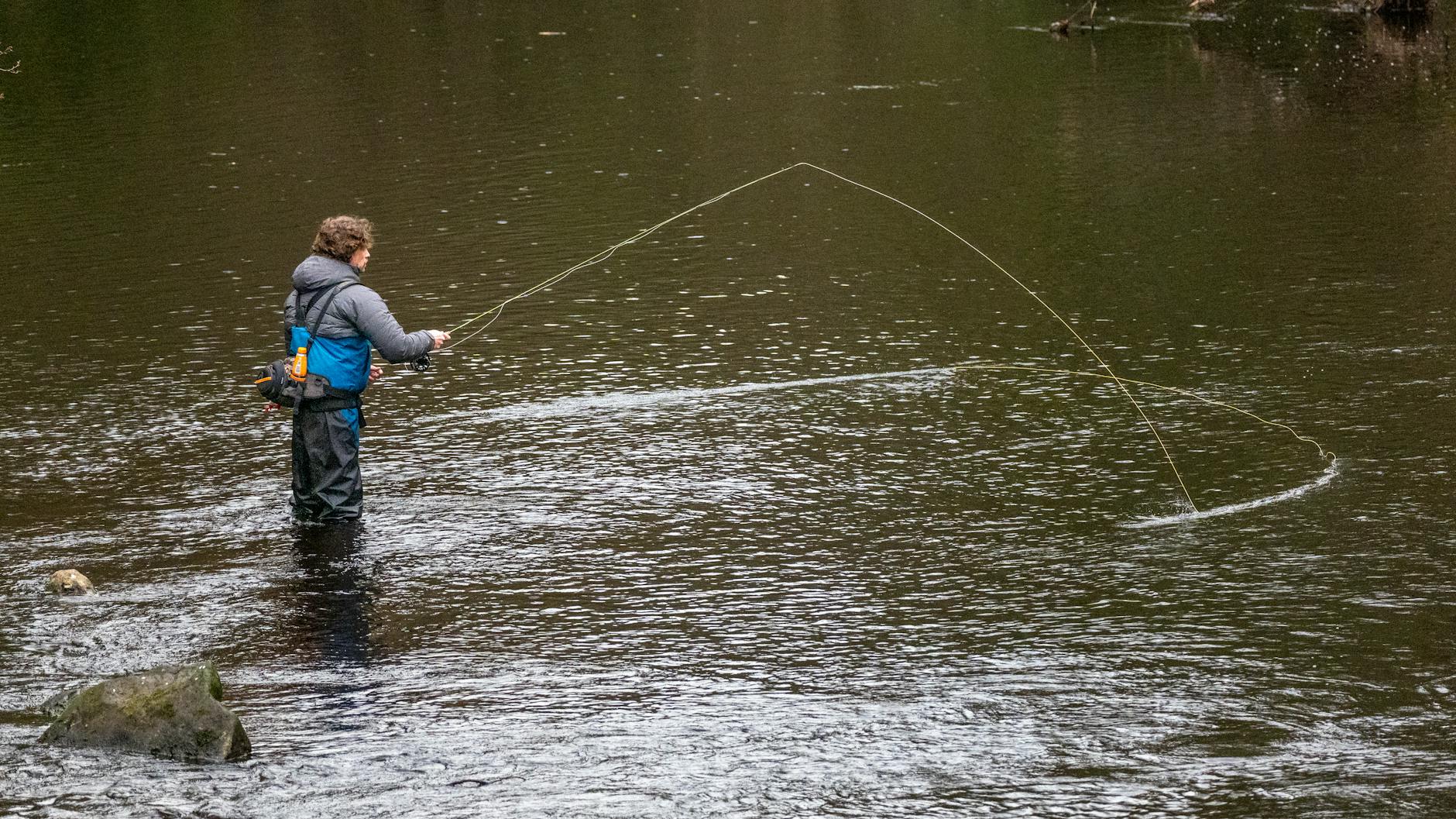
Fly fishing in Key West is the most refined and challenging expression of the island’s angling tradition. Using a long, flexible rod and a weighted line to deliver a nearly weightless artificial fly to the target, fly fishing demands a high level of casting skill, an understanding of fish behavior, and the patience to wait for the perfect moment to make a presentation. For anglers who embrace this challenge, fly fishing in Key West offers some of the most rewarding fishing experiences available anywhere in the world.
The primary fly fishing targets in Key West are the same Big Three that define flats fishing — bonefish, permit, and tarpon — but pursuing them with a fly rod adds a layer of difficulty and artistry that elevates the experience. Permit on fly are considered the ultimate challenge in saltwater fly fishing. The fish are notoriously wary, the presentation must be precise, and the crab or shrimp pattern must drift naturally into the permit’s feeding path without spooking the fish. Landing a permit on fly is an achievement that many dedicated fly anglers spend years pursuing. The annual March Merkin Permit Tournament, held in Key West, is the world’s most prestigious permit fishing competition and draws the sport’s top anglers.
Key West fly fishing guides typically operate the same specialized flats skiffs used for conventional flats fishing and provide all necessary tackle — fly rods (typically 8-to-12-weight outfits matched to the target species), a selection of flies, leaders, and tippet material. If you are new to fly fishing, many guides offer instruction during the trip, though having some basic fly casting ability before arriving will significantly improve your experience. Guide rates for fly fishing trips are comparable to conventional flats trips: $550 to $750 for a half day and $750 to $1,100 for a full day, usually accommodating one to two anglers.
Key West Fishing Seasons: Month-by-Month Calendar
Understanding the seasonal rhythms of Key West fishing is essential for planning your trip around your target species. While Key West fishing is productive year-round, specific species have peak seasons that dramatically improve your chances of success. Here is a month-by-month overview of what to expect.
January and February: Winter brings excellent offshore fishing for sailfish and wahoo, with both species migrating through Key West waters in significant numbers. Yellowtail snapper fishing on the reef is outstanding year-round and these months are no exception. The flats hold resident bonefish and juvenile tarpon, and permit begin showing up in the shallows toward the end of February. Water temperatures are at their coolest (72°F to 75°F) but still very comfortable for fishing.
March and April: Spring signals the beginning of Key West’s peak fishing season. The first big migratory tarpon begin arriving in March, building in numbers through April. Offshore, sailfish remain productive through mid-March, and mahi-mahi start appearing around floating weed lines. Permit return to the flats in large numbers. Cobia and kingfish are active around the reef. This is the period when the March Merkin permit tournament draws the sport’s top fly anglers to Key West. April is considered one of the very best months for overall Key West fishing variety.
May and June: These are the crown jewel months of the Key West fishing calendar. The tarpon migration peaks, with massive schools of silver kings (100 to 200 pounds) staging in channels, passes, and harbor areas. Offshore, mahi-mahi fishing explodes as the Gulf Stream warms and weed lines proliferate — May and June produce the most consistent mahi-mahi catches of the year. Permit are settled on the flats and feeding aggressively. Yellowtail snapper and mutton snapper are in their spring spawning aggregations on the reef, providing exceptional bottom fishing. If you could choose only two months to fish Key West, May and June would be the answer.
July and August: Summer fishing in Key West remains highly productive despite the heat. The bulk of the migratory tarpon have moved on, but resident tarpon and late-season fish are still available. Mahi-mahi fishing continues strong offshore. Bonefish are at their most active on the flats during the warm summer months — the bonefishing in Key West in July and August is considered some of the best in the world. Reef fishing is excellent, particularly for yellowtail and mangrove snapper. The trade-off is intense heat and humidity, with air temperatures regularly exceeding 90°F, and afternoon thunderstorms that can interrupt fishing.
September and October: Fall brings a transition period with excellent fishing variety. Permit return to the flats after their summer spawning period and feed aggressively through fall. Bonefish remain active. Kingfish and cobia reappear around the reef. Offshore, the first wahoo of the fall season begin showing up, and yellowfin tuna fishing improves as water temperatures begin to drop. The IGFA Permit Invitational tournament takes place in early October. September and October offer some of the best fishing of the year with the fewest competing anglers.
November and December: Late fall and early winter mark the beginning of the sailfish season and the return of wahoo in strong numbers. These are peak months for offshore trolling, with sailfish, wahoo, blackfin tuna, and the occasional blue marlin providing thrilling catches. Reef fishing remains steady year-round. The flats hold bonefish, juvenile tarpon, and — toward late December — the first permit of the new year. This period coincides with the beginning of Key West’s peak tourist season, so charter availability tightens and booking ahead is essential.
Choosing the Right Key West Fishing Charter
With over 100 charter boats and fishing guides operating out of Key West, choosing the right charter can feel overwhelming. Here are the key factors to consider when selecting a Key West fishing experience that matches your interests, skill level, and budget.
Know what type of fishing you want. The most important decision is choosing between offshore (deep sea), flats, backcountry, reef, or party boat fishing. If you want the excitement of big-game fish, go offshore. If you want the refined challenge of sight-casting in shallow water, book a flats guide. If you want productive, accessible fishing with excellent eating fish, choose a reef trip or party boat. If you want variety and wildlife viewing, try backcountry. And if you want the most prestigious angling experience Key West offers, go fly fishing on the flats for permit.
Book well in advance during peak season. From December through April, and especially during the tarpon migration in May and June, the best Key West fishing guides and charter boats book up weeks or months ahead. The most sought-after flats guides for tarpon season can be fully booked six months in advance. If you have specific dates and a preferred guide, booking early is essential. During the summer and fall off-season, shorter-notice bookings are more feasible.
Understand what is included. Most private charter prices include the boat, captain, mate (on offshore boats), all tackle and bait, ice, fishing licenses, and often drinks and snacks. You do not need to bring your own equipment unless you want to use a personal rod and reel. Gratuity for the captain and mate is customary and not included in the charter price — 15% to 20% of the charter fee is standard for good service, divided between the captain and mate. Some charters include fish cleaning and filleting at the dock; others charge a small fee or do not offer the service.
Read reviews and check credentials. Look for USCG-licensed captains with strong track records on platforms like FishingBooker, TripAdvisor, and Google Reviews. For flats and fly fishing guides, membership in organizations like the Florida Keys Guides Association is a good sign. Ask whether the captain specializes in the type of fishing you want — a great offshore captain may not be the right choice for a flats trip, and vice versa.
Key West Fishing Tournaments and Competitions
Key West hosts a vibrant fishing tournament scene that draws competitive anglers from around the world. These tournaments celebrate the island’s fishing heritage, support marine conservation, and provide opportunities for both professional and recreational anglers to test their skills against each other and against the fish.
The Key West Fishing Tournament (KWFT) is one of the oldest and longest-running fishing tournaments in the country. Operating on a season-long format rather than a single weekend, the KWFT invites anglers to register catches throughout the year across multiple divisions — offshore, reef, flats, and fly — with species-specific categories and monthly awards. The tournament encourages catch-and-release and has been a cornerstone of Key West fishing culture for decades.
The March Merkin Permit Tournament is the most prestigious flats fishing tournament in the world, focused exclusively on permit caught on fly tackle. Held annually in Key West in March, the tournament attracts the top permit anglers and guides in the sport, and winning the March Merkin is considered one of the highest honors in saltwater fly fishing. The tournament supports the Bonefish & Tarpon Trust, funding scientific research on permit biology and habitat conservation.
Other notable Key West fishing tournaments include the IGFA Permit Invitational (October), the Key West Marlin Tournament, and various tarpon and sailfish tournaments throughout the season. These events bring a competitive energy to the fishing community and offer visiting anglers the opportunity to participate in world-class competitive fishing — many tournaments welcome recreational anglers alongside seasoned competitors.
Fishing Regulations and Licensing in Key West
Understanding fishing regulations is important for any angler planning to fish in Key West, whether on a charter or independently. The waters surrounding Key West are managed by both state and federal agencies, and regulations regarding species size limits, bag limits, and seasonal closures are strictly enforced.
The most important regulation for visiting anglers to understand is the fishing license requirement. If you are fishing from a licensed charter boat or party boat, you do not need a personal fishing license — the captain’s charter license covers all passengers aboard. If you are fishing from shore, from a pier, from a private boat, or wading the flats independently, you will need a valid Florida saltwater fishing license from the Florida Fish and Wildlife Conservation Commission (FWC). Non-resident short-term licenses are available for 3 days ($17), 7 days ($30), or a full year ($47). Licenses can be purchased online, by phone, or at local bait and tackle shops.
Key species regulations to be aware of include size and bag limits for snapper (varies by species — yellowtail, mutton, and mangrove snapper each have different minimum sizes), grouper (seasonal closures apply for certain species), hogfish (minimum size 16 inches fork length), and tarpon (catch-and-release only — tarpon over 40 inches cannot be possessed, only harvested with a special $50 tarpon tag for potential IGFA world record fish). Lobster, stone crab, and conch have their own highly specific regulations and seasons. The FWC website provides current regulations, and your charter captain will ensure compliance with all applicable rules.
Practical Tips for Your Key West Fishing Trip
A few practical considerations will make your Key West fishing experience more comfortable and productive. Sun protection is the single most important preparation — you will be on open water for four to eight hours under a tropical sun with no shade on many boats. Apply reef-safe sunscreen generously before the trip and bring it along for reapplication. A long-sleeved UV-protective fishing shirt, a wide-brimmed hat, and quality polarized sunglasses (essential for seeing fish in the water) are highly recommended. Bring a light rain jacket — afternoon thunderstorms are common, especially in summer, and being wet and cold on the way back to the dock is no fun.
Seasickness can affect even experienced boaters on offshore trips, where the open ocean swells are more pronounced than the protected inshore waters. If you are prone to motion sickness, take medication (Bonine or Dramamine) the evening before your trip and again the morning of, well before you board the boat. Ginger supplements and acupressure wristbands are non-drowsy alternatives that some anglers swear by. Choose a half-day trip for your first offshore experience rather than committing to a full day.
Regarding what to bring: wear comfortable, non-marking shoes with good grip (boat shoes or athletic shoes — no sandals or flip-flops on offshore boats), bring a cooler with drinks and snacks if the charter does not provide them (confirm in advance), bring a camera or waterproof phone for photos of your catches, and bring cash for the crew gratuity. Most Key West fishing charters depart from the Key West Historic Seaport, the City Marina on Garrison Bight, or Stock Island marinas — confirm the exact meeting location and departure time when you book.
Frequently Asked Questions About Key West Fishing
What is the best time of year for Key West fishing?
Key West fishing is productive year-round, but the best overall period is March through June, when the tarpon migration peaks, mahi-mahi fishing explodes offshore, permit are active on the flats, and reef fishing is strong. For sailfish and wahoo, winter (November through March) is prime time. For the best bonefishing, summer (July and August) produces exceptional catches. September and October offer excellent fishing with the fewest crowds. There is genuinely no bad month for Key West fishing — every season has standout species and opportunities.
How much does a Key West fishing charter cost?
Prices vary by charter type: party boat trips run $75 to $120 per person for a half day; private reef fishing charters cost $700 to $1,000 for a half day (up to 6 anglers); private offshore charters range from $700 to $1,200 for a half day and $1,200 to $2,300 for a full day; flats and backcountry guide trips run $500 to $1,000 for a half or full day (1-2 anglers); and specialized fly fishing guides charge $550 to $1,100 for a half or full day. Gratuity (15-20%) is customary and not included in charter prices.
Do I need a fishing license to fish in Key West?
If you are fishing on a licensed charter boat or party boat, you do not need a personal fishing license — the captain’s license covers all passengers. If you are fishing from shore, a pier, a private boat, or wading independently, you need a valid Florida saltwater fishing license. Non-resident short-term licenses are available for 3 days ($17), 7 days ($30), or a full year ($47) from the Florida FWC website or local tackle shops.
What fish can I catch in Key West?
Key West waters hold over 500 species of fish. The most commonly targeted species include tarpon, bonefish, permit, sailfish, mahi-mahi, wahoo, yellowfin tuna, blackfin tuna, blue marlin, yellowtail snapper, mutton snapper, mangrove snapper, red grouper, black grouper, hogfish, cobia, kingfish, amberjack, barracuda, snook, redfish, spotted seatrout, and various shark species. The incredible diversity of species is one of the hallmarks of Key West fishing.
Is Key West fishing good for beginners?
Absolutely. Party boat trips and reef fishing charters are ideal for beginners — no prior fishing experience is required, all equipment is provided, and the crew will teach you everything you need to know. The fish on the reef bite aggressively, so even first-time anglers typically catch multiple fish. Flats fishing and fly fishing are more challenging and better suited to anglers with some experience, though many guides welcome beginners and provide instruction. Offshore trips are suitable for beginners who are comfortable on a boat.
Can I keep the fish I catch in Key West?
Yes, for most species you can keep legal-sized catches within the daily bag limits set by Florida regulations. Yellowtail snapper, mutton snapper, grouper, mahi-mahi, and many other species are excellent eating and can be kept. Tarpon are strictly catch-and-release (fish over 40 inches cannot be possessed). Your captain will know all current regulations and ensure you keep only legal fish. Many Key West restaurants will cook your catch for you — ask your captain for “cook your catch” restaurant recommendations.
What should I bring on a Key West fishing charter?
Bring reef-safe sunscreen, a hat, polarized sunglasses, a long-sleeved UV shirt, non-marking shoes with grip, a light rain jacket, a camera, seasickness medication if prone to motion sickness, cash for crew gratuity (15-20%), and a cooler with drinks and snacks if the charter does not provide them. You do not need to bring fishing equipment — all rods, reels, tackle, bait, and licenses are provided by the charter.
How far in advance should I book a Key West fishing charter?
During peak season (December through April) and the tarpon migration (May and June), book at least two to four weeks ahead for private charters and specialized guide trips. The most sought-after tarpon and permit guides can be fully booked three to six months in advance for peak season dates. Party boats are easier to book on shorter notice. During the summer and fall off-season, one to two weeks advance booking is usually sufficient. Most operators offer free cancellation 24 to 48 hours in advance.
Key West fishing is one of the island’s greatest treasures — a tradition that stretches back generations and continues to draw anglers from around the world with its extraordinary diversity of species, environments, and experiences. Whether you are a seasoned tournament angler pursuing a Grand Slam on the flats, a family looking for an accessible and affordable party boat adventure, or a visitor who simply wants to experience the thrill of fighting a fish with a stunning tropical backdrop, Key West delivers a fishing experience that is world-class in every sense. Book your charter, apply your sunscreen, and get ready for a day on the water that you will remember for years to come.
Leave a Reply