Key West History and Culture: A Deep Dive into the Conch Republic
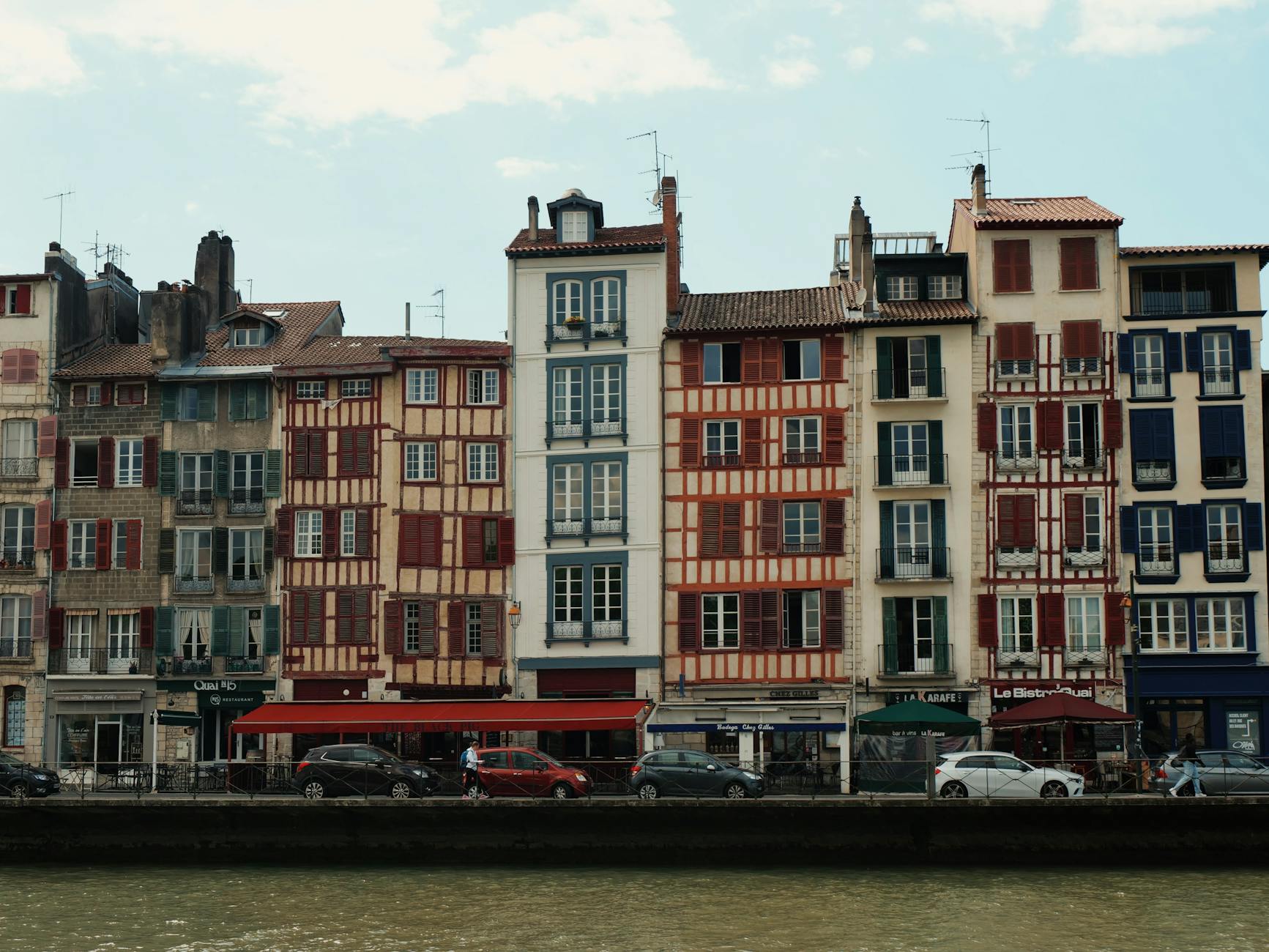
Historic colorful conch houses lining the streets of Old Town Key West

Key West history stretches back centuries — from the indigenous Calusa people who first inhabited these sun-drenched islands to the eccentric, fiercely independent community that thrives here today. This tiny island, just two miles wide and four miles long at the southernmost tip of the continental United States, has played an outsized role in American history as a wrecking capital, a cigar-making powerhouse, a military stronghold, a literary haven, and a cultural melting pot where Cuban, Bahamian, American, and Caribbean traditions have blended into something entirely unique.

Understanding Key West history transforms a vacation here from a simple beach trip into something much richer. Behind every pastel-colored conch house, every crooked cemetery headstone, and every weathered bar stool at Sloppy Joe’s lies a story that connects to larger themes of immigration, commerce, war, creativity, and the relentless human desire for freedom. The island has been burned to the ground, battered by hurricanes, connected to the mainland by an impossible railroad, and even declared its own independence from the United States — and through it all, Key West has maintained an identity and spirit that exists nowhere else in America.

This comprehensive guide traces Key West history from its earliest inhabitants through the modern era, exploring the industries that built the island’s wealth, the cultural forces that shaped its character, the historic landmarks you can visit today, and the literary and artistic legacy that continues to draw creative minds from around the world.

Historic colorful conch houses lining the streets of Old Town Key West
The colorful historic architecture of Key West reflects centuries of diverse cultural influences

Key Takeaways

  • Key West history spans over 400 years, from Spanish explorer Juan Ponce de León’s arrival in 1513 to the vibrant cultural destination it is today — the island’s name derives from the Spanish “Cayo Hueso,” meaning “Bone Key.”
  • The wrecking industry made Key West the richest city per capita in the United States by the 1850s — licensed salvagers recovered cargo from ships that foundered on the treacherous Florida Reef, with wrecks occurring on average once a week.
  • Cuban immigration transformed Key West in the mid-1800s, bringing cigar manufacturing that peaked at over 100 million hand-rolled cigars annually from nearly 150 factories, making the island the cigar capital of the world.
  • Key West played a critical role in the Civil War as one of only three Florida forts to remain under Union control, with Fort Zachary Taylor serving as headquarters for the naval blockade that helped starve the Confederacy of supplies.
  • The Conch Republic was declared on April 23, 1982, when Key West symbolically seceded from the United States to protest a U.S. Border Patrol checkpoint — the tongue-in-cheek “nation” remains a beloved part of the island’s identity.
  • Key West’s literary heritage includes Ernest Hemingway, Tennessee Williams, Robert Frost, Elizabeth Bishop, and dozens of other writers who found inspiration in the island’s atmosphere, producing some of the most important American literature of the 20th century.
  • The island contains more than 3,000 structures in the Key West Historic District, one of the largest National Register Historic Districts in the United States, with architecture spanning Victorian, Bahamian, Spanish Colonial, and the distinctive “conch house” vernacular style.

Early Key West History: From Indigenous Peoples to American Territory

Long before European explorers arrived, the islands that would become the Florida Keys were inhabited by indigenous peoples. The Calusa and Tequesta tribes used the keys as fishing grounds and seasonal camps for thousands of years. Archaeological evidence suggests that these indigenous communities had sophisticated maritime cultures, using the shallow waters surrounding the islands for fishing, trading, and travel between the mainland and the Caribbean.

The first documented European contact with Key West came in 1513, when Spanish explorer Juan Ponce de León sailed past the island chain during his search for the Fountain of Youth. The Spanish named the island “Cayo Hueso” — literally “Bone Key” or “Bone Cay” — reportedly because of scattered human bones found on the island, attributed to battles between warring indigenous groups. Over the following three centuries, the island passed through various claims of sovereignty, with Spain, England, and eventually the United States all asserting control at different times.

The modern history of Key West begins in 1815, when the Spanish governor of Florida granted the island to a military officer named Juan Pablo Salas. Salas subsequently sold the island to American businessman John W. Simonton in 1822 for approximately $2,000 — a transaction that would prove to be one of the most consequential real estate deals in Florida history. That same year, on March 25, 1822, Lieutenant Matthew C. Perry sailed the U.S. Navy schooner Shark to Key West and planted the American flag, formally claiming the island as United States territory.

The U.S. Navy quickly recognized Key West’s strategic importance. Positioned at the crossroads of major shipping lanes between the Gulf of Mexico, the Caribbean, and the Atlantic Ocean, the island was ideal for both military operations and commerce. In 1823, Commodore David Porter established a naval base on Key West as headquarters for the West Indies Anti-Pirate Squadron, tasked with eliminating the piracy that plagued shipping in the region. Porter essentially governed the island under martial law during this period, establishing the military presence that would remain a defining feature of Key West for the next century and a half.

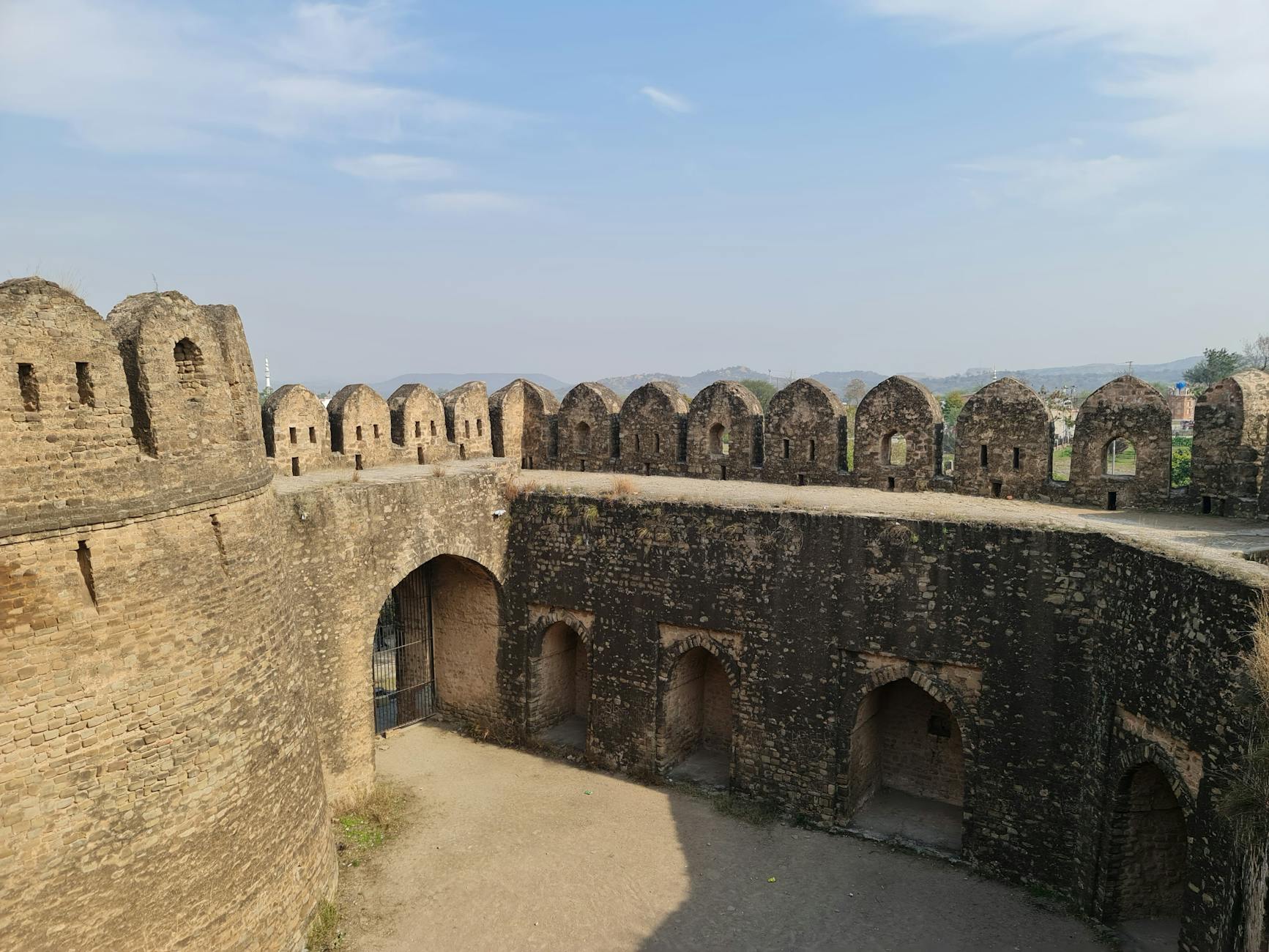
Historic fort walls at Fort Zachary Taylor, a Civil War-era landmark in Key West
Historic fort walls stand as testament to Key West’s strategic military importance throughout American history

The Wrecking Era: How Shipwrecks Made Key West the Richest City in America

No chapter of Key West history is more dramatic — or more lucrative — than the wrecking era. From the 1820s through the late 1800s, the salvaging of shipwrecked vessels and their cargo was the primary economic engine of Key West, transforming the tiny island into the wealthiest city per capita in the entire United States by the 1850s.

The geography that made Key West strategically valuable also made the surrounding waters incredibly dangerous. The Florida Reef, the only living coral barrier reef in the continental United States, stretches for approximately 170 miles along the Keys. Ships traveling through the Straits of Florida — the narrow passage between Florida and Cuba that served as the primary shipping lane connecting the Gulf of Mexico to the Atlantic — had to navigate treacherous shallow waters, unpredictable currents from the Gulf Stream, and frequent storms. The result was catastrophic: ships ran aground on the reef on average once a week during the peak of the wrecking era.

Wrecking — the legal practice of salvaging cargo and materials from wrecked ships — became a regulated industry in Key West. Licensed wreckers would race to be the first to reach a stranded vessel, as the first captain on the scene earned the right to serve as “wreck master,” directing the salvage operation and claiming the largest share of the profits. Federal admiralty courts were established in Key West to adjudicate disputes over salvage rights and to ensure that wreckers operated within the law. Wreckers were obligated to rescue passengers and crew first, then salvage cargo, and finally attempt to save the vessel itself.

The profits were extraordinary. Salvaged goods included everything from expensive textiles, tools, and machinery to gold, silver, and precious gems. Licensed wreckers typically received a percentage of the value of the salvaged cargo — sometimes as much as 50 percent — and those profits poured into the local economy, funding the construction of grand homes, warehouses, and businesses. By the mid-1800s, Key West had become the largest and wealthiest city in Florida, with a population that dwarfed Miami and other settlements on the mainland.

The wrecking era began to decline in the late 1800s as the federal government installed lighthouses, navigational aids, and charts that made the waters safer for shipping. The Key West Shipwreck Museum on Mallory Square tells the full story of this fascinating era, with artifacts recovered from the Isaac Allerton — the richest shipwreck ever discovered in the Florida Keys — and a recreated wreckers’ warehouse that brings the 1850s economy vividly to life. Visitors can also climb the museum’s 65-foot lookout tower for panoramic views of the harbor where wrecking vessels once raced to reach their fortunes.

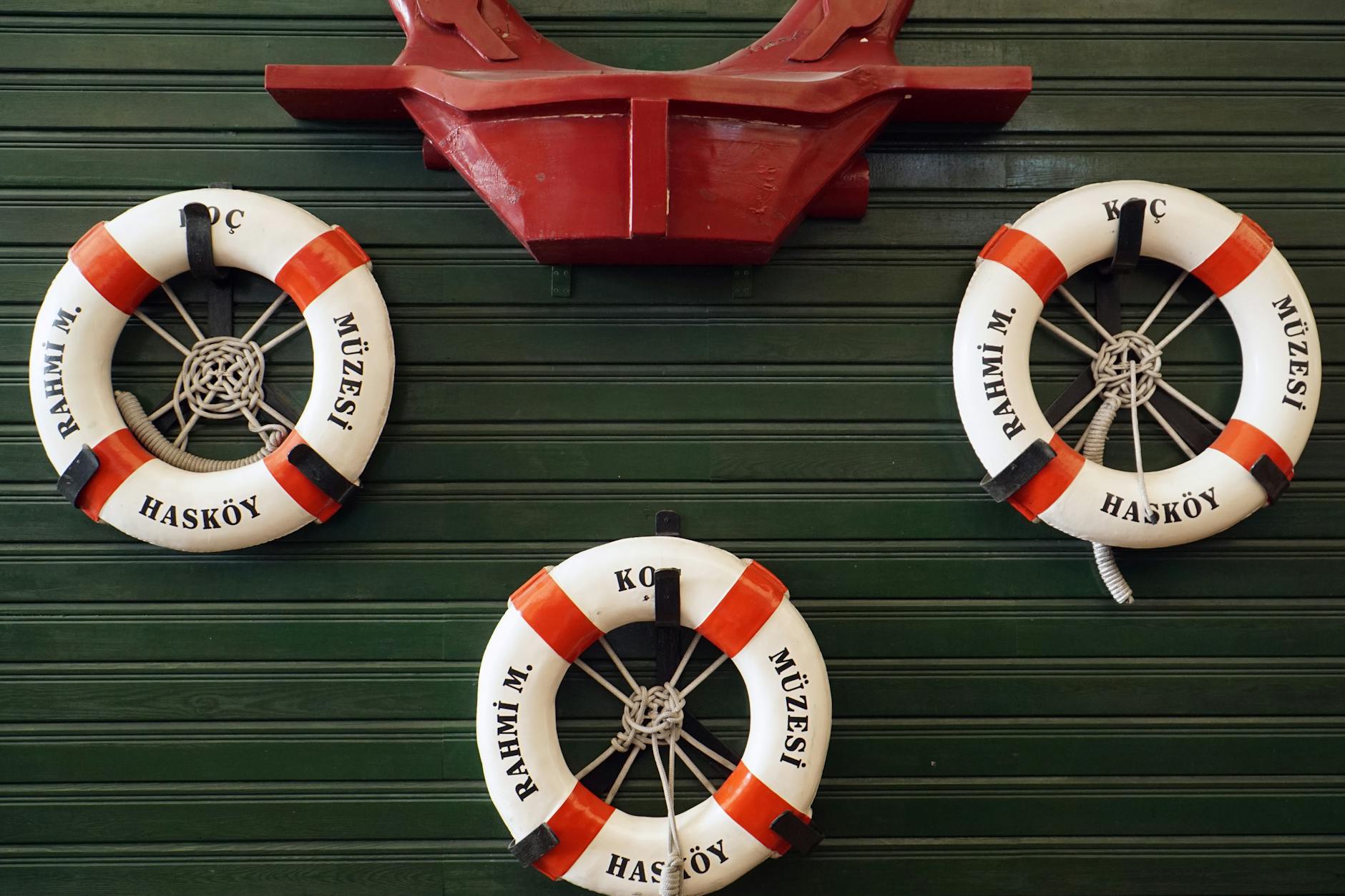
Maritime artifacts showcasing Key West's rich seafaring and wrecking history
Maritime artifacts tell the story of Key West’s wrecking era, when shipwreck salvage made the island America’s wealthiest city

Cuban Heritage and the Cigar Industry

The influence of Cuban culture on Key West history cannot be overstated. Beginning in the 1830s and accelerating dramatically during the Cuban wars of independence in the late 1800s, waves of Cuban immigrants arrived in Key West, bringing with them skills, traditions, cuisine, music, and a revolutionary spirit that fundamentally transformed the island’s character.

The most significant economic contribution of Cuban immigrants was the cigar-manufacturing industry. In 1860, Spanish-born cigar maker Vicente Martinez-Ybor opened the first cigar factory in Key West, capitalizing on the island’s proximity to Cuban tobacco fields and its existing Cuban labor force. The industry exploded. By the late 1800s, Key West was home to nearly 150 cigar factories employing thousands of workers who hand-rolled over 100 million cigars annually. For a time, Key West was the cigar capital of the world, and the industry replaced wrecking as the island’s primary economic engine.

The cigar factories were more than just workplaces — they were cultural institutions. One of the most distinctive traditions was the “lector,” a factory worker elected by his colleagues to read aloud during the long hours of hand-rolling cigars. Lectores read newspapers, novels, and political tracts, keeping workers informed and educated while their hands were occupied. This tradition fostered a remarkably literate and politically engaged working class and helped spread revolutionary ideas that fueled Cuba’s independence movement. Key West became the capital of the Cuban exile community, with revolutionary leader José Martí visiting multiple times to rally support for Cuban independence.

The cultural impact of Cuban immigration extended far beyond cigars. By the 1880s, approximately one-third of Key West’s population was Cuban-born. Spanish became the island’s unofficial second language. Cuban cuisine — black beans and rice, roast pork, plantains, Cuban bread, and the iconic Cuban coffee — became woven into Key West’s food culture, where it remains central to the dining experience today. The San Carlos Institute, founded in 1871 by Cuban exiles, served as a cultural center, school, and political meeting hall. Classes were taught in Spanish in the morning and English in the afternoon, a bilingual tradition that continued for a century.

The cigar industry eventually declined in Key West as labor disputes and a devastating fire in 1886 prompted many factory owners to relocate to Tampa’s Ybor City. But the Cuban cultural legacy remains deeply embedded in Key West’s identity. Today, visitors can explore this heritage at the San Carlos Institute, sample authentic Cuban cuisine at restaurants throughout Old Town, and visit cigar shops where hand-rolling demonstrations continue a tradition that stretches back more than 160 years.

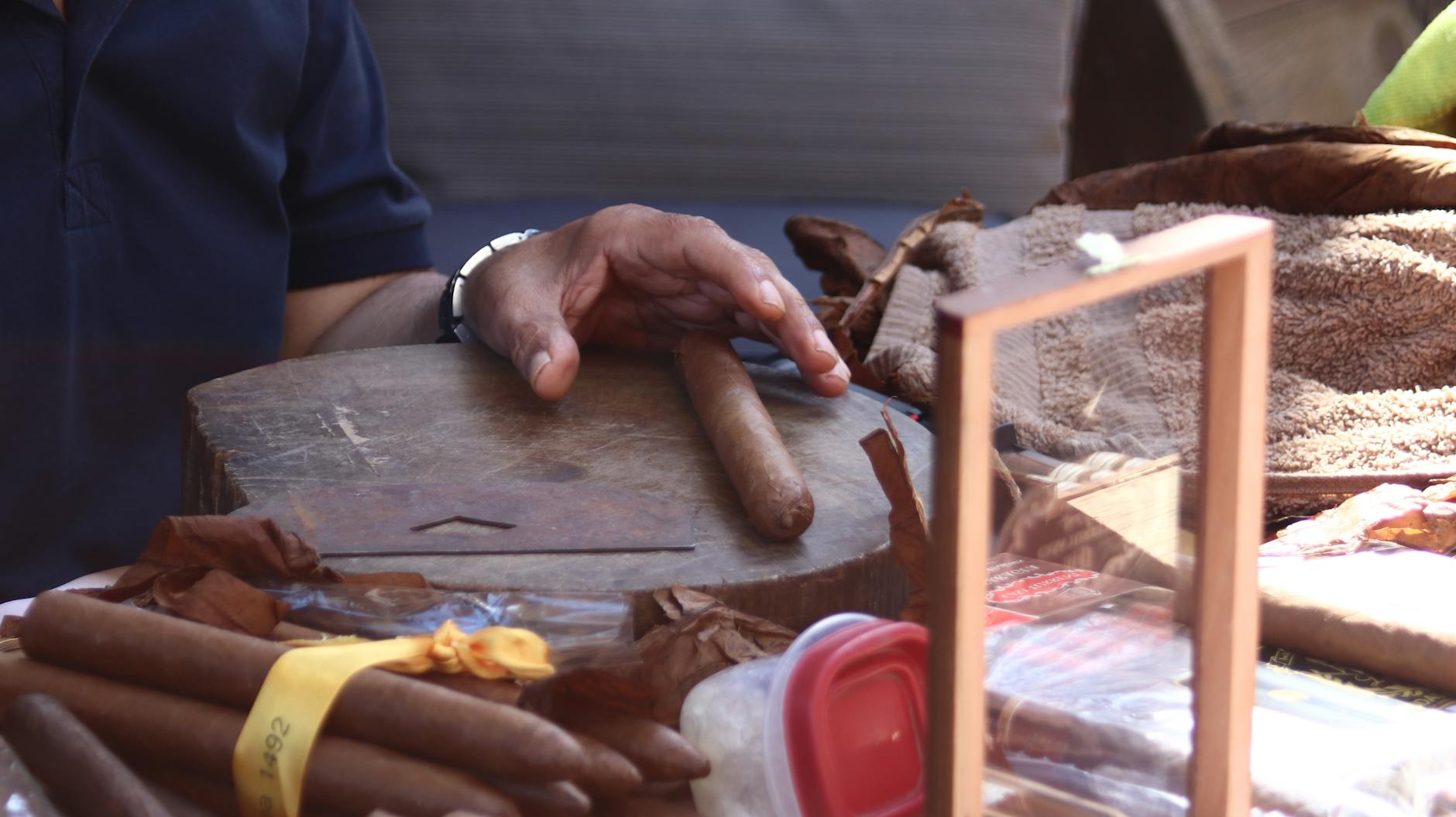
Hand-rolled cigars honoring Key West's historic Cuban cigar-making heritage
Hand-rolled cigars carry on the tradition of Key West’s historic Cuban cigar industry, once the largest in the world

Military History: From the Civil War to the Cold War

Key West’s strategic position at the southern tip of the United States has made it a critical military installation for nearly two centuries. The island’s military history spans from early anti-piracy operations through the Civil War, the Spanish-American War, both World Wars, the Cuban Missile Crisis, and beyond — and several of its most important military sites are open to visitors today.

Fort Zachary Taylor and the Civil War

Construction of Fort Zachary Taylor began in 1845 as part of a national coastal defense plan following the War of 1812. Named for President Zachary Taylor after his death in 1850, the fort was designed as a massive trapezoidal structure with walls that rose 50 feet above the waterline and bristled with cannon emplacements.

When the Civil War erupted in 1861, Fort Taylor’s importance became immediately apparent. Despite Florida’s secession from the Union, the fort — along with Fort Jefferson in the Dry Tortugas and Fort Pickens in Pensacola — remained under federal control. This was a strategic coup for the Union. Fort Taylor became the headquarters of the U.S. Navy’s East Gulf Coast Blockading Squadron, which worked to prevent supplies from reaching Confederate ports throughout the Gulf of Mexico. Over the course of the war, Union forces operating from Key West captured 299 blockade runners, their crews, and tons of supplies, significantly contributing to the economic strangulation that helped end the war.

Today, Fort Zachary Taylor is a National Historic Landmark and state park containing the largest collection of Civil War-era seacoast cannons in the United States. Visitors can explore the fort’s casemates, learn about its role in multiple conflicts, and enjoy what many consider the best beach in Key West, located within the park grounds.

The Naval Air Station and World Wars

The U.S. Navy’s presence in Key West expanded significantly in the early 20th century with the establishment of Naval Air Station Key West, which became a critical training facility during both World Wars. During World War I, the base served as a submarine detection and antisubmarine warfare center. In World War II, Key West was a hub for antisubmarine patrols protecting the vital shipping lanes of the Florida Straits from German U-boats, which prowled the Gulf of Mexico and Caribbean with devastating effectiveness in the early years of the war.

The Truman White House and the Cold War

Key West’s military significance reached the highest levels of government when President Harry S. Truman chose the naval base commander’s quarters as his winter vacation retreat. The Harry S. Truman Little White House, built in 1890 as officers’ quarters, became Truman’s working vacation home, where he spent 175 days during eleven visits between 1946 and 1952. Several significant policy decisions were made from this modest wooden building, including early planning for the NATO alliance and discussions about the Marshall Plan for rebuilding post-war Europe.

During the Cuban Missile Crisis of October 1962, Key West was on the front line of the Cold War confrontation. The island sits just 90 miles from Cuba, and military activity at the naval air station intensified dramatically during the tense 13-day standoff. Low-level reconnaissance flights over Cuba launched from Key West provided critical intelligence about Soviet missile installations. The proximity to Cuba also made Key West a focal point during the 1980 Mariel Boatlift, when approximately 125,000 Cuban refugees arrived in Florida, many of them landing first in Key West.

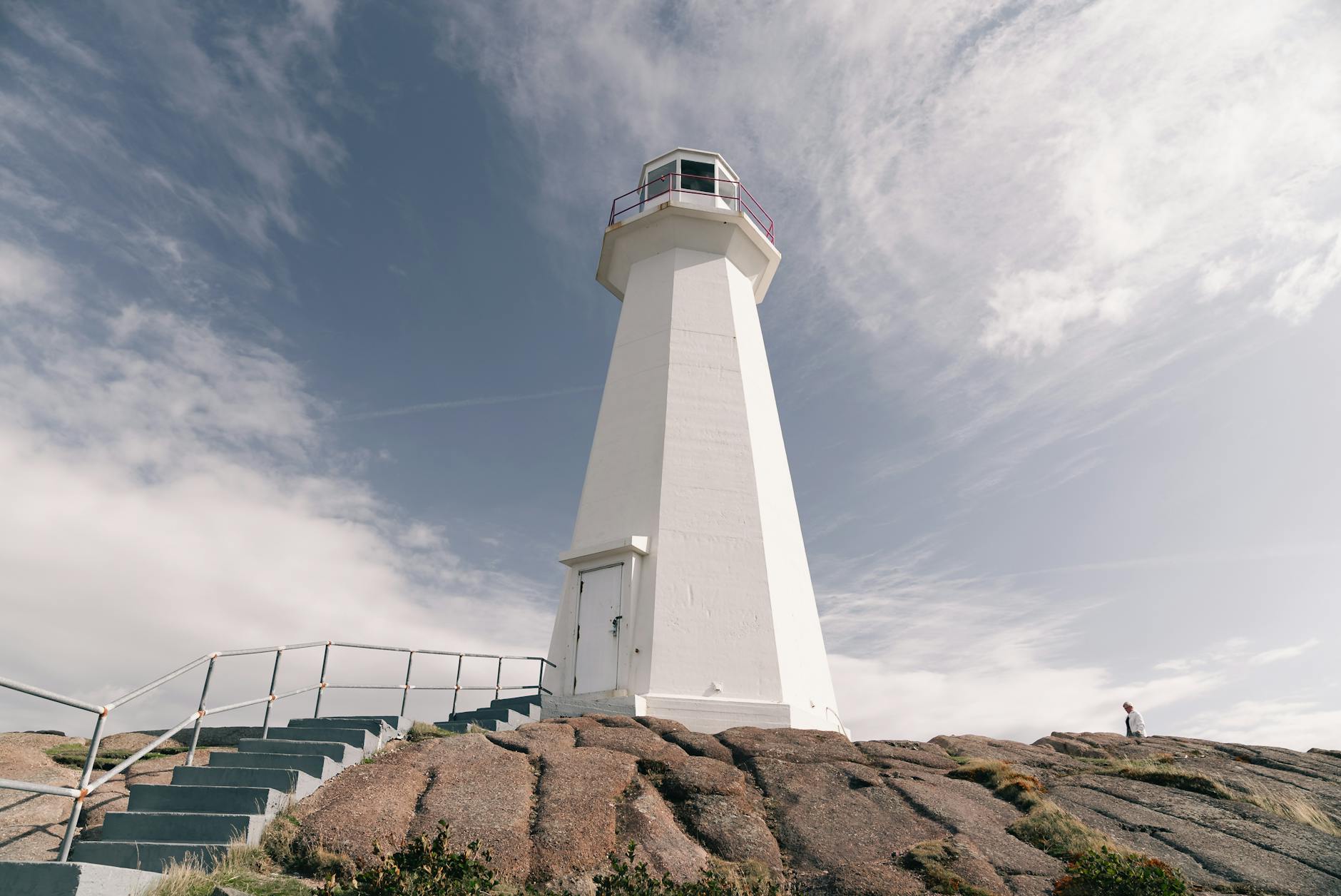
The Key West Lighthouse standing tall against a blue tropical sky
The Key West Lighthouse has guided mariners and witnessed centuries of island history since it was first lit in 1848

The Overseas Railroad: Henry Flagler’s Impossible Dream

One of the most remarkable chapters in Key West history is the construction of the Overseas Railroad, a feat of engineering that was called both visionary and insane in equal measure. Until the early 1900s, Key West was accessible only by boat — a journey that could take days from the mainland and was subject to the unpredictable weather and seas of the Florida Straits.

Railroad magnate Henry Flagler, who had already built his Florida East Coast Railway from Jacksonville to Miami, decided to extend the line across 128 miles of open ocean, mangrove islands, and coral keys to reach Key West. Construction began in 1905 and took seven years, employing thousands of workers who faced hurricanes, mosquitoes, extreme heat, and the engineering challenge of building bridges across miles of open water. The most ambitious segment was the Seven Mile Bridge, which connected Knight’s Key to Little Duck Key across more than seven miles of the Atlantic Ocean — a structure so audacious that the press dubbed the entire project “Flagler’s Folly.”

The Overseas Railroad was completed on January 22, 1912, when 82-year-old Henry Flagler rode the first train into Key West. The achievement was hailed as the Eighth Wonder of the World. For the first time, Key West was connected to the mainland, opening the island to tourism and commerce on a scale that had previously been impossible. Flagler reportedly said upon arrival: “Now I can die happy. My dream is fulfilled.”

The railroad operated for just 23 years. On Labor Day, September 2, 1935, one of the most powerful hurricanes in American history struck the middle Keys, destroying long sections of the railroad with storm surge that reached 20 feet. Rather than rebuild the railroad, the state of Florida purchased the right-of-way and converted the remaining bridges and roadbed into the Overseas Highway — the scenic road that carries visitors to Key West today. The remnants of Flagler’s railroad, including the original Seven Mile Bridge (now a pedestrian path known as the Old Seven Mile Bridge), can still be seen throughout the Keys.

The Conch Republic: Key West’s Tongue-in-Cheek Independence

Perhaps no single event better captures the spirit of Key West than the declaration of the Conch Republic on April 23, 1982. What began as a protest against federal overreach became one of the most beloved and enduring symbols of Key West’s independent character.

The catalyst was a U.S. Border Patrol checkpoint established on U.S. Route 1 at Florida City, where the Overseas Highway meets the mainland. Every vehicle leaving the Keys was stopped and searched, ostensibly to intercept drug smuggling and undocumented immigrants. The checkpoint created massive traffic jams — sometimes stretching for miles — and residents and business owners complained bitterly that the roadblock was devastating the tourism industry by making it impractical to travel to and from the Keys.

After failing to get the checkpoint removed through legal channels, Key West Mayor Dennis Wardlow and the city council took a different approach. On April 23, 1982, in a ceremony at Mallory Square, Wardlow declared Key West’s secession from the United States and the establishment of the Conch Republic — named for the conch shells that are an iconic symbol of the Keys. In a masterpiece of political theater, the newly proclaimed “prime minister” immediately declared war on the United States, symbolically attacking a man dressed in a U.S. Navy uniform by breaking a loaf of stale Cuban bread over his head. One minute later, Wardlow surrendered to the Navy officer and demanded one billion dollars in foreign aid to rebuild after the “devastating conflict.”

The stunt generated enormous media attention, which was precisely the point. The Border Patrol checkpoint was removed shortly afterward, and the Conch Republic entered the lexicon of Key West culture. The republic has its own flag (a blue-and-yellow design featuring a conch shell and a sun), its own motto (“We Seceded Where Others Failed”), and even issues its own passports — which, while not accepted as official travel documents, have been presented at borders around the world as conversation starters.

Today, Key West celebrates its independence every April with the Conch Republic Independence Celebration, a week-long festival featuring parades, parties, a drag race (both kinds), a naval battle in Key West Harbor, and the coronation of the Conch Republic’s royal court. The event perfectly captures the spirit of Key West: irreverent, creative, rebellious, and fundamentally joyful.

The vibrant streets of Key West reflecting the island's Caribbean cultural influences
The colorful Caribbean-influenced streets of Key West reflect the island’s unique cultural blend

Literary Key West: Writers Who Shaped American Literature

Key West has attracted writers with an almost magnetic force for over a century. Something about the island’s isolation, its light, its warm evenings, and its tolerant, live-and-let-live atmosphere has proven irresistible to creative minds seeking both inspiration and escape. The result is a literary legacy that rivals cities many times Key West’s size.

Ernest Hemingway

The most famous literary resident of Key West was Ernest Hemingway, who first visited the island in 1928 and lived there for much of the following decade. Hemingway’s Spanish Colonial home at 907 Whitehead Street, which he purchased in 1931, is now the Ernest Hemingway Home & Museum and is one of Key West’s most visited attractions.

During his Key West years, Hemingway wrote some of his most celebrated works, including “To Have and Have Not” (set in Key West), “The Snows of Kilimanjaro,” “The Short Happy Life of Francis Macomber,” and portions of “For Whom the Bell Tolls.” He also developed his passion for deep-sea fishing in the waters off Key West, a pursuit that would influence both his writing and his public persona. Hemingway’s daily routine of writing in the mornings and fishing or socializing in the afternoons became the template for the Key West lifestyle that visitors aspire to today.

The Hemingway Home itself is a beautiful example of Spanish Colonial architecture, built in 1851 from coral rock quarried on the property. It was the first house in Key West to have an in-ground swimming pool, which Hemingway had installed at a then-extravagant cost of $20,000. The property is home to approximately 60 polydactyl (six-toed) cats, descendants of a cat originally given to Hemingway by a ship’s captain. The cats have become celebrities in their own right, and their lounging presence throughout the house and gardens adds to the museum’s unique atmosphere.

Tennessee Williams

Playwright Tennessee Williams first visited Key West in 1941 and eventually made it his primary residence, living at 1431 Duncan Street until his death in 1983. Williams found Key West’s tolerant atmosphere essential to his personal freedom, and the island’s influence permeated his work. While in Key West, he wrote or revised many of his most important plays, including “The Rose Tattoo” (which is explicitly set in a Gulf Coast setting inspired by the Keys), “The Night of the Iguana,” and “Suddenly, Last Summer.”

Williams was an integral part of Key West’s social fabric, often seen at local bars and restaurants and entertaining a wide circle of friends and fellow artists. The annual Key West Literary Seminar and the Tennessee Williams Key West Exhibit at the Studios of Key West honor his legacy and his deep connection to the island.

Other Literary Luminaries

The list of notable writers with Key West connections extends well beyond Hemingway and Williams. Poet Robert Frost spent many winters in Key West, and a cottage behind the Heritage House Museum is preserved in his honor. Poet Elizabeth Bishop lived on the island in the 1930s and 1940s, drawing inspiration from the Keys’ landscape and culture. Novelist and short story master John Hersey, screenwriter and playwright Philip Barry, and nature writer John James Audubon all spent significant time on the island.

In more recent decades, Key West has continued to attract literary talent. Authors including Annie Dillard, Alison Lurie, Thomas McGuane, Jim Harrison, and Judy Blume have all called the island home. The Key West Literary Seminar, founded in 1983, brings leading writers and readers together each January for a multi-day celebration of literature that has become one of the most respected literary events in the country.

Vintage books representing Key West's rich literary heritage from Hemingway to Tennessee Williams
Vintage books symbolize Key West’s extraordinary literary heritage, from Hemingway to Tennessee Williams and beyond

Architecture and Historic Preservation

Walking through Old Town Key West is like walking through an open-air architectural museum. The Key West Historic District, listed on the National Register of Historic Places, encompasses more than 3,000 structures and is one of the largest such districts in the United States. The architecture reflects every phase of Key West history and every culture that has contributed to the island’s development.

The Conch House Style

The most distinctive Key West architectural style is the “conch house,” a vernacular building tradition that evolved from the practical needs of island life. Conch houses typically feature raised foundations (to promote air circulation and protect against flooding), wide porches and verandas (for shade and outdoor living), louvered shutters (for hurricane protection and ventilation), and wood-frame construction using locally available materials. Many conch houses were built by ship carpenters, and the construction techniques borrowed heavily from boat-building — including the use of wooden pegs instead of nails and hull-like structural bracing designed to withstand hurricane winds.

The oldest surviving house in Key West — and one of the oldest in South Florida — is the Oldest House Museum at 322 Duval Street, built in 1829. This modest wooden structure survived the Great Fire of 1886 and multiple hurricanes, and today serves as a museum documenting early Key West domestic life.

Victorian and Bahamian Influences

As Key West prospered through the wrecking and cigar industries, wealthier residents built grander homes in the Victorian style popular on the mainland, but adapted with tropical features like wraparound verandas, widow’s walks, and expansive gardens. Bahamian immigrants brought their own building traditions, including the “shotgun house” layout — a narrow, rectangular floor plan where rooms are arranged in a straight line from front to back, allowing cross-ventilation in the tropical heat.

The Spanish Colonial style, exemplified by the Hemingway Home, reflects the influence of Cuban and broader Caribbean architecture, with thick masonry walls, interior courtyards, and ironwork balconies. Many of the grandest surviving homes in Key West blend two or more of these traditions, creating an eclectic architectural tapestry that is uniquely Key West.

A beautifully preserved colonial-era home surrounded by tropical palms in Key West
Beautifully preserved historic homes surrounded by tropical landscaping showcase Key West’s architectural heritage

The Key West Cemetery: Stories Carved in Stone

The Key West Cemetery, established in 1847, is one of the island’s most fascinating and unexpected attractions. Covering 19 acres in the heart of Old Town, the cemetery is the final resting place of approximately 100,000 people — roughly four times the current living population of Key West. Because the coral rock substrate makes deep burial impossible, many graves are above-ground in the New Orleans style, with elaborate vaults and mausoleums that create a miniature city of the dead.

The cemetery is famous for its humorous and irreverent epitaphs, which perfectly capture the Key West spirit. Among the most quoted are “I Told You I Was Sick,” “At Least I Know Where He’s Sleeping Tonight,” and “I’m Just Resting My Eyes.” Beyond the humor, the cemetery is a genuine historical record of Key West’s diverse communities, with separate sections for Cuban, Bahamian, Jewish, and military burials. The graves of Civil War soldiers, sponge divers, wrecking captains, cigar makers, and victims of the USS Maine explosion (which helped trigger the Spanish-American War) can all be found here.

Self-guided walking tours of the cemetery are available, and the Historic Florida Keys Foundation conducts guided tours that provide context and stories behind the most notable graves. The cemetery is free to visit during daylight hours and offers a genuinely unique window into Key West history that many visitors overlook.

Historic tombstones at the Key West Cemetery, one of the island's most unique landmarks
Historic tombstones in the Key West Cemetery tell the stories of the diverse communities that built the island

Museums and Historic Sites to Visit

Key West offers an impressive concentration of museums and historic sites that bring the island’s rich history to life. Here are the must-visit cultural attractions for history enthusiasts.

The Custom House Museum

The Custom House, an imposing four-story Romanesque Revival building completed in 1891, houses the Key West Art & Historical Society’s permanent collection. Exhibits cover the full sweep of Key West history, from indigenous artifacts and wrecking-era treasures to military history and contemporary art. The building itself is a National Historic Landmark and worth visiting for its architecture alone.

Mel Fisher Maritime Museum

The Mel Fisher Maritime Museum tells the incredible story of treasure hunter Mel Fisher’s 16-year search for the Nuestra Señora de Atocha, a Spanish galleon that sank in a hurricane off the Keys in 1622 carrying an estimated $450 million worth of gold, silver, and emeralds. The museum displays recovered treasures including gold bars, silver coins, emerald-studded jewelry, and navigational instruments, alongside exhibits about the science of underwater archaeology.

The Key West Lighthouse and Keeper’s Quarters

The Key West Lighthouse, first lit in 1848, stands 73 feet tall and offers panoramic views of the island from its observation deck — well worth the 88-step climb. The adjacent keeper’s quarters has been restored to its 1900s appearance and houses exhibits about the lighthouse service, maritime navigation, and the keepers and their families who maintained the light. The lighthouse is located directly across the street from the Hemingway Home, making it easy to visit both in a single outing.

Fort Jefferson and the Dry Tortugas

While technically located 70 miles west of Key West in the Dry Tortugas National Park, Fort Jefferson is deeply connected to Key West history. Construction of this massive hexagonal fortress began in 1846, and it was designed to be the largest masonry structure in the Americas, with walls eight feet thick and 45 feet high. Though never completed, the fort served as a military prison during and after the Civil War — its most famous prisoner was Dr. Samuel Mudd, the physician convicted of conspiracy in the assassination of President Abraham Lincoln for treating John Wilkes Booth’s broken leg during his escape.

The San Carlos Institute

Founded in 1871 by Cuban exiles, the San Carlos Institute on Duval Street is a cultural treasure that tells the story of the deep Cuban connection to Key West. The current building, completed in 1924 in a Cuban Baroque style, houses exhibits about Cuban immigration, the cigar industry, and the role that Key West played in Cuba’s independence movement. Revolutionary hero José Martí spoke from the San Carlos multiple times while organizing support for Cuban independence.

A stunning sunset over the Key West waterfront, the backdrop to centuries of island history
Sunset over the Key West waterfront — a view that has captivated residents and visitors for centuries

Key West Culture Today: The Spirit Lives On

The history of Key West isn’t confined to museums and monuments — it’s alive in the island’s contemporary culture. The same forces that shaped Key West over the centuries — geographic isolation, cultural diversity, a tradition of independence, and an attraction for creative and unconventional people — continue to define the island’s character today.

The Conch Community

In Key West, the term “Conch” (pronounced “konk”) carries specific meaning. A “Saltwater Conch” is someone born in Key West, while a “Freshwater Conch” is someone who has lived on the island for at least seven years and has embraced the local lifestyle. Being a Conch isn’t just about geography — it’s about attitude: a relaxed approach to life, a fierce sense of independence, a tolerance for eccentricity, and a deep connection to the sea and the island’s history.

Artistic Heritage

Key West’s artistic community extends well beyond its literary tradition. The island has a thriving visual arts scene, with dozens of galleries concentrated in the Bahama Village and upper Duval Street areas. The Studios of Key West hosts exhibitions, performances, and artist residencies that continue the island’s tradition of nurturing creative work. Annual events like the Key West Craft Show and Fantasy Fest showcase the artistic talent that gravitates to the island.

Musical Traditions

Music has always been part of Key West’s cultural identity. The island’s musical heritage draws from Cuban son and bolero, Bahamian junkanoo rhythms, American country and blues, Caribbean reggae, and the “Gulf and Western” genre that Jimmy Buffett popularized (and partly invented) during his years living and performing in Key West in the 1970s. Today, live music is performed at dozens of venues across the island every night, continuing a tradition that stretches back generations.

LGBTQ+ Heritage

Key West has been a welcoming destination for the LGBTQ+ community since at least the mid-20th century, when writers like Tennessee Williams and artists from across the country found acceptance on the island that was unavailable elsewhere. This tradition of inclusivity has only deepened over the decades, and Key West’s LGBTQ+ community is an integral part of the island’s cultural identity. Annual events like Key West Pride and Fantasy Fest celebrate this heritage, and the island’s reputation as one of the most LGBTQ+-friendly destinations in the world continues to attract visitors from around the globe.

Frequently Asked Questions About Key West History

How old is Key West?

Key West has been inhabited for thousands of years, first by indigenous peoples like the Calusa and Tequesta. European contact began in 1513 with the Spanish, and the modern settlement of Key West dates to the 1820s after the United States acquired Florida from Spain. The city was officially incorporated in 1828, making it one of the oldest cities in South Florida.

Why is it called Key West?

The name “Key West” is an Anglicization of the Spanish name “Cayo Hueso,” meaning “Bone Key” or “Bone Cay.” The Spanish named the island after the human bones they found scattered on the island, which were attributed to battles between indigenous groups. Over time, English-speaking settlers transformed “Cayo Hueso” into “Key West,” though locals still occasionally use the original Spanish name.

What is the Conch Republic?

The Conch Republic is a tongue-in-cheek “micronation” declared on April 23, 1982, when Key West Mayor Dennis Wardlow symbolically seceded from the United States to protest a U.S. Border Patrol checkpoint that was hurting tourism. The Conch Republic immediately declared war on the U.S. (by breaking Cuban bread over someone’s head), surrendered one minute later, and applied for foreign aid. The checkpoint was subsequently removed, and the Conch Republic has remained a beloved symbol of Key West’s independent spirit ever since.

Did Hemingway really live in Key West?

Yes. Ernest Hemingway lived in Key West from 1931 to 1939, residing in a Spanish Colonial house at 907 Whitehead Street that is now the Hemingway Home & Museum. He wrote several major works during his Key West years and was an active member of the island’s social scene. The polydactyl (six-toed) cats that roam the property today are descendants of a cat given to Hemingway by a ship’s captain.

Was Key West really the richest city in America?

Yes, by the 1850s, Key West was the wealthiest city per capita in the United States, thanks primarily to the wrecking industry. Licensed salvagers who recovered cargo from ships that wrecked on the Florida Reef earned enormous profits, and these earnings fueled the construction of grand homes and businesses throughout the island. The cigar industry later sustained much of this wealth through the late 1800s.

What is the best way to experience Key West history?

The best way to experience Key West history is to combine museum visits with walking tours of the Historic District. Start with the Custom House Museum for a comprehensive overview, then visit the Hemingway Home, Truman Little White House, and Key West Lighthouse. The Conch Tour Train and Old Town Trolley offer narrated tours that cover the major historical sites. For a deeper dive, join a guided walking tour of the Key West Cemetery or explore the San Carlos Institute for Cuban heritage.

What happened to the Overseas Railroad?

Henry Flagler’s Overseas Railroad, completed in 1912 after seven years of construction, connected Key West to the Florida mainland for the first time. The railroad operated for just 23 years before being destroyed by the catastrophic Labor Day Hurricane of 1935. Rather than rebuild, the state of Florida converted the remaining bridges and roadbed into the Overseas Highway (U.S. Route 1), which is the road that carries visitors to Key West today.

Can you visit Fort Jefferson in the Dry Tortugas from Key West?

Yes. Fort Jefferson is located 70 miles west of Key West in Dry Tortugas National Park and can be reached by ferry (the Yankee Freedom III, approximately 2.5 hours each way) or by seaplane (approximately 40 minutes each way). Day trips allow several hours to explore the massive fort, snorkel the surrounding waters, and learn about the fort’s history as a Civil War-era military prison. The trip is worth the effort — Fort Jefferson is one of the most impressive and best-preserved 19th-century forts in the country.

A beautifully preserved colonial-era home surrounded by tropical palms in Key West
Historic tropical homes showcase the architectural diversity that makes Key West a living museum of American history

Comments

Leave a Reply

Your email address will not be published. Required fields are marked *