Sheet 13 · Transportation
Key West Parking Guide: Where to Park Without the Headache
Where to park in Key West without the headache: the Park N Ride garage, city lots, metered street parking, rates, the Passport app, and free parking tips.

Key Takeaways
- Parking in Old Town is tight and pricey—the easiest, most reliable option is the Old Town Parking Garage (Park N Ride) at 301 Grinnell Street.
- Expect about $6/hour and a daily max around $48 at the garage and city lots (Mallory Square runs ~$7/hour). Metered street parking is roughly $3/hour.
- Pay by license plate using the Passport app (branded “Park Key West”) or at pay stations—not ParkMobile.
- Metered parking is enforced 7 days a week, 8 a.m. to midnight—including Sundays. The old “Sundays are free” idea is a myth.
- Truly free parking is limited; honestly, the smartest move is often to park once and walk, bike, or skip the car entirely.
Let’s be honest right away: parking is the single biggest headache of driving to Key West. Old Town is a dense, historic grid where space is scarce, demand is high, and the rules are strictly enforced. The good news is that with a little planning, it’s entirely manageable, you just need to know where to go, what it costs, how to pay, and how to avoid the tickets and tows that catch out unprepared visitors. This guide gives you all of that, with current 2026 information that most stale online listings get wrong.
We’ll cover the main garage, the city lots, street parking, the honest truth about free parking, and how to avoid fines. It pairs naturally with our getting around Key West guide and our broader getting to Key West guide. A quick note: rates and rules change, so confirm the latest with the City of Key West before your trip.
Should You Even Bring a Car to Key West?
Before we talk about where to park, ask whether you need to park at all. Old Town is just two miles by four, flat, and walkable, and many hotels charge $20 to $40 a night for parking on top of scarce availability. For a vacation spent mostly in Old Town, a car is often more burden than benefit. The smart play for many visitors is to arrive without a car (via the ferry or by flying) or to park once and leave it, then get around on foot, by bike, or by rideshare. A car earns its keep mainly for day trips up the Keys or if you’re staying outside Old Town. If that’s you, read on, this guide has you covered.
The Old Town Parking Garage (Park N Ride): Your Best Bet
For most drivers, the Old Town Parking Garage, also called the Park N Ride, is the easiest answer. Located at 301 Grinnell Street (corner of Caroline and Grinnell), it’s the city’s main public garage: roughly 300 covered spaces, open 24 hours, first-come first-served, and centrally located for the Historic Seaport and Duval Street. As of 2026, rates run about $6 per hour with a daily maximum around $48, paid at an automated station that takes credit, debit, or coins. Note the height limit (about 7 feet 2 inches) and length limit, no RVs, trailers, or boats. One nice perk historically tied to paying at the garage has been free rides on the city bus, though with transit in flux, confirm what’s currently offered. For peace of mind and a guaranteed covered spot, the garage is hard to beat.
City Parking Lots in Old Town
Beyond the garage, the city runs several surface lots, most at about $6 per hour with that ~$48 daily cap. Which one to pick depends on where you’re headed:
| Lot | Rate | Best for |
|---|---|---|
| Mallory Square Lot (412 Wall St) | ~$7/hr | Sunset celebration; closest, priciest |
| Key West Bight / Caroline St Lot | ~$6/hr | The Historic Seaport |
| Conch Republic / Greene St Lot | ~$6/hr | Lower Duval, the Seaport |
| Truman Waterfront lots (Butler Blvd area) | ~$6/hr | Truman Waterfront Park |
These lots fill quickly on busy days and before sunset, so arrive early if you have your heart set on one near Mallory Square. Rates are current as of 2026 but do change, confirm with the City.
Metered Street Parking and How It Works
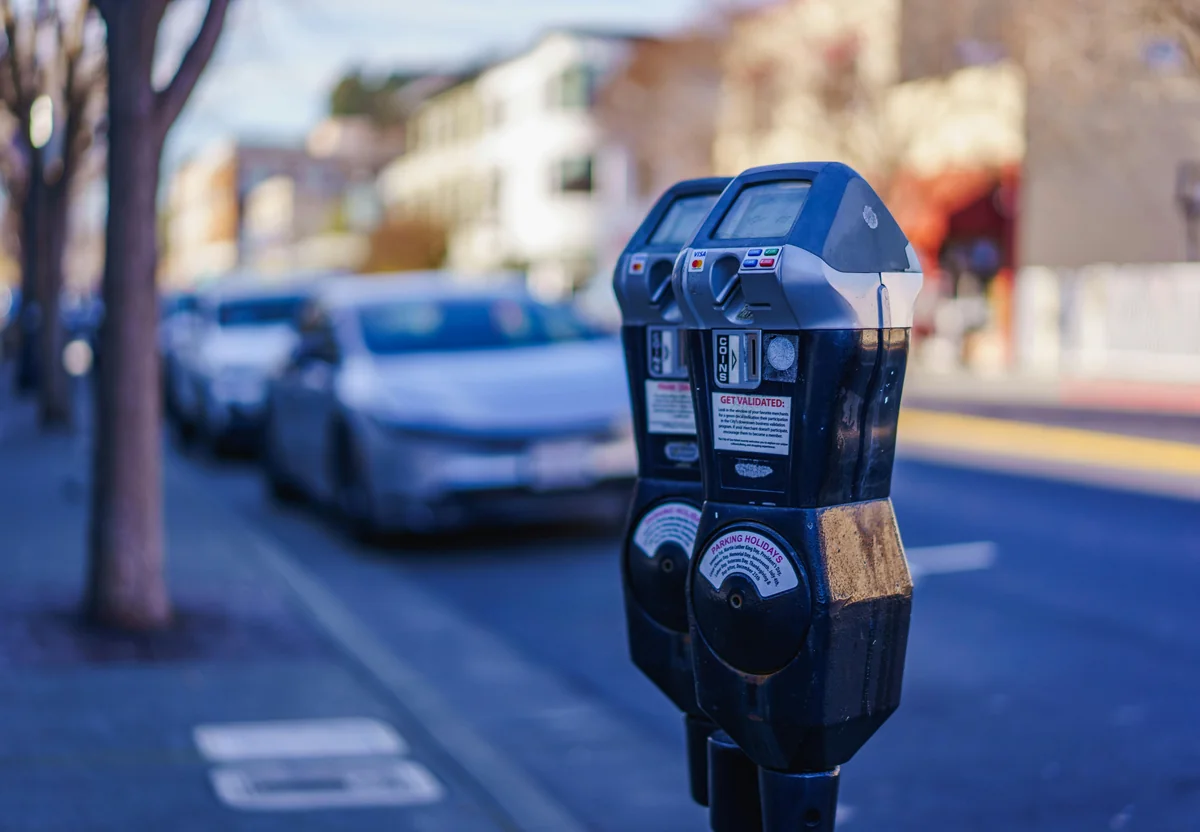
Old Town has metered street parking throughout, and it’s tempting because it can be cheaper, around $3 per hour, but it comes with rules. Critically, metered parking is enforced seven days a week, from 8 a.m. to midnight, including Sundays and holidays. (Ignore any old guide that tells you Sunday parking is free, that’s a myth that earns people tickets.) There’s also a 72-hour maximum in any city street space before you risk a ticket or tow. Street spots near Duval turn over constantly and are hard to snag at peak times, so don’t count on finding one when you most need it. When you do, pay attention to the signs.
How to Pay: The Passport App and Pay Stations
Here’s a detail that trips up visitors: Key West uses the Passport parking app (branded locally as “Park Key West” / ParkingApp.com), not ParkMobile. With the app, you pay by entering your license plate number and the zone number posted on nearby signs and kiosks, then add or extend time from your phone without walking back to the car, genuinely convenient. If you’d rather not use an app, the electronic pay stations scattered mid-block accept credit, debit, and coins and print a receipt for your dashboard. Either way works; just make sure you’re using the right app and entering the correct zone, since a mistake here can mean a fine.
Is There Free Parking in Key West? The Honest Answer
Yes, but it’s limited and requires effort, so manage your expectations. Genuinely free options include the Fort Street Lot on the western edge of Old Town, free moped, scooter, and bike spaces, some on-street parking along South Roosevelt Boulevard near Smathers Beach (followed by a scenic walk into town), and the Higgs Beach area. The catch is that free spots are far from Duval, fill early, and often require a walk or a bike. And a crucial warning: “Residential Only” signs mean exactly that, park there without a permit and you’ll get a ticket. The free-parking hunt can pay off if you’re patient and don’t mind walking, but for many visitors, paying for the garage is worth the certainty.
Parking for Cruise Passengers and Day-Trippers
If you’re arriving for the day, whether off a cruise ship or driving down, aim for the lots closest to where you’ll spend your time. The Mallory Square Lot (on the dock) and the Caroline Street / Key West Bight Lot are within a short walk of the cruise pier and the Historic Seaport, both capping around $48 a day. They fill up fast, especially before the sunset celebration, so come early. Cruise passengers, of course, don’t need to park at all, you’ll walk right off the ship into Old Town; see our Key West cruise port guide for the full rundown.
Hotel and Resort Parking
Don’t assume your hotel includes parking. Many Old Town inns are historic properties with no lot at all, and those that do park guests often charge $20 to $40 a night for self-park or valet. This is a real cost to factor into your “should I bring a car” decision, and a question worth asking before you book. If your hotel charges $35 a night to park a car you’ll barely use, that money might be better spent on bike rentals and the occasional rideshare. Always confirm parking arrangements and fees with your hotel directly. Our where to stay in Key West guide can help you weigh your options.
Parking at the Beaches and Fort Zachary Taylor
Heading to the beach? Fort Zachary Taylor State Park, home to Key West’s best in-town beach, charges a modest park entry fee (around $6 per vehicle) and then parking inside is free, a good deal for a full beach day, and the park is open 8 a.m. to sundown. Fort Zach is one of the few places where bringing a car (or biking in for an even smaller fee) genuinely makes sense. At Smathers Beach and Higgs Beach, you’ll find a mix of metered and some free street parking along the water, arrive early on a sunny day, as these spots go quickly.
Private Pay Lots
Scattered around Old Town are private pay lots that can look like a bargain, but read the fine print. Some charge a flat daily rate (around $15 to $30), often cash only via a drop box, with strict expiration times (your ticket might expire at 9 or 11 a.m. the next day). Others use dynamic pricing that spikes on busy days. They can occasionally beat the city garage, but the rigid rules and cash-only policies catch people off guard, so make sure you understand the terms before you leave your car. For predictability, the city garage is usually the safer bet.
How to Avoid Tickets and Tows
Key West’s parking enforcement is active and unforgiving, so a little caution saves you real money. Most violations carry a $65 fine; parking at a fire hydrant or in a fire lane runs about $205, and using a handicap space without a permit is $250. To stay out of trouble: never park in “Residential Only” spaces without a permit, don’t exceed time limits or the 72-hour street maximum, watch for fire hydrants and loading zones, and remember that meters run on Sundays. Pay your meter or app promptly and accurately. When in doubt, use the garage, the certainty is worth the few dollars over hunting for a “free” spot that turns into a towed car.
Smarter Alternatives: Walk, Bike, and Rideshare
The best parking strategy in Key West is often to need parking only once. Park your car at the garage or your hotel for the duration, then explore the way locals and savvy visitors do, on foot, by bike, by rideshare, or via the Key West Rides shuttle. Old Town is small enough that you genuinely don’t need to move your car from day to day, and not moving it means never re-hunting for a space. Our getting around guide and transportation guide lay out all the car-free options. Embrace that approach and the parking problem largely solves itself.
Parking by Trip Type: A Quick Decision Guide
The right parking choice depends on why you are in town. Overnight hotel guests: ask whether your hotel offers parking and what it costs; if it does not, plan to use the Park N Ride garage and then leave the car put for your whole stay. Day-trippers driving down: head straight for the garage or a city lot near where you will spend your time, and budget for the daily max (around $48) rather than feeding a meter all day. Beach days: Fort Zachary Taylor is the best value, a small park entry fee and then free parking inside; for Smathers or Higgs, arrive early for the metered and limited free street spots. Sunset at Mallory Square: the Mallory Square lot is closest but priciest and fills first, so come well before sunset or park a few blocks away and walk. Cruise passengers: you will not need to park at all. Quick errands: short metered street parking works if you can find a space, just mind the time and the zone. The through-line in every case is the same, Old Town parking rewards arriving early and committing to one good spot rather than circling. When in doubt, the garage removes all the guesswork for a few predictable dollars.
The Bottom Line on Key West Parking
If you remember only a few things from this guide, make them these: the Park N Ride garage at 301 Grinnell Street is your reliable default; expect roughly $6 an hour and a daily cap around $48 at city facilities; pay with the Passport app using your plate and zone, not ParkMobile; and meters run every day, Sundays included. Free parking exists but is limited and far from Duval, and “Residential Only” signs mean a ticket. Honestly, though, the single best parking strategy is to minimize your need for it, park once and explore this small, beautiful island on foot or by bike. Do that, and parking becomes a one-time, few-dollar footnote rather than the daily frustration it is for unprepared visitors.
Frequently Asked Questions
Where do you park in Key West?
The easiest option is the Old Town Parking Garage (Park N Ride) at 301 Grinnell Street, the city’s main public garage, open 24 hours. City surface lots near Mallory Square, the Historic Seaport, and Truman Waterfront are the next-best choices.
How much is parking in Key West?
The city garage and most lots run about $6 per hour (Mallory Square ~$7/hour) with a daily max around $48. Metered street parking is roughly $3 per hour. Rates change, so confirm with the City.
Is there free parking in Key West?
Limited. Genuinely free options include the Fort Street Lot, moped and bike spaces, some South Roosevelt Boulevard street parking, and the Higgs Beach area. Avoid “Residential Only” spots, which get you a ticket.
Is there a parking garage in Key West?
Yes, the Old Town Parking Garage / Park N Ride at 301 Grinnell Street (corner of Caroline and Grinnell), the city’s main public garage, open 24 hours with covered parking.
How do you pay for parking in Key West?
Via the Passport app (branded “Park Key West”) using your license plate and the posted zone number, or at electronic pay stations that take credit, debit, and coins. It’s Passport, not ParkMobile.
Is street parking enforced on Sundays in Key West?
Yes. Meters are enforced seven days a week, 8 a.m. to midnight, including Sundays and holidays. The “Sundays are free” idea is a myth.
How long can you park on the street in Key West?
A maximum of 72 hours (three days) in any city street space before you risk a ticket or tow.
How much is a parking ticket in Key West?
Most violations are $65; fire-hydrant or fire-lane violations are about $205, and parking in a handicap space without a permit is $250. Pay promptly to avoid late fees.
Final Thoughts
Parking in Key West doesn’t have to ruin your vacation, it just rewards a little planning. Head straight for the Park N Ride garage or a city lot near your destination, pay with the Passport app, respect the signs and the 72-hour limit, and remember the meters run on Sundays. Better yet, park once and leave the car behind, walking and biking this beautiful little island is far more fun than circling for a space. Sort the parking out in advance, and you can spend your time enjoying Key West instead of fighting it. For the car-free alternatives, see our getting around Key West guide.
Sources & corrections
Rates, hours and closures verified against operator listings and on-island visits. Prices are peak-season unless noted.