Sheet 05 · Family
Key West Butterfly and Nature Conservatory Guide
A guide to the Key West Butterfly Conservatory: the glass dome, hundreds of butterflies, flamingos Rhett and Scarlett, tickets, hours, and visiting tips.

Key Takeaways
- The Key West Butterfly and Nature Conservatory is a glass-domed tropical paradise at 1316 Duval Street, steps from the Southernmost Point.
- Inside flutter 50–60 species of free-flying butterflies, plus exotic birds, turtles, and two resident flamingos, Rhett and Scarlett.
- It’s a calm, climate-controlled escape—perfect on a hot or rainy day—and consistently rated a top family attraction.
- Plan about 45–60 minutes; tickets run around $17.50 for adults (less online), with discounts for kids and seniors and free entry for children 3 and under. Re-entry is allowed all day.
- Butterflies are most active on warm, sunny days around midday; wear bright colors and one may land on you.
Step through the doors of the Key West Butterfly and Nature Conservatory and the noise of Duval Street simply melts away. Suddenly you’re in a lush, glass-domed jungle, warm and humid and alive, where hundreds of butterflies drift through the air like living confetti, tiny finches flit past, a waterfall trickles in the background, and two pink flamingos pose by a pond. It’s serene, it’s magical, and it’s one of the most universally loved attractions in Key West, equally enchanting for toddlers, grandparents, photographers, and anyone who just needs a peaceful break from the heat and the crowds. If you visit one indoor attraction on the island, make it this one.
This guide walks you through the whole experience: what’s inside the dome, the famous flamingos, tickets and timing, the best time to see active butterflies, photography tips, and the with-kids angle. It’s a gentle highlight of our things to do in Key West and Key West with kids guides.
What Is the Key West Butterfly and Nature Conservatory?
The conservatory is a climate-controlled, glass-enclosed tropical habitat that houses hundreds of free-flying butterflies along with exotic birds, turtles, flamingos, and lush flowering plants, all under one beautiful domed roof. It’s been honored as both the “Best Place to Take the Kids” and the “Best Attraction in Key West,” and it’s far more than a quick photo op: it’s an immersive, multi-sensory experience and a genuine little ecosystem. Beyond the flight room, there’s an educational Learning Center, an art gallery and gift shop, and the famous flamingos. It’s the rare attraction that delights every age, which is exactly why it’s so beloved.
Where It Is: Steps From the Southernmost Point
You’ll find the conservatory at 1316 Duval Street, at the far southern end of the famous street, just a short stroll from the Southernmost Point buoy and the “Mile Marker 0” sign. That location makes it wonderfully easy to combine on a single walk: tour the butterflies, then wander over to snap your Southernmost Point photo, or hit nearby South Beach. It’s an easy walk from most Old Town hotels, and parking is available (a small free first-come lot behind the building, plus a larger pay lot next door, more on that below). Its convenient, hard-to-miss spot at the bottom of Duval makes it simple to fit into any day.
Step Inside the Glass-Domed Conservatory
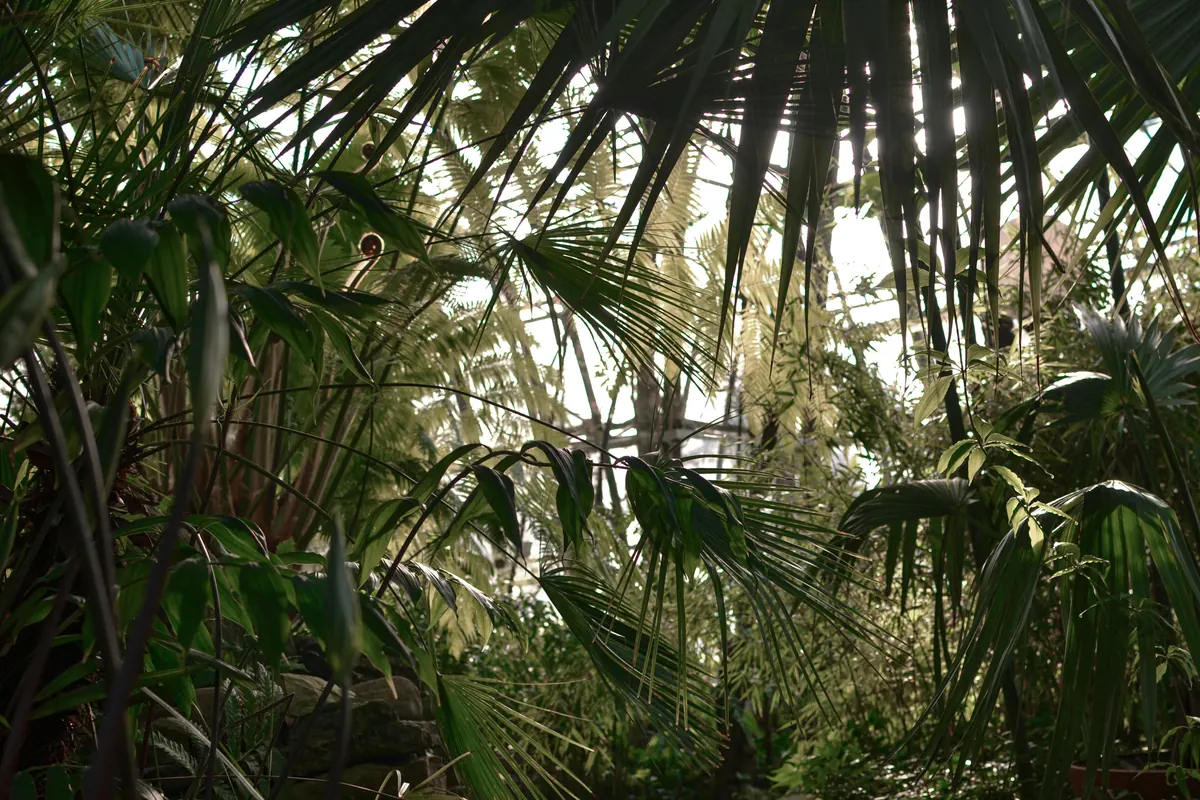
The heart of the experience is the glass-domed flight habitat, and walking in for the first time is genuinely breathtaking. The air is warm and humid (it has to be, for the butterflies), sunlight pours through the glass, and everywhere you look there’s movement: butterflies floating between flowers, landing on the path, sunning on leaves; birds darting overhead; a turtle paddling in the pond; waterfalls cascading among the tropical plants. Winding stone paths and benches invite you to slow down and simply be in the space, watching the delicate chaos unfold around you. It’s immersive in the best way, you’re not looking at nature through glass, you’re walking right through the middle of it.
Hundreds of Butterflies Under One Dome
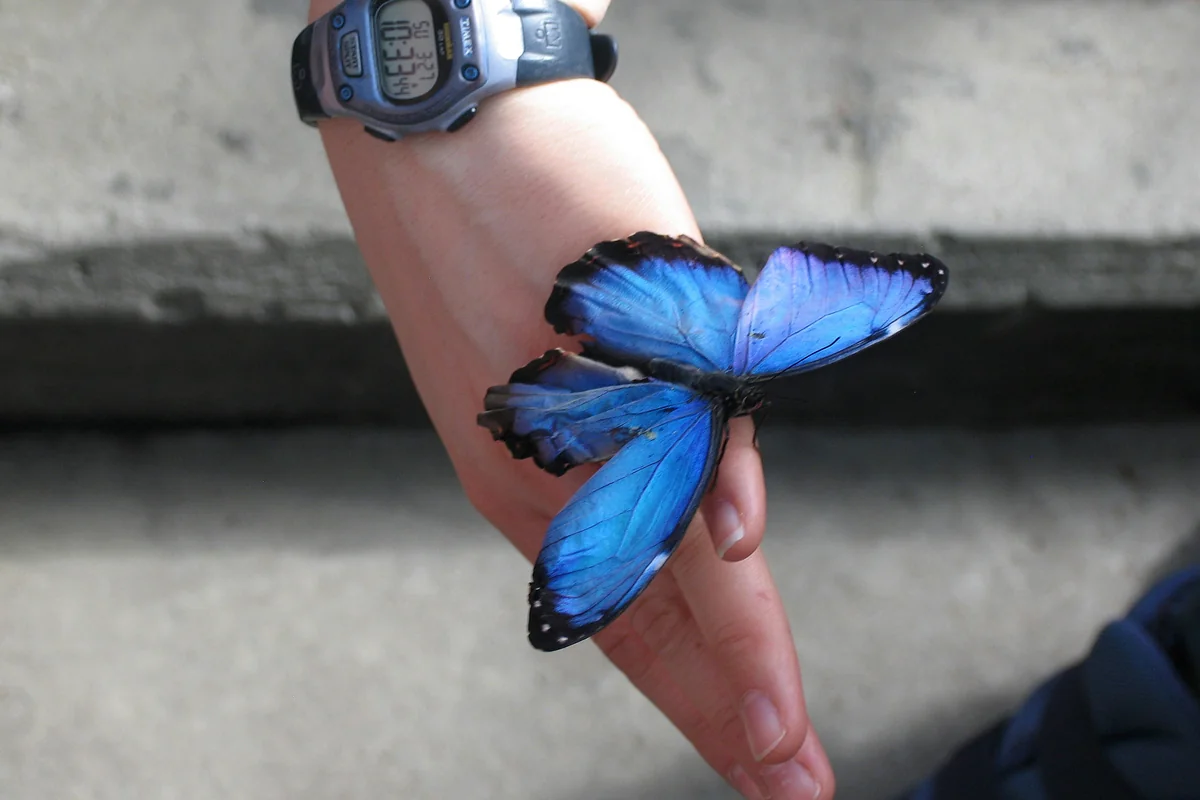
The stars of the show, of course, are the butterflies, and there are a lot of them. The conservatory is home to 50 to 60 different species from around the world, with hundreds of individual butterflies free-flying at any given time (some visitors estimate many thousands). You’ll see dazzling variety: the iridescent blue morpho flashing electric blue, delicate swallowtails, the striking orange-and-black of monarchs, and many more, each species with its own colors, patterns, and behavior. Part of the joy is the unpredictability; a butterfly might drift right past your nose or settle on a nearby flower for a perfect close-up. If you wear bright colors, you may even find one landing on you, mistaking you for a flower.
Meet Rhett and Scarlett: The Famous Flamingos
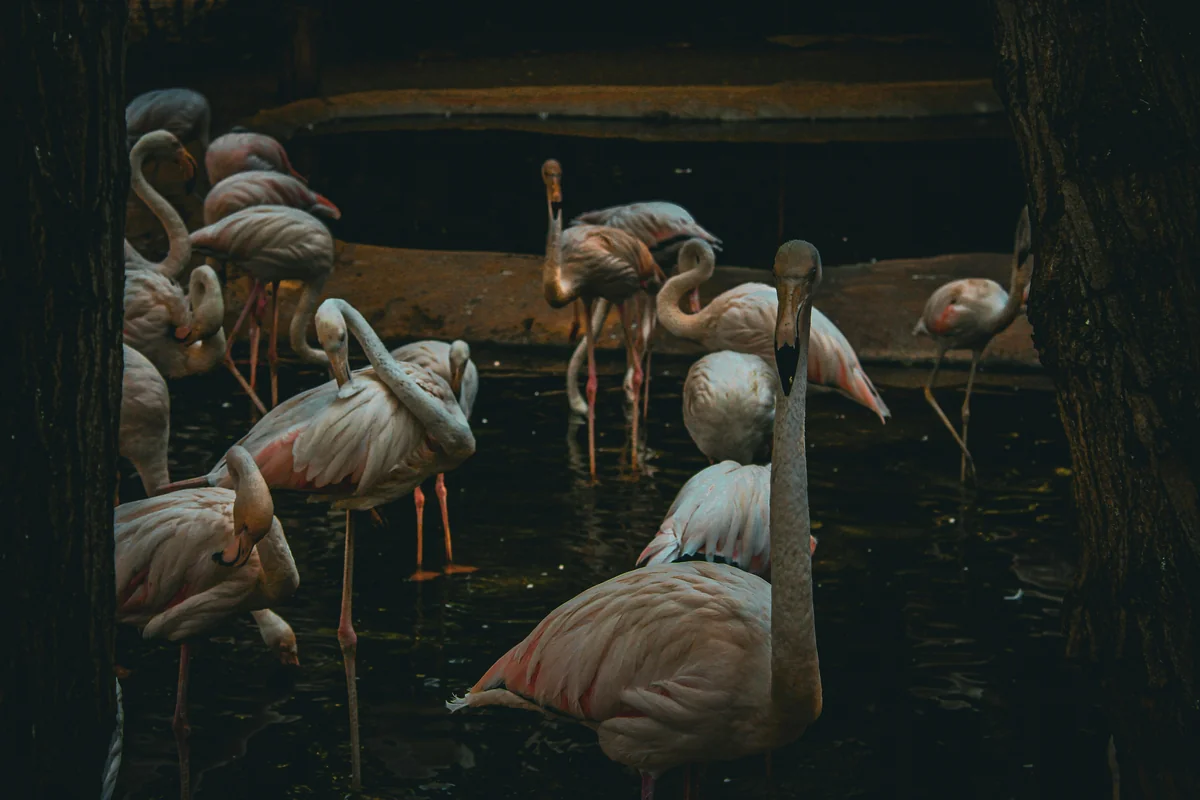
For many visitors, the surprise highlight isn’t the butterflies at all, it’s the flamingos. The conservatory is home to two beloved resident American flamingos named Rhett and Scarlett, a bonded pair whose names nod to their rosy coloration and their obvious affection for each other (a charming Gone with the Wind reference). They wade and preen by the pond, often surprisingly close to the path, and they’re a guaranteed crowd-pleaser, especially for kids. In fact, this is believed to be the only butterfly facility in the United States that also houses flamingos, a delightful and unexpected pairing. Watching these elegant pink birds amid the fluttering butterflies is pure Key West whimsy. (As with any living animals, it’s worth confirming the current residents before your visit.)
Exotic Birds, Turtles, and Tropical Plants
The conservatory is a whole little ecosystem, so the butterflies and flamingos share their home with a supporting cast. Free-flying “butterfly-friendly” birds flit through the dome, including colorful red-factor canaries, zebra and cordon-bleu finches, and tiny button quail scurrying along the ground. You’ll spot turtles in the ponds, cascading waterfalls, and an abundance of tropical flowering plants and trees that keep the butterflies fed and the whole space lush and green. It all adds up to a richer, more layered experience than “just” a butterfly room, there’s always something new to notice, which is part of why it rewards a slow, unhurried visit.
The Learning Center: Film, Caterpillars, and More
Before or after the flight room, don’t skip the Learning Center gallery, which adds a genuinely educational layer (and is a hit with curious kids). Here you’ll find a short film, around 15 minutes, on the butterfly life cycle, a wall-size mural mapping where the world’s butterflies come from, displays on butterfly anatomy and the incredible monarch migration, and live caterpillars munching on host plants, so you can see the metamorphosis story up close. It’s a lovely way to deepen the experience and give the fluttering wonder you just witnessed some scientific context. Families especially appreciate the way it turns a beautiful visit into a learning moment, without ever feeling like a lecture.
The Flamingle: A Private Flamingo Encounter
For flamingo super-fans, the conservatory offers a special bookable experience called the Flamingle, a private, after-hours flamingo encounter. Held after the conservatory closes (typically late afternoon), it seats a very small group, around six guests, in a white gazebo over the pond while Rhett and Scarlett roam freely and interact with you. You can’t touch the birds, but you can talk to them and socialize as they wander right up, a magical, intimate experience you won’t find anywhere else. Spots are extremely limited and it books up, so reserve well in advance, and confirm the current price, timing, and group size when you book.
Tickets, Prices, and Hours
The conservatory is open daily, year-round, from 9 a.m. to 5 p.m. (last admission 4:30 p.m.), with the gift shop open a bit later, hours run shorter on a few holidays. As of 2026, admission is around $17.50 for adults (buying online saves a couple of dollars), with discounts for seniors, military, and local residents (about $14.50), children ages 4 to 12 (about $12.50), and free entry for children 3 and under. A big plus: your paid ticket includes unlimited same-day re-entry until 4:30 p.m., so you can pop back in after lunch or the Southernmost Point. Frequent visitors can buy multi-visit membership passes that work out to roughly $14 a visit. Prices change, so confirm current rates on the official site.
How Long to Spend (and When to Go)
Most visitors spend about 45 minutes to an hour inside, though it’s easy to linger longer on the benches, and your all-day re-entry means you can take your time. As for timing, here’s the insider tip: butterflies are most active on warm, sunny days and around midday, when they have the solar warmth they need to fly, so a bright midday visit means the most fluttering action. That said, mornings tend to be quieter and less crowded, and late afternoons offer calmer, perched butterflies that are easier to photograph. There’s really no bad time, just know that a gray, cool day will mean more resting butterflies and fewer flying ones.
Visiting With Kids: A Magical, Stroller-Friendly Stop
The conservatory is one of the best family attractions in Key West, gentle, safe, magical, and educational all at once. Young children are mesmerized by the butterflies landing nearby, the flamingos, the darting birds, and the turtles, and the calm, enclosed space means parents can relax a little. It’s also a wonderful air-conditioned escape when little ones are overheating or it’s raining. One practical note: strollers are not allowed inside the conservatory itself (they’re welcome in the gift shop and gallery, and free stroller parking is provided at the entrance), so plan to carry babies in a carrier or hold toddlers’ hands inside. Otherwise, it’s smooth sailing, and your re-entry ticket means you can step out for a stroller walk or a snack and come back. Our Key West with toddlers guide has more.
Photography Tips for Butterflies and Flamingos
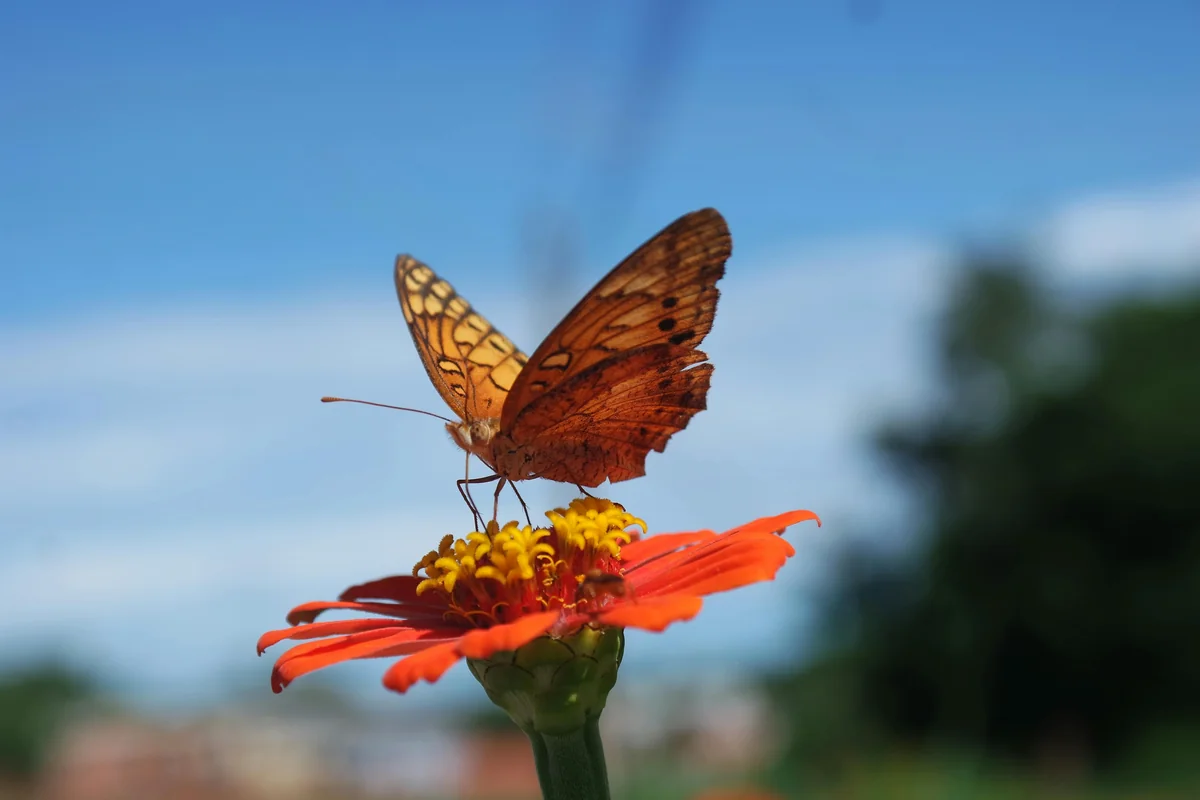
This is one of the most photogenic spots in Key West, so come ready to shoot. A few tips: no flash is allowed (and it would scare the butterflies anyway), so rely on the abundant natural light from the glass dome. For butterflies, patience beats chasing, find a butterfly that’s landed and feeding, then move in slowly for a close-up rather than trying to catch one in flight. Wearing bright colors increases your odds of one landing on you (an instant great photo). Late afternoon, with calmer, perched butterflies, is the easiest time for crisp shots. And don’t forget the flamingos, who hold still far more obligingly than the butterflies. With a little patience, you’ll leave with some of the best photos of your whole trip.
Accessibility, Parking, and Practical Tips
The conservatory is fully enclosed and wheelchair accessible, with smooth paths throughout the dome. For parking, there’s a small free first-come-first-served lot behind the building plus a larger pay lot next door, so arrive early if you want the free spots, or just walk, since it’s an easy stroll from much of Old Town. A few more tips: the dome is warm and humid, so dress light; check the mirrors near the exit on your way out so no butterfly hitchhikes out the door (a fun ritual the staff will remind you about); and remember your ticket is good all day for re-entry. It’s a low-stress, high-reward stop, exactly the kind of calm, beautiful experience that balances out a busy Key West itinerary.
Is the Key West Butterfly Conservatory Worth It?
For the vast majority of visitors, absolutely. It’s consistently rated among the very best attractions in Key West, and for good reason: it’s beautiful, calming, family-friendly, educational, and a welcome climate-controlled refuge from the heat and the Duval crowds. The all-day re-entry adds value, and the experience, walking through a glass dome full of butterflies with flamingos by the pond, is simply unlike anything else on the island. It’s affordable, it’s accessible, and it leaves nearly everyone smiling. Whether you’re traveling with kids, looking for a peaceful moment, or just love the magic of butterflies, this is one Key West stop that delivers. Combine it with the Aquarium and our other family activities for a full, gentle day.
The Gift Shop and Wings of Imagination Gallery
Don’t rush out the door after the flight room, because two more spaces are worth your time. The gift shop is one of the better souvenir stops in Key West, stocked with nature- and butterfly-themed merchandise, books, toys, and keepsakes that make meaningful, non-tacky gifts (they’ll even ship larger items, and there’s an online store). Adjacent is the Wings of Imagination art gallery, featuring the striking butterfly art of local artist Sam Trophia, real butterflies arranged and preserved in airtight clear-acrylic shadow boxes, turning the insects’ natural beauty into genuine works of art. It’s the only on-premises art studio of its kind, with pieces handmade right in Key West, and it adds an unexpected, sophisticated layer to the visit. Even if you’re not buying, the gallery is lovely to walk through and a nice way to round out the experience (and a good spot to cool off a moment longer). Strollers are welcome in both the gift shop and the gallery, so it’s an easy place to regroup after the conservatory. Between the living dome, the educational Learning Center, the flamingos, and the art, the conservatory packs a surprising amount into one small, beautiful building, which is exactly why it earns its place on nearly every Key West must-do list, for families and grown-ups alike.
Frequently Asked Questions
How much is the Key West Butterfly Conservatory?
General admission is about $17.50 for adults, $14.50 for seniors, military, and locals, and $12.50 for children ages 4 to 12, with free entry for children 3 and under. Buying adult tickets online saves a couple of dollars. Prices are subject to change.
How long does it take to visit?
Most visitors spend about 45 minutes to an hour, though your ticket allows unlimited same-day re-entry until 4:30 p.m., so you can linger or come back.
Are Rhett and Scarlett, the flamingos, still there?
Rhett and Scarlett are the conservatory’s beloved resident flamingos and a top reason visitors come. As with any living animals, it’s worth confirming the current residents on the official site before your visit.
Is the Key West Butterfly Conservatory worth it?
Yes for most visitors. It’s consistently rated a top Key West attraction, offers a calm, climate-controlled escape from the heat and Duval crowds, and is widely called magical.
Is it kid-friendly?
Very. It’s been named “Best Place to Take the Kids,” with gentle butterflies, flamingos, and birds that delight young children, plus an educational Learning Center. Note that strollers aren’t allowed inside the conservatory itself.
When are butterflies most active?
On warm, sunny days and around midday, when they have the solar warmth they need to fly. Mornings are quieter for crowds, and afternoons are better for photographing perched butterflies.
Can you bring a stroller?
Strollers are welcome in the gift shop and gallery but not inside the conservatory; free stroller parking is provided at the entrance. Bring a carrier for babies.
Is it wheelchair accessible?
Yes. The facility is fully enclosed and wheelchair accessible, with smooth paths throughout the dome.
Final Thoughts
The Key West Butterfly and Nature Conservatory is a small miracle tucked at the end of Duval Street, a warm, glass-domed world where butterflies drift, flamingos pose, and the bustle of the island falls away. It’s beautiful, it’s gentle, it’s perfect for families and photographers, and it offers a much-needed dose of calm on a busy trip. Spend an unhurried hour inside, wear something bright, check the mirrors on your way out, and let the butterflies work their magic. It’s one of those rare attractions that lives up to every bit of its reputation. For more easy, family-friendly fun, see our Key West with kids guide.
Sources & corrections
Rates, hours and closures verified against operator listings and on-island visits. Prices are peak-season unless noted.