Quick takeaways
- Set expectations: Key West beaches are small, and the sand is imported — people come for the warm, clear water and the vibe, not wide powder shores.
- Fort Zachary Taylor is the best all-around beach, with the clearest water and the island’s best shore snorkeling.
- Smathers is the longest and liveliest; Higgs is the family favorite; Rest Beach is the quiet sunset spot.
- Most beaches are free; Fort Zach charges a small state-park fee ($6 per car) that’s well worth it.
- Bring water shoes — several beaches are rocky — and reef-safe sunscreen to protect the reef offshore.
Here’s the honest truth up front: Key West is not a big-beach destination. The same reef that makes the snorkeling and fishing so good also blocks the wave action that builds wide, sandy shores, so the island’s beaches are small, and most of their sand was trucked in. If you’re picturing the endless powder of the Gulf Coast, adjust your expectations. What Key West beaches do offer is bathtub-warm, startlingly clear water, easy reef access, and that unmistakable end-of-the-road island atmosphere. Know what you’re getting and you’ll love them. Here’s a candid guide to every beach worth your towel, plus the practical details that make a beach day here go smoothly.
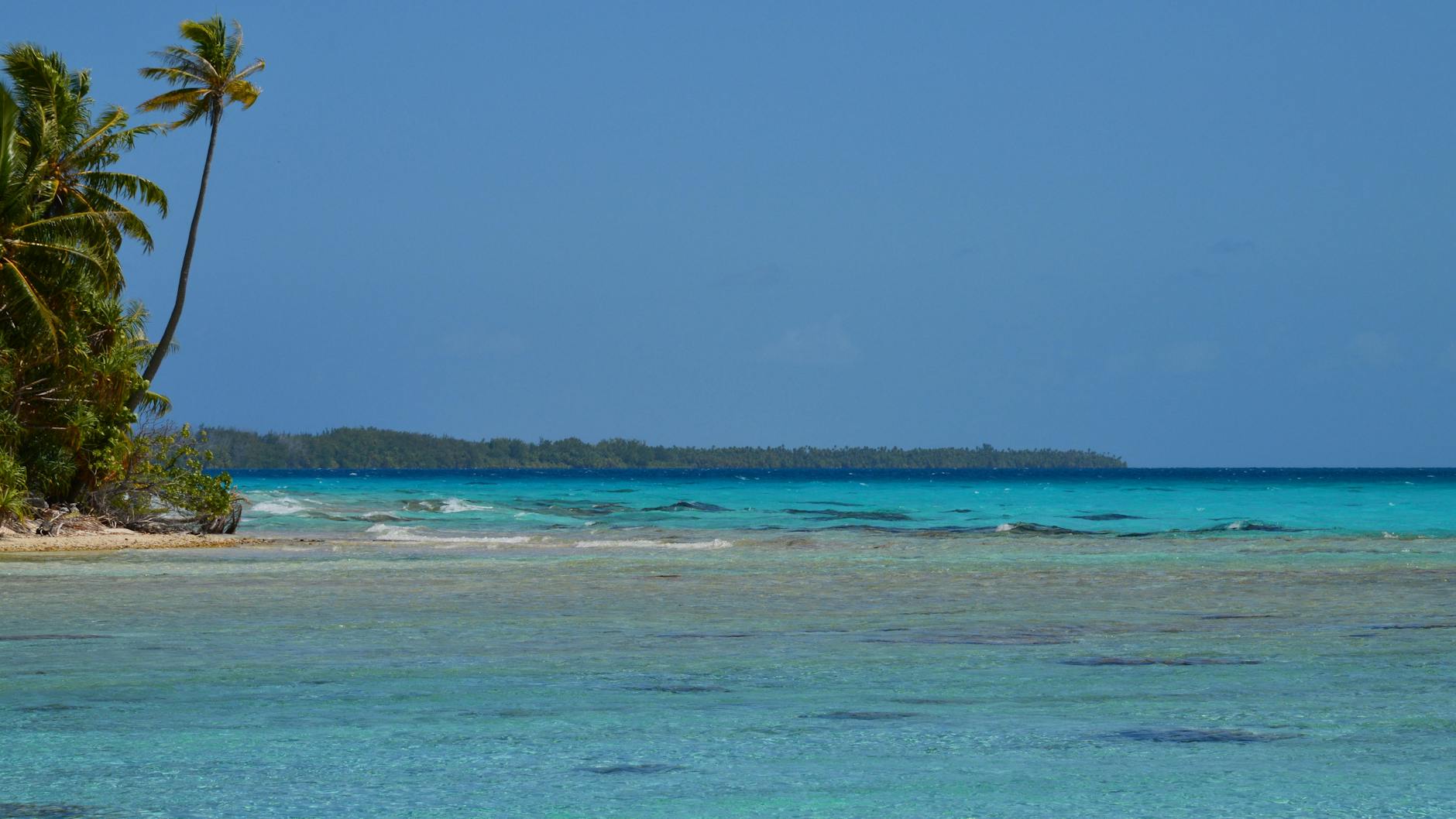
Fort Zachary Taylor: the best beach in Key West
Ask a local for the best beach and the answer is almost always “Fort Zach.” Tucked behind the historic Civil War fort at the western tip of the island, this state-park beach has the clearest water in Key West and, crucially, the best shore snorkeling anywhere on the island — the reef and rocks just offshore draw parrotfish, snapper, and the occasional sea turtle right up to the shallows. The shoreline is rocky rather than sandy (water shoes are a must), but the trade-off is water clarity you won’t find at the sandier beaches. Shaded picnic areas under Australian pines, a concession stand (the Cayo Hueso Café), and gear rentals make it an easy full-day spot. Entry is $6 per vehicle or $2.50 for walkers and cyclists, which also gets you into the fort — history and beach in one stop, as our Fort Zach guide details.
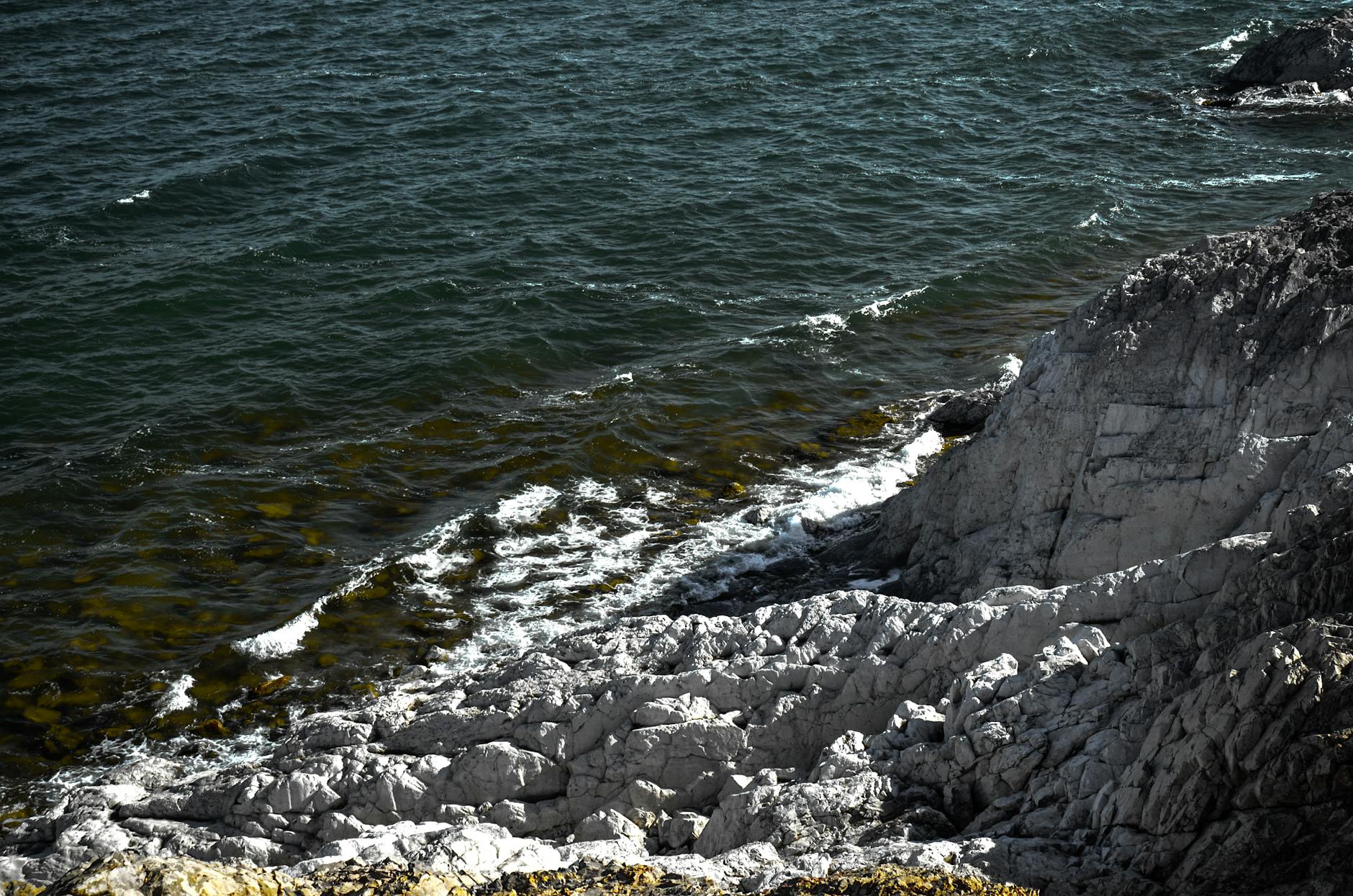
Smathers Beach: the longest and most popular
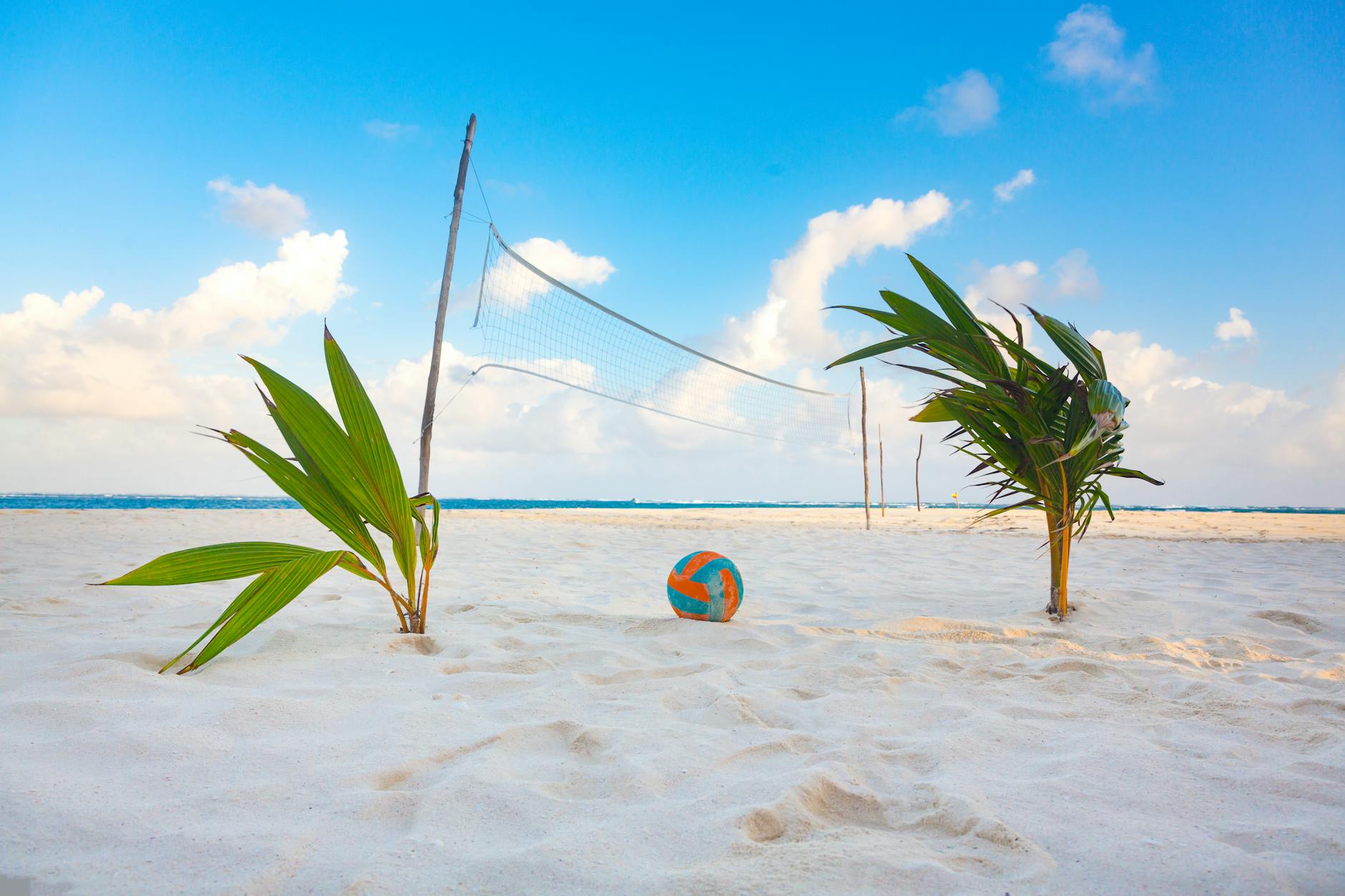
If you want a proper sandy beach with room to spread out, Smathers is your spot. Running about half a mile along South Roosevelt Boulevard, it’s the largest beach in Key West and the hub for sunbathing, swimming, beach volleyball, and people-watching. Vendors rent jet skis, paddleboards, kayaks, chairs, and umbrellas, so you can turn up empty-handed and still have a full day. The water is calm and shallow — good for wading and casual swimming — and the wide sand gives it a more conventional beach feel than anywhere else on the island. The catch is parking, which lines South Roosevelt and fills fast on weekends and in winter, so arrive early. It’s free and open to the public. Our Smathers Beach guide has the full rundown.
Higgs Beach: best for families
Higgs Beach, on Atlantic Boulevard, is the family favorite, and it’s easy to see why: calm, shallow water, a fishing pier, a playground, volleyball courts, picnic areas, and a dog park right next door. The on-site Salute! restaurant does a good beachfront lunch, and the whole setup is geared toward a relaxed day with kids. Higgs also carries real historical weight — the African Cemetery here memorializes nearly 300 people who died after being rescued from illegal slave ships in the 1860s — and on Sunday mornings the Key West Artisan Market brings local crafts and food. It’s the most well-rounded beach for families, as our Higgs Beach guide and family guide both cover.
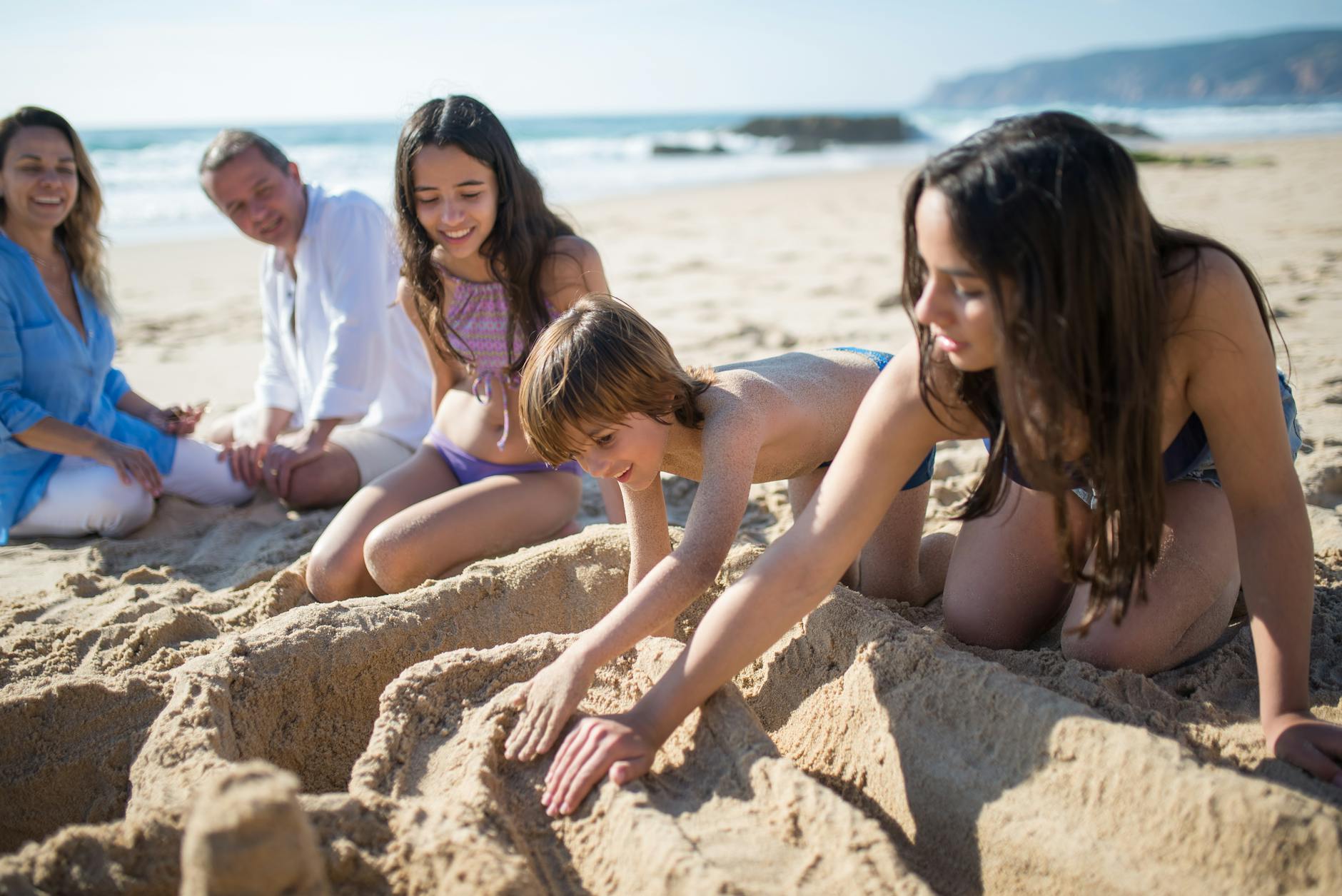
Rest Beach: the quiet sunset spot
Right next to Higgs but a world quieter, C.B. Harvey Rest Beach is the locals’ pick for peace. There are no vendors and no crowds — just a small pier, sea grapes, and calm water — and because it faces west, it’s one of the few beaches where you can watch the sunset directly from the sand. Come here when Smathers feels like too much and you want to read a book in relative solitude. Our Rest Beach guide has the details, including the limited parking situation.
Dog Beach: bring the pup
Key West is a famously dog-friendly town, and Dog Beach — a tiny patch of sand tucked beside Louie’s Backyard restaurant at the end of Vernon Street — is the island’s only off-leash beach where dogs can swim freely. It’s small and rocky, with no facilities, but for traveling dog owners it’s a beloved little spot to let a pup splash around. More in our Dog Beach guide.
The smaller beaches
A few more strips are worth knowing. South Beach, at the very end of Duval Street next to the Southernmost Beach Café, is a small, convenient patch perfect for a quick dip between Old Town wanders. Simonton Street Beach, at the north (Gulf) end of Simonton, is a tiny, calm, locals’ beach that’s great for a sunrise or a quiet swim, though parking is very limited. And Sunset Key Beach is the exclusive one — a genuinely lovely sandy beach on the private island across the harbor, accessible only to guests of the Sunset Key Cottages or diners at Latitudes. Each has its niche, and none draws the crowds of Smathers or Fort Zach.
Shore snorkeling at Key West beaches
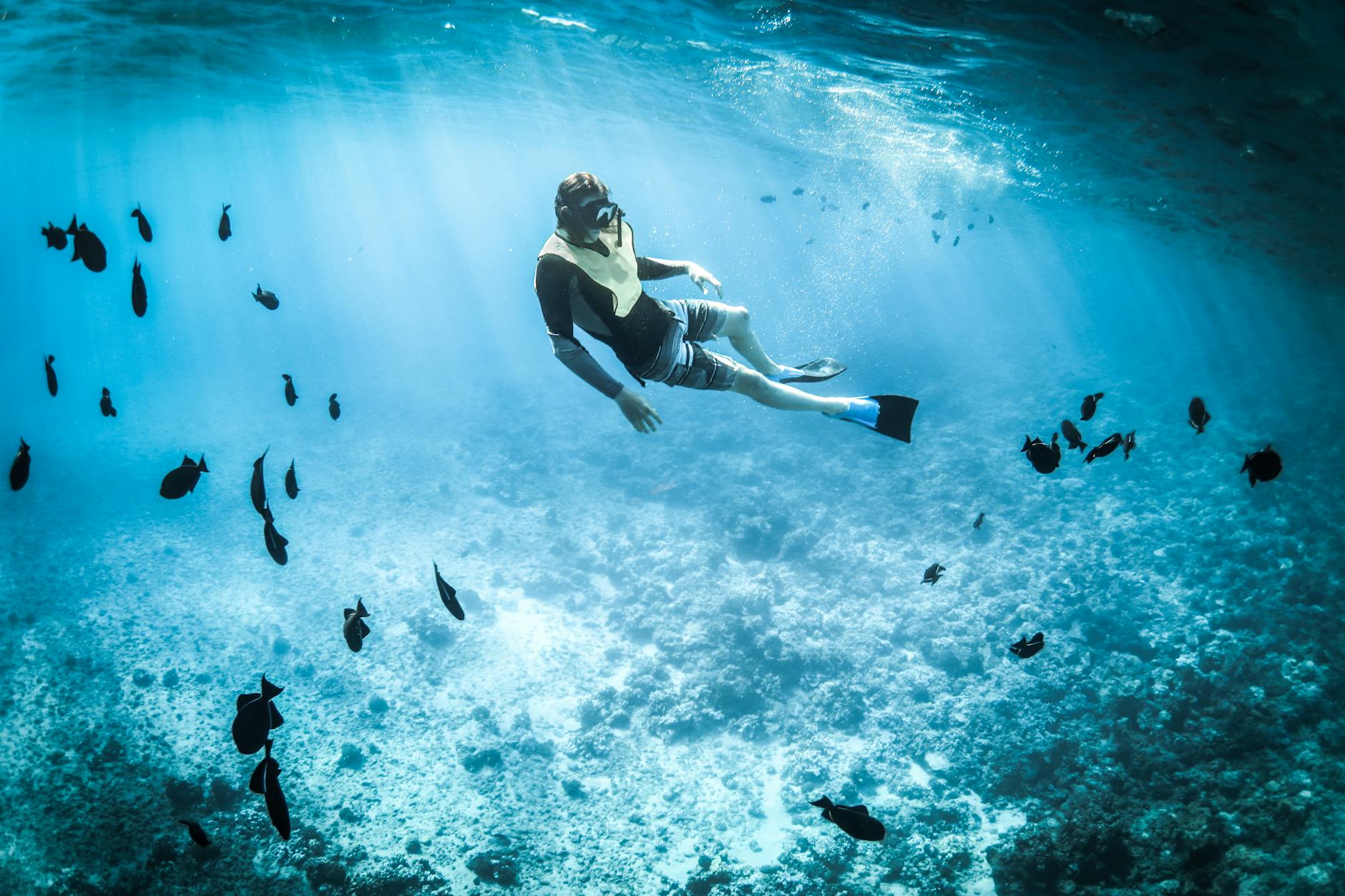
Snorkeling straight off the sand is one of the real perks of Key West beaches, even if the best reef is a boat ride away. Fort Zachary Taylor is far and away the top shore-snorkel spot — the rocks and old pilings hold plenty of fish and the water is clear. Higgs and the other beaches offer more modest snorkeling. For the truly spectacular stuff — the living coral reef with turtles and rays — you’ll want a boat trip, covered in our snorkeling guide and among the many options in our water sports guide. Bring your own mask if you have one; beach rentals are available but variable.
Water sports and beach activities
Beyond swimming and sunbathing, the beaches double as launch points for the island’s water play. Smathers is the main hub, with rentals for jet skis, paddleboards, kayaks, and more right on the sand, and it’s a common jumping-off point for parasailing and watersport tours. Higgs has volleyball and calm water for casual paddling. If getting active on the water is a priority, base a beach day at Smathers and mix in rentals, or plan a dedicated outing through our water sports guide.
Practical beach tips
Parking and getting there
Parking is the main logistical headache. Smathers has metered street parking along South Roosevelt that fills fast; Fort Zach has a park lot included with entry; Higgs and Rest have limited nearby spots. Given how walkable and bikeable the island is, many visitors simply bike or take the Key West Rides shuttle to the beach rather than fighting for a space — an easy call for beaches like Higgs and Rest that are close to Old Town.
What to bring
Pack water shoes (several beaches are rocky, Fort Zach especially), reef-safe sunscreen (required to protect the reef, and the sun here is strong), plenty of water, and your own shade if you want guaranteed cover, since natural shade is limited outside Fort Zach. A mask and snorkel are worth bringing if you have them. Umbrellas and chairs can be rented at Smathers and Fort Zach if you’d rather travel light.
Seasonal considerations
The beaches are enjoyable year-round thanks to warm water, but the season shapes the experience. Winter and spring bring the most comfortable, least humid beach days — and the biggest crowds. Summer is hot and humid with warm water and afternoon storms that usually pass quickly. Watch for occasional sargassum seaweed, which can wash up in the warmer months and pile on the sand; it’s natural and harmless but not pretty, and Fort Zach’s rockier shore tends to be less affected. Time your beach days with our vacation planning guide.
Beaches near Key West: day-trip options
If wide, sandy beaches are a must, the best in the region are a drive up the Keys. Bahia Honda State Park, about 40 minutes north, has the kind of long, natural sand beach Key West lacks and is regularly ranked among Florida’s best. Farther afield, the pristine beaches and unreal water of Dry Tortugas National Park reward the boat trip out. Our guide to the best beaches near Key West covers the day trips worth making, and for where to base yourself near the sand, see our where to stay guide.
Which Key West beach should you choose?
With eight-plus beaches to pick from, the right one depends on your day. Want the best water and snorkeling, and don’t mind rocks and a small fee? Go to Fort Zachary Taylor. Want a wide, sandy, social beach with rentals and volleyball? Smathers. Traveling with kids who need a playground and calm shallows? Higgs. Chasing a quiet afternoon and a sunset from the sand? Rest Beach. Have the dog along? Dog Beach. Just want a quick dip near Old Town between other plans? South Beach or Simonton Street Beach. Because the whole island is only four miles long, you can easily sample two or three in a day if you can’t decide.
Key West beaches at a glance
| Beach | Best for | Sand | Snorkeling | Fee |
|---|---|---|---|---|
| Fort Zachary Taylor | Overall + snorkeling | Rocky | Best on island | $6/car |
| Smathers | Sunbathing, watersports | Wide, sandy | Limited | Free |
| Higgs | Families | Sandy | Modest | Free |
| Rest Beach | Quiet, sunsets | Sandy | Minimal | Free |
| Dog Beach | Dogs | Rocky, tiny | No | Free |
| South / Simonton | Quick dip near Old Town | Small, sandy | Minimal | Free |

Beach safety and what to know
Key West beaches are calm and swimmer-friendly, but a few things are worth keeping in mind. The strong sun is the biggest hazard — you’re at the same latitude as the tropics, and it burns faster than people expect, so reapply sunscreen and take shade breaks. At Fort Zachary Taylor, be aware that a shipping channel runs nearby, so strong currents can develop past the swimming area; stay in close and keep an eye on kids. In the warmer months you may encounter drifting jellyfish or “sea lice” (tiny larvae that can cause an itchy rash), though serious stings are uncommon. And as noted, sargassum seaweed can wash ashore seasonally — harmless, if unsightly. None of this should put you off; it’s just the normal common sense of a warm-water beach. Lifeguards are not present at most Key West beaches, so swim within your ability.
Put it all together and the island’s beaches make more sense: they were never going to be the main event on a place ringed by protective reef, but as warm, clear, laid-back spots to cool off between the snorkeling, the history, and the sunset rituals, they’re exactly right. Pick the one that fits your day, pack water shoes and reef-safe sunscreen, and you’ll come away understanding why Key West’s little beaches have such a devoted following. Round out the trip with our things to do guide.
Why Key West’s beaches look the way they do
It’s worth understanding the geology, because it explains everything about the island’s beaches. Key West sits on coral rock, and just offshore lies the Florida Reef — the third-largest barrier reef in the world. That reef is wonderful for snorkelers and divers, but it acts as a breakwater, absorbing the wave energy that would otherwise pile up sand into broad natural beaches. The result is that Key West never developed the wide shores you find on Florida’s Gulf Coast, where no such reef stands guard. What sand the island does have on its most popular beaches was largely brought in and rebuilt over the decades; Smathers Beach, for example, was substantially created and widened with imported sand in the mid-20th century to give the growing town a proper stretch to lie on. None of this makes the beaches any less pleasant — the water is still warm and clear and the palms still sway — but it’s the reason a first-time visitor expecting Clearwater or Destin should recalibrate. Key West’s beaches are intimate island pockets, not grand sandy expanses, and once you embrace that, they’re a genuine delight. They’re best thought of as a relaxing counterpoint to the island’s real headline acts: the reef, the history, and the nightly sunset.
Frequently asked questions
Are Key West beaches free to visit?
Most are, including Smathers, Higgs, Rest, and South Beach. Fort Zachary Taylor charges a state-park entry fee of $6 per vehicle or $2.50 per walker or cyclist, which also includes the historic fort.
Do I need water shoes for Key West beaches?
For Fort Zachary Taylor and Dog Beach, yes — both are rocky. Smathers and Higgs are sandier and don’t require them, but water shoes are handy anywhere you plan to snorkel over rocks.
What is the best beach in Key West for snorkeling?
Fort Zachary Taylor, hands down. Its clear water and the rocks and pilings just offshore make it the best shore snorkeling on the island. For the coral reef itself, take a boat snorkeling trip.
Which Key West beach is best for families with kids?
Higgs Beach — calm, shallow water plus a playground, a pier, picnic areas, a beachfront restaurant, and a dog park nearby. Smathers is a good second choice for its wide sand and gentle water.
Can I bring my dog to Key West beaches?
Dog Beach, beside Louie’s Backyard, is the only beach where dogs can go off-leash and swim. Most other beaches don’t allow dogs on the sand, so check the rules before you go.
What is the best time of year to visit Key West beaches?
Winter and spring offer the most comfortable weather and calm, clear water, though also the biggest crowds. Summer has the warmest water but is hot and humid with afternoon storms and occasional seaweed.
Is the sand at Key West beaches natural?
Mostly no. Because the offshore reef blocks the wave action that builds beaches, much of the sand at Key West’s beaches was imported. It’s part of why the beaches are smaller than those elsewhere in Florida.
How do Key West beaches compare to other Florida beaches?
They’re smaller and often rockier, with imported sand — not the wide, powdery shores of the Gulf Coast or the Panhandle. What they offer instead is warm, exceptionally clear water, easy reef access, and unbeatable island atmosphere.
Leave a Reply