Sheet 15 · Water Sports
Key West Snorkeling: Best Reefs, Tours & Tips (2026 Guide)
Plan your Key West snorkeling trip with this 2026 guide: best reef sites, top tour operators, what to bring, marine life, and reef etiquette.
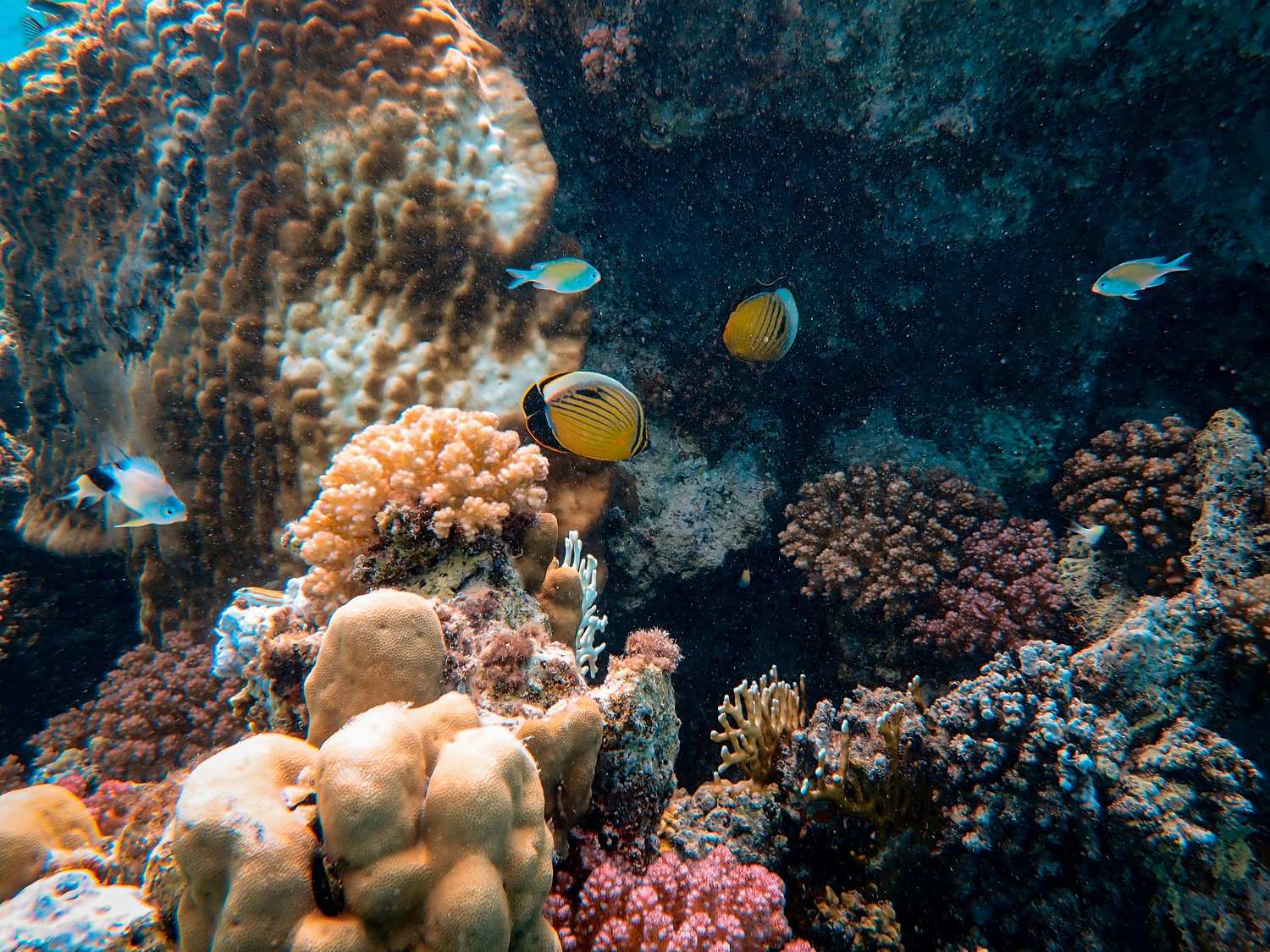
Key West snorkeling is the headline aquatic experience on the island. The Florida Keys protect the only living coral barrier reef in the continental United States — a 350-mile underwater landscape starting six miles offshore — and Key West sits at its tropical southern end. Within a 30-minute boat ride of Old Town, snorkelers can swim over staghorn coral gardens at Sand Key, drift through the canyons of Eastern Dry Rocks, hover over the giant brain corals of Western Sambo, or look down on the deck of the USNS Vandenberg shipwreck 70 feet below. This guide is the complete 2026 playbook — every named reef site, every legitimate outfitter with current pricing, what to bring, the best months for visibility, the marine life you will actually see, and the difference between the various boat platforms and tour styles. Written by Key West locals who have done these reef trips dozens of times each. Snorkeling is the gateway, but it is one line on a much longer menu of Key West water sports built around the same reef.
You will find detailed coverage of Sand Key, Western Sambo, Eastern Dry Rocks, Rock Key, the Vandenberg wreck, and Western Dry Rocks. Reviews of Fury Water Adventures, Sebago, Sunset Watersports, Danger Charters, Honest Eco, Snorkel Key West, and Captain Hook’s. The honest answer to “can I snorkel from shore in Key West?” (yes — Fort Zachary Taylor — but it’s marginal compared to a boat trip). And the seasonal visibility chart competing guides routinely skip.
Key Takeaways
- Best reef sites: Sand Key (best for beginners), Eastern Dry Rocks (canyons), Western Sambo (last living elkhorn coral), Rock Key, Vandenberg wreck (advanced).
- Best outfitters: Fury Water Adventures (largest, party vibe), Sebago (quality, includes drinks), Honest Eco (small-group eco-focus), Danger Charters (sailing schooner, premium).
- Pricing: $50-$95 for half-day group trips; $110-$150 for premium small-group tours.
- Best months: June-September for warmest water and best visibility (50-100 ft); winter visibility drops after cold fronts.
- Most-seen marine life: parrotfish, yellowtail snapper, sergeant majors, blue tangs, queen angels, southern stingrays, occasional nurse shark, hawksbill turtles.
- Shore snorkeling: Fort Zachary Taylor is the only viable shore option ($7 vehicle entry, water shoes mandatory).
- Reef etiquette: never touch coral (felony fines apply), no gloves, no sunscreen with oxybenzone or octinoxate.
Why Snorkel in Key West?
Two reasons make Key West a top-tier snorkeling destination in the United States. First, the reef itself: the Florida Keys reef is the only living coral barrier reef in the continental US, the third-largest barrier reef system in the world (after Australia and Belize). Second, the warm, clear, generally calm water: the Gulf Stream pushes 78-86°F water across the reef year-round, and the shallow reef structure (10-40 feet for most snorkel sites) lets you see everything from the surface.
The Florida Keys National Marine Sanctuary protects 3,800 square miles of reef — strict no-take zones, no-anchor mooring buoys, fishing restrictions. The result is a reef ecosystem that, despite real climate stress, still hosts hundreds of fish species, multiple sea turtle populations, and the last surviving elkhorn coral stands in the lower keys.
Best Snorkeling Sites Near Key West
Sand Key Reef
Distance from Key West: 7 miles southwest. Depth: 5-40 feet. Best for: Beginners and families.
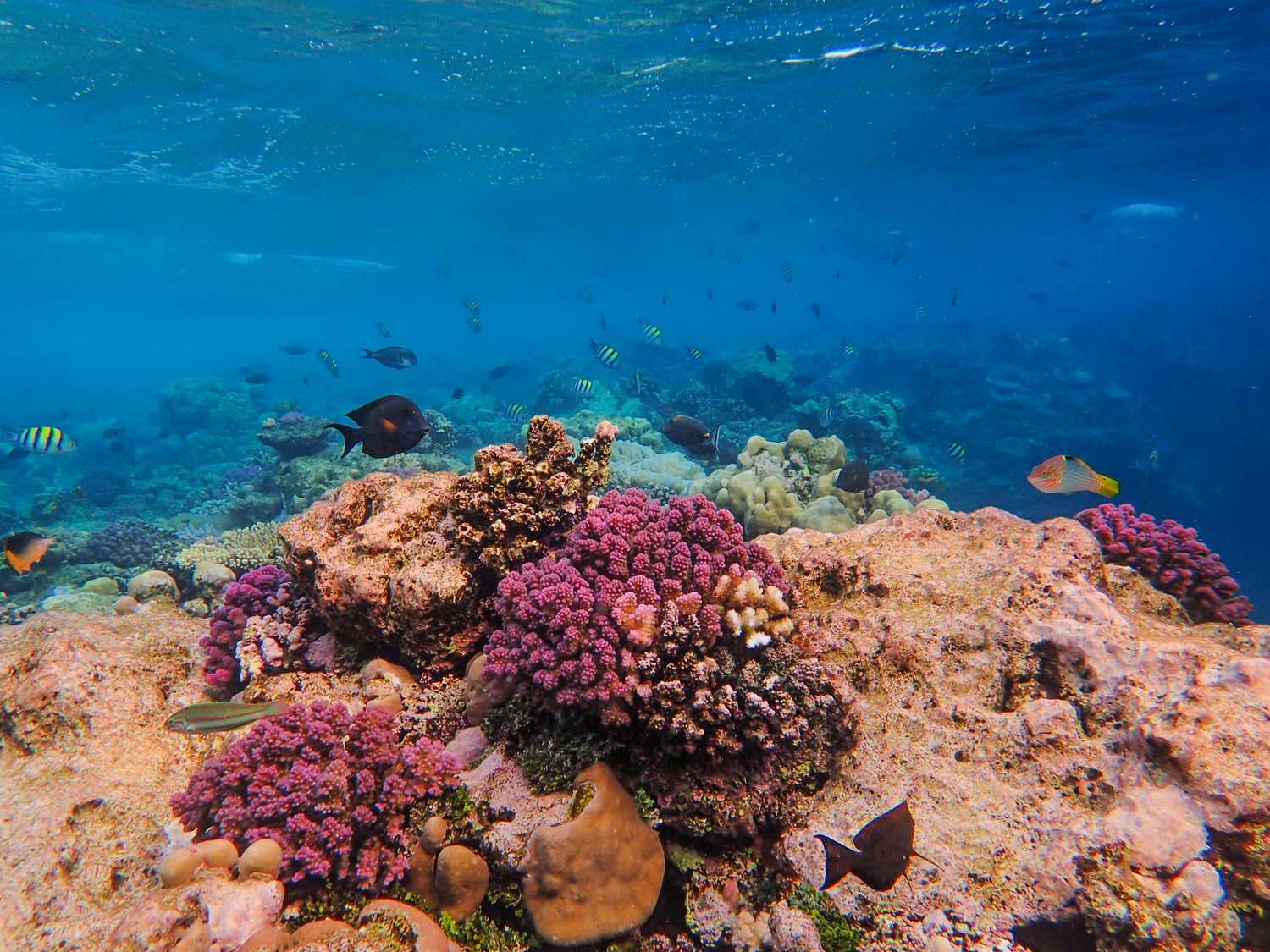
Sand Key is the most-visited reef site near Key West and the easiest for first-timers. The 1853 Sand Key Lighthouse sits on the reef as a landmark visible from the boat. The shallow sand patches between coral heads make for easy treading water. Marine life: parrotfish, yellowtail snapper, sergeant majors, brain coral, sea fans. Designated Sanctuary Preservation Area — strict no-touch, no-take rules.
Eastern Dry Rocks
Distance: 7 miles south. Depth: 8-30 feet. Best for: Intermediate snorkelers, photography.
The “fingers and canyons” topography is what makes Eastern Dry Rocks distinctive — narrow coral channels you can swim through with parrotfish and snapper passing on either side. Lobster, large coral heads, the occasional reef shark in deeper sections. Less crowded than Sand Key.
Rock Key
Distance: 7 miles south. Depth: 10-25 feet. Best for: Beginners.
Located between Sand Key and Eastern Dry Rocks. Shallower than its neighbors, smaller in footprint. Good visibility on calm days. Often used as a backup site when Sand Key is crowded or when conditions favor sheltered water.
Western Sambo Ecological Reserve
Distance: 8 miles southeast. Depth: 24-40 feet. Best for: Intermediate snorkelers, conservation-focused trips.
One of the most ecologically protected reefs in the keys — 12 square miles of full no-take Ecological Reserve. The last surviving stand of elkhorn coral in the lower keys lives here. Dense fish populations because of the no-fishing rules. Generally less crowded than Sand Key. Excellent for photographers.
USNS Vandenberg Shipwreck
Distance: 7 miles south. Depth: 70-140 feet. Best for: Advanced divers (snorkelers can see only the deck shadow on calm days).
A 522-foot former military missile-tracking ship scuttled May 27, 2009 to create an artificial reef. The Vandenberg sits upright on the seabed, with the deck about 70 feet below the surface. From the surface on calm days, snorkelers can see the dark mass of the ship and the swirling fish around the upper structure — but the actual exploration requires scuba gear. Several outfitters offer combo snorkel/dive trips here.
Western Dry Rocks
Distance: 12 miles southwest. Depth: 15-50 feet.
Larger and deeper than Eastern Dry Rocks, with more dramatic topography. Less commonly visited because of the longer boat ride. Can have strong currents. Best for experienced snorkelers and sometimes divers.
Backcountry Sites
Cottrell Key, Snipe Point, the Marquesas Keys — shallower (3-15 feet), backcountry locations away from the main offshore reef. Patch reefs, seagrass beds, mangrove environments. Generally calmer water for nervous snorkelers. Honest Eco and a few small operators specialize in backcountry trips.
Best Key West Snorkeling Tour Operators
Fury Water Adventures
The largest and most-booked snorkel operator in Key West. Catamarans (the Fury Cat is a 65-foot custom-built reef boat with double slides), 3-hour Reef & Ritas trip from $59-89, “Ultimate Adventure” combo (snorkel + jet ski + parasail) $129-149. High volume — 60-150 passengers per boat — but good for budget travelers and families. Free unlimited margaritas and beer after snorkeling.
Sebago Watersports
The slightly more upscale alternative to Fury. Catamarans, 4-hour reef snorkel sail $69-95 with included drinks (beer, wine, margaritas after snorkeling, plus light snacks). Smaller boats than Fury, more sailing-focused. Good middle ground between budget and premium.
Sunset Watersports
Departs from Smathers Beach (most others leave from the Historic Seaport). Rise & Reef morning snorkel $49-65, “Do It All” full-day combo $174 (snorkel + parasail + jet ski + banana boat + paddleboard). Good for travelers wanting a single-day combination of activities.
Danger Charters
Wooden schooner, smaller groups (max 26 passengers), 6-hour Wind & Wine tour $145. Stops at one or two reef sites with longer in-water time, includes wine and snacks. Best for adults wanting a slower, more atmospheric experience.
Honest Eco
The eco-focused operator. Smaller boats (the Squid is a Tesla-powered electric catamaran), naturalist-led, ~$110, smaller groups. Snorkel trips combined with marine education. Best for travelers who want to understand what they are seeing.
Snorkel Key West and Captain Hook’s Dive Key West
Faster dedicated dive boats, 3-4 hour trips $50-75, less party atmosphere. Best for snorkelers who want to maximize in-water time without the catamaran social scene.
Lost Reef Adventures
Strong on Vandenberg combo trips and intermediate-to-advanced reef sites. Smaller scale.
What’s Included in a Key West Snorkel Tour
Standard inclusions: mask, snorkel, fins, flotation vest or noodle, basic instruction, transportation to and from reef sites, USCG safety equipment.
Often included: drinks (varies — Fury and Sebago include free margaritas/beer/wine after snorkeling), light snacks, fresh-water rinse on return.
Not typically included: reef-safe sunscreen (bring your own), GoPro/underwater camera (rental available on some boats), wetsuits (rentable on some boats in winter, $10-15), parking (Old Town garages run $25-40/day).
What to Bring Snorkeling in Key West
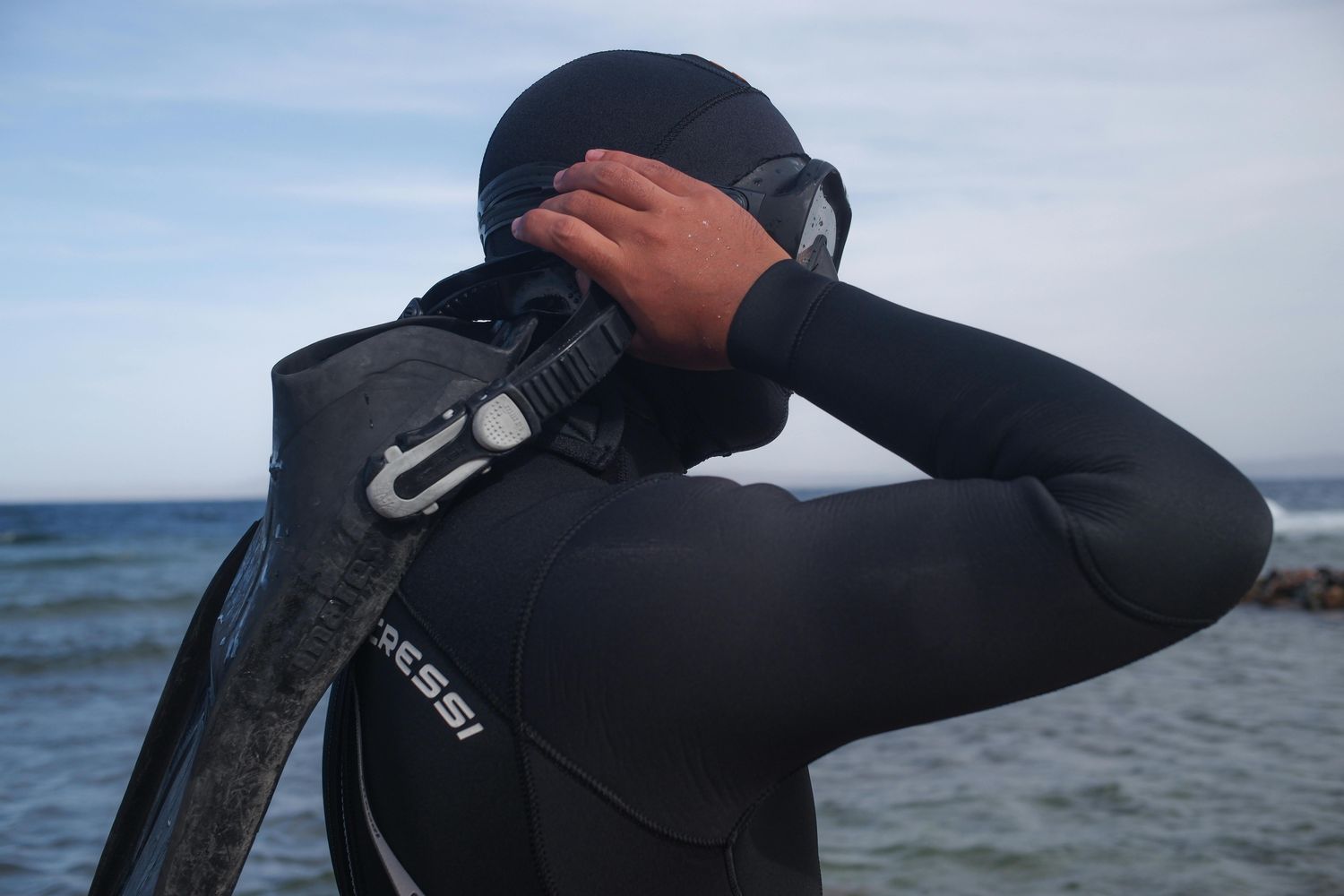
Reef-safe sunscreen. Mineral-based (zinc oxide or titanium dioxide), oxybenzone- and octinoxate-free. Reef-safe is required by Florida Keys law and broadly enforced.
Swimsuit and towel. Wear the swimsuit; bring a quick-dry towel.
Light rash guard or UPF shirt. Saves your back and shoulders from the worst sun while you are face-down.
Waterproof phone case or GoPro. The fish sightings are the photos.
Motion sickness medication (Dramamine). Take 30-60 minutes before departure. The reef boats run smooth on calm days but can pitch in summer chop. Take it preventively rather than reactively.
Polarized sunglasses, hat, water bottle. Standard sun gear.
Cash for tip. 15-20% of tour cost for the crew is standard.
Cash for parking if you drive to the Historic Seaport. Public lots $25-40/day; metered street parking $4/hour.
Snorkel gear from home (optional) — own gear fits better than rental. Required for trips that don’t include rentals.
Marine Life You Will See
Common Key West reef species, listed roughly by frequency of sightings.
Parrotfish — rainbow, stoplight, queen, midnight. Bright blue and green. The most-photographed reef fish.
Yellowtail snapper — small, silver-gold, in schools.
Sergeant majors — black-and-yellow striped, very common.
Blue tang — solid blue surgeonfish, in small schools.
Queen angelfish, French angelfish — large, regal, vivid colors.
Trumpetfish, hogfish, grunts, porgies — supporting cast.
Tarpon — large silver fish, sometimes over 6 feet, pass through Sand Key in summer.
Nurse sharks — bottom-dwellers, docile, occasionally seen resting under coral ledges.
Southern stingrays — gliding over sand patches.
Eagle rays — larger, with black spots, less common.
Barracuda — solitary, motionless, generally harmless.
Green moray eels — peeking out of coral crevices.
Hawksbill and loggerhead sea turtles — best encounters May through August.
Spiny lobster — under coral ledges.
Caribbean reef sharks — occasional in deeper areas.
Sea Turtle Encounters
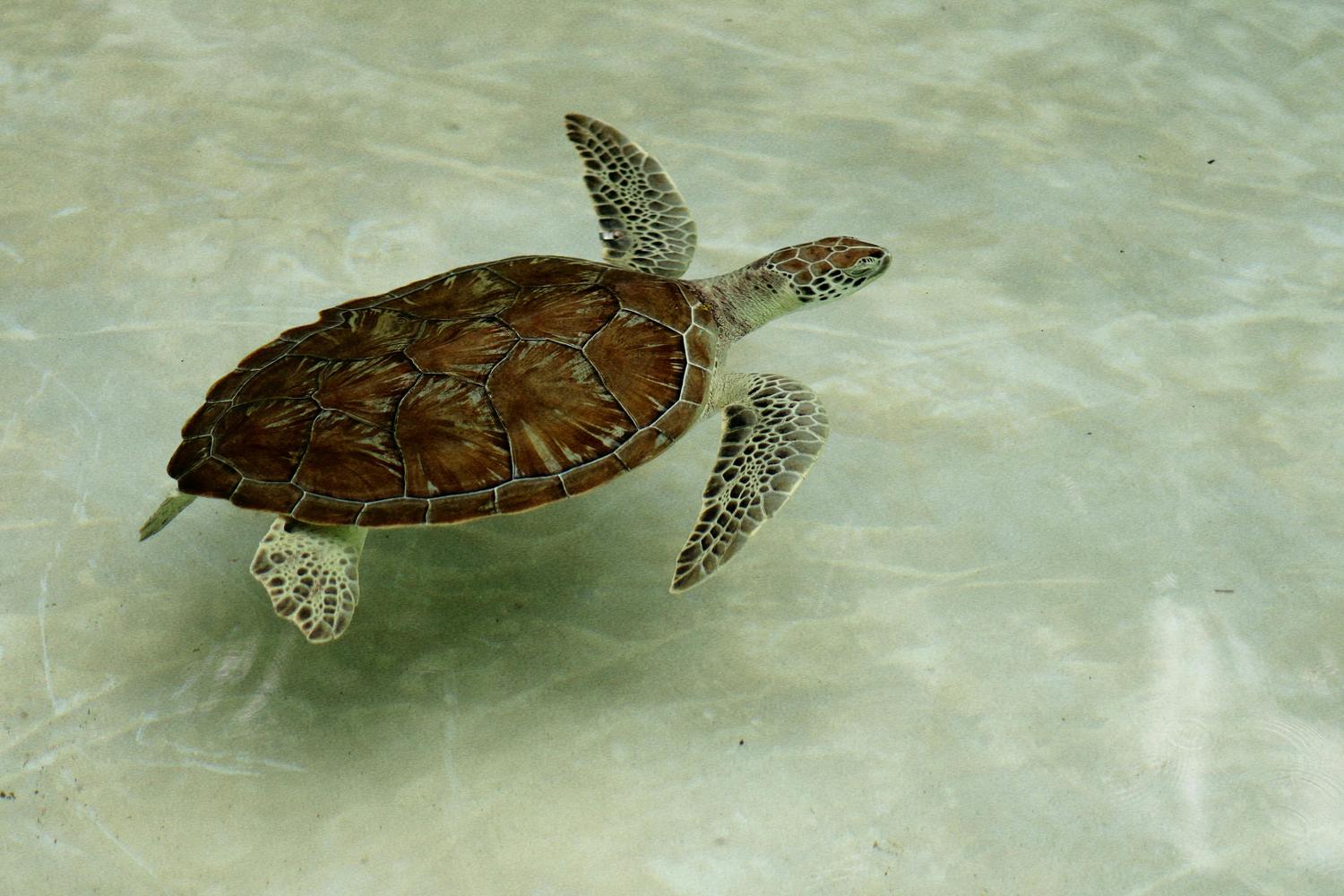
Key West reef snorkelers regularly see hawksbill and loggerhead sea turtles, and occasionally green sea turtles. The best months for turtle encounters are May through August during nesting season. Captains generally know the turtle hangouts at each reef site. Federal law requires snorkelers to maintain at least a body length of distance — never touch, ride, or chase a turtle. The fine for harassment runs into the thousands.
Best Time to Snorkel in Key West
By month:
December-February: Cool air (60s-70s), water 70-74°F, occasional cold fronts that drop visibility for 1-3 days. Wear a wetsuit or rash guard for warmth. Fewest tourist crowds.
March-April: Warming up, water 74-78°F, shoulder-season pricing on tours, decent visibility. Spring break crowds mid-March.
May: Sweet spot — water warming to 80°F, calm seas, less crowded than peak winter.
June-August: Peak water temperatures (84-86°F), best turtle encounters, longest visibility (50-100 ft on calm days), summer afternoon thunderstorms.
September-November: Hurricane season risk; when calm, excellent water clarity and warm temps. Lowest tour prices in September.
By time of day: Morning trips (8 a.m. departures) usually have the calmest water and best visibility. Afternoon trips can have more chop and occasional thunderstorm cancellations in summer.
Reef Etiquette and Conservation Rules
The Florida Keys National Marine Sanctuary takes reef protection seriously. Violations carry significant fines.
Never touch coral. Even a brushed fin against coral causes damage that takes years to recover. Federal felony fines apply for egregious damage.
No gloves. Gloves encourage touching coral.
No taking shells, coral, or live animals.
Reef-safe sunscreen only. Oxybenzone and octinoxate are toxic to coral.
Don’t anchor on coral. Use the marked mooring balls (operators handle this).
Don’t feed fish. Disrupts ecosystem.
Lionfish exception. Invasive lionfish can be removed (with proper permits) — most snorkel trips don’t involve hunting; this is mostly relevant for divers.
Maintain distance from sea turtles. Federal law requires keeping at least one body length of separation.
Can You Snorkel from Shore in Key West?
Honest answer: Fort Zachary Taylor State Park is the only viable shore snorkel in Key West, and it is marginal compared to a boat trip.
Fort Zach details: $7 vehicle entry. Rocky shoreline — water shoes are mandatory. Visibility is variable (5-30 feet depending on conditions). You will see fish (sergeant majors, snapper, occasional barracuda) but the corals are sparse and small. Best on calm days with no recent storms.
Higgs Beach has limited fish snorkeling along its rocky western edge but is generally not worth the effort. Smathers Beach has minimal underwater interest beyond seagrass.
If you only have one snorkel opportunity in Key West, do a boat trip to the actual reef. The 6-mile boat ride is the only way to access the real Key West snorkeling.
Snorkeling for Beginners and Non-Swimmers
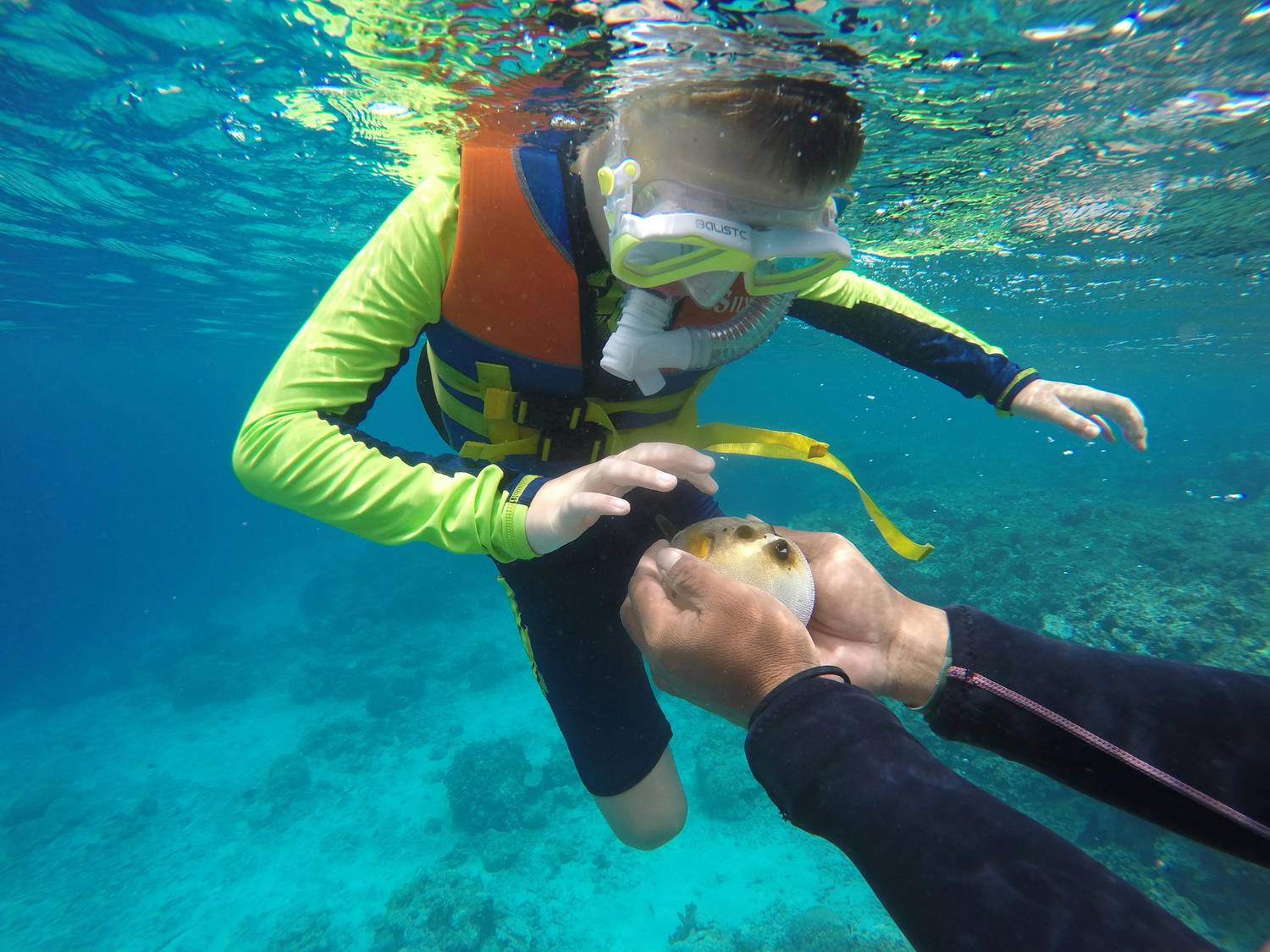
Most reef tours welcome non-swimmers and beginners. Flotation vests are standard equipment, foam noodles are available, and crews provide on-water instruction. The reef sites are typically 8-25 feet deep, and you can simply float on the surface watching the action below. Children 6 and up are welcome on most tours; younger children are welcome at the captain’s discretion (and usually with a parent in the water).
For travelers who don’t want to get in the water at all, glass-bottom boat tours (Fury Glass Bottom Boat is the standard) deliver the same fish sightings without swimming.
Snorkeling vs. Scuba in Key West
Snorkeling reaches the upper portion of the reef (5-30 feet effectively). Scuba diving extends access to deeper sites (40-70 feet at most reef sites, 70-140 feet at the Vandenberg). For first-timers, snorkeling captures 80% of the reef experience at a fraction of the cost and effort. For divers, the Vandenberg, the deeper reef sites at Western Sambo, and the wreck of the Aaron’s Beard are worth the certification.
Discover scuba (no certification required) is offered by several Key West operators. Plan on $250-350 for a Discover trip.
Frequently Asked Questions
Is snorkeling good in Key West?
Yes — Key West has the only living coral barrier reef in the continental United States. Boat-based reef snorkeling is consistently rated among the top snorkel experiences in North America.
What is the best month for snorkeling in Key West?
June through September for warmest water (84-86°F) and best visibility. May and November offer good conditions with smaller crowds. December-February has cooler water and occasional cold-front visibility drops.
Can you snorkel from the beach in Key West?
Limited shore snorkeling exists at Fort Zachary Taylor State Park ($7 vehicle entry, water shoes mandatory). The actual reef is 6 miles offshore — a boat trip is the only way to experience real Key West snorkeling.
How much does snorkeling cost in Key West?
Group tours from $50-95 (Fury, Sebago, Sunset Watersports). Premium small-group tours $110-150 (Honest Eco, Danger Charters). Includes gear, drinks vary by operator. Tip the crew 15-20%.
Are there sharks in Key West snorkeling waters?
Yes, but rarely the species that worry people. Common sightings: nurse sharks (docile bottom dwellers), occasional small reef sharks. Rare: bull sharks, hammerheads. There has never been a documented snorkel-related shark attack on a Key West reef tour.
What do you wear snorkeling in Key West?
Swimsuit, optional light rash guard or UPF shirt for sun protection, reef-safe sunscreen on exposed skin. Wetsuits are unnecessary May through October; consider a 3mm shorty wetsuit December through February if you run cold.
What is the best snorkel tour operator in Key West?
Depends on what you want. Largest and most-booked: Fury Water Adventures. Best balance of quality and price: Sebago. Smallest groups and most premium: Honest Eco or Danger Charters. Best from Smathers Beach: Sunset Watersports.
Can you see sea turtles snorkeling in Key West?
Yes. Hawksbill and loggerhead sea turtles are commonly seen on Key West reef trips, especially May through August during nesting season. Federal law requires snorkelers to maintain a body-length distance and never touch.
Can you snorkel the Vandenberg shipwreck?
Snorkelers can see the dark mass of the Vandenberg’s deck from the surface on calm days, but the actual exploration requires scuba (the deck sits 70+ feet below the surface). Some outfitters offer combined snorkel/dive trips.
What is the best reef in Key West for beginners?
Sand Key Reef. Shallow sand patches between coral heads, calm water on most days, the lighthouse as a visual anchor. Most beginner-friendly tour operators take groups here.
Do snorkel tours have age restrictions?
Most operators welcome children ages 6 and up. Some accept younger kids with a parent and at the captain’s discretion. There is generally no upper age limit if the snorkeler is comfortable in the water.
What if I’m not a strong swimmer?
Flotation vests are standard equipment on all Key West reef trips. Foam noodles and additional flotation are available. Crews give instruction. Many non-swimmers enjoy reef trips by simply floating on the surface in a vest.
Final Thoughts
Key West snorkeling is one of the few aquatic experiences in the United States that genuinely competes with the Caribbean. The reef is closer to shore than most travelers expect (just 6-7 miles), the water is warm year-round, and the fish populations remain dense thanks to decades of marine sanctuary protection. Pick a tour operator that matches your style — Fury for budget and party energy, Sebago for balance, Honest Eco for small-group eco-focus, Danger Charters for premium sailing — and book a morning departure for calmest water. Bring reef-safe sunscreen, take Dramamine before boarding, tip the crew, and don’t touch the coral. Do those things and you will have an experience your inland friends will not stop hearing about.
For more on planning your trip, see our complete Key West water sports guide, our Key West beaches guide, our Key West day trips guide, our Key West with kids guide, and our complete things to do in Key West guide.
Key West snorkeling is reliably good and it is not the best in the Keys, which is worth knowing before you plan the whole week around it. The shallow coral at Key Largo Dry Rocks and Molasses Reef sits in 10 to 25 feet with a much shorter boat ride, and the state park runs its own trips at a lower price than any private operator here. Our Key Largo guide has the details and the costs.
If a shallow reef you can see properly from the surface is what you are after, the best one in this half of the chain is at Ramrod Key, MM 27. Looe Key runs from about 5 to 35 feet inside a no-take preservation area, which means snorkelers get the elkhorn coral rather than the leftovers, and boats leave from there for $50–$80. Our Lower Keys guide has the details.
For the best-value reef trip in the Florida Keys, you have to drive. The state park at Key Largo runs its own two-and-a-half-hour snorkel boat to Molasses Reef and Key Largo Dry Rocks for $40–$60, which undercuts every private operator in the chain and matches most of them on quality. Our John Pennekamp Coral Reef State Park guide has the departures and the sites.
If you can choose your month, spring is hard to beat for reef trips. By April the winter winds have eased, the water is around 78°F, and visibility is often at its best. Our Key West in April guide explains why so many regulars pick it.
Sources & corrections
Rates, hours and closures verified against operator listings and on-island visits. Prices are peak-season unless noted.