Sheet 08 · History & Culture
Hemingway House Key West: Complete Visitor Guide (2026)
Visit Hemingway House Key West with this 2026 guide: ticket prices, tour timing, the polydactyl cats, the writing studio, the famous penny in the pool, and what to know before you go.
Hemingway House Key West is the most-visited literary museum in Florida and one of the most photographed buildings in the city. The 1851 French Colonial limestone home at 907 Whitehead Street was Ernest Hemingway’s primary residence from 1931 to 1939 — the most prolific period of his career — and remains substantially as he left it: original furniture, the second-floor writing studio with his Royal typewriter, the saltwater pool that cost him a fortune in 1937, the cat cemetery, and roughly 60 polydactyl (six-toed) cats who roam the entire walled property as descendants of Snow White, the original cat given to Hemingway by a sea captain. This guide covers everything visitors need to know — the full Hemingway story (why he came, what he wrote, why he left), the truth about the cats and their famous-name lineage, the famous penny-in-the-pool legend, ticket prices, the best tour times, parking, accessibility, and what to combine the visit with for a complete morning in Old Town. Written by Key West locals who have toured this house many times.
You will get the complete Hemingway-in-Key-West history (1931 arrival with second wife Pauline Pfeiffer, his uncle Gus’s $8,000 wedding gift purchase, the eight major works written here, the 1939 departure with Martha Gellhorn for Cuba), the polydactyl cat full origin story (about 60 cats currently, all descended from Snow White, all named after famous people from Hemingway’s era and beyond), the saltwater pool story (first in-ground pool in Key West, $20,000 in 1937 = $400,000 today, the famous “here, take my last penny!” embedded in the concrete), tour logistics (open daily 9 a.m. to 5 p.m., $19 adults, tours every 15 minutes, 20-30 minute guided plus self-guided after), and the practical answer to “should I visit?” (yes, especially for first-timers and literary fans).
Key Takeaways
- Address: 907 Whitehead Street, Key West.
- Hours: Open daily 9 a.m. to 5 p.m., 365 days/year.
- Tickets (2026): Adults $19, kids 6-12 $7, kids under 6 free.
- Tour: 20-30 minute guided tour, then self-guided exploration of grounds and house.
- Built: 1851 by Asa Tift, French Colonial limestone style. National Historic Landmark.
- Hemingway lived here: 1931-1939 with second wife Pauline Pfeiffer.
- Wrote here: “Death in the Afternoon,” “Green Hills of Africa,” “To Have and Have Not,” “Snows of Kilimanjaro,” “Short Happy Life of Francis Macomber,” and started “For Whom the Bell Tolls.”
- Cats: ~60 polydactyl cats roam the property, descended from Snow White, all named after famous people.
- Visit length: Plan 60-90 minutes total.
Quick History: Hemingway in Key West
Ernest Hemingway arrived in Key West in April 1928 with his second wife, Pauline Pfeiffer. They were on their way to drive a new Ford from Miami when the Ford failed to arrive at the dock and they stayed in Key West for three weeks waiting. Hemingway fell for the island. They returned for longer stays.
In 1931, Pauline’s wealthy uncle Gus Pfeiffer bought them the house at 907 Whitehead Street as a wedding gift for $8,000 — a substantial sum in Depression-era America. The Hemingways added the saltwater swimming pool in 1937-1938 (the first in-ground pool in Key West), the carriage house with Hemingway’s second-floor writing studio, and a six-foot brick wall around the entire property to keep tourists out (an irony given the property’s current status).
Hemingway lived here intermittently for the next eight years, traveling for assignments (Spanish Civil War, African safaris, Gulf Stream fishing) but always returning. He wrote eight major works in or about this period: “Death in the Afternoon,” “Green Hills of Africa,” “To Have and Have Not,” “The Snows of Kilimanjaro,” “The Short Happy Life of Francis Macomber,” several short stories, and started “For Whom the Bell Tolls” here.
In 1939 Hemingway met war correspondent Martha Gellhorn, with whom he eventually went to Cuba. Pauline kept the house. After Pauline’s death in 1951, the property passed through the Hemingway children. In 1961, the home was bought by Bernice Dickson and converted to a private museum. It was named a National Historic Landmark on November 24, 1968.
The Cats: The Real Story
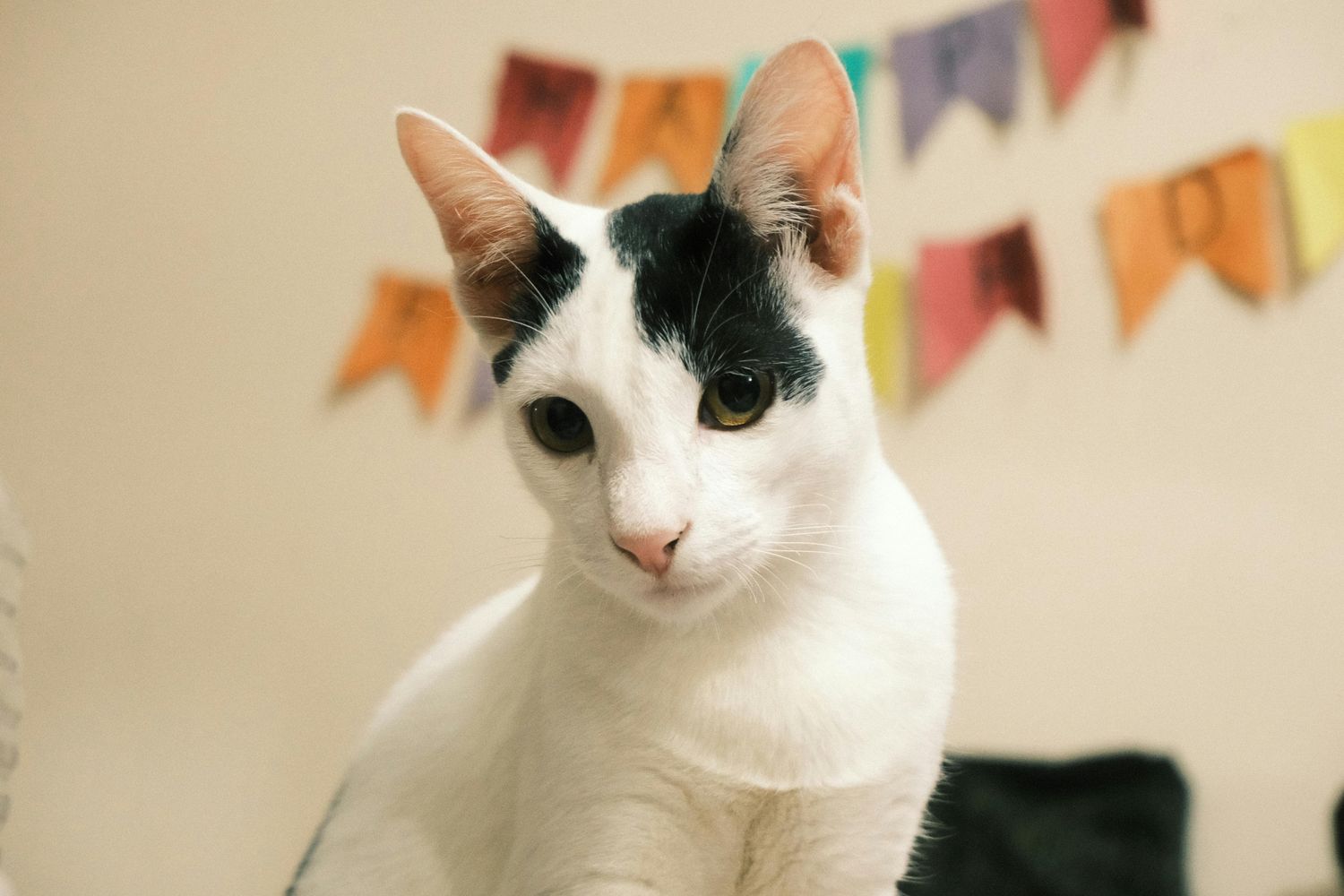
The cats are the second-most-famous feature of the Hemingway House (after Hemingway himself). About 60 polydactyl cats live on the property today. All are descended from a cat named Snow White, given to Hemingway in the 1930s by sea captain Stanley Dexter. Polydactyly is a genetic mutation that gives cats extra toes — typically six instead of the normal five on the front paws and four on the back. Sailors considered polydactyl cats lucky for their stability on rolling decks.
About half of the current cat population shows the visible extra toes; all carry the polydactyl gene. Each cat is named after a famous person — Clark Gable, Joe DiMaggio, Rudolph Valentino, Archibald MacLeish, Gertrude Stein, Pablo Picasso, Marlene Dietrich, Audrey Hepburn, Charlie Chaplin, Hairy Truman (a deliberate misspelling), Sophia Loren, and many more. New kittens are named through staff voting.
The cats have free run of the entire walled property — gardens, house interior, even on the beds (visitors are not allowed to sit on the beds; cats can). Visitors can pet the cats gently if a cat approaches them. The cats are well-cared-for: a full-time staff veterinarian visits regularly, all cats are spayed/neutered, and the cat cemetery on the grounds with named headstones holds those who have died.
The cats remain a contested subject — Hemingway’s niece Hilary Hemingway has at times claimed Hemingway never owned cats in Key West and the polydactyl story is fiction. The museum maintains the cats are descended from Snow White through documented lineage. Either way, the cats are real, the gene is real, and the connection to Hemingway is part of the museum’s identity.
The Saltwater Pool: A Famous Story
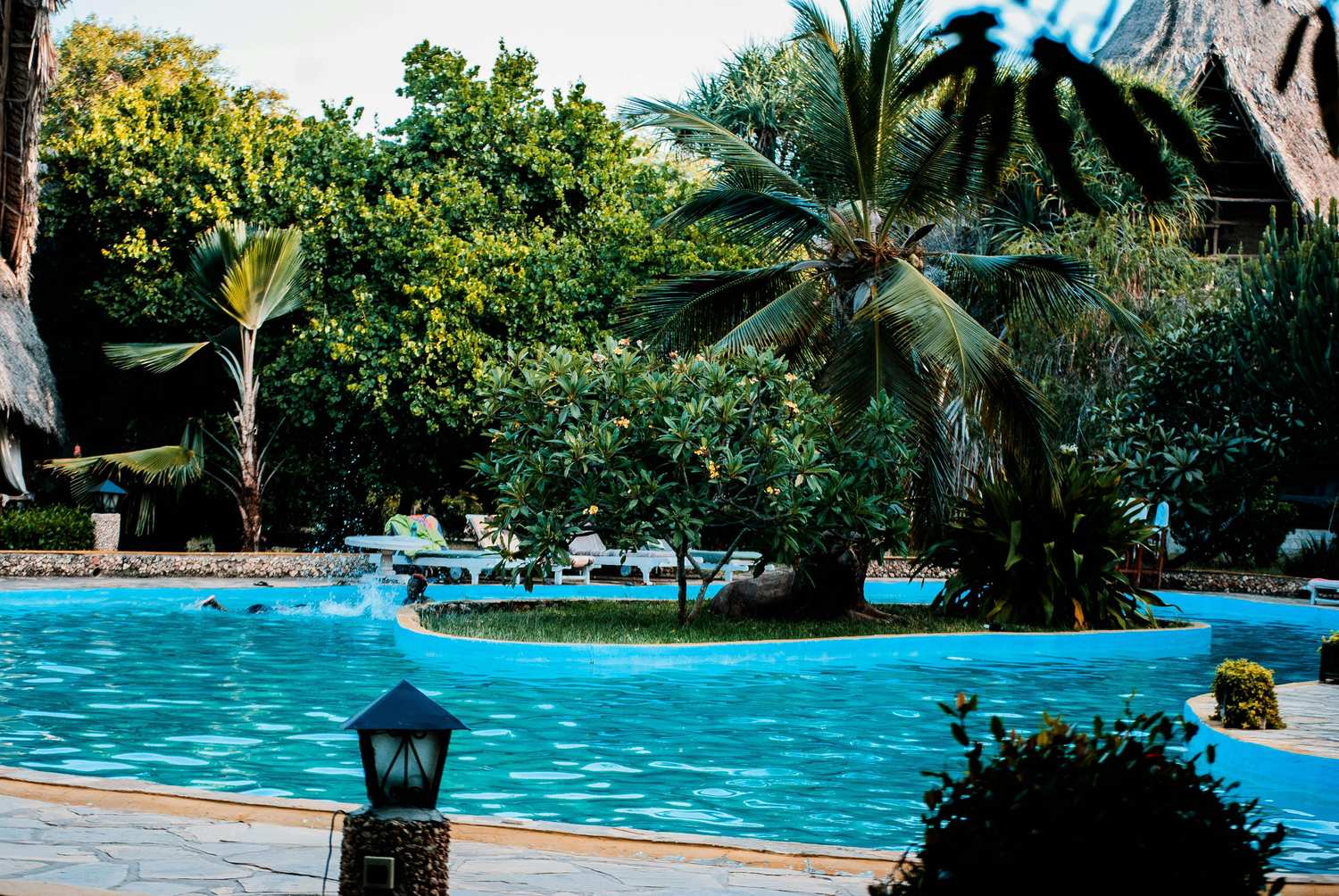
The pool at the Hemingway House is the first in-ground swimming pool ever built in Key West. Pauline commissioned it in 1937-1938 while Hemingway was overseas covering the Spanish Civil War. She had to have water trucked in from a nearby cistern (no running water adequate for a pool existed in Key West yet) and engineered the pool to operate as saltwater. Total cost: $20,000 — equivalent to over $400,000 today. The cost shocked Hemingway when he returned. Lunch afterward is easy: several of the island’s best Cuban restaurants sit within a few blocks on Duval and Petronia.
The famous penny story: Hemingway, allegedly furious at the cost, took a penny from his pocket, said “Here, take my last penny!” and pressed it into the wet concrete near the pool’s edge. The penny is still embedded there. Tour guides point it out. Whether the story is fully accurate or partly mythologized over time, the penny is real and the pool is real and the cost was indeed remarkable for the era.
The pool is no longer operational for swimming (preservation priorities) but the water level is maintained for the koi fish that live in it.
The Writing Studio
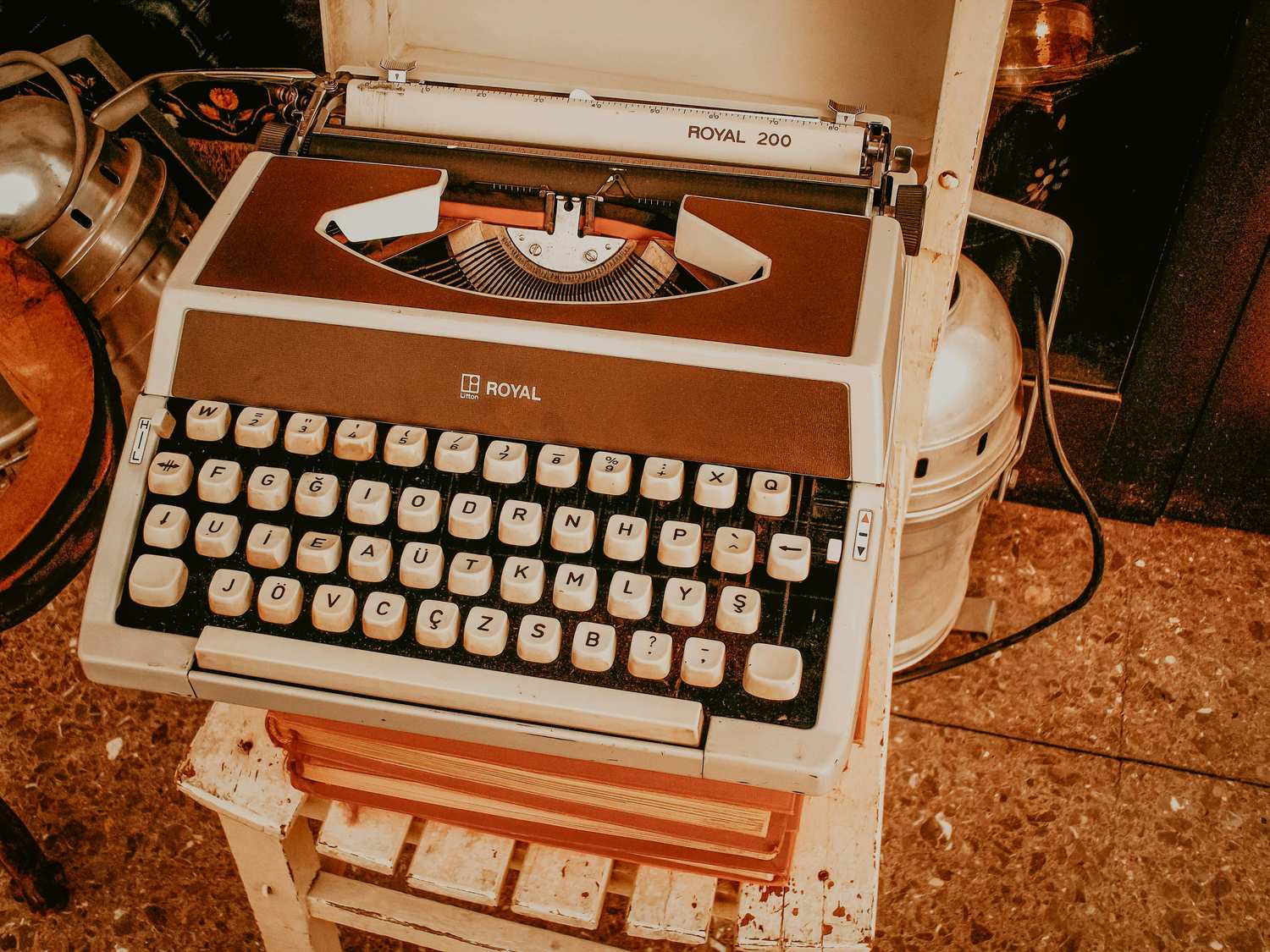
Hemingway’s writing studio is in the second-floor of the carriage house behind the main residence, accessed by a catwalk added by Hemingway. The room is preserved as it was during his residency: his original Royal typewriter on the desk, his hunting trophy wahoo mounted on the wall, his bookshelves with his actual books, and his round table where he reportedly sat to write each morning from 6 a.m. to noon.
The studio is one of the highlights of the tour. Visitors can look in but cannot enter. The Hemingway aesthetic of writing — discipline, isolation, ritual — is communicated by the room itself.
Visiting the Hemingway House: Practical Details
Hours and Tickets
Hours: Open daily 9 a.m. to 5 p.m., 365 days a year. Last guided tour begins around 4:30 p.m.
Tickets (2026): Adults $19, children 6-12 $7, children under 6 free. Tickets purchased at the entrance gate (no advance reservation typically required, though large groups should call). Cash and card accepted.
Format: Tours run every 15-20 minutes throughout the day. The guided tour runs 20-30 minutes covering the main house, the writing studio (viewed from the catwalk), and the cat history. After the guided tour, visitors can self-guide through the gardens, the cat cemetery, and the gift shop.
Total time: Plan 60-90 minutes total.
Best Times to Visit
Earliest morning (9-10:30 a.m.) is the least crowded. Tours run with smaller groups, the cats are most active in the cooler morning, and you can take photos without dozens of other visitors in frame.
Late afternoon (3:30-4:30 p.m.) is the second-best window. Most cruise-ship tour groups have left.
Avoid 11 a.m. – 2 p.m. in peak season — cruise-ship visitors and Conch Train tour groups are at maximum density.
Tour Guides
Tours are led by trained museum staff. Guide quality varies from “decent” to “excellent” depending on which guide you draw — the long-time guides have decades of accumulated detail. If you have a poor guide on your morning tour, you can self-guide through the property and listen in on a different guide’s tour later.
Parking
No on-site parking lot at the Hemingway House. Options:
Metered street parking on Whitehead and surrounding streets — $4/hour, often full, plan to circle. Bring a card or use the ParkMobile app.
Paid lots near Mallory Square — $25-40/day. Walk 6-8 blocks to the Hemingway House.
Bike or walk from your hotel — most Old Town hotels are within 15-minute walk of the Hemingway House.
Key West Rides shuttle ($2 per person) serves a stop near Whitehead and Truman, two blocks from the Hemingway House.
Accessibility
The Hemingway House is partially accessible. The ground floor of the main house, the gardens, and the gift shop are all accessible. The second-floor bedrooms and the carriage-house writing studio require stairs and are not accessible to wheelchair users. Limestone walkways and old paving can be uneven — bring sturdy footwear.
What to See and Do at the Hemingway House
The main house tour covers the living room, dining room, master bedroom (with the cat-on-the-bed exhibit), and Pauline’s bedroom. Original Hemingway-era furnishings throughout.
The writing studio in the carriage house — the highlight for literary fans.
The pool and the famous penny.
The cats — wandering throughout, available for petting if approached.
The cat cemetery with named headstones for cats who have died.
The gardens — lush tropical foliage maintained as Hemingway and Pauline kept them.
The gift shop — Hemingway books, t-shirts, polydactyl cat memorabilia, autographed first editions, and the only place to buy official Hemingway House merchandise.
What to Combine the Visit With
The Hemingway House sits in central Old Town. Easy combinations:
Key West Lighthouse and Keeper’s Quarters — directly across the street at 938 Whitehead. The 88-step climb gives you a panoramic view of Old Town including the Hemingway House from above. Combo tickets available.
Truman Little White House — 4-block walk to 111 Front Street. Truman vacationed in Key West for 175 days during his presidency.
Audubon House Tropical Gardens — 1-block walk to 205 Whitehead. Tropical garden with one of the largest private orchid collections in the United States.
Mallory Square and the Eco Discovery Center — 6-8 blocks to Mallory Square; the free Eco Discovery Center is at Truman Waterfront.
Lunch at Six Toed Cat — directly next door at 823 Whitehead. The restaurant is named for the polydactyl cats.
The Cats: Practical Notes
Can you pet the cats? Yes, gently, if a cat approaches you. Don’t chase or grab. The cats are accustomed to visitors but each has its own personality.
Are the cats friendly? Most are friendly to people, some are aloof. Many will approach for petting. None bite or scratch unless seriously provoked.
Can you adopt a cat? No. The cats are protected residents of the museum and a designated USDA exhibitor.
Where do they sleep? Anywhere they want — beds, chairs, garden, on the cat cemetery markers, in the museum’s cat house.
Do all the cats have six toes? About half show the visible extra toes; all carry the polydactyl gene and can pass it to offspring.
What if I’m allergic? The cats are mostly outdoors and on grounds. Indoor allergic exposure is limited to the moments inside the house tour. Consider taking allergy medication beforehand if severe.
Key Hemingway Books Written at the House
The Hemingway House period (1931-1939) was Hemingway’s most prolific. Books written or substantially worked on here:
“Death in the Afternoon” (1932) — non-fiction account of bullfighting.
“Winner Take Nothing” (1933) — short story collection.
“Green Hills of Africa” (1935) — non-fiction African safari memoir.
“To Have and Have Not” (1937) — novel set partly in Key West and Cuba.
“The Snows of Kilimanjaro” (1936, story).
“The Short Happy Life of Francis Macomber” (1936, story).
“For Whom the Bell Tolls” (1940) — started here, finished after departure.
Numerous short stories, essays, and journalism.
Why Did Hemingway Leave Key West?
Hemingway met war correspondent Martha Gellhorn in Key West in 1936, and their relationship intensified over the next several years. By 1939, Hemingway was traveling to Cuba for fishing and Spanish Civil War coverage with Gellhorn. He moved with her to Cuba in late 1939, divorced Pauline in 1940, and married Gellhorn. The Hemingway House remained Pauline’s, and Hemingway never returned to live in Key West, though he visited occasionally until his death in 1961.
Frequently Asked Questions
How much does it cost to visit Hemingway House?
Adult tickets are $19 (2026 pricing). Children 6-12 are $7. Children under 6 are free. Ticket includes a guided tour and self-guided access to grounds and gift shop.
Are Hemingway’s cats really six-toed?
Yes. About 60 polydactyl cats live at the Hemingway House, all descended from Snow White, the cat given to Hemingway in the 1930s. About half show visible extra toes; all carry the polydactyl gene.
How long is the Hemingway House tour?
The guided tour runs 20-30 minutes. Plan 60-90 minutes total to include self-guided exploration of grounds, cat watching, and the gift shop.
Did Hemingway live in Key West?
Yes. Hemingway lived at 907 Whitehead Street from 1931 to 1939 with his second wife, Pauline Pfeiffer. He wrote his most prolific period of work during this stretch.
Why did Hemingway leave Key West?
Hemingway met war correspondent Martha Gellhorn in 1936 and gradually shifted his life to Cuba with her. He moved permanently to Cuba in late 1939, divorced Pauline in 1940, and married Gellhorn.
Can you pet the cats at Hemingway House?
Yes, gently, if a cat approaches you. Don’t chase or grab a cat. The cats are accustomed to visitors but have individual personalities.
Where can I park at Hemingway House?
No on-site parking. Use metered street parking on Whitehead and nearby streets ($4/hour) or paid lots near Mallory Square ($25-40/day). Bike or walk if possible. The $2 Key West Rides shuttle serves a stop two blocks away.
What is the famous penny at Hemingway House?
A penny pressed into the wet concrete around the saltwater pool, allegedly by Hemingway in 1937 when he saw the $20,000 cost of the pool Pauline had built. He reportedly said “Here, take my last penny!” The penny is still embedded and pointed out on tours.
What books did Hemingway write at the Key West house?
“Death in the Afternoon,” “Green Hills of Africa,” “To Have and Have Not,” “The Snows of Kilimanjaro,” “The Short Happy Life of Francis Macomber,” “Winner Take Nothing,” and started “For Whom the Bell Tolls.”
What time does Hemingway House open?
9 a.m. daily. Last tour begins around 4:30 p.m. Closes at 5 p.m.
Is Hemingway House worth visiting?
Yes — for first-time Key West visitors, literary fans, and cat lovers. The combination of preserved Hemingway-era home, the writing studio, the pool story, and the polydactyl cats delivers a unique 60-90 minute experience. Skip it only if your trip is very short and you have no interest in literature, history, or cats.
Are there discount tickets to Hemingway House?
Sometimes available through the Key West Vacation Pass attraction bundle (which includes Hemingway House plus several other attractions at a discounted total). Check before purchasing individual tickets if you plan to visit 3+ paid attractions.
Final Thoughts
The Hemingway House is one of those Key West attractions that deserves its tourist popularity. The house is genuinely historic, the writing studio is genuinely moving for literary fans, the pool story is genuinely funny, and the cats are genuinely the most photographed animals in Old Town. Show up at 9 a.m. for the smallest crowds, expect to spend 60-90 minutes, gentle pets the cats only if they come to you, and don’t miss the second-floor studio (it’s the highlight). For most first-time Key West visitors, this is one of the few paid attractions that fully delivers on its promise.
For more on planning your trip, see our complete Key West history and culture pillar guide, our Duval Street bars guide (for Sloppy Joe’s and the original Captain Tony’s where Hemingway drank), our things to do in Key West guide, our Key West with kids guide (the cats are a hit with kids), and our vacation planning guide.
Sources & corrections
Rates, hours and closures verified against operator listings and on-island visits. Prices are peak-season unless noted.