Quick takeaways
- Key West got its name from bones, not keys — the Spanish called it Cayo Hueso, “bone island,” later anglicized to Key West.
- In the 1830s, salvaging shipwrecks off the reef made this the richest city per capita in the entire United States.
- Waves of Cuban exiles built a cigar empire and a culture here long before Miami existed as a city.
- Henry Flagler’s “impossible” Overseas Railroad reached the island in 1912; a 1935 hurricane destroyed it, and the highway you drive today was built on its bones.
- Hemingway, Tennessee Williams, and a long list of writers made a tiny island one of America’s most literary addresses.
For a two-by-four-mile rock at the end of the road, Key West has lived through an outsized amount of American history — and unlike most historic towns, it wears all of it at once. Walk a single block of Old Town and you’ll pass a wrecker’s mansion, a cigar-maker’s cottage, a writer’s house, and a bar that’s been pouring since Prohibition. Understanding how the island got this strange and this rich makes every one of those buildings read differently. Here’s the story, roughly in order.
Bone island: the beginnings
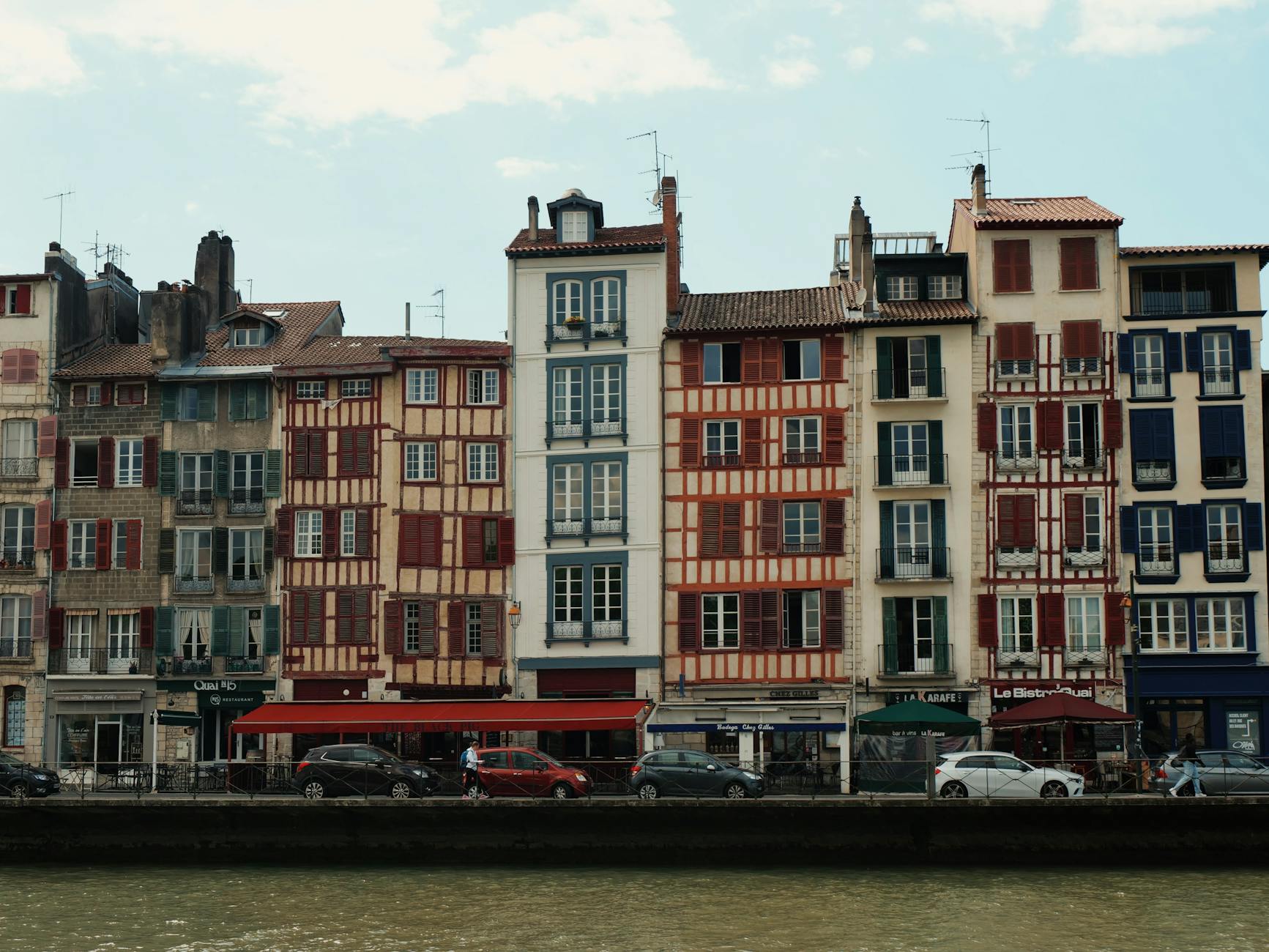
Long before Europeans arrived, the Lower Keys were the territory of the Calusa and other Indigenous peoples who fished these waters for centuries. When Spanish explorers came through, they found the little island littered with human bones — likely the remains of a battle or burial ground — and named it Cayo Hueso, meaning “bone island.” English speakers heard “Cayo Hueso” and turned it into “Key West,” a name that has nothing to do with being the westernmost key and everything to do with a mishearing.
The modern town dates to 1822, when American businessman John Simonton bought the island from a Spanish landholder for $2,000 and the U.S. Navy quickly moved in to plant its flag at the strategic tip of the Straits of Florida. From that moment, Key West’s fortunes were tied to the sea lane just offshore — a highway of ships that would make the island first rich, then famous.
The wrecking era: getting rich off shipwrecks
The single most important fact about early Key West is the reef. The Florida Reef runs just offshore, shallow and unforgiving, and in the age of sail it wrecked ships by the hundreds. Key West turned that hazard into an industry. Licensed “wreckers” raced out to founder ships, rescued crew and passengers, and salvaged the cargo — legally claiming a hefty share of its value in the local admiralty court. When a wreck was called, the cry of “Wreck ashore!” would empty the town toward the docks.
The money was staggering. By the 1830s and into the 1850s, wrecking had made Key West the richest city per capita in the United States, its merchants building the grand mansions that still line Old Town. The trade faded only when lighthouses and better charts finally tamed the reef in the later 1800s — but by then the island’s wealth and its salvage-and-hustle character were baked in. You can still see recovered cargo and the whole theatrical world of wrecking at the museums covered in our Key West museums guide.
Cigars, sponges, and the Cuban connection
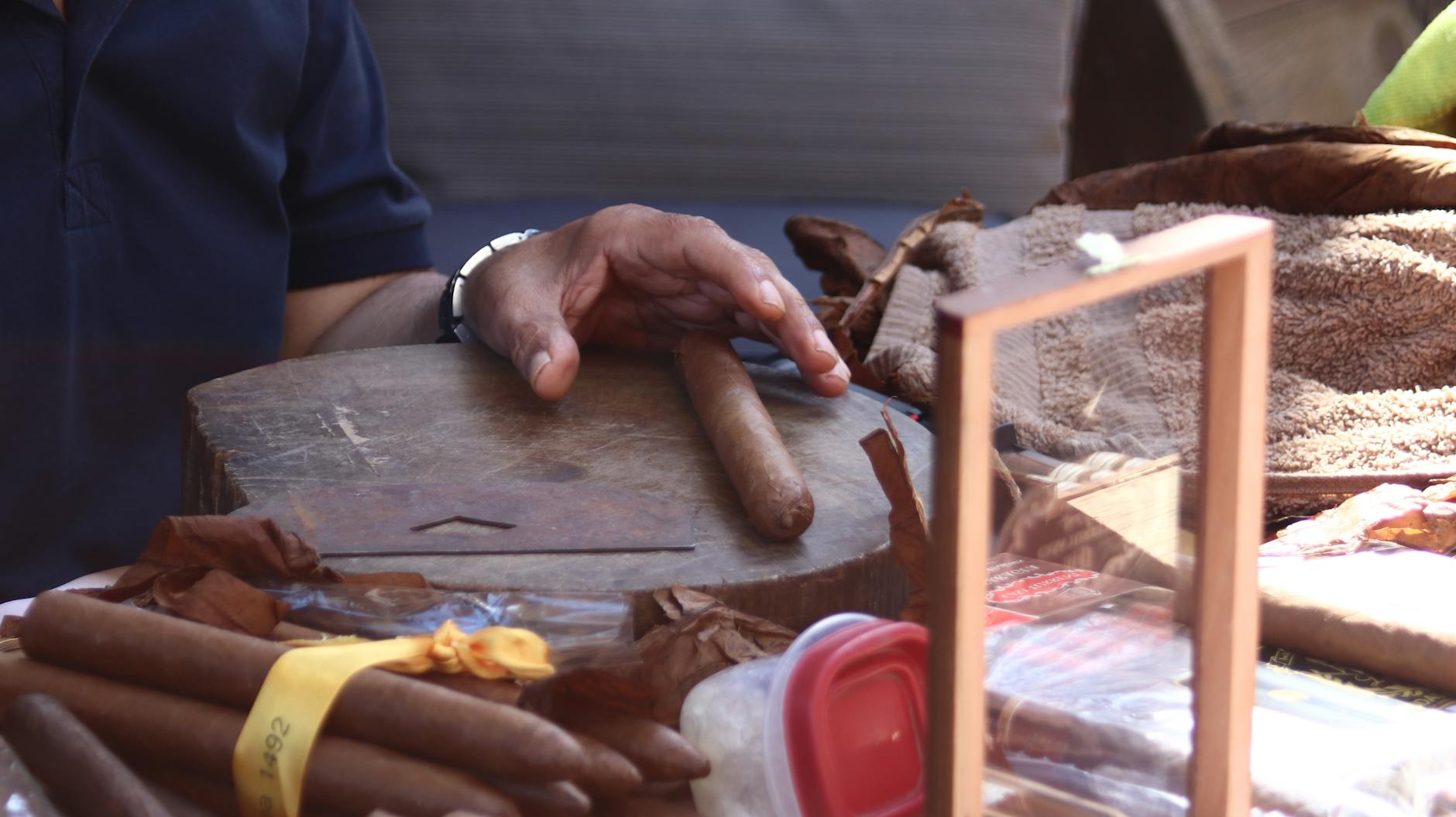
As wrecking peaked, a second boom arrived from ninety miles south. Beginning in the 1860s, Cuban political unrest sent waves of exiles to Key West, and they brought the skill that would define the island for a generation: rolling cigars. Entrepreneurs like Vicente Martínez Ybor set up factories, and by the 1880s a third of the island’s population was Cuban-born and hundreds of factories were producing well over 100 million cigars a year, making Key West the cigar capital of the country.
That community was more than economic. The San Carlos Institute, founded in 1871 on Duval Street, became the heart of Cuban culture and exile politics — José Martí gave speeches here rallying support for Cuban independence in the 1890s. When labor disputes and a fire pushed much of the industry to Tampa’s Ybor City after 1885, Key West kept its Cuban soul: the food, the coffee, and the heritage you can still taste in our Cuban restaurants guide. Alongside cigars, a booming sponge industry worked the shallow waters until disease and competition thinned it in the early 1900s.
Forts, wars, and the Cold War front line
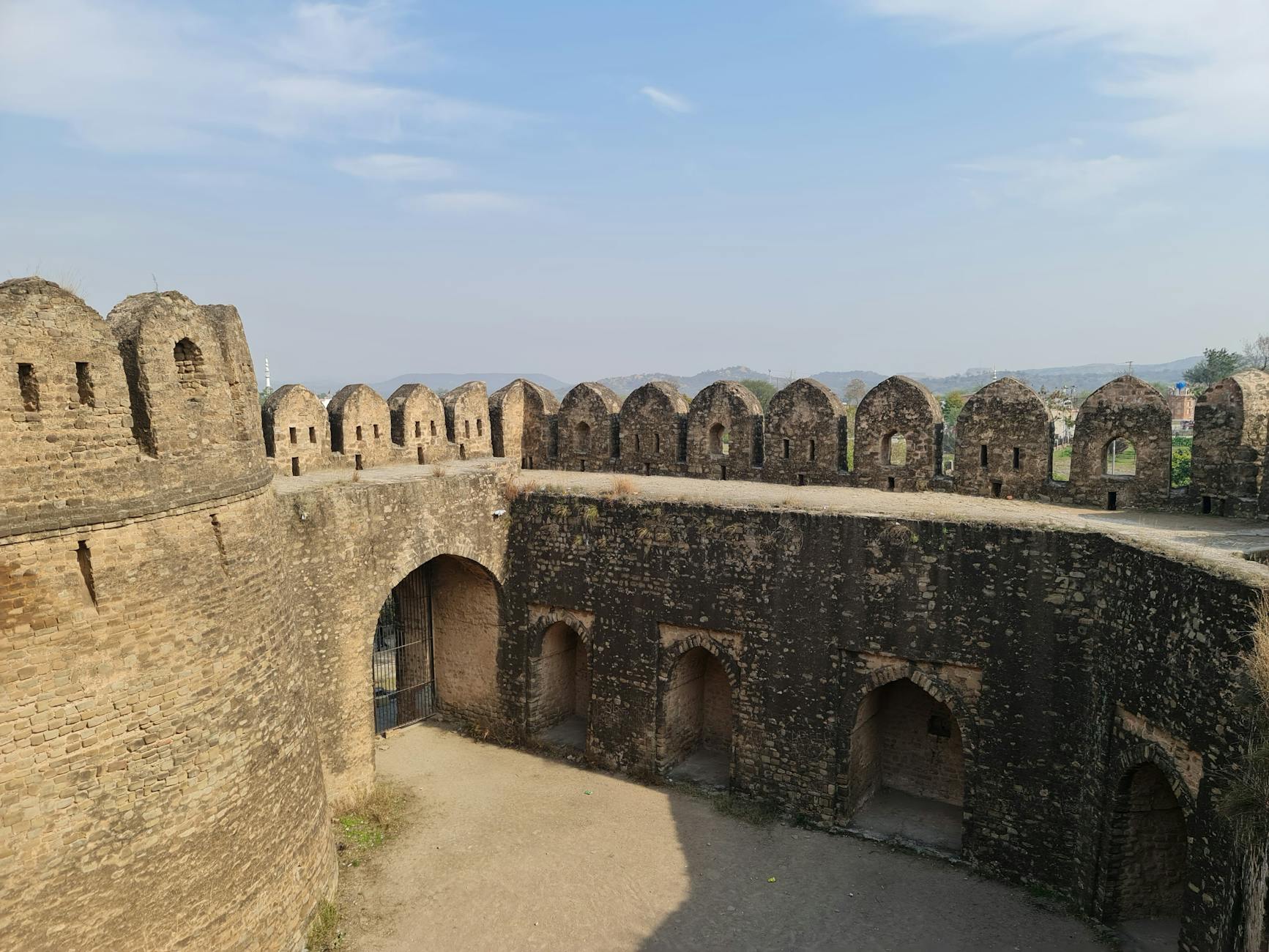
Key West’s position made it permanently strategic, and the military never really left. Construction on Fort Zachary Taylor began in 1845, and — crucially — the fort stayed in Union hands throughout the Civil War, giving the North a blockade base deep in Confederate territory; today it holds the country’s largest collection of Civil War armament, detailed in our guide to Fort Zach. Two Martello towers went up to guard the island’s flanks.
The 20th century deepened the military role. A Naval Air Station trained pilots through both World Wars, and the island’s location put it on the literal front line of the Cold War. During the 1962 Cuban Missile Crisis, Key West — just 90 miles from Cuba — bristled with troops and missiles. President Harry Truman had already fallen for the place, visiting 11 times and running the country from the clapboard “Little White House” that survives as Florida’s only presidential museum. The full arc of getting here, then and now, is in our transportation guide.
Flagler’s impossible railroad
For most of its history, Key West could only be reached by boat — until Henry Flagler decided to change that. The oil magnate poured a fortune into extending his Florida East Coast Railway across open ocean, island to island, on a chain of bridges and causeways critics dubbed “Flagler’s Folly.” When the Overseas Railroad finally reached Key West in 1912, an 82-year-old Flagler rode the first train into town to a hero’s welcome. It was one of the great engineering feats of its age.
It didn’t last. The catastrophic Labor Day Hurricane of 1935 — still one of the most intense to hit the U.S. — tore out miles of track and killed hundreds. The bankrupt railroad never rebuilt. Instead, the state bought the surviving roadbed and bridges and laid the Overseas Highway on top, the 113-mile ribbon of U.S. 1 that you drive today. Every time you cross the Seven Mile Bridge, you’re riding Flagler’s ghost.
The Conch Republic: a country founded on a joke
Key West’s most famous modern legend is also its most Key West. In April 1982, the U.S. Border Patrol threw up a roadblock on U.S. 1, searching every car leaving the Keys for drugs and undocumented migrants. The resulting traffic jams strangled tourism and infuriated locals. The town’s response, on April 23, 1982, was pure theater: Mayor Dennis Wardlow declared the Keys’ secession as the Conch Republic, symbolically “declared war” on the United States by breaking a loaf of stale Cuban bread over a man in a naval uniform, surrendered one minute later, and applied for a billion dollars in foreign aid.
The stunt worked — national press descended, the roadblock came down, and Key West got a permanent identity out of it. The Conch Republic’s motto, “We Seceded Where Others Failed,” still captures the island’s cheerful independence, and the anniversary is celebrated each April, one of the highlights in our events and festivals guide.
Literary Key West
Cheap, warm, remote, and full of characters, Key West drew writers the way the reef drew ships. Ernest Hemingway is the marquee name — he lived at 907 Whitehead Street from 1931 to the late 1930s, wrote some of his best work there, and left behind a house full of six-toed cats you can still visit; see our guide to the Hemingway Home. His legacy is celebrated every July at Hemingway Days, covered in our Hemingway Days guide.
He was far from alone. Playwright Tennessee Williams kept a home here for more than 30 years and wrote parts of A Streetcar Named Desire on the island. Poets Robert Frost, Wallace Stevens, and Elizabeth Bishop all spent time here, and later authors from Judy Blume to Thomas McGuane made it home. For a town this size, the concentration of literary talent is almost absurd — a heritage that still fuels the island’s festivals and independent bookshops.
Conch houses and the art of preservation
Key West’s architecture is a history lesson in itself. Ship’s carpenters and Bahamian immigrants built the island’s signature conch houses — wood-frame homes raised on piers, wrapped in porches, and vented for the heat, with details borrowed from New England, the Bahamas, and Victorian catalogs. The quirky “eyebrow houses,” with their overhanging second-floor rooflines shading the upper windows, are unique to the island.
What saved all of it was a downturn: Key West was so poor for much of the 20th century that no one could afford to tear the old houses down, and by the time prosperity returned, preservation rules protected them. The result is Old Town, one of the largest historic districts in the United States with more than 3,000 contributing structures — best appreciated slowly, on foot or by bike, or on a rainy afternoon following our indoor-and-out guide when the weather turns.
The cemetery and the museums
Few places tell the island’s story better than the Key West Cemetery, established in 1847 on 19 acres near the center of Old Town. Because the island is coral rock barely above sea level, many graves are above ground, and the epitaphs are famously irreverent — the most quoted reads “I told you I was sick.” It’s a genuinely enjoyable, free way to spend an hour among the island’s dead notables.
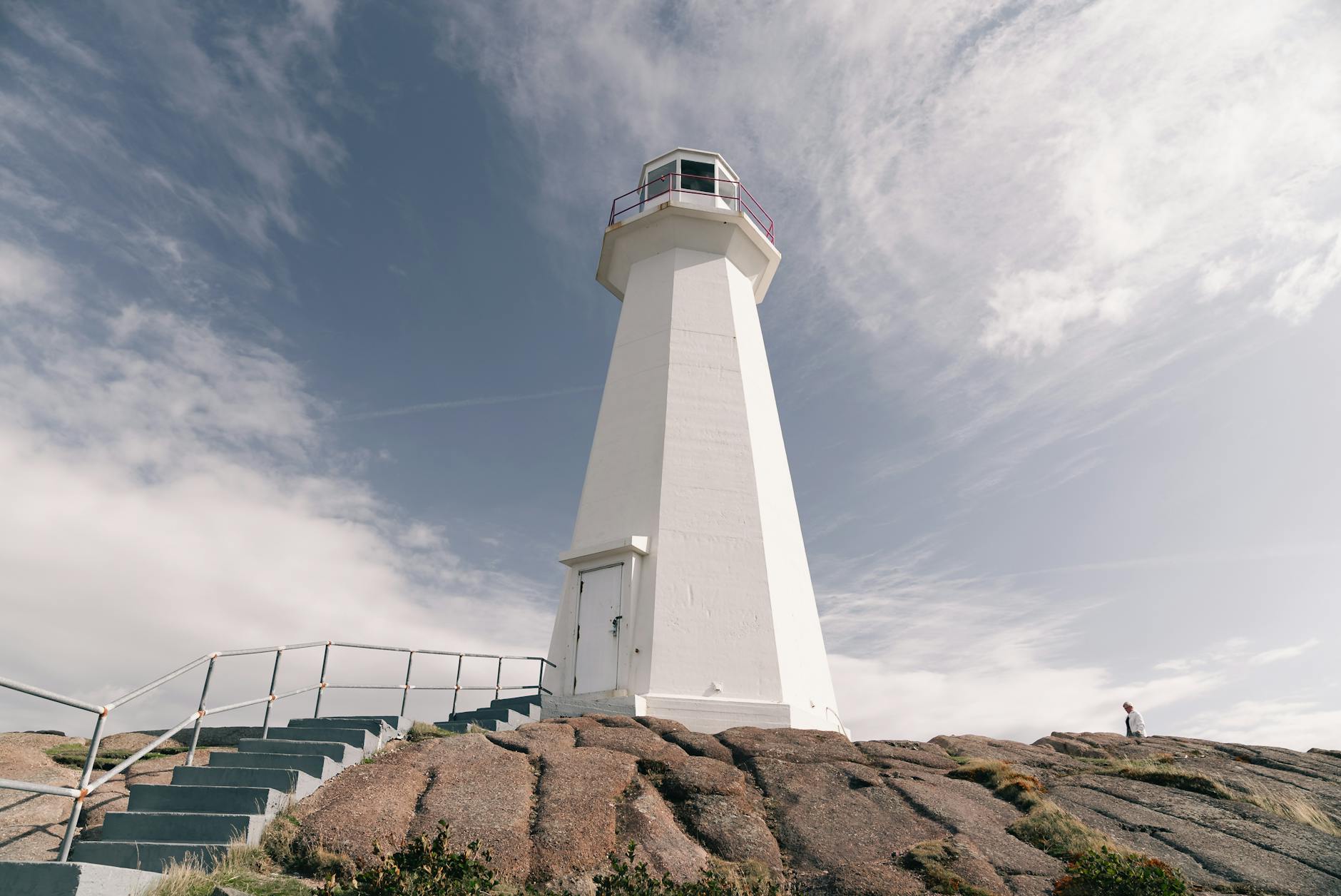
To go deeper, the museums do the heavy lifting: the Custom House (now the Museum of Art & History) in its grand Romanesque Revival building; the Mel Fisher Maritime Museum, home to gold and emeralds from the 1622 Spanish galleon Atocha, which Fisher finally found in 1985; the 1848 lighthouse; and out at the Dry Tortugas, the vast brick Fort Jefferson. Our museums guide covers them all, and even the historic Key West Aquarium, a 1934 WPA project, is a piece of Depression-era history in its own right.
The spirit today
All that history left a distinct culture. Native-born islanders still call themselves Conchs, the town’s official philosophy is “One Human Family,” and Key West has been a welcoming haven — especially for the LGBTQ+ community — since the 1970s. The art galleries, the live music, the tolerance, and the cheerful weirdness all trace straight back to the wreckers, exiles, and writers who built the place. To see how that past shapes a visit today, pair this with our things to do guide.
Sponges, tourism, and the lean years
Between the cigar boom and the modern tourist era, Key West rode a rollercoaster of industries. Bahamian and Greek divers built a thriving sponge trade in the late 1800s, and for a time Key West rivaled the Mediterranean as a sponge supplier — until blight and Tarpon Springs competition pulled the industry north. When cigars left for Tampa and sponging collapsed, the island slid into a long decline. By the Great Depression, Key West was effectively bankrupt; roughly 80 percent of residents were on some form of relief, and the city famously handed its charter back to the state and federal government, which set about reinventing the broke island as a tourist destination — hiring artists to paint promotional murals and clean up the beaches.
That poverty, ironically, is what preserved the island’s character. No money meant no demolition and no high-rises, so the old wooden town survived intact. When the Navy expanded again during World War II and tourism slowly rebuilt in the postwar decades, visitors found something rare: a genuinely old, genuinely weird American town that hadn’t been paved over. By the 1970s, cheap rents and end-of-the-road freedom drew hippies, artists, treasure hunters, and a young singer named Jimmy Buffett, whose “Margaritaville” ethos turned the island’s laid-back mythology into a global brand.
A Key West history timeline
The short version, from bone island to Conch Republic:
- Pre-1500s — Calusa and other Indigenous peoples inhabit the Lower Keys.
- 1500s — Spanish explorers name the island Cayo Hueso, “bone island.”
- 1822 — John Simonton buys the island; the U.S. Navy establishes a base.
- 1830s–1850s — The wrecking boom makes Key West the richest city per capita in the U.S.
- 1845 — Construction begins on Fort Zachary Taylor.
- 1860s–1880s — Cuban exiles build a cigar empire; the San Carlos Institute opens in 1871.
- 1912 — Flagler’s Overseas Railroad reaches Key West.
- 1931 — Ernest Hemingway moves to Whitehead Street.
- 1935 — The Labor Day Hurricane destroys the railroad.
- 1938 — The Overseas Highway opens on the old rail route.
- 1962 — The Cuban Missile Crisis puts Key West on the Cold War front line.
- 1982 — Key West declares itself the Conch Republic.
Where to see the history for yourself
The best thing about Key West history is how much of it you can still walk into. Start at the Hemingway Home and the Truman Little White House for the marquee stories, then let the smaller sites fill in the picture: the Oldest House (the Wrecker’s Museum) on Duval, dating to 1829; the San Carlos Institute, still a Cuban cultural center; the East Martello tower, now a museum and home of the famously creepy Robert the Doll; and the recovered treasure at the Mel Fisher. Many of these cluster within a few blocks, which makes a self-guided history walk one of the best free things to do on the island. If a summer storm rolls through, most of the museums are happily indoors — see our rainy day guide — and history buffs traveling with family will find plenty of hooks in our things to do guide.

Frequently asked questions
Why is Key West called Key West?
From the Spanish name Cayo Hueso, or “bone island,” after human bones early explorers found there. English speakers anglicized “Cayo Hueso” into “Key West” — the name is a mishearing, not a reference to being the westernmost key.
What made Key West so wealthy in the 1800s?
Wrecking — the licensed salvage of ships that ran aground on the offshore reef. By the 1830s it made Key West the richest city per capita in the United States, funding the grand mansions of Old Town.
What is the Conch Republic?
A tongue-in-cheek micronation Key West “founded” on April 23, 1982, in protest of a U.S. Border Patrol roadblock. The town declared independence, symbolically declared war, surrendered a minute later, and requested foreign aid. The identity stuck and is celebrated every April.
Did a railroad really reach Key West?
Yes. Henry Flagler’s Overseas Railroad reached the island in 1912, connecting it to the mainland by rail across the ocean. The 1935 Labor Day Hurricane destroyed it, and the Overseas Highway was built on its surviving roadbed and bridges.
Which famous writers lived in Key West?
Ernest Hemingway (1931–late 1930s) and Tennessee Williams (more than 30 years) are the most famous, along with poets Robert Frost, Wallace Stevens, and Elizabeth Bishop, and later authors like Judy Blume and Thomas McGuane.
How old is Key West’s Cuban community?
It dates to the 1860s, when Cuban exiles fleeing unrest built the island’s cigar industry. By the 1880s, a third of Key West was Cuban-born, and the community’s food, coffee, and heritage remain central today.
What’s the best way to experience Key West history?
Walk Old Town, tour the Hemingway Home and Truman Little White House, visit the Mel Fisher and Custom House museums, stroll the historic cemetery, and climb the 1848 lighthouse. Most sites sit within a walkable core.
Leave a Reply