Quick takeaways
- Key West sits beside the only living coral barrier reef in the continental U.S., which makes the water the main event — not the beaches.
- Snorkeling and diving are the headliners; the Vandenberg wreck is a world-class dive, and the reef is shallow enough for beginners.
- Prices run roughly $45–$80 for a half-day snorkel or sunset sail, $100–$150 for a two-tank dive, and $50–$70 for parasailing.
- The water stays warm year-round (70–88°F); winter is a touch cooler and windier, summer calm and bathtub-warm.
- Book popular trips a day or two ahead in season, and always use reef-safe sunscreen — it’s required to protect the reef.
You can have a wonderful time in Key West without ever getting wet — but you’d be missing the point. This is an island wrapped in warm, clear, shallow water and set beside a 170-mile living reef, and just about everything the ocean can offer happens within a few miles of the docks. Snorkel a coral garden in the morning, fly under a parasail after lunch, and toast the sunset from a schooner the same evening. Here’s the full menu of Key West water sports, what each one actually costs, when to do it, and how to pick the right trip.
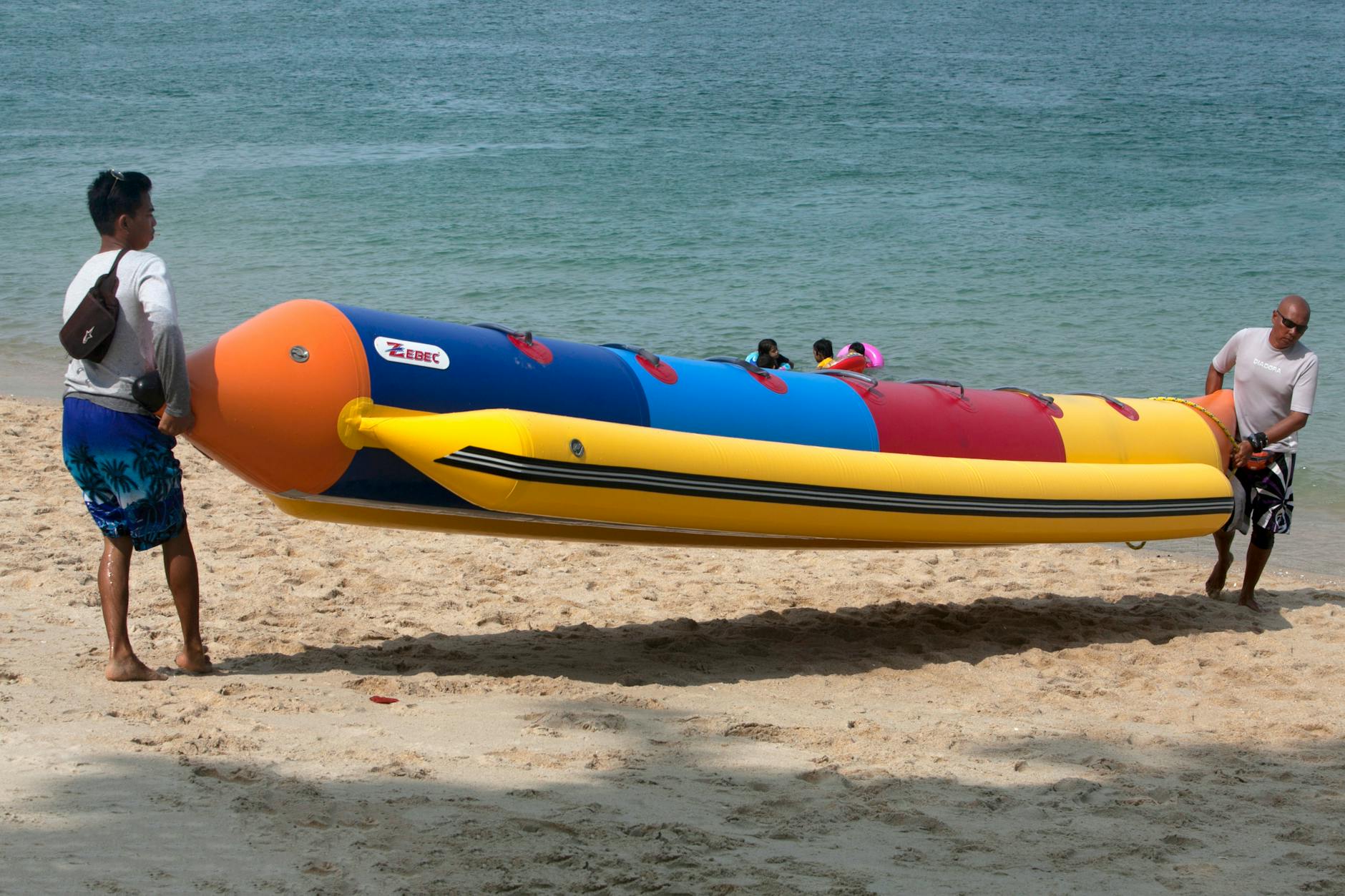
Snorkeling: the one to prioritize
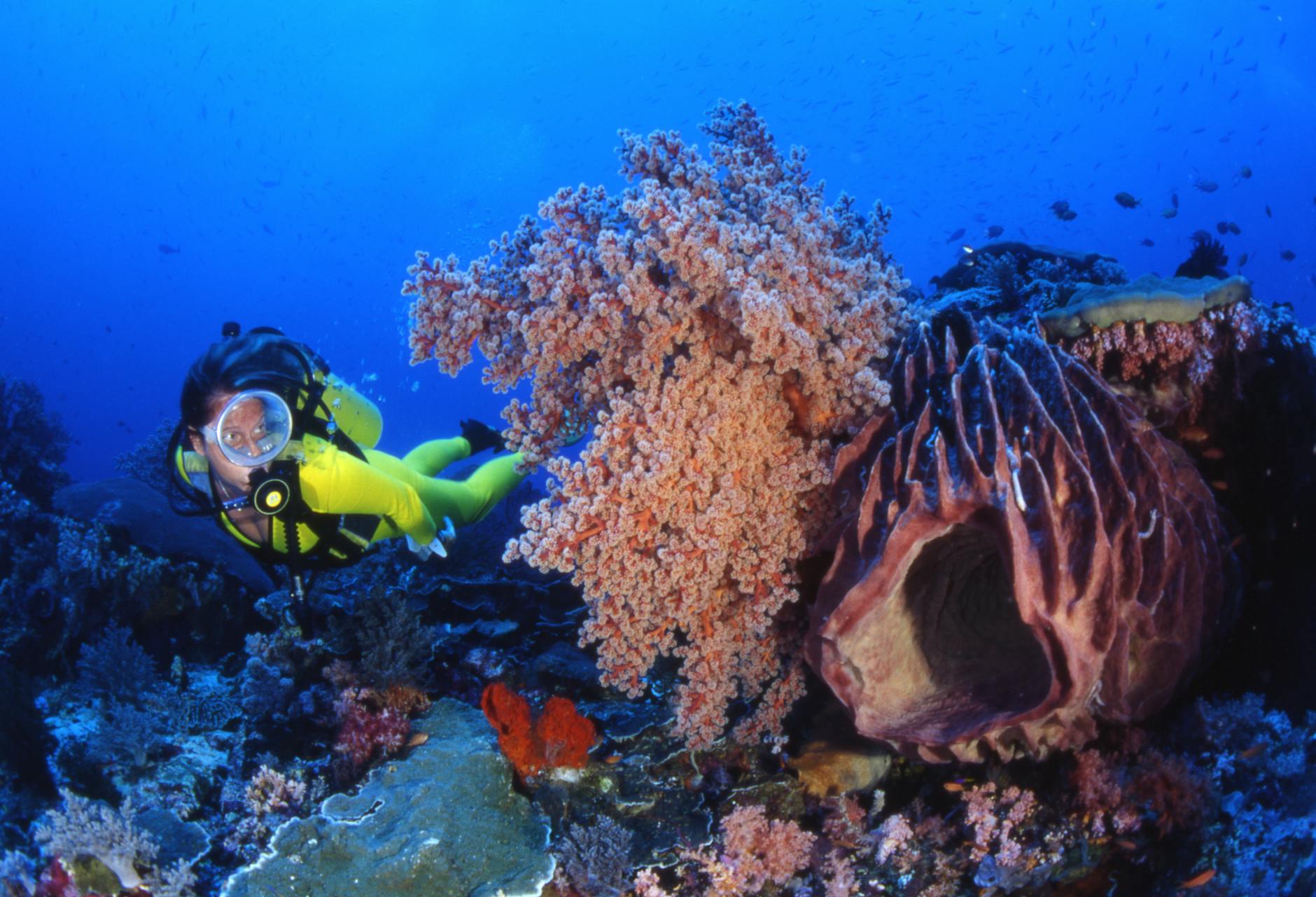
If you do a single water activity in Key West, make it snorkeling. The reef here is the third-largest barrier reef on the planet and, crucially, it’s shallow — much of it sits in 5 to 30 feet of water, so you don’t need to dive to see it. Half-day catamaran trips run out to sites like Sand Key and the Western Sambo Ecological Reserve, where you’ll drift over coral heads while parrotfish, snapper, sea turtles, and rays go about their day. Trips typically cost $45–$80 and include gear, instruction, and drinks; many turn into a party on the sail back.
Prefer to snorkel from shore? Fort Zachary Taylor is the best beach for it, with rocks and old pilings that hold plenty of fish. But the truly spectacular stuff — vivid coral, big turtles, the occasional nurse shark — is out on the reef, and it’s worth the boat ride. Our snorkeling guide breaks down every site and operator.
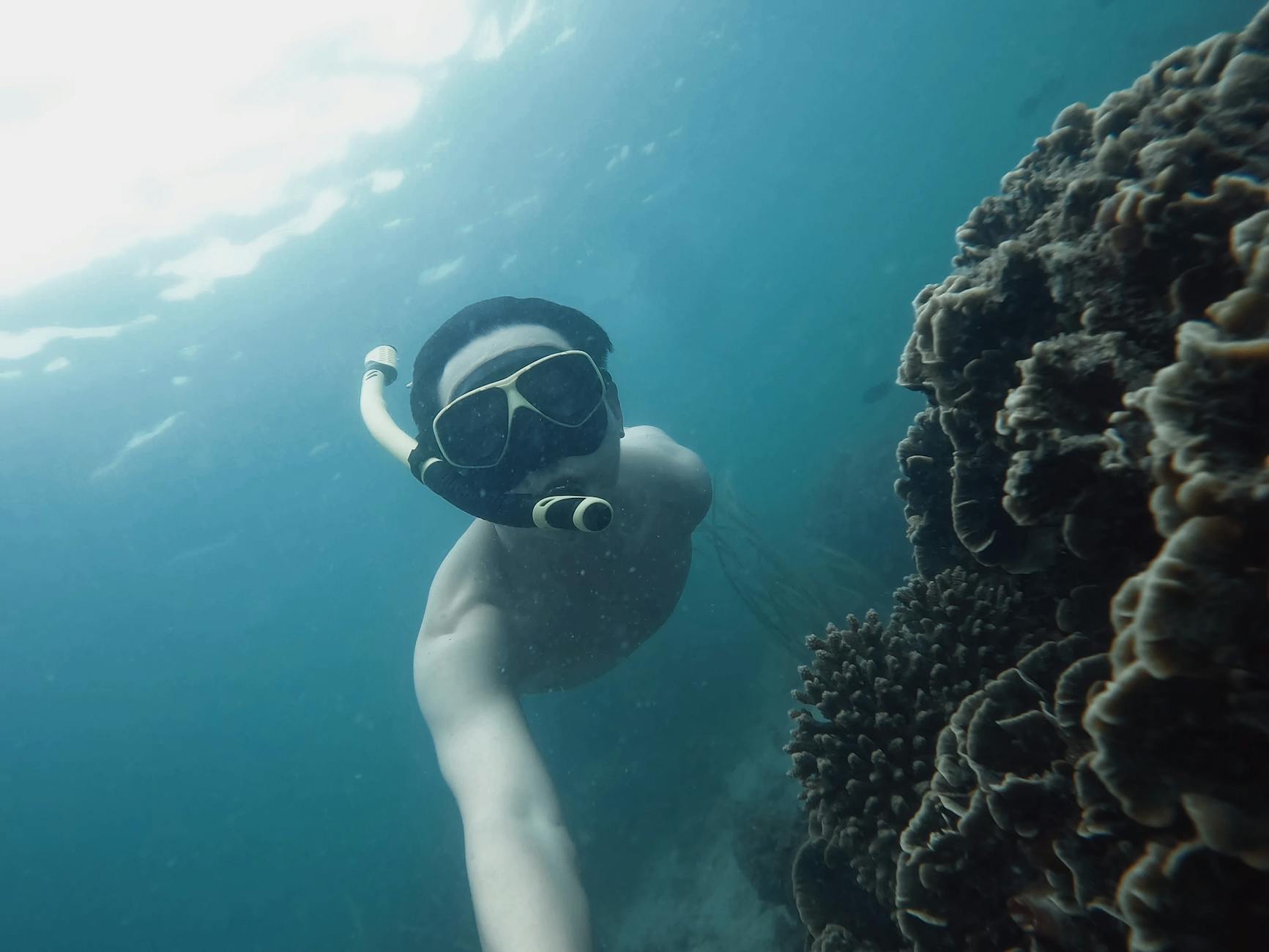
Scuba diving: the underwater world
For certified divers, Key West is a bucket-list destination, and the crown jewel is the USNS General Hoyt S. Vandenberg — a 523-foot former military ship deliberately sunk in 2009 to create an artificial reef. It sits in about 100 feet of water seven miles offshore, already thick with coral and fish, and it’s one of the best wreck dives in the country. Beyond it, the reef offers gentler dives at Sand Key and other sites, plus other wrecks for the experienced. A two-tank trip generally runs $100–$150.
Not certified? Most dive shops offer “discover scuba” intro dives that let you experience it under close supervision without a certification, as well as full open-water courses if you want to get certified during your trip. Our scuba diving guide covers the shops, the sites, and what to expect.
Jet skiing and the island tour
For speed, jet ski tours are the move — and the signature Key West version is the roughly 27-mile guided loop all the way around the island, a two-hour ride that shows you the place from the water while you open up the throttle in the safe zones. Expect to pay around $100–$160 per ski (which can carry two). It’s exhilarating and genuinely scenic, threading between the Atlantic and Gulf sides. First-timers get a quick briefing; it’s easy to pick up.
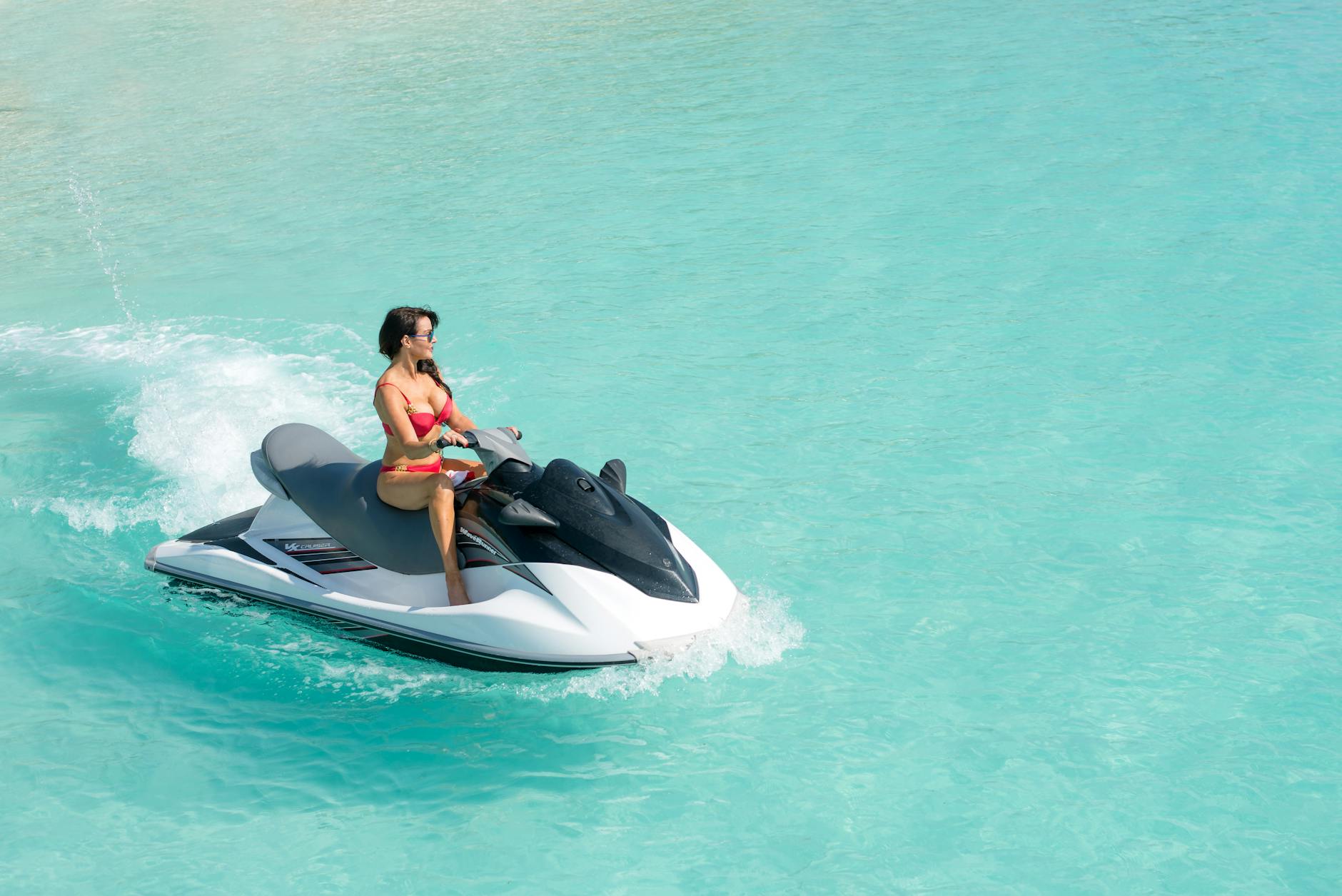
Parasailing: the view from up high
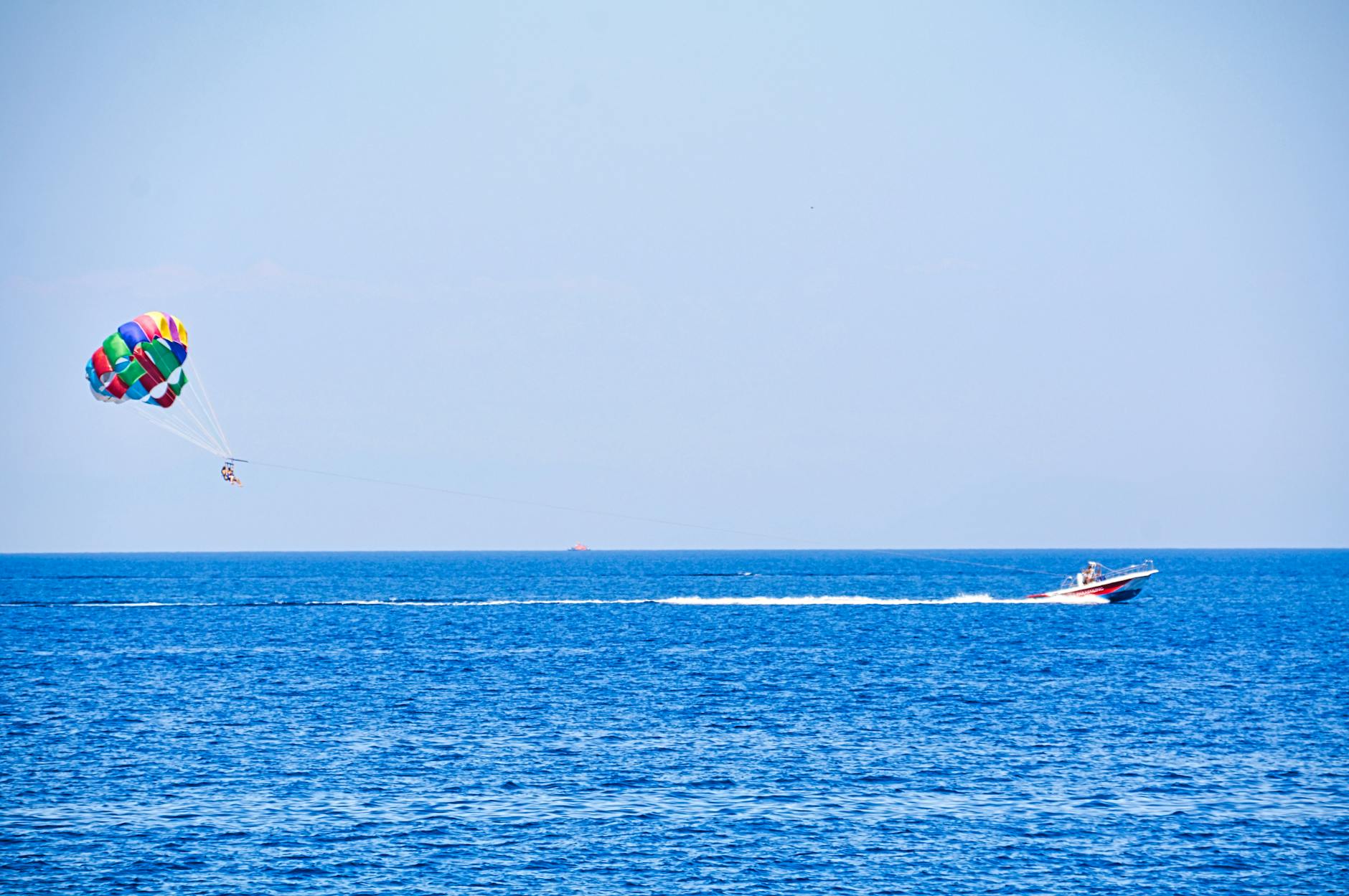
Parasailing lifts you 500 to 800 feet above the water for a gull’s-eye view of the island, the reef, and the impossibly blue shallows. It’s calmer than it looks — you’re winched up and down gently from the back of the boat — and it’s suitable for most ages, with tandem and even triple flights available. Trips run about $50–$70 per person and take an hour or so including the boat ride out. On a clear day you can see the reef line and the color gradient of the water for miles.
Kayaking and paddleboarding
At the quieter end of the spectrum, the calm backcountry is made for paddling. Guided kayak and stand-up paddleboard eco-tours thread through mangrove tunnels where you’ll spot herons, egrets, rays, and sometimes dolphins, led by naturalist guides who explain the fragile ecosystem. Tours run about $40–$60; solo rentals are available if you’d rather wander. For something memorable, a few outfits run LED-lit clear-bottom night paddles that illuminate the water beneath you. It’s the gentlest, most meditative way to get on the water and a favorite among the island’s outdoor activities.
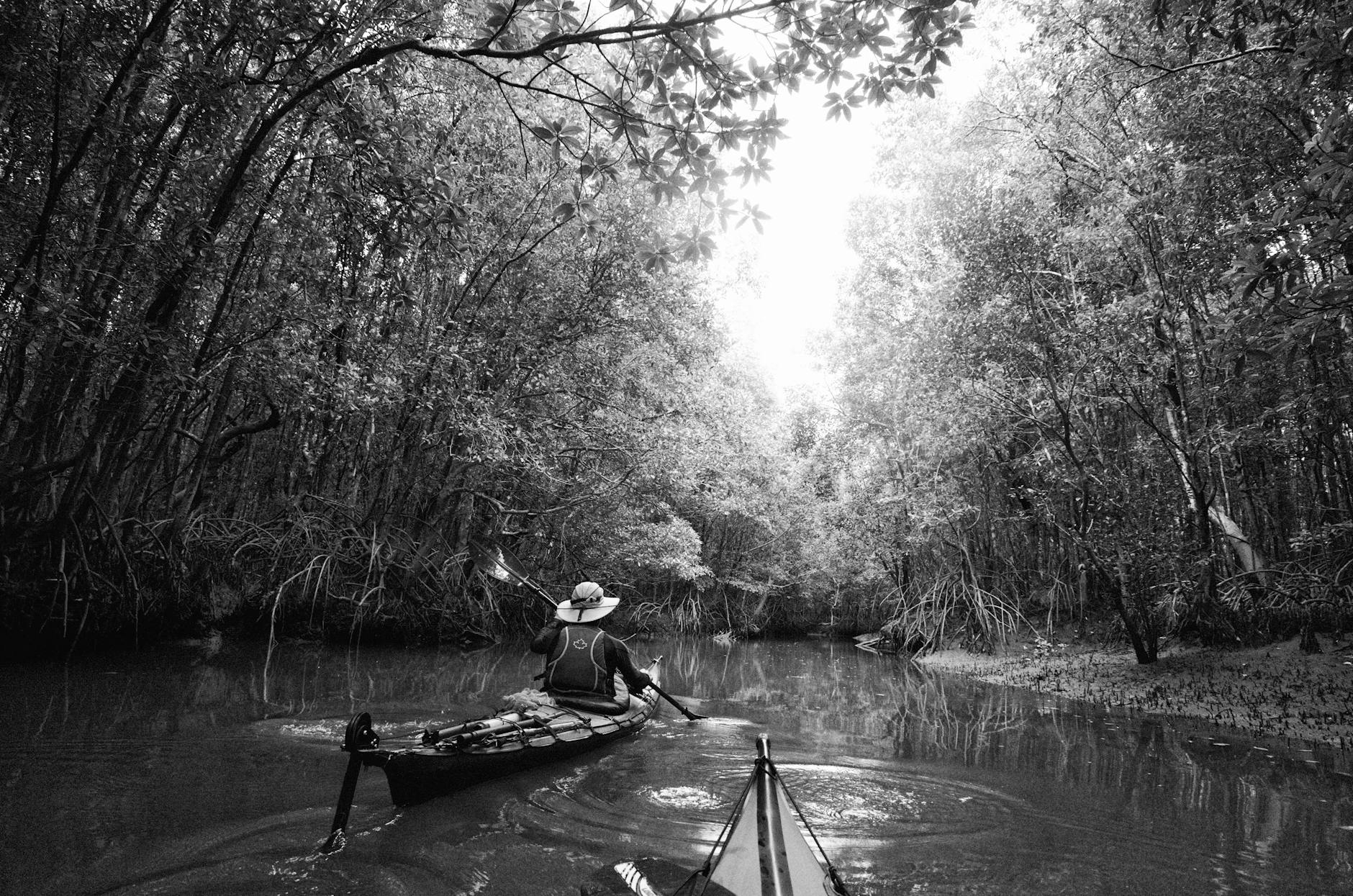
Sailing and catamaran tours
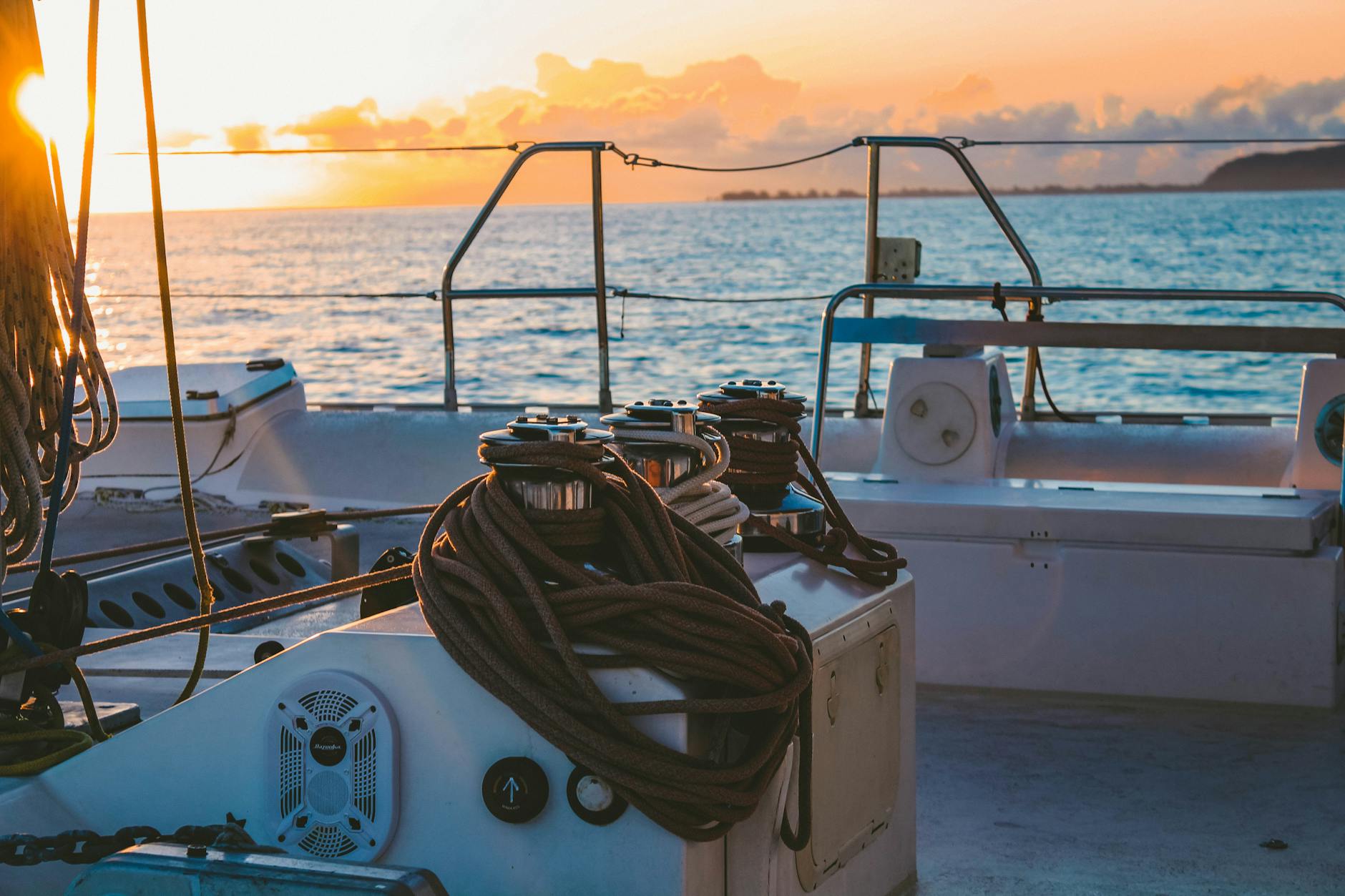
Sometimes the point is just to be on the water. Day sails and catamaran tours range from snorkel-and-sail combos to leisurely cruises with a cooler and a breeze. The classic Key West vessel is a tall-masted wooden schooner, and gliding out of the Historic Seaport under sail is a genuinely lovely way to spend a few hours. Many trips combine sailing with snorkeling or a sunset, giving you two experiences in one outing.
Dolphin watching
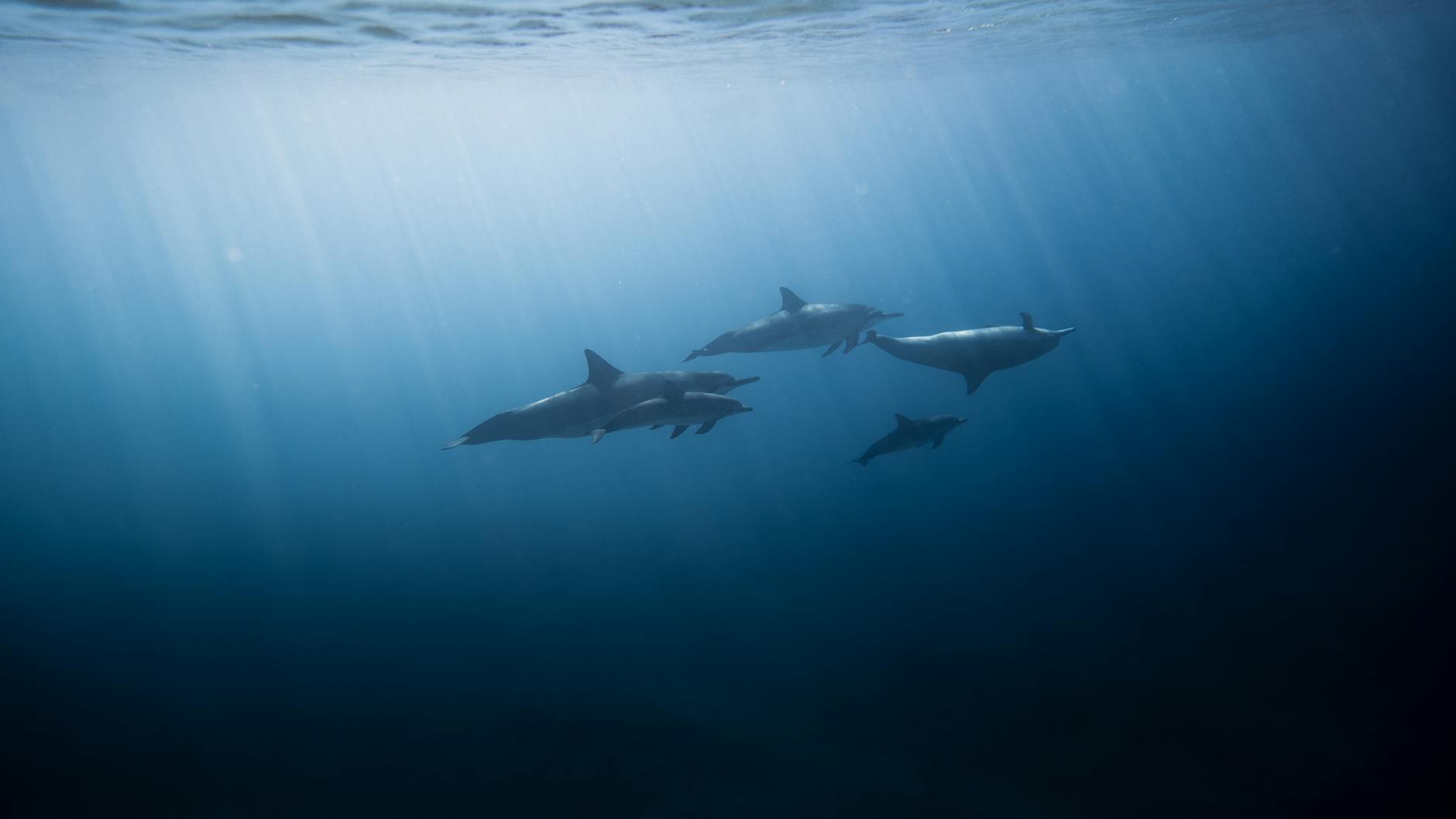
Out in the Gulf-side backcountry, pods of wild Atlantic bottlenose dolphins are a common sight, and dolphin-watching eco-tours head out to find them in their natural habitat — no captive-animal shows, just wild dolphins doing their thing. Many operators pair the dolphin watch with a snorkel stop, so you get wildlife and reef time in a single trip. It’s a hit with families and a highlight for anyone who loves marine life.
Glass-bottom boats: stay dry
Not everyone wants to get in the water, and that’s fine — glass-bottom boat tours let you see the reef and its residents through a viewing hull without ever putting on a mask. They’re a great option for young kids, older travelers, non-swimmers, or anyone who’d rather stay dry, and at around $40 they’re an affordable way to experience the underwater world. The catamarans are large and stable, and the narration is usually solid.
Sunset cruises: the quintessential outing
No water experience is more Key West than a sunset cruise. As the sun drops toward the Gulf, dozens of boats push off from the harbor — big catamarans with live music and open bars, intimate schooners, champagne sails — to watch the sky ignite from the best seat in town. Prices run $50–$80 for group sails and climb for private charters. It’s the perfect low-effort, high-reward evening, and a romantic one; see our sunset cruise guide. Pair it with the day’s snorkeling and you’ve bookended a perfect ocean day.
Wind sports: kiteboarding and windsurfing
When the winter winds pick up, the flats off Smathers Beach and the backcountry become a playground for kiteboarders and windsurfers. It’s a more specialized pursuit — lessons are a good idea if you’re new — but the steady breezes and shallow, protected water make Key West a solid spot to learn or session. Winter and spring bring the most reliable wind.
Combo packages and how to save
If you want to sample several activities, look at combo packages — many operators bundle snorkeling with kayaking, parasailing, or a jet ski, sometimes on an all-day “do it all” watersports catamaran anchored on the reef. These bundles usually beat booking each activity separately and pack a lot into one day. They’re an efficient, good-value way to hit the highlights, especially on a short trip.
When to go: a seasonal guide
Water activities run year-round in Key West thanks to warm water (70–88°F), but the season shapes the experience. Winter (Dec–Feb) is slightly cooler and often windier — great for wind sports, occasionally choppy for snorkeling. Spring (Mar–May) is a sweet spot: warm, increasingly calm, and less crowded than peak winter. Summer (Jun–Aug) brings the calmest, clearest, warmest water and the best visibility, with afternoon storms that usually pass quickly. Fall (Sep–Nov) is quiet and warm, with hurricane season the only caveat. In short, there’s no bad time — just match your activity to the conditions, and check the forecast the morning of.
Safety on the water
A few common-sense notes. Always wear reef-safe sunscreen — it’s required here to protect the coral, and the sun is strong. Never touch or stand on coral; it’s alive and fragile (and some of it stings). Be honest with operators about your swimming ability — most snorkel trips provide flotation vests and you don’t need to be a strong swimmer, but say so. Watch for currents, stay with your group and the boat, and heed the crew’s briefing. With reputable operators and a little sense, Key West’s water is about as friendly as the ocean gets. Round out your plans with our beaches guide, fishing guide, and day trips guide.
What makes Key West a world-class water destination
It comes down to a rare piece of geography. Key West is the only place in the continental United States with a living coral barrier reef right offshore, and that single fact drives everything. The reef creates a sheltered, shallow, wildlife-rich zone of water that’s warm year-round and calm enough for beginners, while still deep and dramatic enough — out at the wrecks and the reef edge — to satisfy serious divers. Add the mangrove backcountry on the Gulf side, the Gulf Stream just beyond the reef, and a mild subtropical climate, and you get an unusual concentration of every water activity in one small place. Most destinations do one or two of these things well; Key West does nearly all of them within a short boat ride of the same harbor.
That variety is also what makes it so beginner-friendly. You don’t need to be an experienced diver or a strong swimmer to have an incredible day on the water here — the shallow reef, the calm backcountry, and the abundance of guided, gear-included trips mean first-timers and families can jump straight in. And because the operators are concentrated around the Historic Seaport and a couple of marinas, comparing trips and booking is refreshingly easy once you’re in town.
A perfect water sports day
If you want to make the most of the ocean in a single day, here’s a template that works. Start early, when the water is calmest and the light is best, with a morning reef snorkel or dive trip — the marine life is most active and the visibility is at its peak. Come back to shore for a relaxed lunch at the seaport, then spend the hot early afternoon on something breezier and drier: a parasail flight for the view, a jet-ski loop for the thrill, or a mangrove kayak paddle if you’d rather wind down. As the afternoon fades, board a sunset sail and let someone else do the work while you watch the sky turn colors from the deck. That arc — active and underwater in the morning, breezy in the afternoon, easy at sunset — is how locals and repeat visitors structure their best ocean days, and it leaves you pleasantly exhausted by the time the stars come out.
Booking and choosing an operator
With dozens of operators competing for your business, a little discretion goes a long way. Read recent reviews, confirm exactly what’s included (gear, instruction, drinks, how long you’re actually in the water versus on the boat), and ask about group size — smaller trips mean more attention and less waiting. For snorkeling and diving especially, the size and type of boat matters: big catamarans are stable and social, while smaller boats reach quieter sites with fewer people. Most reputable outfits cluster around the Historic Seaport, which makes it easy to walk the docks, ask questions, and compare before you commit. And whatever you book, treat the reef gently — this ecosystem is why the whole scene exists, and keeping it healthy is on all of us.
Renting versus going guided
One last decision worth thinking through: do it yourself or go with a guide? For kayaks, paddleboards, and shore snorkeling at Fort Zachary Taylor, renting gear and setting your own pace is easy, affordable, and rewarding — you can explore the nearest mangroves or beach reef entirely on your own schedule. For everything that involves the offshore reef, the wrecks, a jet ski, or a parasail, though, you’ll go with a licensed operator, and that’s a feature rather than a limitation: they know the best sites, carry the right safety gear, handle the boat, and get you to water you simply couldn’t reach on your own. A good rule of thumb is to rent for the calm, close-in, low-risk activities and book a guide for anything that takes you out to the reef or up into the air. Either way, you’re never more than a short trip from an unforgettable few hours on the water.
Frequently asked questions
What is the best water sport to do in Key West?
Snorkeling, for most people — the shallow reef is world-class and accessible to beginners. If you’re certified, diving the Vandenberg wreck is the standout. For a mix of thrill and scenery, the island jet-ski loop is hard to beat.
How much do Key West water sports cost?
Roughly $45–$80 for a half-day snorkel or sunset sail, $100–$150 for a two-tank dive, $100–$160 per jet ski, $50–$70 for parasailing, and $40–$60 for a kayak or paddleboard tour. Combo packages often save money.
Do I need to know how to swim?
For snorkeling, basic comfort in the water helps, but trips provide flotation vests and you don’t need to be a strong swimmer — just tell the crew. Non-swimmers can enjoy glass-bottom boats, parasailing, and sunset cruises without getting in the water.
What should I bring for a water sports day?
Reef-safe sunscreen, a hat and sunglasses, a towel, a change of clothes, water, and any seasickness medication if you’re prone to it. Operators supply the specialized gear. A waterproof phone case is handy for photos.
When is the best time of year for Key West water sports?
Summer has the calmest, warmest, clearest water and the best snorkeling visibility. Spring and fall are excellent and less crowded. Winter is cooler and windier — ideal for wind sports, occasionally choppy for snorkeling.
Are Key West water sports safe for children?
Many are very family-friendly — glass-bottom boats, gentle snorkel trips, dolphin watching, and parasailing (with age and weight minimums). Check each operator’s age requirements, and choose calm-water options for younger kids.
Should I book water sports in advance?
In peak season, yes — book popular snorkel trips, dives, and sunset sails a day or two ahead, as they fill. In the off-season you can often book same-day. Big events and holidays sell out faster.
Can I rent equipment and go on my own?
Yes for kayaks, paddleboards, and shore snorkeling gear. For reef snorkeling, diving, jet skiing, and parasailing, you’ll go with a licensed operator for safety and access to the best sites.


