Sheet 16 · Water Sports
Key West Scuba Diving: Best Dive Sites & Operators (2026 Guide)
Plan your Key West scuba diving trip with this 2026 guide: Vandenberg wreck, top reef sites, dive operator comparison, certification roadmap, and pricing.
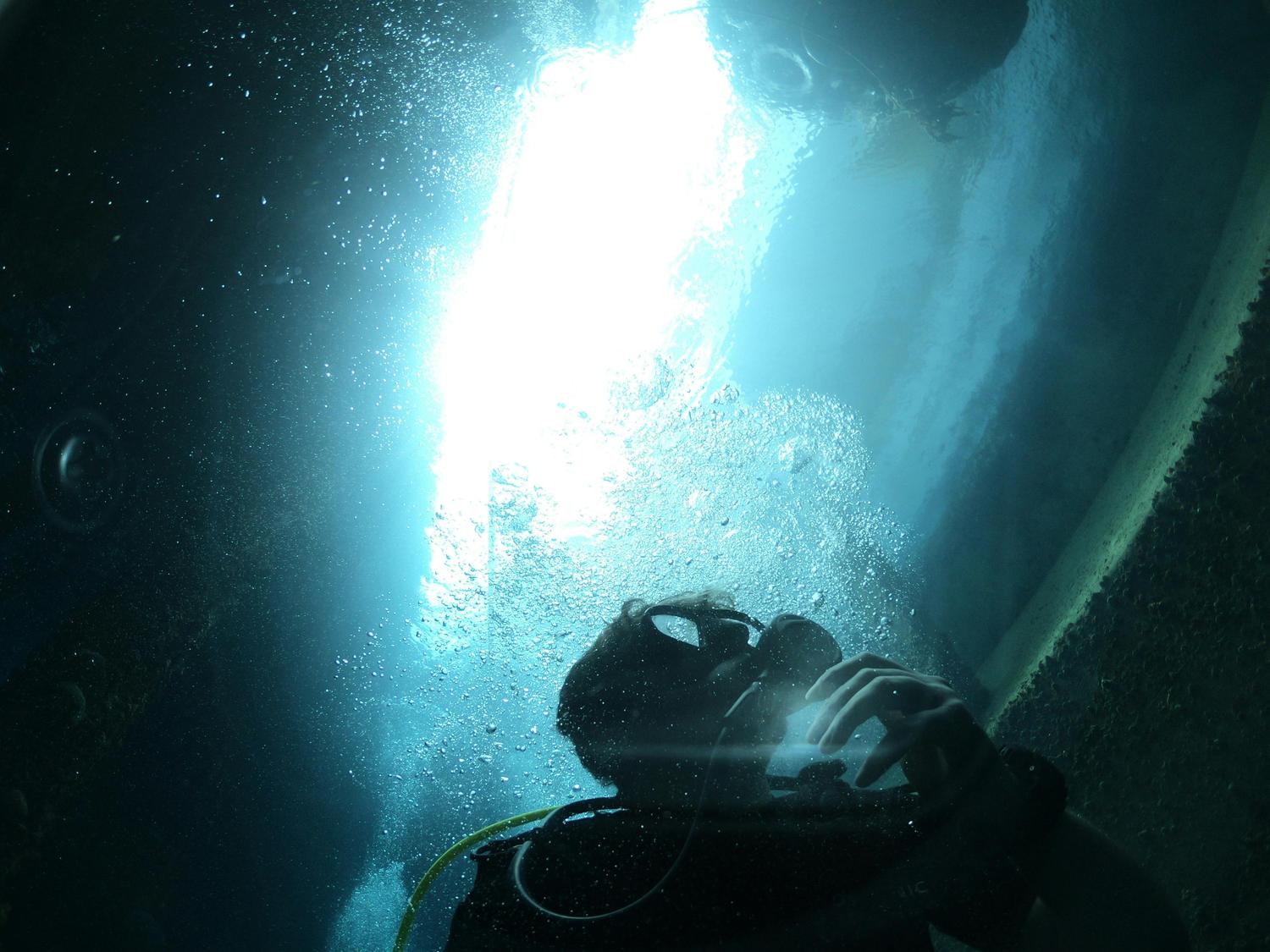
Key West scuba diving rivals the best wreck and reef diving in the United States. The 522-foot USNS Vandenberg artificial reef sits 7 miles offshore in 145 feet of water — the second-largest artificial reef on the planet, with the upper deck at 80-100 feet making it accessible to Advanced Open Water divers. Closer in, the 187-foot Cayman Salvager wreck, the upright 65-foot Joe’s Tug, and the protected reefs at Western Sambo and Eastern Dry Rocks deliver world-class diving year-round in 78-86°F water. This guide is the complete 2026 Key West scuba playbook — every named dive site with depth and skill level, the top operators (Lost Reef Adventures, Dive Key West, Captain Hook’s, Subtropic, Southpoint, Captain’s Corner, Finz Dive Center) with current pricing, certification roadmap, the snorkel-vs-scuba decision matrix, and the seasonal calendar that helps you match your trip to the best diving conditions. Written by Key West locals who dive these sites regularly. Diving sits at the serious end of the island’s water sports lineup, sharing boats and reef with the snorkel fleet.
You will get detailed coverage of the Vandenberg, Cayman Salvager, Joe’s Tug, Western Sambo, Eastern Dry Rocks, and Marquesas Keys with depth ranges, certification requirements, and what to expect on each. Operator comparison with pricing for 2-tank reef trips ($100-140), Vandenberg trips ($160-200), Discover Scuba ($165-225), and certification courses ($500 Open Water, $425 Advanced, $350 Wreck Specialty). Plus underwater photography tips, marine-life seasonality (goliath grouper aggregations August-September), and the honest difference between Key West dive operators.
Key Takeaways
- Headline wreck: USNS Vandenberg — 522-ft former missile-tracking ship, sunk 2009, sits in 145 ft, deck at 80-100 ft. Advanced cert required.
- Other top wrecks: Cayman Salvager (95 ft), Joe’s Tug (65 ft), Aaron’s Beard.
- Top reef sites: Western Sambo Ecological Reserve, Eastern Dry Rocks, Sand Key.
- Top operators: Lost Reef Adventures, Dive Key West (Blue Star), Captain Hook’s, Subtropic, Southpoint, Captain’s Corner, Finz.
- 2-tank reef: $100-140. Vandenberg 2-tank: $160-200. Discover Scuba: $165-225. Open Water cert: $500-650.
- Best diving months: May-September for warmest water and best visibility (50-100 ft).
- Marine life seasonality: Goliath grouper aggregations August-September; sea turtles April-September.
Why Key West for Scuba Diving
Key West sits at the convergence of three productive marine zones: the Atlantic reef system to the south, the Gulf of Mexico to the west, and the Florida Bay backcountry to the north. The Florida Keys reef is the only living coral barrier reef in the continental US — the third-largest barrier reef in the world after Australia and Belize. Combine that with multiple intentionally-sunk artificial reefs (Vandenberg, Cayman Salvager, others), warm year-round water (78-86°F), and a deep operator ecosystem, and Key West offers diving variety unmatched in most of the United States. Non-divers in the group can see the same coral from a glass-bottom boat over the shallower inshore sites.
Top Key West Wreck Dive Sites
USNS Vandenberg
Distance: 7 miles offshore.
Depth: 145 feet (sand bottom); top deck 80-100 feet.
Certification required: Advanced Open Water (or PADI Deep Specialty).
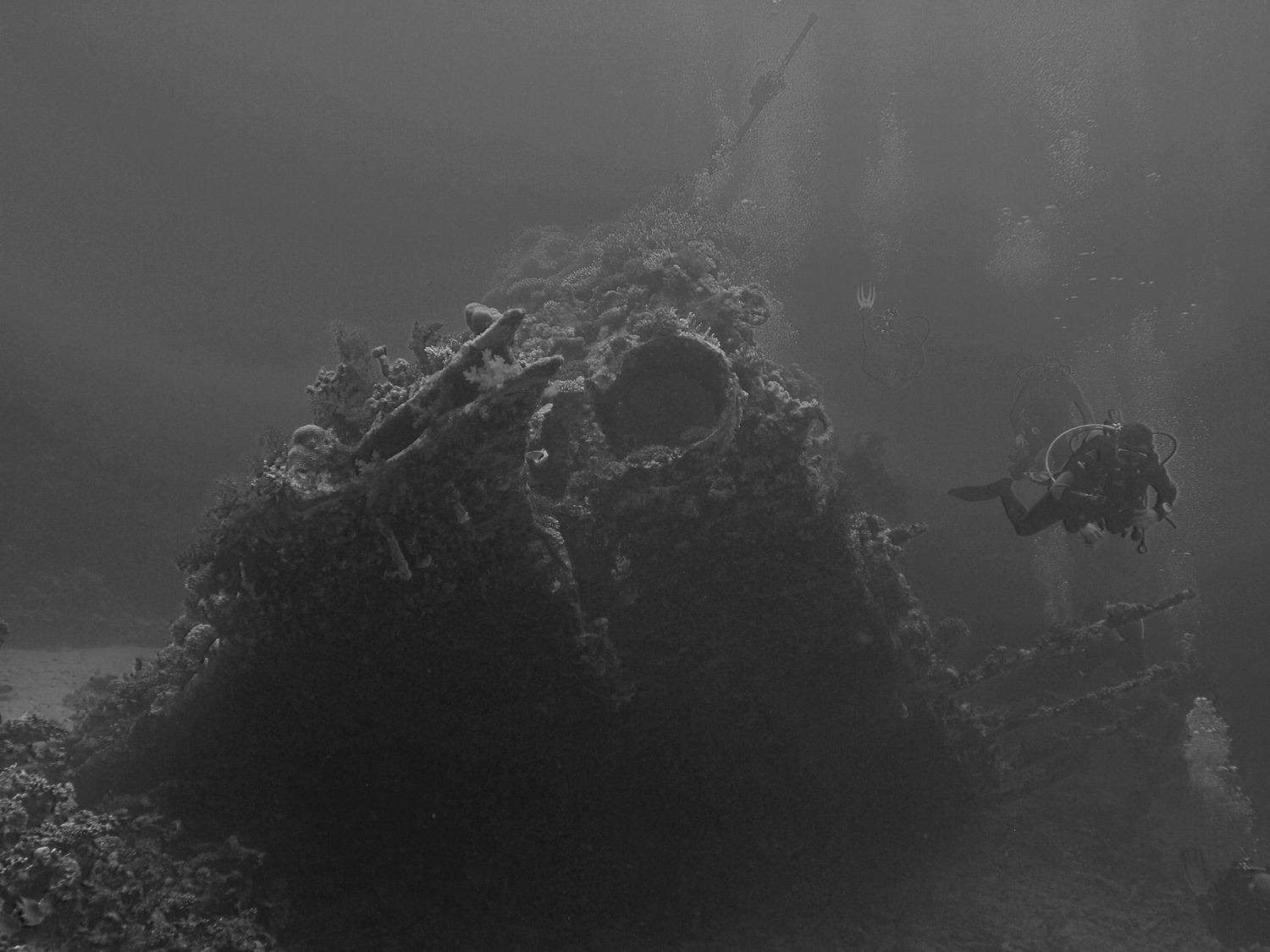
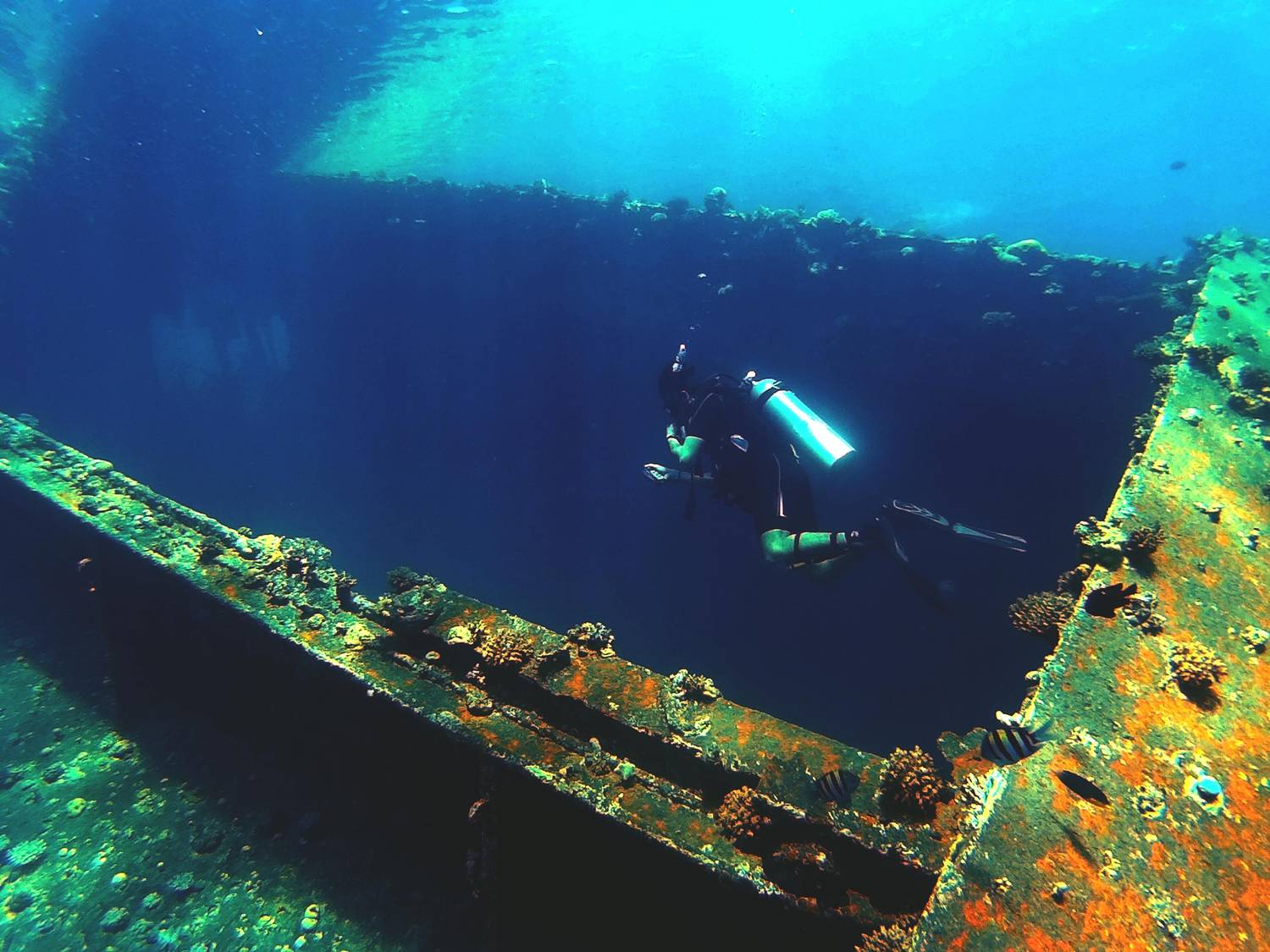
The headline Key West wreck dive. The Hoyt S. Vandenberg was a 522-foot former missile-tracking ship with WWII troop transport history. Sunk May 27, 2009 as an artificial reef. Sits upright on the seabed. The upper deck is at 80-100 feet, the radar towers at 50-60 feet are accessible to all certified divers, the lower decks and engine room at 100-140 feet are deep specialty.
The Vandenberg is the second-largest artificial reef on the planet (after the USS Oriskany). Multiple penetration routes for technical divers. Marine life: schooling barracuda around the radar towers, goliath grouper (especially August-September aggregation), occasional Atlantic sailfish, abundant snapper, and resident lionfish (invasive — divers with permits remove them).
Trip format: Most operators run 2-tank Vandenberg trips ($160-200). The first tank is typically a deep dive on the wreck; the second tank can be a shallower follow-up at a nearby reef site for surface interval purposes.
Cayman Salvager
Distance: 4-5 miles offshore.
Depth: 95 feet (top of wreck at 80 feet).
Certification required: Open Water (with appropriate dive plan).
187-foot former buoy tender, sunk 1985 as an artificial reef. Sits upright. Resident goliath grouper, snapper schools, occasional barracuda. Less crowded than the Vandenberg. Good intermediate-level wreck dive.
Joe’s Tug
Distance: 4 miles offshore.
Depth: 65 feet upright; 75 feet to seabed.
Certification required: Open Water.
Smaller wreck — a 75-foot tugboat sitting upright at a manageable depth. Excellent for first wreck dives, training dives, and Wreck Specialty certification. Penetration possible with proper training.
Aaron’s Beard
A smaller wreck site less commonly visited. Some operators include it in 2-tank trips combined with reef sites.
Top Key West Reef Dive Sites

Western Sambo Ecological Reserve
Distance: 8 miles southeast.
Depth: 24-40 feet on reef; deeper edges to 60+ feet.
Certification required: Open Water.
The most ecologically protected reef in the lower keys — 12 square miles of full no-take Ecological Reserve. The last surviving stand of elkhorn coral in the lower keys. Dense fish populations because of the no-fishing rules. Less crowded than Sand Key.
Eastern Dry Rocks
Distance: 7 miles south.
Depth: 8-35 feet.
Certification required: Open Water.
Spur-and-groove coral topography with narrow channels divers can swim through. Spanish galleon ballast stones from historic shipwrecks scattered across the bottom. Strong fish population, occasional turtles.
Sand Key Reef
Distance: 7 miles southwest.
Depth: 5-40 feet.
Certification required: Open Water (great for refresher dives).
The most popular reef site near Key West. Sand Key Lighthouse (1853) on the reef as a landmark. Beginner-friendly with shallow sand patches between coral heads. Frequent first-time-divers’ site for Open Water training dives.
Marquesas Keys
Distance: 25 miles west of Key West.
Depth: Variable, mostly 15-50 feet.
Certification required: Advanced for some sites.
Remote backcountry diving, harder to reach. Premium charter required. Best for advanced/exploration trips.
Top Key West Dive Operators
Lost Reef Adventures
Location: 261 Margaret Street.
PADI 5-Star Center. 40+ years operating. Small group sizes. Rated 4+ stars from 537+ reviews. Strong on Vandenberg combo trips and intermediate-to-advanced reef sites. 2-tank reef $115-130; Vandenberg $175-195.
Dive Key West
Location: 3128 N Roosevelt Boulevard.
The largest, most established Key West dive operator. Blue Star Operator (recognized for reef conservation practices). 2-tank reef $115-125; Vandenberg $165-185. Multiple boats, multiple daily departures.
Captain Hook’s Marina & Dive Center
Full-service operator, Vandenberg specialists. Multi-day dive packages available. 2-tank reef $115-130; Vandenberg $175-195.
Subtropic Dive Center
PADI 5-Star, smaller-scale alternative. 2-tank reef $115-125. Strong rebreather and tech-dive support.
Southpoint Divers
Sometimes called “vastly superior” by repeat divers — smaller boats, attentive service. 2-tank reef $115-130. Specializes in private and small-group dives.
Captain’s Corner Dive Center
Does the Vandenberg double-dip with a 1-hour surface interval (rare format among Key West operators). 2-tank Vandenberg $165-185.
Finz Dive Center
Vandenberg and wreck-focused operator. Smaller scale, Vandenberg specialty. 2-tank Vandenberg $170-190.
Pricing Cheat Sheet
2-tank reef trip: $100-140
2-tank Vandenberg/wreck trip: $160-200
Discover Scuba (no certification required): $165-225
Open Water Certification: $500-650 (3-4 days)
Advanced Open Water Certification: $425-525
Wreck Specialty: $325-400
Nitrox Certification: $200-275
Refresher dive: $80-100
Tipping: 15-20% of trip cost to dive crew, paid in cash.
Certification Roadmap
Discover Scuba (No Certification)
$165-225 introduction. Pool/shallow-reef training with one-on-one instructor supervision. Shallow reef site only (max 40 feet typically). Best for first-time divers wanting to try scuba without committing to a course.
Open Water Certification
$500-650. 3-4 days. Includes classroom (or online), confined-water (pool) sessions, and 4 open-water dives. Certification is good for life and recognized worldwide. Maximum recreational depth: 60 feet (some agencies 100 feet).
Advanced Open Water
$425-525. 2-3 days. Required for diving the Vandenberg upper deck. Includes 5 specialty dives (deep, navigation, plus 3 others of your choice — common choices include wreck, photography, night, search and recovery).
Wreck Specialty
$325-400. 2 days. Required for safe wreck penetration. Covers wreck-specific safety, navigation, and rescue techniques.
Nitrox
$200-275. 1 day classroom + dive. Allows breathing enriched-oxygen mix for longer bottom times. Strongly recommended for Vandenberg and other deep wreck dives.
Tech and Cave Diving
Beyond recreational scope. Some Key West operators (Subtropic, Captain Hook’s) offer tech training.
What’s Included on a Dive Trip
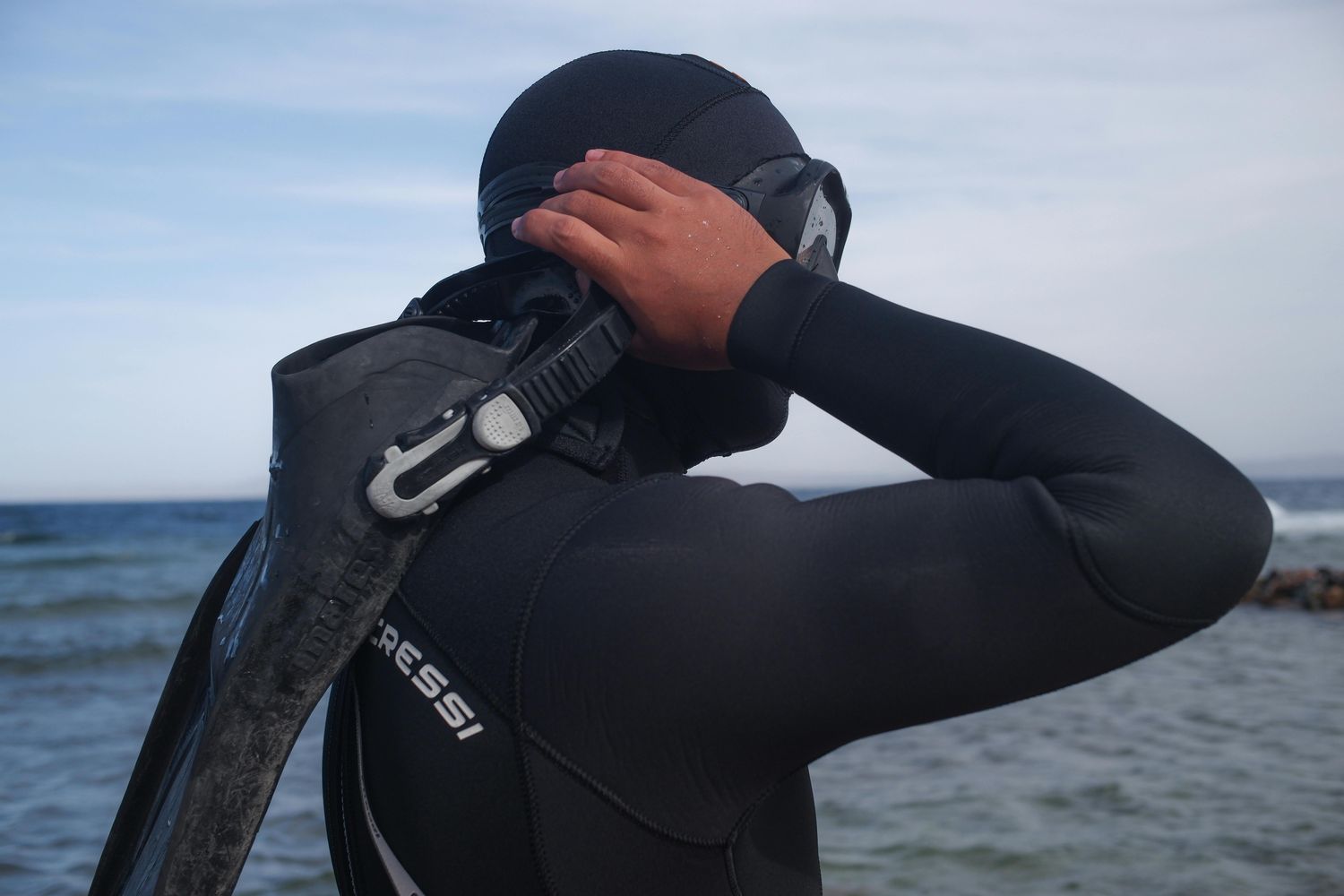
Standard inclusions: Tanks (2 per diver), weights, weight belt, divemaster guidance, captain and crew, transportation to and from dive sites, basic safety equipment.
Often included: BCD (buoyancy compensator), regulator, light snacks, drinks (water, juice — alcohol after diving only), surface interval activities.
Bring or rent: Mask, fins, snorkel (better fit if you bring your own; rent for $15-25/day if needed). Wetsuit (3mm shorty for May-October; 3-5mm for December-February). Dive computer (mandatory at most operators; rent for $10-20/day).
Bring yourself: Reef-safe sunscreen, hat, polarized sunglasses, soft-soled shoes, light jacket for boat ride, Dramamine, towel, swim trunks, cash for tip.
Marine Life Seasonality
Goliath grouper aggregations: August-September. Hundreds of 200-400+ pound goliaths gather at the Vandenberg, Cayman Salvager, and other wrecks. The signature Key West dive event of the year.
Sea turtle encounters: April-September. Hawksbill and loggerhead most common.
Sailfish: Possible at the Vandenberg radar towers December-April.
Lionfish: Year-round (invasive — divers with permits can spear them).
Lobster: Year-round on reef. Recreational mini-season last consecutive Wednesday-Thursday of July is the busiest dive event of the year (huge crowds — book accommodations months ahead).
Coral spawning: Late summer (typically August), specific nights tied to lunar cycles. Specialty trips run for this event.
Best Time of Year for Key West Scuba
May-September: Warmest water (80-86°F), best visibility (50-100 ft on calm days), goliath aggregation August-September. Hurricane season risk June-November.
April-May: Sweet spot — warming water, fewer crowds, no hurricane risk yet.
October-March: Cooler water (70-78°F), wetsuit recommended. Visibility variable; cold fronts can drop visibility for 1-3 days.
Daily timing: Morning trips (8 a.m. departures) typically have the calmest seas and best visibility. Afternoon trips can have summer thunderstorm cancellations.
Snorkel vs. Scuba: Which Is Right?
For first-timers and travelers who don’t want to invest in certification, snorkeling captures 80% of the reef experience at a fraction of the cost ($50-95 vs $115-200) and effort. Snorkeling reaches 5-30 feet effectively — covering the upper portion of the reef where most marine life lives.
For divers and travelers wanting deeper sites — particularly the Vandenberg, the Cayman Salvager, or Western Sambo’s deeper reaches — scuba is required. The trade-off is the certification investment and the equipment commitment.
For travelers who want both, several operators offer combination snorkel + dive trips. Snorkelers swim the reef while divers descend; both surface together for the boat ride home.
Underwater Photography
The Vandenberg wrecks and the Western Sambo elkhorn coral are among the most-photographed Key West dive sites. Photography tips:
Camera options: GoPro for casual divers (set to natural light or magenta filter at depth). Olympus TG-7 or Canon G7X with underwater housing for intermediate. Mirrorless with strobes for advanced.
Lighting: Ambient light only at depths under 30 feet. Strobes essential at deeper sites (especially Vandenberg).
Settings: Manual white balance corrects the magenta cast that occurs as you descend. White card available from most underwater photo operators.
Camera rentals: Available at most major operators ($30-60/day for GoPro setups; $75-150/day for mirrorless rigs).
Frequently Asked Questions
Is Key West good for scuba diving?
Yes — among the best in the United States. The Vandenberg wreck (2nd-largest artificial reef on the planet), the only living coral barrier reef in the continental US, multiple smaller wrecks, warm year-round water, and a deep operator ecosystem make Key West a top US dive destination.
How deep is the Vandenberg wreck?
The Vandenberg sits in 145 feet of water. The top deck is 80-100 feet. The radar towers reach up to 50-60 feet. The lower decks and engine room are 100-140 feet (deep specialty territory).
Do you need to be certified to dive the Vandenberg?
Yes — Advanced Open Water certification (or PADI Deep Specialty) is required for the Vandenberg upper deck (80-100 feet). For deeper exploration of the wreck (lower decks at 100-140 feet), Deep Specialty or technical training is required.
What’s the best time of year to scuba dive in Key West?
May-September for warmest water (80-86°F) and best visibility (50-100 ft). August-September for the goliath grouper aggregation. April-May is the sweet spot before hurricane season starts.
How much is a scuba certification in Key West?
Open Water certification: $500-650 over 3-4 days. Advanced Open Water: $425-525. Wreck Specialty: $325-400. Discover Scuba (no certification): $165-225 for a single experience dive.
Are there sharks in Key West dive sites?
Yes — primarily nurse sharks (docile bottom dwellers) and occasional reef sharks. Bull sharks and hammerheads are rare. There has never been a documented dive-related shark attack at Key West dive sites.
How much does a Vandenberg dive cost?
$160-200 for a 2-tank Vandenberg trip. Includes tanks, weights, divemaster, and transportation. Most operators include light snacks and drinks.
What is the best Key West dive operator?
Lost Reef Adventures and Dive Key West are the most-recommended large operators. Southpoint Divers and Subtropic for smaller-group attentive service. Captain Hook’s and Captain’s Corner for Vandenberg specialists.
Can I do a Discover Scuba in Key West?
Yes — most major operators offer Discover Scuba experiences for non-certified divers. $165-225 for a one-day shallow-reef intro with one-on-one instructor supervision.
When is the best time to see goliath grouper in Key West?
August-September aggregation at the Vandenberg, Cayman Salvager, and other wrecks. Hundreds of 200-400+ pound goliaths gather for spawning.
Do Key West dive operators provide all the equipment?
Most provide tanks, weights, BCD, and regulator (or rent for $25-40/day). Mask, fins, snorkel are typically the diver’s responsibility (or rent for $15-25/day). Wetsuit rental varies by season.
Is the Cayman Salvager worth diving?
Yes — sits upright at 95 feet, accessible to Open Water certified divers, resident goliath grouper, less crowded than the Vandenberg. A solid second wreck dive after the Vandenberg or for divers wanting wreck experience without Advanced certification.
Final Thoughts
Key West scuba diving genuinely competes with the best in the US — and arguably with much of the Caribbean. The Vandenberg is a destination wreck in its own right, the reef sites support diverse marine life, and the operator ecosystem is mature and professional. Pick an operator that matches your style (Lost Reef and Dive Key West for big-operator reliability, Southpoint for small-group attention, Captain’s Corner for Vandenberg double-dip), book a morning departure for calmest seas, bring Dramamine, tip the crew. For first-time divers, take Discover Scuba on a Sand Key trip; for certified divers, head straight for the Vandenberg.
For more on planning, see our complete Key West water sports pillar guide, our Key West snorkeling guide, our Dry Tortugas day trip guide (advanced reef + history combo), our day trips guide, and our things to do in Key West guide.
One more thing worth saying, because we would rather you had a good trip than a loyal one: the deepest, biggest wrecks in the Keys are down here, but the shortest boat rides and the widest choice of operators are at the top of the chain. If your trip is built entirely around tanks, read our Key Largo guide before you book — the Spiegel Grove, the Duane and Molasses Reef are all inside half an hour of the dock up there.
If you are building a Keys diving itinerary rather than a Key West one, the first undersea park in the United States is the other half of it. Pennekamp protects 70 nautical square miles off Key Largo and runs guided two-tank reef trips at $95–$140, with the Spiegel Grove and the Duane a short run outside its boundary. See our John Pennekamp guide for what the park itself runs.
For an easy, shallow reef dive with long bottom times, the Lower Keys offer a gentler alternative to the Vandenberg. Looe Key runs from about 5 feet on the crest to 30-odd feet at the sand, and two-tank trips often pair it with the Adolphus Busch Sr. wreck in around 100 feet for advanced divers. Our Looe Key Reef guide has the details.
Divers lose heat faster than snorkelers, so the right suit changes through the year. Our Key West water temperature guide sets out the month-by-month sea temperatures and when a wetsuit earns its place in the bag.
Sources & corrections
Rates, hours and closures verified against operator listings and on-island visits. Prices are peak-season unless noted.