Sheet 16 · Where to Stay
Where to Stay in Key West: Neighborhood Guide (2026)
A guide to Key West neighborhoods and where to stay — Old Town, Truman Annex, Bahama Village, Casa Marina, New Town and Stock Island compared by vibe, price and walkability.

Where you base yourself in Key West shapes your entire trip — whether you wake up to roosters and Caribbean cottages, gated calm a block from the beach, or the buzz of Duval Street right outside your door. The island is small, but its neighborhoods have wildly different personalities, and picking the right one is the single most important lodging decision you’ll make. After staying all over the island, here’s my honest, on-the-ground guide to Key West neighborhoods — what each one feels like, who it suits, and exactly where to stay in each.

Key Takeaways
- Old Town is the historic, walkable heart — best for first-timers, nightlife, and being in the middle of everything.
- Truman Annex offers gated calm and beauty steps from Duval and the beach; Bahama Village brings color and local character.
- New Town and the Casa Marina area are quieter and more residential, near the beaches and airport; Stock Island offers space and value just over the bridge.
- Stay in Old Town if you want to skip the car; choose elsewhere for space, quiet, or savings.
Key West geography in 60 seconds
The island is roughly four miles long and two wide, split loosely into two halves. Old Town occupies the western end (everything west of White Street, give or take) — this is the historic district with Duval Street, the Victorian homes, the sunset, and nearly all the attractions. New Town spreads across the eastern, more modern half, where most locals actually live and where you’ll find the airport, the big-box stores, and the longest beaches. Just beyond the eastern bridge sits Stock Island, a working, increasingly artsy island that’s technically separate but functionally part of the Key West scene. Get that mental map down and everything below clicks into place. Our where to stay in Key West guide ties it all together.
Old Town: the historic heart

Best for: first-timers, nightlife lovers, history buffs, anyone who wants to skip the car.
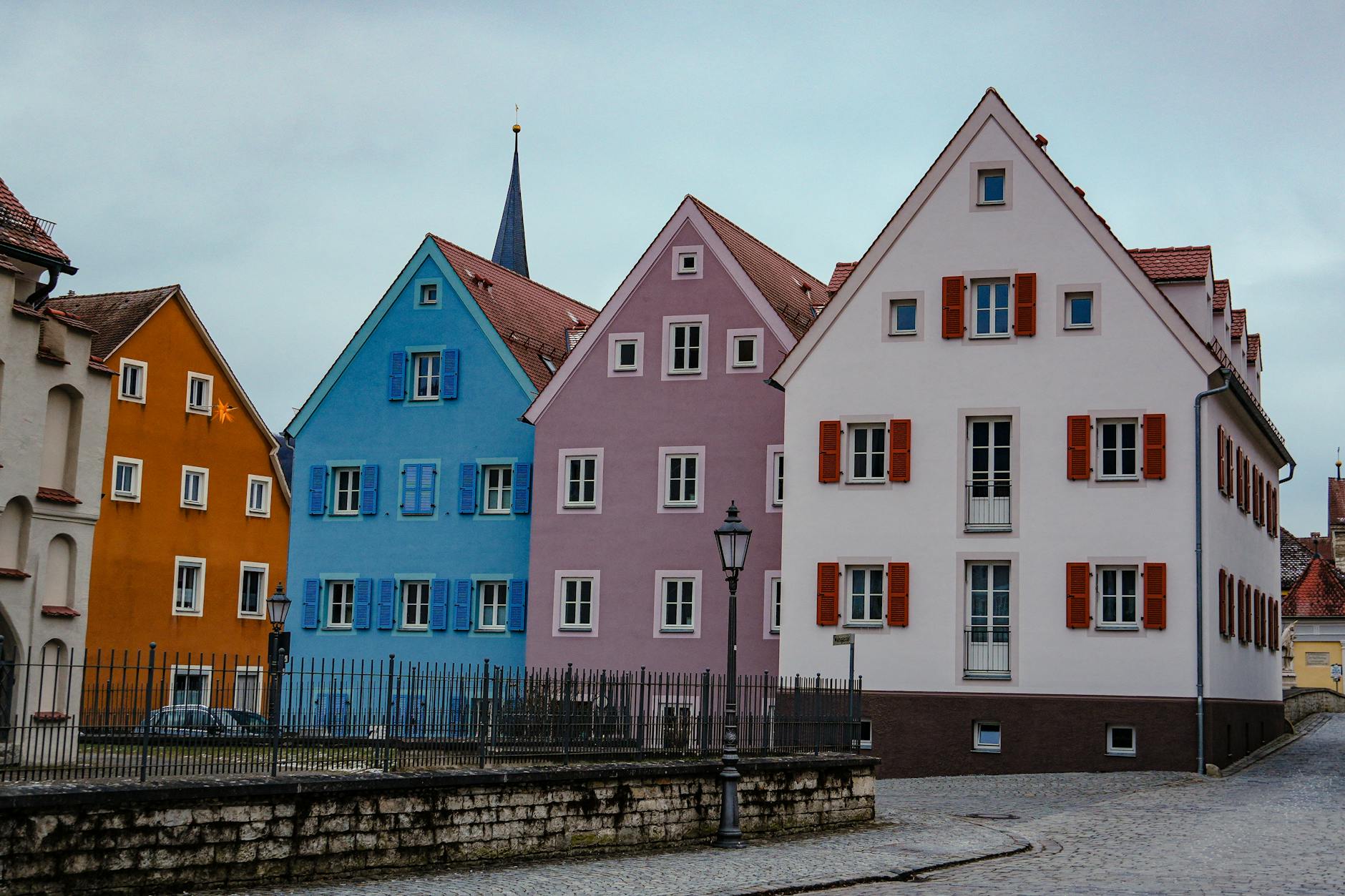
If it’s your first trip, stay here. Old Town is the postcard Key West — pastel Conch houses on shaded lanes, Duval Street’s bars and galleries, the Historic Seaport, Mallory Square, and most of the museums, all packed into a walkable, bikeable grid. You can roll out of bed to coffee, wander to dinner, catch the sunset, and stumble home without ever touching a car. The trade-offs: it’s the priciest area, parking is a headache, and the blocks closest to Duval can be noisy at night.
Lodging here runs the full range — historic bed and breakfasts and inns, boutique hotels, vacation rentals in Conch cottages, and a few larger hotels. For the best of Old Town’s energy, see our nightlife guide and our roundup of hidden gems. Light sleepers should book a few blocks off Duval for quiet.
Truman Annex: gated calm in the heart of it all

Best for: couples, families, and anyone wanting beauty and quiet without sacrificing location.
This is my pick for travelers who want the best of both worlds. A former naval base beautifully redeveloped in the 1990s, Truman Annex is a manicured, gated enclave at the western tip of Old Town — think wide brick sidewalks, tropical landscaping, and elegant homes and condos, all just steps from Duval, the Historic Seaport, and Fort Zachary Taylor’s beach. It’s named for President Truman, whose Little White House sits here. The gates keep it peaceful and traffic-free while remaining open to pedestrians and cyclists by day, so you get serenity and walkability at once. It’s upscale and priced accordingly, but for many travelers it’s worth every dollar.
Bahama Village: the real Key West

Best for: culture seekers, foodies, travelers who want character over polish.
Tucked into the southwest corner of Old Town, Bahama Village was settled by Bahamian immigrants in the 1800s and still pulses with Caribbean color — shotgun cottages painted in calypso blues and pinks, roosters in the streets, murals, music, and some of the island’s best local kitchens (Blue Heaven among them). Many call it the last glimpse of the “real” Key West. You’re a short walk from Duval but a world away in feel, often at slightly gentler prices. Lodging skews toward guesthouses and vacation rentals. To dig into its history, see our Key West history and culture guide.
The Casa Marina District: beach-side and residential

Best for: beach lovers and families who still want to be near Old Town.
Along the Atlantic shore on the southern edge of the island, the Casa Marina neighborhood is a leafy, residential pocket home to the island’s beach resorts (Casa Marina and The Reach) and the public sands of Higgs Beach. It’s quieter and more spread out than the Duval core, yet still an easy walk or bike ride from Old Town. If beach access tops your list, this area — covered more in our beachfront hotels guide and beaches guide — is a sweet spot.
New Town: where the locals live
Best for: budget travelers, longer stays, and those who don’t mind driving.
The eastern half of the island is home to roughly three-quarters of Key West’s residents, plus the airport, supermarkets, chain hotels, and the long public stretch of Smathers Beach. It’s residential and practical rather than charming, but that’s exactly why it offers better value and easier parking. You’ll want a car, scooter, or bike to reach Old Town (a 10-to-15-minute ride), but you’ll trade the historic ambiance for lower prices and more space. Good for budget-minded travelers and longer stays — pair it with our cheap hotels guide and getting around guide.
Stock Island: space, marinas, and a creative edge

Best for: travelers wanting resort space, marinas, or a more local, artsy base.
Just over the bridge from Key West proper, Stock Island has shed its rough reputation to become one of the most interesting corners of the Lower Keys — home to working shrimp boats, artist studios, marina resorts (Oceans Edge, Perry Hotel), and a couple of excellent waterfront restaurants. You get more space and Atlantic views for your money, plus a genuine, un-touristy atmosphere, in exchange for needing a car to reach Duval (about 10 minutes). It’s a savvy choice for those who find Old Town too crowded. Our day trips guide covers more of what’s beyond the island’s core.
Quieter pockets within Old Town
If you love the idea of Old Town but worry about noise, know that the district has peaceful residential corners just a few blocks from the Duval buzz. The Meadows, tucked north and east of the commercial core, is a leafy enclave of grand homes and quiet lanes that feels worlds away from the bars yet remains an easy walk in. Solares Hill — the “high” ground around the cemetery, all of 18 feet above sea level — and the residential streets surrounding it offer classic Conch cottages, gardens, and calm, while keeping you central. Booking in these pockets gets you Old Town’s walkability and charm with a good night’s sleep; just look one or two streets back from Duval and you’ll find the sweet spot. You can scout these lanes on one of our self-guided walking tours.
Which neighborhood should you choose?
Here’s the quick decision guide:
- First trip / want it all walkable: Old Town.
- Quiet beauty near the action: Truman Annex.
- Local color and culture: Bahama Village.
- Beach access with calm: Casa Marina district.
- Value and space, don’t mind a car: New Town or Stock Island.
Where to stay by trip type
- First-timers: Old Town, hands down — you’ll be in the middle of everything and won’t need a car.
- Couples and honeymooners: Truman Annex or a quiet Old Town inn; see our romantic Key West guide.
- Families: Truman Annex or the Casa Marina district for space, calm, and beach access — more in our Key West with kids guide.
- Budget travelers: New Town or a guesthouse off Duval; pair with our budget guide.
- Groups of friends: a multi-bedroom vacation rental in Old Town or Bahama Village splits costs and keeps you central.
- Returning visitors craving local life: Stock Island or Bahama Village.
Neighborhood pros and cons at a glance
Old Town — Pros: walkable, central, full of character and nightlife. Cons: priciest, parking nightmare, can be noisy near Duval.
Truman Annex — Pros: gorgeous, quiet, gated, steps from the beach and Duval. Cons: upscale prices, fewer budget options.
Bahama Village — Pros: authentic, colorful, great food, slightly cheaper. Cons: fewer hotels, more residential.
Casa Marina district — Pros: near the beach, calm, still walkable to Old Town. Cons: beach resorts are pricey, a bit removed from nightlife.
New Town — Pros: best value, easy parking, near Smathers Beach and the airport. Cons: little charm, car needed for Old Town.
Stock Island — Pros: space, marinas, Atlantic views, local feel, good value. Cons: car required, 10 minutes from Duval.
Do you need a car in each neighborhood?
This is the question that should drive your choice as much as price. In Old Town, Truman Annex, and Bahama Village, a car is a liability — parking is scarce and expensive, and you can walk or bike everywhere. Skip the rental and save. In New Town and Stock Island, a car (or at least a scooter) is genuinely useful for getting to Old Town and around. Many visitors do best basing in Old Town and renting bikes; if you’re staying east, factor parking and transport into your budget. Our getting to and around Key West guide breaks down every option.
How far is everything, really?
Because Key West is so compact, distances are smaller than they sound. From the center of Old Town, it’s about a 5-to-10-minute walk to Mallory Square or the Historic Seaport, 10-to-15 minutes on foot (or 5 by bike) to the Southernmost Point or Higgs Beach, and a 15-to-20-minute bike ride to Smathers Beach or Fort Zachary Taylor. From New Town or Stock Island, budget 10-to-15 minutes by car or scooter into Old Town, plus time to find and pay for parking. The upshot: if you stay anywhere in Old Town, Truman Annex, or Bahama Village, you can comfortably leave the car behind and rely on your feet and a rental bike. That single decision — where to stay and whether to drive — does more to shape the feel of a Key West trip than almost anything else, which is why it’s worth getting right. Our getting to and around Key West guide has the full transport picture.
Nightlife vs. quiet: choosing your block
Within Old Town, your exact street matters as much as the neighborhood. The 400 to 800 blocks of Duval and the lanes immediately around them put you in the center of the action — bars, music, and foot traffic that runs late into the night. That’s a feature if you came to be in the thick of it, and a bug if you want to sleep by 10 p.m. For a happy medium, book two or three blocks off Duval, where you can walk to everything in minutes but still get quiet evenings. The streets toward the Historic Seaport and the residential lanes north of Eaton stay noticeably calmer. If nightlife is the whole point of your trip, our Key West nightlife guide maps the best of it; if you are after peace, lean toward Truman Annex, the Meadows, or the Casa Marina district.
A note on safety and choosing a neighborhood
Key West is, on the whole, a safe and welcoming place, and all the neighborhoods covered here are fine for visitors. As anywhere, use ordinary common sense after dark — stick to lit, populated streets late at night, lock your bike, and do not leave valuables visible in a parked car. Petty theft (bikes, unattended bags) is the most common issue, not violent crime. Families and solo travelers alike report feeling comfortable across Old Town, Truman Annex, Bahama Village, and the Casa Marina area. The bigger “safety” consideration for most visitors is simply walkability: choosing a central neighborhood means you can stroll home from dinner rather than driving, which is both safer and far more pleasant. For solo-specific advice, see our Key West solo travel guide.
Frequently asked questions
What is the best neighborhood to stay in Key West?
For most first-time visitors, Old Town is the best choice — it’s the historic, walkable heart of the island, close to Duval Street, the sunset, and nearly all the attractions, with no car needed. Truman Annex is the top pick if you want the same location with more quiet and polish.
What is the difference between Old Town and New Town in Key West?
Old Town is the historic western half with Duval Street, Victorian homes, and most attractions — walkable and pricier. New Town is the eastern, modern residential half with the airport, shopping, and longer beaches — quieter, cheaper, but you’ll want a car.
Is Bahama Village safe and good for tourists?
Yes. Bahama Village is a historic, colorful neighborhood within Old Town, known for its Caribbean character, local food, and music. It’s walkable and welcoming, offering a more authentic, less touristy feel a short stroll from Duval.
Where should I stay in Key West to be near the beach?
The Casa Marina district on the Atlantic side puts you near Higgs Beach and the island’s beach resorts while staying close to Old Town. New Town is near Smathers Beach. Note that Key West’s beaches are modest compared with mainland Florida.
Do I need a car in Key West?
Not if you stay in Old Town, Truman Annex, or Bahama Village — everything is walkable or bikeable, and parking is a hassle. If you stay in New Town or Stock Island, a car or scooter is helpful for reaching the historic core.
The takeaway
Key West may be tiny, but its neighborhoods each offer a distinct version of the island. Choose Old Town to be in the thick of it, Truman Annex for gated calm, Bahama Village for color and culture, the Casa Marina area for the beach, or New Town and Stock Island for space and value. Match the neighborhood to your travel style and you’ll set the tone for the whole trip. My honest advice for a first trip: pick Old Town or Truman Annex, leave the car at home, rent a couple of bikes, and let the island come to you. You can always branch out to a quieter or more spacious base on a return visit, once you know which version of Key West speaks to you. Keep planning with our where to stay guide and our things to do in Key West guide.
Not every visitor who loves Key West wants to sleep in it. If Old Town prices or Duval Street noise put you off, the islands up the highway are worth a look: the Lower Keys are 30 to 45 minutes away and far quieter, Marathon suits families, and Islamorada has the best resorts outside the city. Our guide to where to stay in the Florida Keys compares every base side by side.
Sources & corrections
Rates, hours and closures verified against operator listings and on-island visits. Prices are peak-season unless noted.