Sheet 06 · Fishing
Key West Fishing Calendar: Best Times for Each Species (2026)
A month-by-month Key West fishing seasons calendar — what's biting and when, from winter sailfish to spring tarpon to summer mahi, plus how to plan your trip.
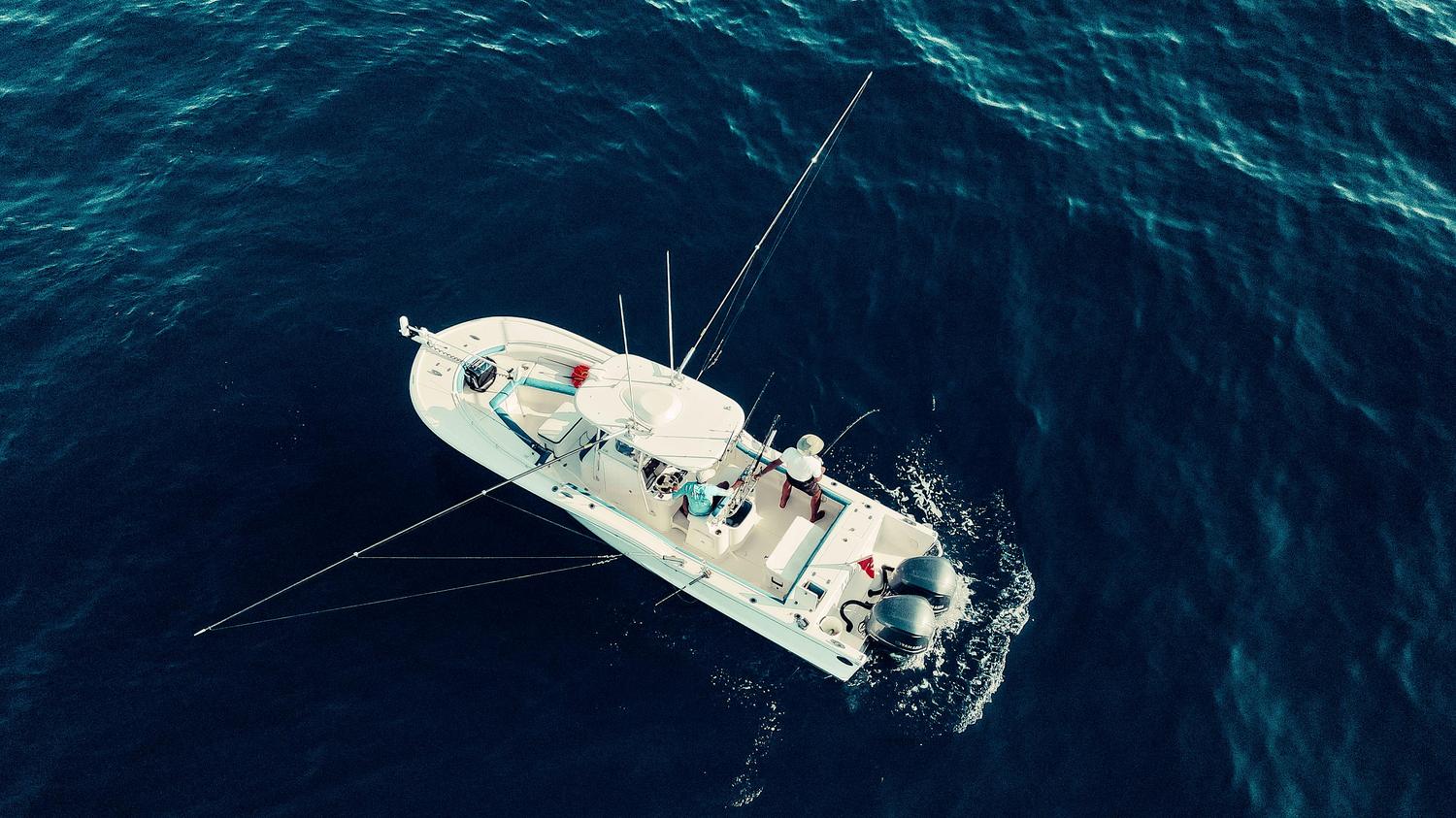
One of the best things about fishing Key West is that something is always biting — the warm waters, the reef, and the Gulf Stream keep the action going all year. But knowing exactly what’s running each month is the key to a great trip: get the timing right and you can deliberately target sailfish in winter, tarpon in spring, mahi in summer, or wahoo in fall. This is my complete Key West fishing seasons calendar — what to catch, when, and how to plan your trip around the bite.
Key Takeaways
- Key West fishes year-round — snapper, grouper, and reef species bite in every season.
- Sailfish peak in winter (Dec–March), tarpon in late spring (April–June), and mahi in spring/summer (April–Sept).
- January and April are often cited as the two best all-around months to fish here.
- Watch for regulations and seasonal closures (e.g., shallow-water grouper) — a good guide always knows what’s open.
Why Key West fishes well all year
Thanks to its tropical climate, the nearby Gulf Stream, the coral reef, and the vast backcountry flats, Key West offers productive fishing in every month of the year — there’s no true “off-season.” What changes is the cast of characters: migratory species move through on a predictable seasonal schedule, while resident species like snapper and grouper are catchable year-round. The result is that whenever you visit, there’s a great trip to be had — you just want to match your target species and style of fishing to the season. Locals will tell you the single biggest factor in a memorable charter is not luck but timing: showing up when your target is running and the conditions cooperate. This calendar covers the highlights; for the full picture of each fishing style, see our Key West fishing guide.
Winter (December–February): sailfish and calm reefs
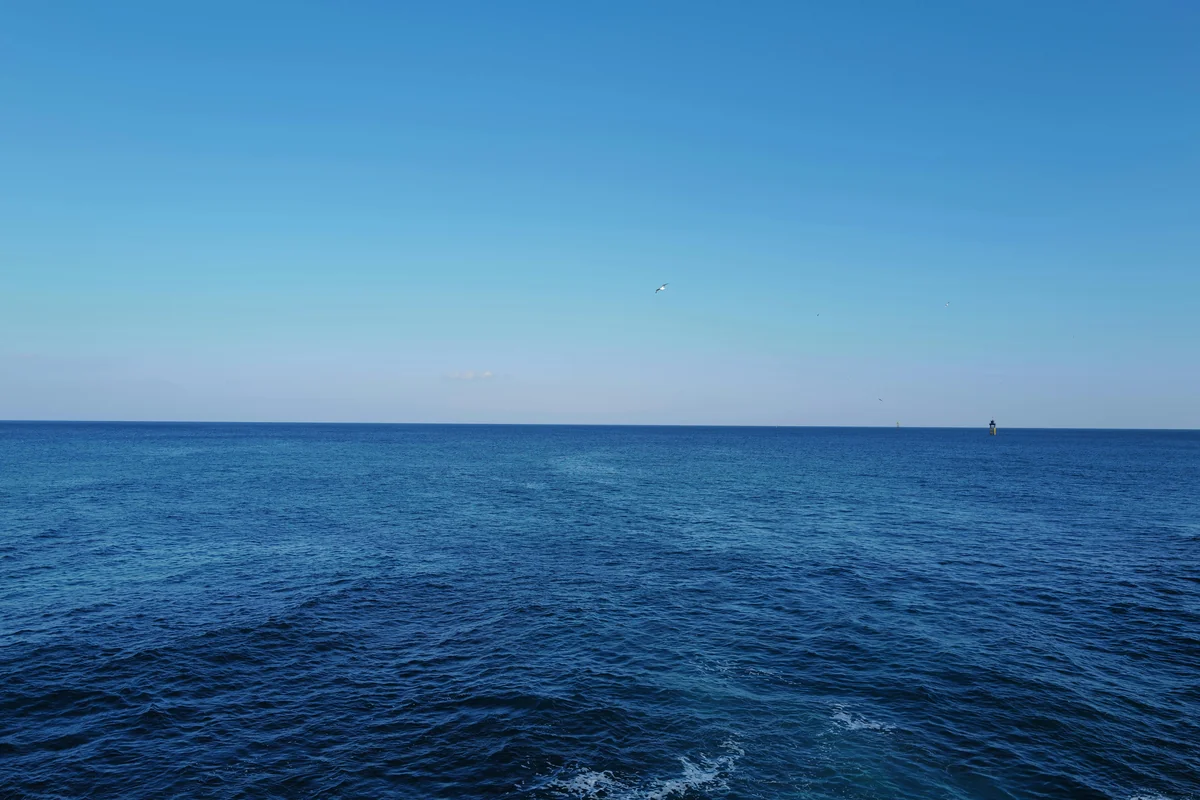
Winter is prime time for one of Key West’s most coveted catches: the sailfish. As cold fronts push through, sailfish action heats up offshore, making December through March the best window for these spectacular, acrobatic billfish. Winter also brings king mackerel, cobia, blackfin tuna, and wahoo, and the cooler, often calmer conditions make for excellent reef fishing for yellowtail and mutton snapper. January in particular is frequently ranked among the very best months to fish here — peak sailfish, comfortable weather, and calm seas. Note that shallow-water grouper are typically in a closed season in the Atlantic during the late-winter spawning months, so check current regulations. Winter is a fantastic time to visit overall — see our best time to visit guide.
Spring (March–May): the grand slam season
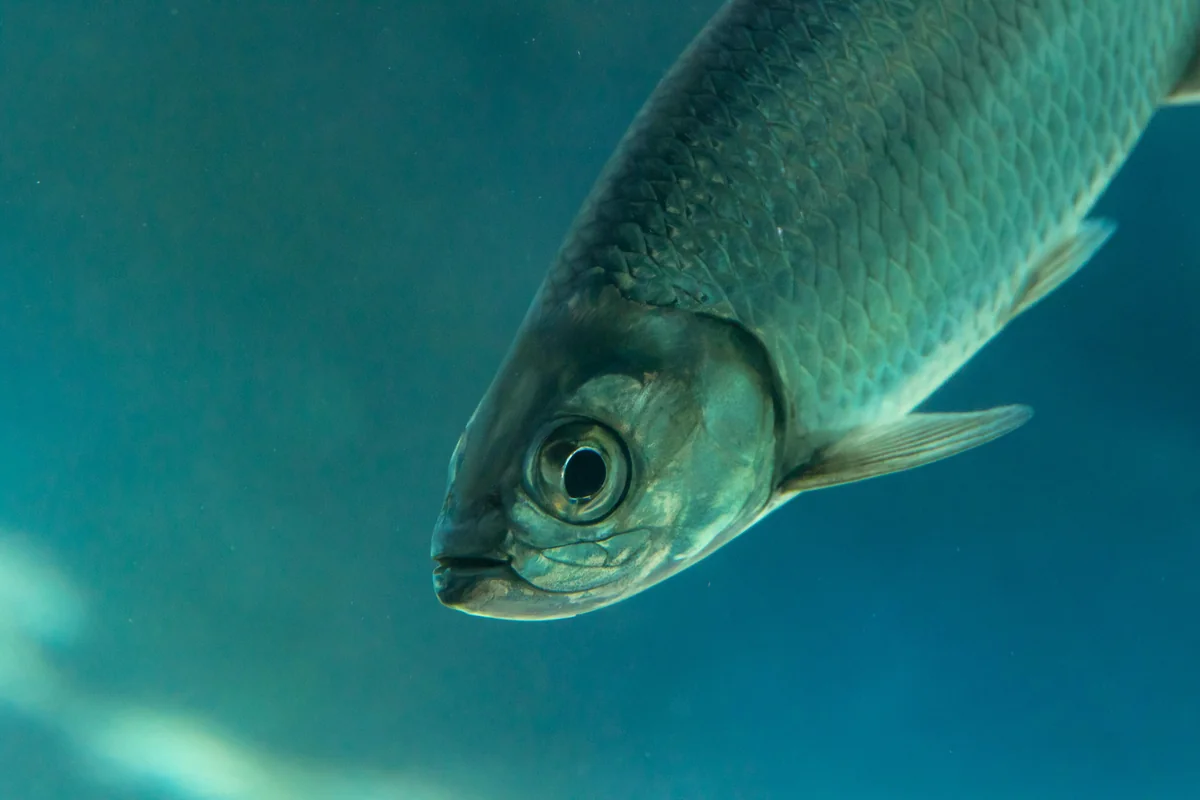
Spring may be the single best all-around season to fish Key West, when winter and summer species overlap and the famous migrations begin. The tarpon migration kicks off, with big Silver Kings pouring through the channels and flats from April into summer (peaking May–June) — see our tarpon fishing guide. Mahi start showing offshore, permit fishing on the flats is excellent, blackfin tuna are strong, and snapper fishing hits its peak (April–June). Add cobia, kingfish, and lingering sailfish, and spring offers a shot at a genuine inshore-offshore “grand slam.” April is often named one of the two best fishing months of the year. It’s a spectacular time to be on the water, with something biting at every depth.
Summer (June–August): mahi, marlin, and tarpon
Summer brings warm, often glassy mornings and a different cast. Mahi-mahi (dolphinfish) are at their best (May–August), providing fast offshore action and superb eating, and the bigger billfish — including marlin — roam the offshore waters. Tarpon fishing continues strong into early summer, and snapper and grouper remain reliable on the reefs and wrecks. The backcountry stays productive, and the calm summer mornings are great for flats and light-tackle fishing before the afternoon storms build. Summer is hot and humid, so early starts are the move — and the calm seas often make for comfortable offshore trips. It’s also a quieter, less crowded (and often cheaper) time to visit. For offshore action, see our deep sea fishing guide. Whenever you cast off, the waters around Key West rarely disappoint.
Fall (September–November): wahoo and uncrowded water
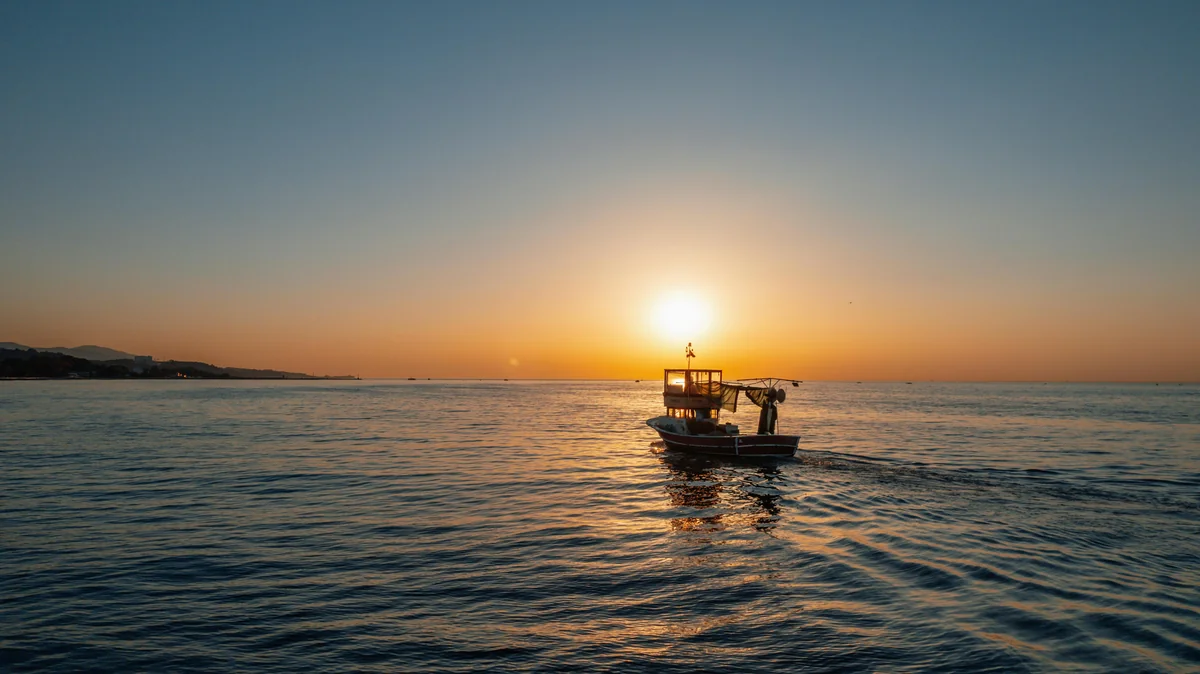
Fall is an underrated gem for Key West fishing. The crowds thin, and the fishing stays excellent: wahoo — fast, toothy, and delicious — show up in the cooler months, sailfish begin their late-fall run, mahi linger into early fall, and snapper and grouper keep the reefs busy. The backcountry remains productive for a variety of species. Fall can bring some weather (it’s hurricane season, so keep an eye on forecasts and build in flexibility), but the combination of good fishing, warm water, smaller crowds, and lower prices makes it a savvy time for an angling trip. By late fall, the transition back toward winter sailfish season is underway.
Month-by-month quick guide
Here’s a fast cheat sheet for what’s typically biting each month:
- January: Sailfish (peak), snapper, kingfish, cobia — a top month.
- February: Sailfish, snapper, blackfin tuna, wahoo.
- March: Sailfish, tarpon arriving, snapper, tuna — spring ramping up.
- April: Tarpon, permit, mahi starting, snapper (peak), sailfish — a top month.
- May: Tarpon (peak), mahi, permit, snapper, tuna.
- June: Tarpon (peak), mahi (peak), snapper, marlin starting.
- July: Mahi, tarpon, snapper, marlin, bottom fishing.
- August: Mahi, snapper, grouper, marlin — calm mornings.
- September: Mahi lingering, snapper, grouper, early wahoo.
- October: Wahoo, sailfish returning, snapper, mackerel.
- November: Sailfish building, wahoo, kingfish, snapper.
- December: Sailfish (peak begins), wahoo, snapper, cobia.
Species-by-species: when to target each
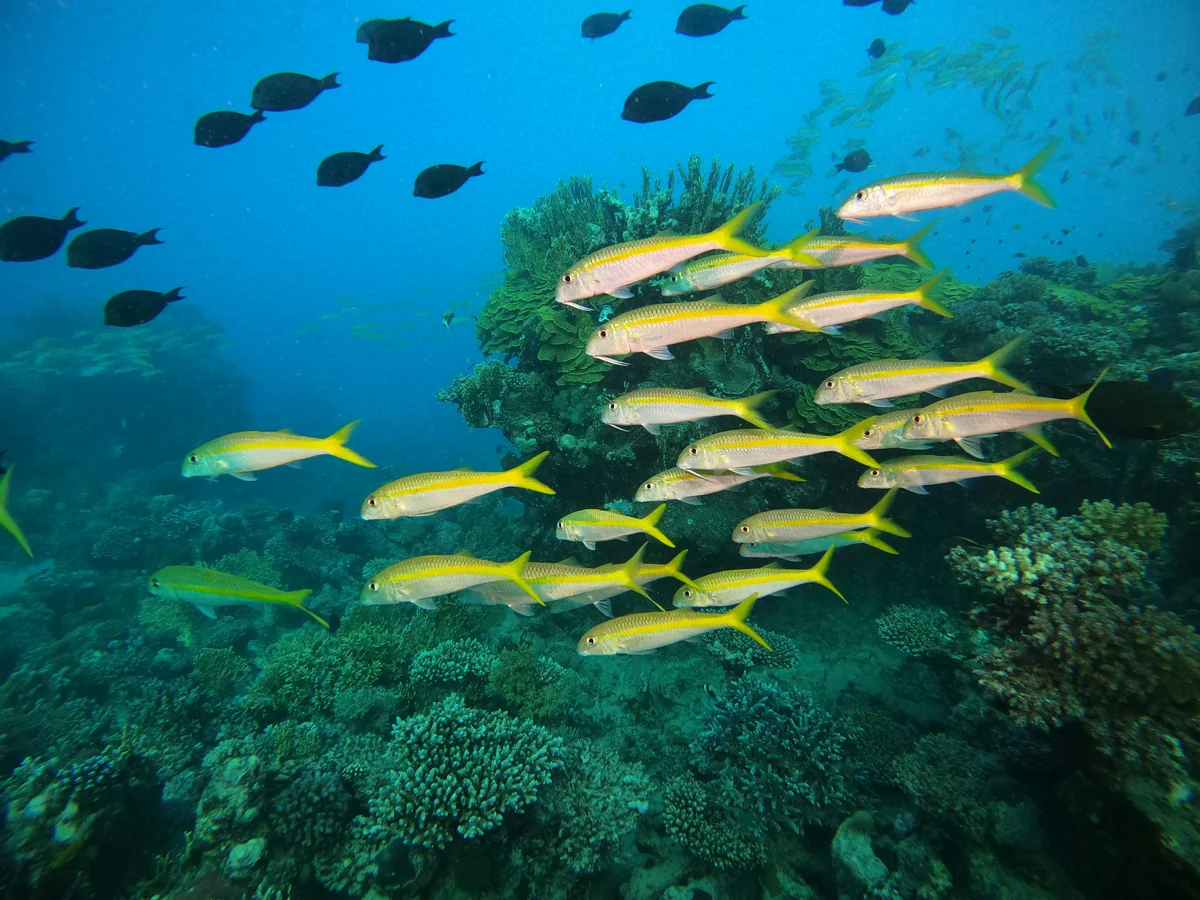
- Sailfish: December–March (peak), with runs again in spring and late fall.
- Tarpon: April–July, peak May–June.
- Mahi-mahi: April–September, best May–August.
- Snapper (yellowtail, mutton, mangrove): Year-round, peak April–June.
- Grouper: Year-round where open (watch closed seasons), strong in warmer months.
- Wahoo: Fall and winter.
- Blackfin tuna: Best in spring, available much of the year.
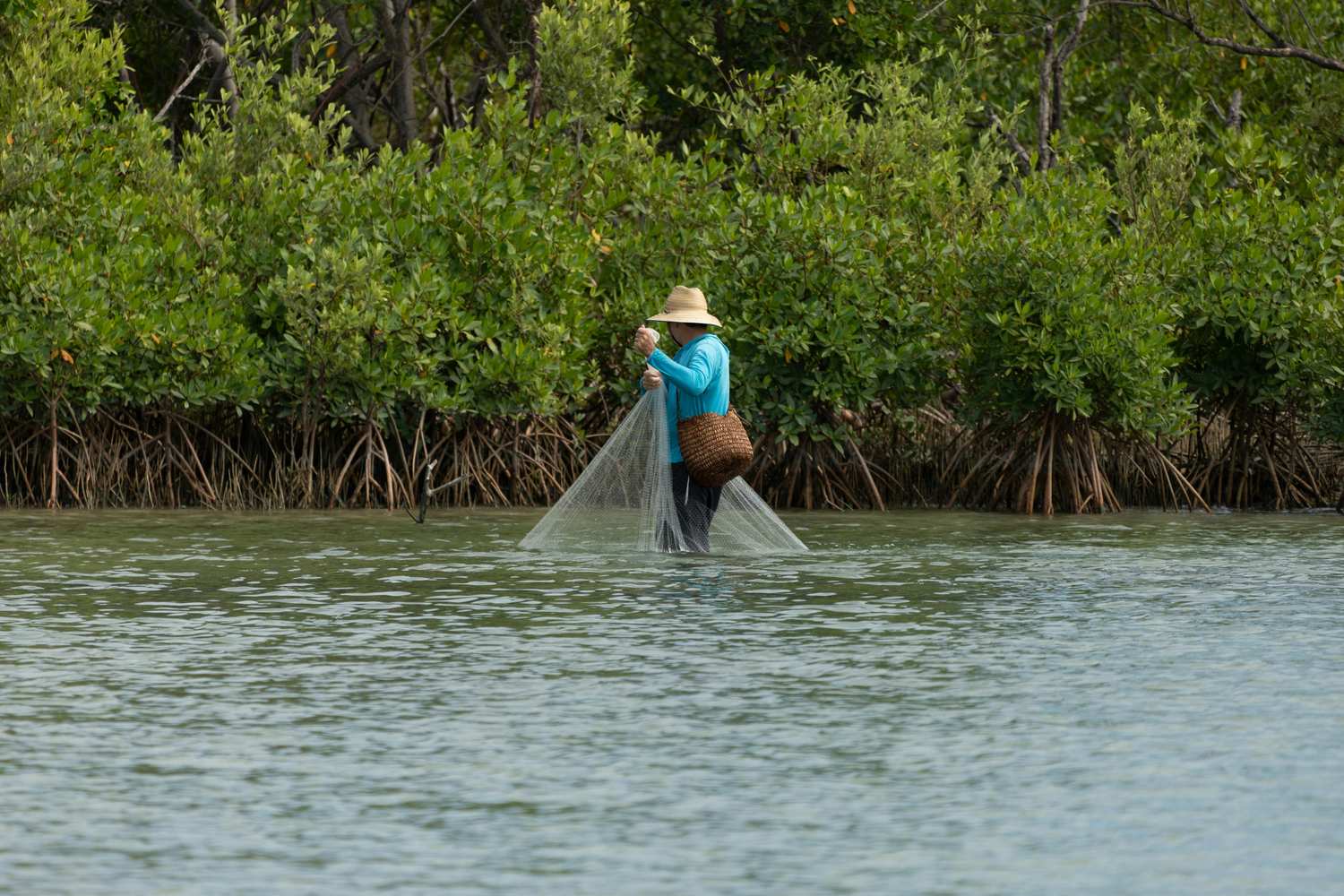
- Permit & bonefish: Spring through fall on the flats (bonefish year-round in warm water).
- Marlin: Summer, offshore.
- King mackerel & cobia: Cooler months, winter into spring.
For the flats species specifically, see our flats fishing guide.
How weather affects the fishing
Season aside, day-to-day weather shapes what’s possible, so it pays to understand the patterns. In winter, cold fronts are actually a good thing for sailfish — the wind and dropping pressure trigger the bite — but strong fronts can make offshore seas rough, pushing anglers to the protected backcountry and reefs on the windiest days. Spring generally brings settling weather and increasingly calm, fishable conditions. Summer mornings are often glassy and gorgeous, but afternoon thunderstorms build almost daily, so early starts are essential (you’ll usually be back at the dock before the storms). Fall is hurricane season, so while the fishing is excellent, you’ll want to watch forecasts and keep your plans flexible. Wind direction and strength, water temperature, and tides all influence the bite, which is exactly why a knowledgeable local captain is worth their weight in gold — they read the conditions and adjust where and how you fish to put you on the action regardless of what the day throws at you. Our best time to visit guide covers the seasonal weather in detail.
Inshore vs. offshore by season
It helps to think about your fishing in two zones, each with its own seasonal rhythm. Offshore (the deep blue water and Gulf Stream) is where the migratory pelagics run on a clear schedule: sailfish in winter, mahi and marlin in summer, wahoo in fall. If a specific offshore species is your dream, time your trip to its peak and book a deep sea charter. Inshore and on the reef — the backcountry flats, channels, reefs, and wrecks — the fishing is far more consistent year-round, with snapper, grouper, and a rotating cast always available, plus the spring tarpon migration. This is why inshore, backcountry, and reef trips are a safe bet in any season and the smart choice when offshore weather doesn’t cooperate. Many anglers split a multi-day trip between the two zones — an offshore day for a trophy and an inshore day for steady action and dinner — to experience the full range of what Key West offers.
Planning a multi-day fishing trip
If fishing is the focus of your visit, a multi-day plan lets you make the most of the season. A great approach is to mix your trip types: book an offshore day targeting the season’s marquee pelagic (sailfish, mahi, or wahoo), a reef or wreck day for snapper and grouper to fill the cooler, and a backcountry or flats day for variety and a shot at tarpon or permit. This spreads your weather risk too — if it’s too rough offshore one day, you can flip to the protected backcountry. Build in a flexible buffer day if you can, so a weather cancellation doesn’t sink your whole plan, and book your charters and guides well in advance for peak seasons, when the best captains fill up months out. Stagger your fishing days with rest, beach time, and the island’s other attractions so you don’t burn out. Our vacation planning guide helps you structure the whole trip, and our party boat guide offers an affordable way to add an extra fishing day.
Regulations, closures, and licenses
Florida manages its fisheries carefully, and seasons, size limits, and bag limits change by species and can change year to year. Some species have closed seasons (notably shallow-water grouper such as gag and black, typically closed in Atlantic waters during the late-winter spawning period), and others like tarpon are catch-and-release. The good news: when you book a licensed charter, the captain knows the current regulations, holds the license that covers everyone aboard, and will only keep what’s legal and in season. If you’re fishing on your own, you’ll need a Florida saltwater fishing license and must follow all current rules — check the latest before you go. Responsible, legal fishing keeps Key West’s incredible fishery healthy for the future.
How to plan your trip around the fishing
To match your trip to the bite: come in winter for sailfish and calm reef fishing, spring for the grand-slam variety and the start of tarpon, summer for mahi and offshore action (and calm mornings), or fall for wahoo and uncrowded water. If you have a specific dream catch — a tarpon, a sailfish, a mahi — plan your dates around its peak. If you just want a great day on the water with a good chance at dinner, any season works for reef and backcountry fishing. Book your charter and guide well ahead for peak windows (especially tarpon season and the winter sailfish run). And pair your fishing with the rest of your trip using our Key West vacation planning guide.
What to bring each season
Key West fishing is warm-weather fishing year-round, but small seasonal tweaks help. In winter, pack a light jacket or windbreaker and a long-sleeve layer — cold fronts can make early-morning offshore runs surprisingly brisk, and the wind chill on a fast boat is real. In spring and fall, conditions are mild and comfortable; a light layer for the morning and sun protection for the day usually covers it. In summer, focus on heat and sun: a long-sleeve sun shirt, wide-brimmed hat, polarized sunglasses, plenty of reef-safe sunscreen, and lots of water, plus a packable rain shell for those afternoon storms. Year-round, bring polarized sunglasses (essential for sight-fishing and eye protection), non-marking closed-toe shoes, motion-sickness remedy if you are prone to it, snacks and drinks, a dry bag for valuables, and cash to tip the mate. The charter supplies all the fishing gear and the license, so you can travel light. Our Key West packing list has the complete rundown for any time of year.
Frequently asked questions
What is the best month to fish in Key West?
January and April are often cited as the two best all-around months. January offers peak sailfish, calm seas, and great reef fishing; April brings the start of tarpon, peak snapper, arriving mahi, and lingering winter species — a true grand-slam window.
When is tarpon season in Key West?
Roughly April through July, with peak action in May and June during the spring migration. Resident tarpon are caught year-round, but late spring is best for big migratory fish.
When can you catch mahi-mahi in Key West?
Mahi (dolphinfish) are best from April through September, with the prime window May through August in the warm offshore waters. There’s a chance at them year-round, but summer is peak.
Is there an off-season for fishing in Key West?
Not really — Key West fishes well year-round. Snapper, grouper, and reef and backcountry species bite in every season, and there’s always a migratory species running. The “best” time simply depends on which fish you want to target.
Do I need to worry about fishing seasons and limits?
If you book a licensed charter, the captain handles all regulations, closures, and the license, so you’ll always fish legally. If you fish on your own, you need a Florida saltwater license and must follow current size, bag, and seasonal rules, which change by species.
What can I catch fishing in Key West in summer?
Summer is prime time for mahi-mahi (dolphinfish), which run strong from late spring through summer, plus offshore billfish including marlin. Tarpon fishing continues into early summer, and snapper and grouper remain reliable on the reefs and wrecks. The calm summer mornings are excellent for both offshore and backcountry trips — just start early to beat the afternoon thunderstorms.
When is sailfish season in Key West?
Sailfish are best from December through March, when winter cold fronts trigger the bite offshore, with additional runs in spring and late fall. Winter is the classic season to target these spectacular, acrobatic billfish, and it pairs well with calm-day reef fishing for snapper. January in particular is a standout month for sailfish action.
The takeaway
Key West is a year-round fishing paradise — and the real trick is simply matching the right season to the fish you are most hoping to catch. Chase sailfish and calm reefs in winter, the grand-slam variety in spring, mahi and marlin in summer, or wahoo in uncrowded fall. Whatever month you visit, something’s biting, and a good guide will put you on it. That year-round abundance is the real gift of fishing here: there is no wrong time to come, only different fish to chase. Pick the season that matches your dream catch, or simply show up whenever your trip lands and trust that the reefs, flats, and Gulf Stream will be holding something worth the effort. Few fishing destinations in the world can promise that in every month of the calendar. Plan your dream catch with our Key West fishing guide and our deep sea fishing guide.
Sources & corrections
Rates, hours and closures verified against operator listings and on-island visits. Prices are peak-season unless noted.