Sheet 06 · Fishing
Key West Flats Fishing: Bonefish, Permit & Tarpon Guide (2026)
Plan your Key West flats fishing trip with this 2026 guide: bonefish, permit, tarpon, the Grand Slam, top guides, Marquesas Keys, pricing, and gear.
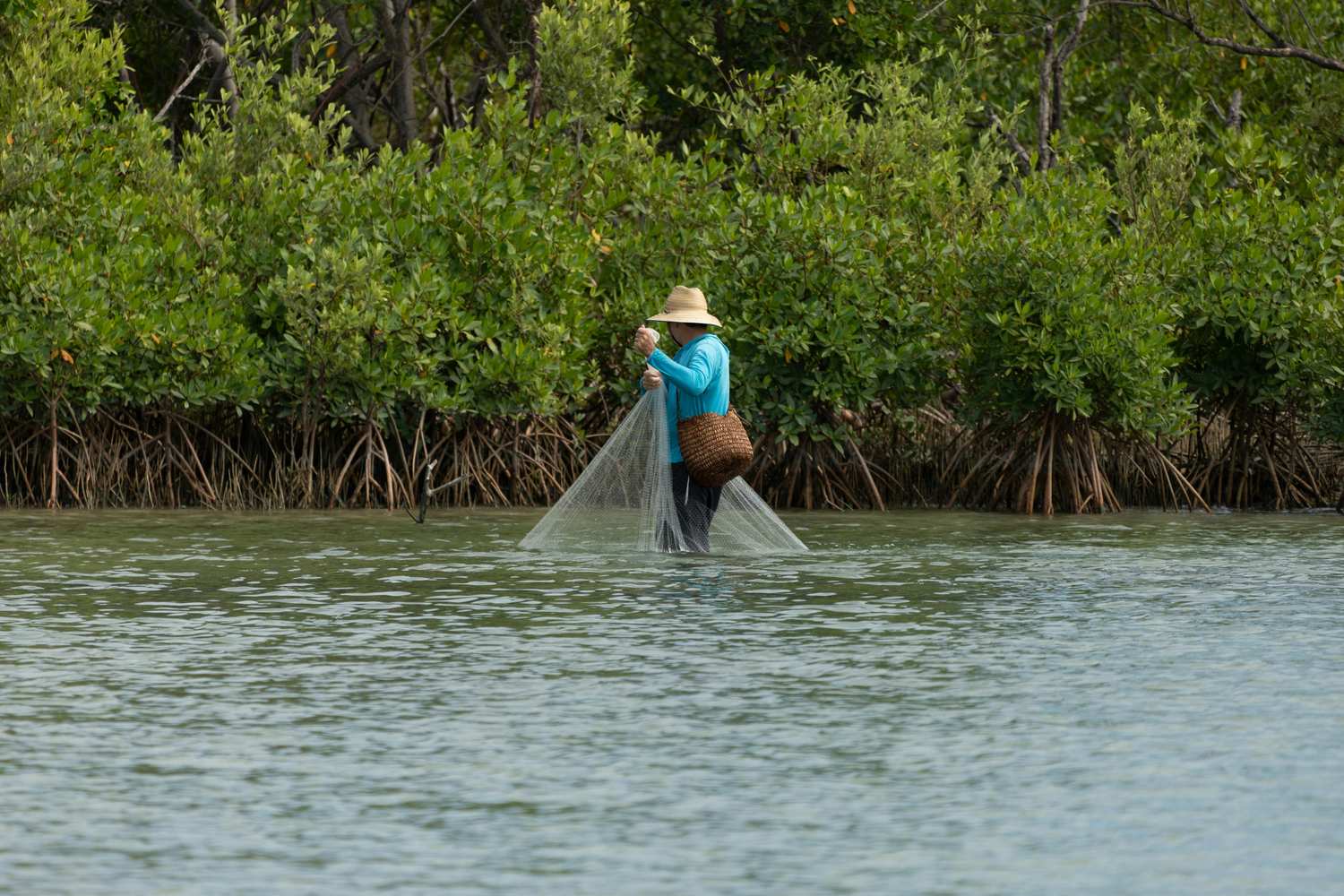
Key West flats fishing is one of the world’s premier sight-fishing experiences. The shallow grass flats stretching from the Marquesas Keys 25 miles west of Key West to the backcountry north of the island hold the densest combined population of bonefish, permit, and tarpon found anywhere on the planet — making the famous “Key West Grand Slam” (catching all three species in a single day) a realistic, if rarely-achieved, goal. This guide is the complete 2026 Key West flats fishing playbook — every named guide, current pricing, the seasonal calendar by species, the Marquesas backcountry logistics, the etiquette code that visiting anglers don’t always know, and an honest take on what beginners vs experienced anglers should expect. Written by people who fish these flats often.
You will find detailed coverage of Capt Steven Lamp, Capt Justin Rea, Capt Will Benson, Dream Catcher Charters, and C Hawk Charters; honest pricing ($700 half-day to $1,500 full-day); the species-by-season calendar (tarpon April-July peak, bonefish May-October prime, permit two seasons); what to bring (polarized sunglasses, sun mask, soft-soled shoes); the difference between flats and offshore fishing; a chooser table for first-time anglers; and the photography etiquette for catch-and-release.
Key Takeaways
- The Grand Slam: Bonefish + permit + tarpon in a single day. Key West Super Slam adds snook (4 species).
- Best month for tarpon: April-July. Migratory tarpon peak.
- Best month for bonefish: May-October. Year-round but summer-prime.
- Best month for permit: Two seasons — early April peak; second peak summer/fall on Marquesas wrecks.
- Top guides: Capt Steven Lamp, Capt Justin Rea, Capt Will Benson.
- Pricing: Half day (4 hr) $700 / 2 anglers. Short day (6 hr) $800. Full day (8 hr) $900-1,500. Tip 20%.
- Marquesas Keys: 25 miles west — densest permit population in the world.
- License: Not needed on a chartered boat (covered by captain’s vessel license).
What Is Flats Fishing?
Flats fishing is sight-fishing in shallow water (1-6 feet deep, typically) with light tackle (fly rod or light spinning gear). The angler stands on the bow of a small skiff (poled or push-poled by the guide), scans the water for individual fish or schools, and casts to specific targets. Unlike offshore deep-sea fishing where you blind-troll for whatever bites, flats fishing requires seeing the fish and presenting the fly or lure correctly.
The classic Key West flats targets are bonefish (small but explosive runs), permit (notoriously difficult to catch — known as the “fish of a thousand casts”), and tarpon (the silver king, can grow over 200 pounds). Catching all three in a single day is the legendary “Grand Slam.” Adding snook makes a “Super Slam.” A “Fantasy Slam” adds redfish.
Key West Flats Targets by Species
Tarpon (The Silver King)
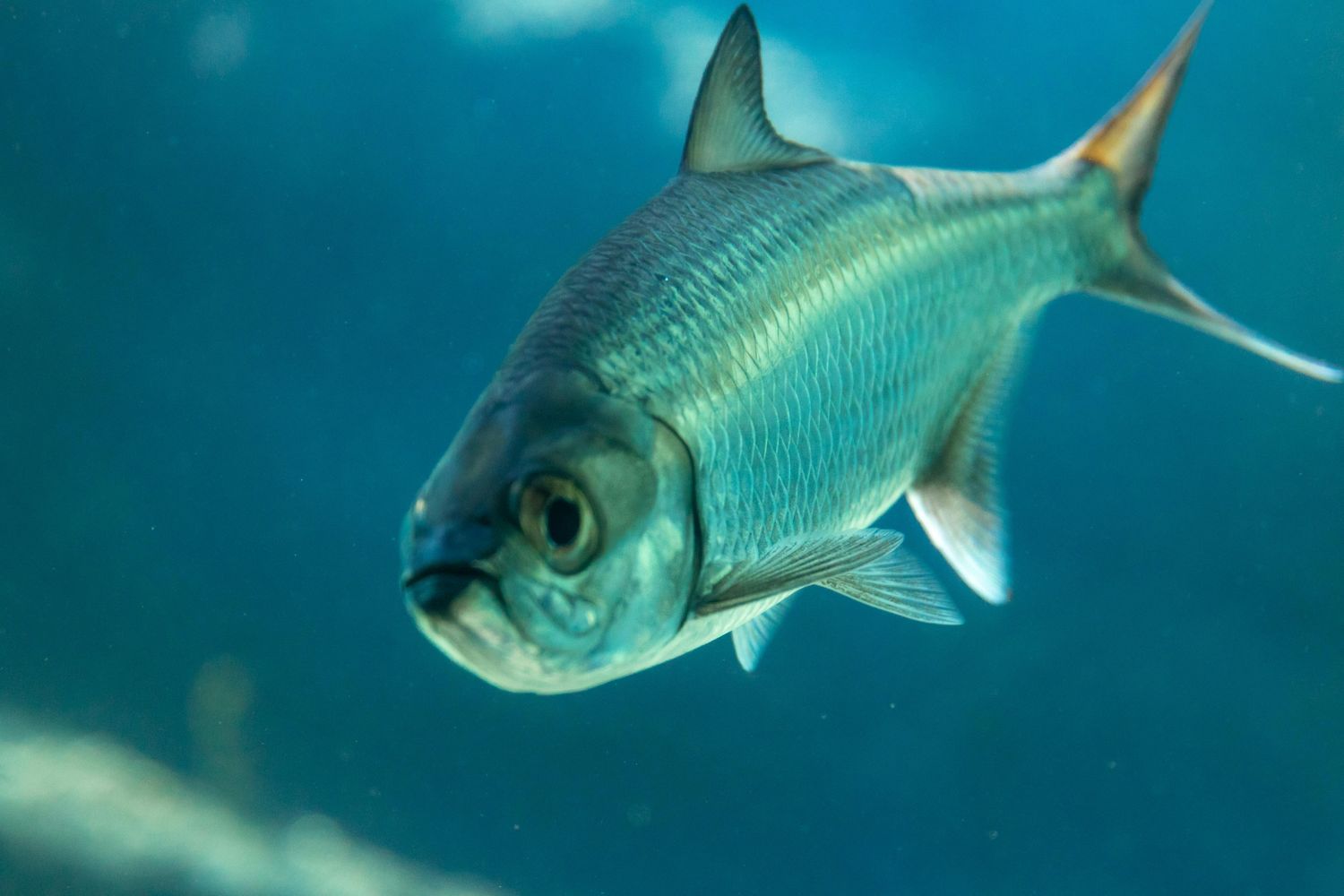
Best season: April-July (migratory tarpon peak). Resident tarpon present year-round.
Size: 50-200+ pounds.
Where: Marquesas Keys, channels, basins around the lower keys.
How they fight: Spectacular jumps, long runs, often visible from start to finish.
The marquee Key West flats target. Migratory tarpon move through Key West waters from mid-January through early July, peaking April-June. Catch-and-release only (federal regulation for fish over 40 inches; conservation practice for all). Most anglers consider catching one tarpon the highlight of their trip.
Bonefish (The Gray Ghost)
Best season: May-October prime; year-round.
Size: 4-12 pounds.
Where: Backcountry flats, Marquesas, Lower Keys.
How they fight: Explosive 100-yard runs into the backing.
The classic “fly rod fish.” Bonefish are notoriously skittish — they spook from a poorly-placed cast or even a shadow. Locals will tell you the Lower Keys around Big Pine and Sugarloaf are productive bonefish water. Marquesas Keys are the Key West proper bonefish destination.
Permit (The Fish of a Thousand Casts)
Best season: Two seasons. First peak early April. Second peak summer/fall on Marquesas wrecks.
Size: 10-30 pounds typical; trophy fish 40+ pounds.
Where: Marquesas Keys (densest permit population in the world).
How they fight: Powerful, deliberate, deep runs.
The most difficult of the three Grand Slam targets to catch on fly. Permit see flies and refuse them more often than they take them — patience is required. The Marquesas Keys are widely considered the world’s best permit water.
Snook (The Super Slam Bonus)
Season: Year-round; closed seasons certain months.
Size: 5-15 pounds typical.
Where: Mangrove shorelines, channels.
How they fight: Aggressive strikes near structure.
Adding snook to a Grand Slam day creates a Super Slam. Less commonly targeted than the big three but a legitimate Key West species.
Other Targets
Barracuda, jacks, sharks, redfish (Fantasy Slam component), and various reef species all appear on flats and backcountry trips. Most guides will adapt to what’s biting.
Top Key West Flats Fishing Guides

Capt Steven Lamp
Website: fishingkeywest.com
Specialty: Marquesas Keys backcountry, 30-year veteran.
Pricing: Half day (4 hr) $700; short day (6 hr) $800; full day (8 hr) $900; +$100 for 3rd angler.
One of the most decorated Key West flats guides. Strong on Marquesas Keys backcountry — the destination for permit and tarpon. 30+ years of accumulated local knowledge. His Dream Catcher Charters operation also runs offshore trips for travelers wanting variety.
Capt Justin Rea
Website: keysflatsguide.com
Specialty: Lower Keys fly fishing for bonefish, permit, tarpon.
Pricing: Half day $750-850; full day $1,000-1,200.
Lower Keys (Big Pine, Sugarloaf) specialist. Strong fly-fishing focus. Multiple instructional levels welcomed.
Capt Will Benson
Website: worldangling.com
Specialty: Sight-fishing photography, premium fly trips.
Pricing: $850-1,000 half-day; $1,100-1,500 full-day.
Filmmaker and high-profile fly guide. Premium pricing; premium experience. Best for serious fly anglers and photo-focused trips.
Dream Catcher Charters
Multi-boat fleet covering flats and offshore since 1994. Multiple captains rotating; quality varies by guide. Booking flexibility is the strength.
C Hawk Charters
Website: keywest.fish
Location: Oceans Edge Marina.
Fly-focused operator. Good middle-tier alternative.
Pricing Cheat Sheet
Half day (4 hours): $700-850 / 2 anglers max.
Short day (6 hours): $800-950.
Full day (8 hours): $900-1,500.
Premium fly guide full day: $1,200-1,500.
3rd angler add-on: $100-150.
Tip: 20% standard, paid in cash to the guide at end of trip.
Includes: rods, reels, tackle, flies/lures, soft drinks, ice. Bring: lunch, hat, sunscreen, polarized sunglasses, soft-soled shoes, light jacket, cash for tip.
The Marquesas Keys
The Marquesas Keys — 25 miles west of Key West — host the densest permit population in the world plus year-round tarpon and excellent bonefish. The Marquesas are a small uninhabited atoll surrounded by pristine grass flats and crystal-clear water. Visiting requires a 60-90 minute boat ride each way.
Logistics: Most Marquesas trips are full-day (8 hours) due to the travel time. Some guides offer 6-hour trips that include a Marquesas stop. Bring extra water and a packed lunch — you will be far from any food source.
Best time: April-October when both tarpon and permit are most active.
Cost: Marquesas trips typically run $1,000-1,500 due to the longer day and fuel.
What to Bring
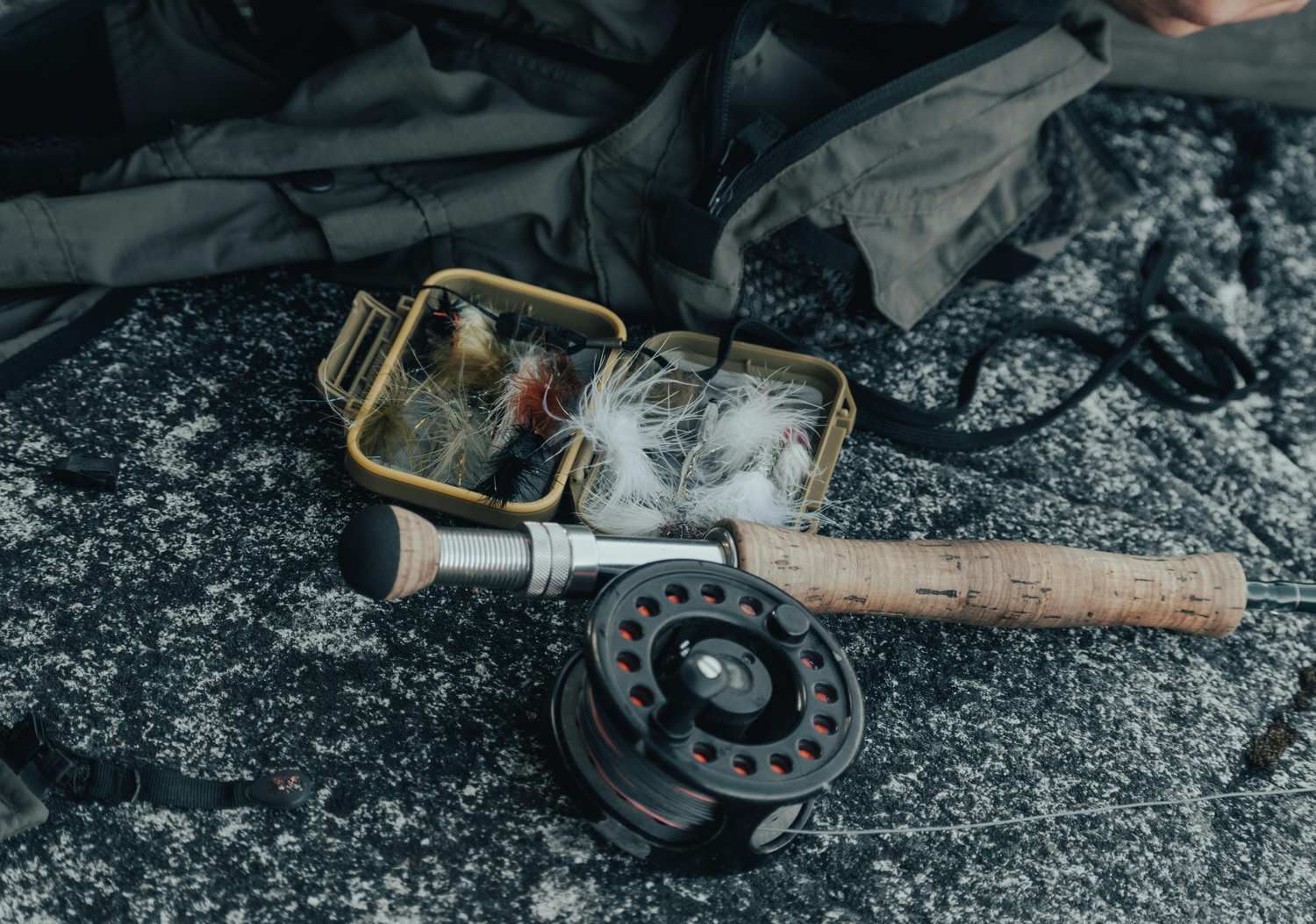
Polarized sunglasses (amber or copper lens preferred) — non-negotiable. You cannot sight-fish without them.
Sun mask or buff for face/neck protection. Hours under direct sun.
Long-sleeve UPF sun shirt. Avoid bright colors that spook fish.
Soft-soled non-marking shoes for the boat deck. Crocs, Sperrys, water shoes all work. No street sneakers.
Reef-safe sunscreen lotion (no sprays — they damage the reef and slick the boat deck).
Hat with a brim for sun protection.
Dry bag for wallet, phone, camera.
Cash for guide tip ($100-300 typical for a full day; pay 20% of trip cost).
Lunch and snacks for full-day trips. Soft drinks usually provided.
Light jacket for early morning departures.
No bananas. Old fishermen’s superstition; many captains genuinely won’t allow them onboard.
Don’t bring your own rod (usually). Guides provide everything. If you have a favorite, ask first.
Etiquette and Local Customs
Listen to the guide. They will direct your casts (“11 o’clock, 60 feet, two false casts then drop”). Follow exactly.
Don’t false-cast over the fish. Visible fly motion in the air spooks fish.
Stay quiet on the poling platform. Sound carries through water.
Move slowly and deliberately on the boat. Sudden movements spook fish.
Release fish quickly and properly. Out of water for less than 30 seconds. Keep fish wet during photos.
Take photos quickly. Hold tarpon horizontally (never vertically — damages internal organs). Support the fish with both hands. Get the photo and release.
Tip 20% in cash. Guides work largely for tips — gas, boat maintenance, and guide income depend on cash flow.
Don’t bring bananas. Seriously.
Beginner vs Experienced Angler Expectations
Beginner anglers should expect: fewer hookups, more learning, focus on bonefish and tarpon (easier targets than permit). Catching 1-3 fish on a half-day trip is normal. Many beginner anglers leave with no permit caught — that’s normal.
Experienced fly anglers can target permit specifically. Hookup-to-landed ratio for permit on fly is roughly 1 in 5-10 even for experienced anglers; landing one is the trip’s highlight. Tarpon hookups during peak season (May-June) often exceed 5-10 per day, with 40-60% landed.
Honest framing: Flats fishing is not a guaranteed-fish activity. Spotting and casting to fish is the experience; landing fish is a bonus. Many experienced anglers consider the visual hunt more rewarding than the actual catch.
Flats Fishing vs. Offshore vs. Reef vs. Backcountry
Flats fishing: Shallow water, sight-fishing, fly or light spinning, target bonefish/permit/tarpon. Requires good vision, patience, and casting ability.
Offshore deep sea: Deep blue water, blind trolling, heavy tackle, target marlin/sailfish/mahi/tuna. Less skill required from angler; more physically demanding.
Reef fishing: Anchored over reefs and wrecks, dropping bait, target snapper/grouper/amberjack. Easy for first-timers; consistent action.
Backcountry: Mangrove and bay fishing, multiple species (tarpon, snook, redfish, sea trout). Mix of sight-fishing and casting.
For pure adventure and one-of-a-kind experience: flats. For consistent fish: reef. For big game: offshore. For variety: backcountry.
Sample Day on the Flats
5:30 a.m. Wake up. Light breakfast.
6:30 a.m. Meet guide at marina (Charter Boat Row or Stock Island).
6:45 a.m. Boat run to first flat — typically 30-60 minutes.
7:30 a.m. Arrive at first flat. Guide poles boat. You stand on bow, scanning.
7:30 a.m.-noon: Move from flat to flat as fish move and tides change. Cast to fish you spot.
Noon: Lunch break (you bring; soft drinks provided).
1-3 p.m.: Continue fishing. Tarpon often peak afternoon during migration.
3 p.m.: Boat run home.
4 p.m.: Return to marina. Guide cleans gear. You tip.
Booking Strategy
How far in advance: Top guides book 6+ months ahead for peak season (April-July). Most guides book 30-60 days ahead for shoulder. Last-minute availability is rare for top guides.
Best time of year: April-July for the marquee tarpon migration. October-November for combined species. Year-round bonefish.
Confirmed deposits: Most guides require 50% deposit at booking, balance at start of trip.
Weather cancellation: Guides will cancel for unsafe conditions (high winds, lightning). Refunds vary — confirm policy before booking.
Photography on Catch-and-Release
Tarpon, permit, and most flats fish are catch-and-release. Quick photos are part of the experience but require care.
Tarpon: NEVER vertically lift a tarpon out of the water. Internal organs are damaged. Hold horizontally with both hands supporting belly and tail. Get the photo in 10-15 seconds. Release.
Bonefish and permit: Keep wet at all times. Out of water under 30 seconds. Support the fish; don’t squeeze.
Camera setup: GoPro on chest mount works well. Have your camera ready before the catch. Burst mode for sharp photos in motion.
Frequently Asked Questions
What is the best month to fish in Key West?
For flats: April-July for tarpon migration peak. Year-round for bonefish (May-October prime). Permit two seasons: April peak and summer/fall Marquesas wrecks.
What is a Key West Grand Slam?
Catching a bonefish, permit, and tarpon in the same day. Adding snook makes a Super Slam (4 species). Adding redfish makes a Fantasy Slam (5 species). Achieving a Grand Slam is rare and considered a career-highlight accomplishment.
How much is a flats fishing trip in Key West?
Half day (4 hr): $700-850. Short day (6 hr): $800-950. Full day (8 hr): $900-1,500. Premium fly guides $1,000-1,500 full day. Tip 20% in cash.
Where can I fish for tarpon in Key West?
Marquesas Keys (25 miles west) for migratory tarpon. Lower Keys backcountry (Big Pine, Sugarloaf) for both migratory and resident. Channel and basin sites around the lower keys for tarpon year-round.
Do I need a license for a Key West fishing charter?
No — chartered fishing is covered by the boat’s vessel saltwater fishing license. You don’t need to buy your own.
What’s the difference between flats fishing and deep sea fishing?
Flats: shallow water (1-6 ft), sight-fishing for individual fish, fly or light spinning, targets bonefish/permit/tarpon. Deep sea: deep blue water, blind trolling, heavy tackle, targets marlin/sailfish/mahi/tuna.
Can beginners do Key West flats fishing?
Yes — beginner-friendly guides will teach casting, fish-spotting, and presentation. Plan on fewer hookups than experienced anglers but the visual hunt is the experience. Most beginner anglers consider one tarpon or bonefish a successful trip.
How many anglers can a flats boat take?
2 anglers max on most flats skiffs. Some guides allow a 3rd angler with surcharge ($100-150). Only 1 angler casts at a time from the bow; the others wait their turn.
What gear should I bring to Key West flats fishing?
Polarized sunglasses (amber/copper), sun mask, long-sleeve UPF shirt, soft-soled shoes, hat, reef-safe sunscreen lotion, dry bag, cash for tip. Guide provides rods, reels, flies, lures, tackle.
When is tarpon season in Key West?
Migratory tarpon peak April-July. Resident tarpon present year-round. Mid-January through early July covers the broader migratory window.
Are flies provided by Key West guides?
Yes — guides provide all flies, tackle, rods, and reels. You don’t need to bring your own unless you have specific preferences.
Why don’t fishermen bring bananas on Key West boats?
Old superstition — bananas are considered unlucky on fishing boats. Many guides genuinely will not allow them aboard. Take it seriously.
Final Thoughts
Key West flats fishing is among the most rewarding fishing experiences in the world — but it’s also among the most demanding. Patience, casting accuracy, and the willingness to spend hours scanning shallow water for individual fish are required. Pick the right guide for your skill level (Capt Steven Lamp for value + Marquesas, Capt Will Benson for premium fly), book 60+ days ahead for peak tarpon season, bring polarized sunglasses, and accept that the visual hunt is as much the experience as the catch. A successful day on the flats means seeing fish, casting well, and landing one or two — not filling a cooler.
For more on planning, see our complete Key West fishing pillar guide, our Key West deep sea fishing guide, our water sports guide, our best restaurants guide (for cooking your catch), and our best time to visit guide.
Sources & corrections
Rates, hours and closures verified against operator listings and on-island visits. Prices are peak-season unless noted.