Sheet 06 · Fishing
Key West Fly Fishing Guide: Techniques and Top Spots (2026)
A guide to Key West fly fishing — the Grand Slam of tarpon, bonefish and permit, sight-fishing the flats, best seasons, beginner tips and gear.
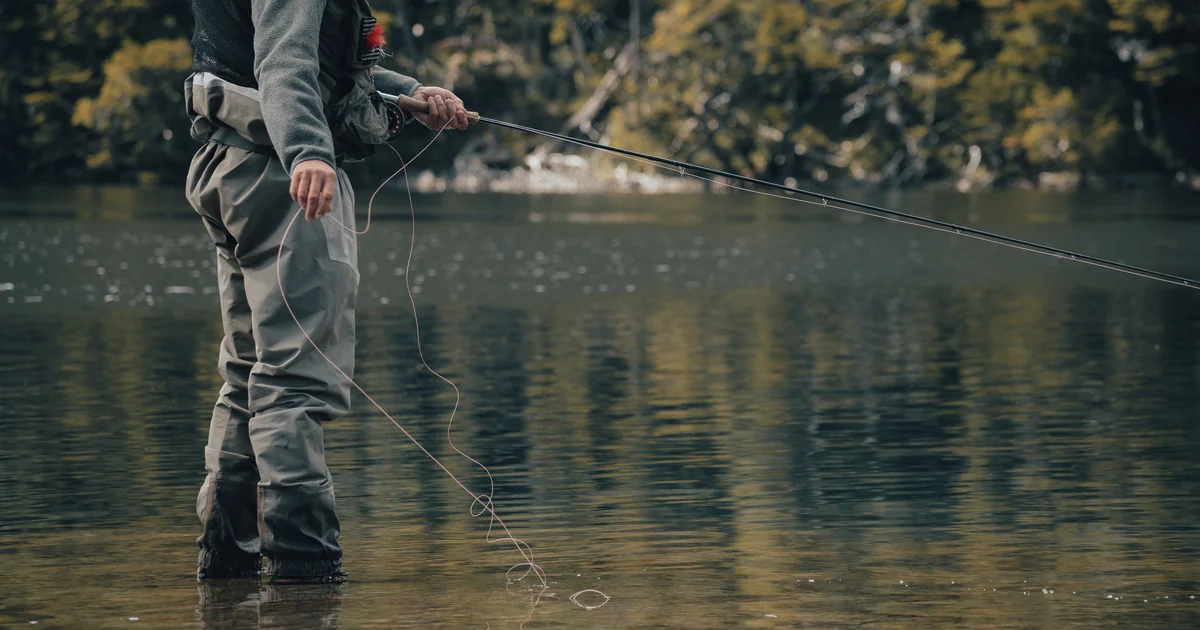
To fly anglers around the world, Key West is hallowed ground. The shallow, gin-clear flats stretching toward the Marquesas hold a holy trinity of saltwater gamefish — tarpon, bonefish, and permit — and catching all three in a single day, the legendary “Grand Slam,” is widely considered one of the ultimate achievements in all of saltwater angling. Whether you’re a seasoned fly caster chasing that slam or a curious beginner wanting to try the most beautiful and challenging way to fish, here’s my complete guide to Key West fly fishing.
Key Takeaways
- Key West is a world-class fly-fishing destination for tarpon, bonefish, and permit on the shallow flats.
- The “Grand Slam” — landing a tarpon, bonefish, and permit in one day — is the sport’s ultimate prize, and the Marquesas hold exceptional numbers of all three.
- It’s sight-fishing: you spot fish in clear, shallow water and present the fly — technical, visual, and thrilling.
- Beginners are welcome — guides offer casting instruction, and the calm flats are a great place to learn.
Why Key West is a fly-fishing mecca
Key West sits at the edge of a vast wilderness of shallow flats, channels, and mangrove islands stretching west to the remote Marquesas Keys — some of the finest saltwater fly water on the planet. The water is famously clear and skinny (often just a couple of feet deep), which makes for spectacular sight-fishing, and the area holds a year-round tarpon population, abundant big bonefish, and more permit than almost anywhere else. Add the island’s deep tradition of light-tackle and fly guiding — generations of legendary captains have refined the craft here — and you have a place that draws serious fly anglers from across the globe. It’s the purest, most challenging, and arguably most rewarding way to fish Key West, and a crown jewel of our Key West fishing guide.
The Grand Slam: fly fishing’s ultimate prize
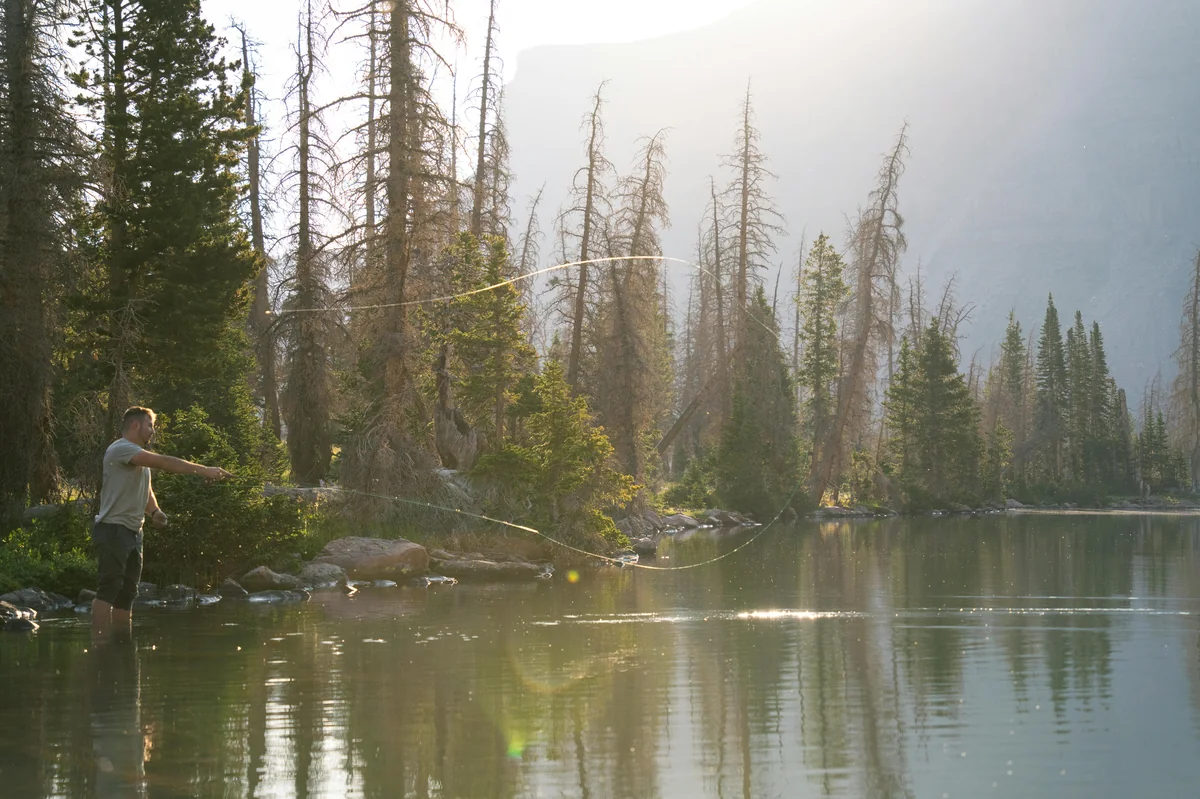
The holy grail of flats fly fishing is the Grand Slam: catching a tarpon, a bonefish, and a permit all in the same day. (Add a snook and you’ve got a rare “Super Grand Slam.”) It’s extraordinarily difficult — each species is challenging in its own right, and stringing all three together in a single day requires skill, the right conditions, an expert guide, and a good dose of luck. Key West and the Marquesas are among the very best places in the world to attempt it, thanks to the healthy populations of all three species. Even if you don’t complete the slam (most don’t), simply targeting these fish on the fly in such stunning surroundings is the experience of a lifetime. Landing any one of them on a fly rod is a genuine accomplishment worthy of any bucket list.
The species: the holy trinity
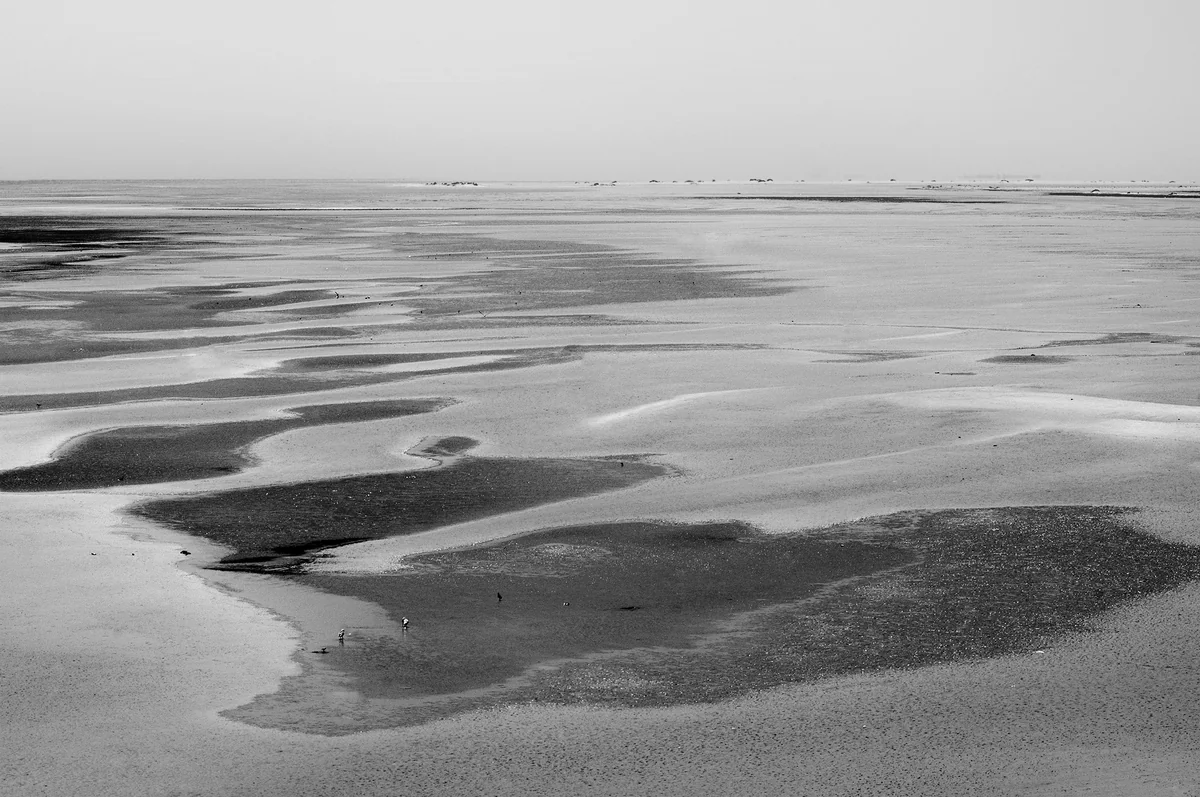
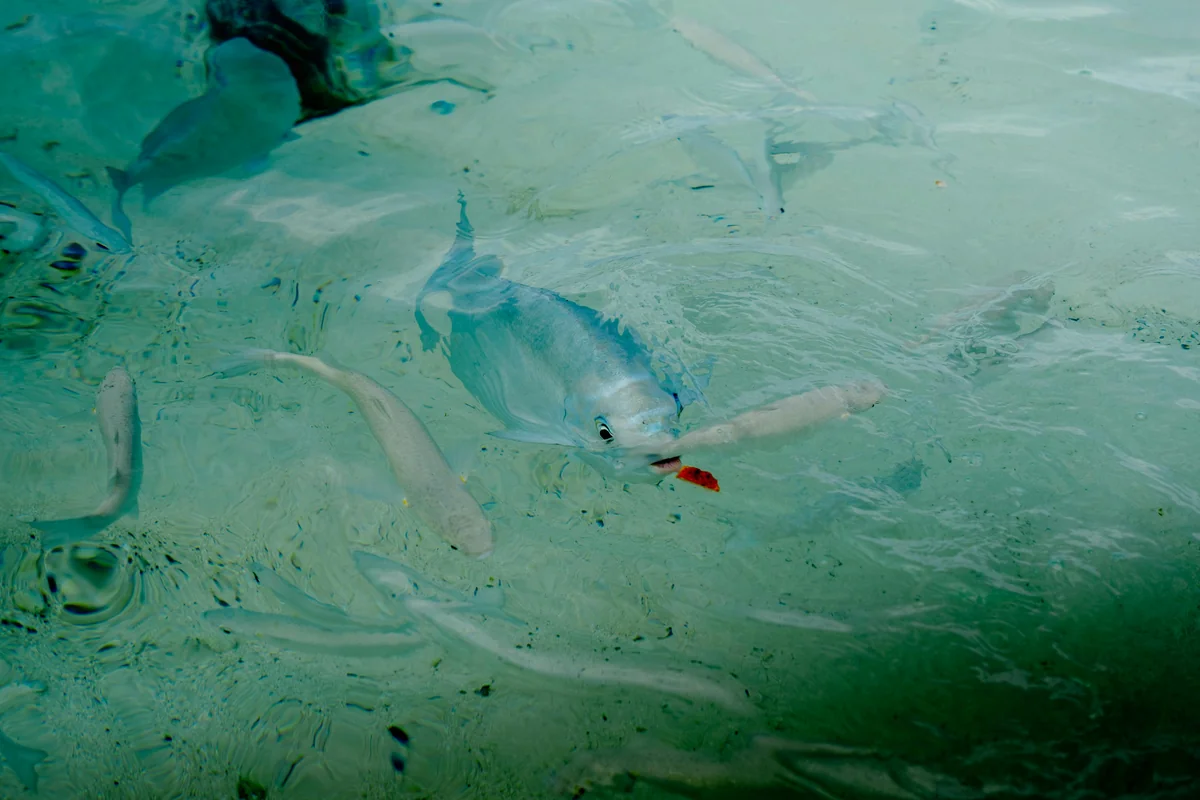
Each of the three slam species offers a different challenge:
- Tarpon: The giant “Silver King” — explosive, acrobatic, and powerful, often topping 100 pounds. Catching one on a fly is a pinnacle achievement. See our tarpon fishing guide.
- Bonefish: The “gray ghost” of the flats — fast, wary, and famous for blistering runs. Spotting and fooling a bonefish in inches of water is pure flats artistry.
- Permit: The most elusive and frustrating of all — notoriously spooky and hard to fool, a permit on the fly is considered the ultimate flats trophy. Key West has exceptional permit numbers.
You may also encounter snook, barracuda, sharks, and jacks on the flats, all of which take a fly and add to the fun.
How flats fly fishing works
This is sight-fishing, and it’s unlike any other kind of fishing. Your guide poles the skiff silently across the shallow flats while you stand ready on the bow, both of you scanning the clear water for fish — a tailing bonefish, a cruising permit, a rolling tarpon, or a shadow moving over the bottom. When the guide spots a fish, they’ll call out its position (“permit, 11 o’clock, 40 feet, moving left”), and you must make an accurate cast to present the fly ahead of the fish so it sees it naturally. Then comes the strip, the eat, the hookset, and the fight. It’s intensely visual, technical, and exciting — equal parts hunting and fishing — and the calm, clear Lower Keys flats are the preferred place to do it. The challenge of spotting fish, casting accurately, and fooling wary quarry is exactly what makes fly fishing so addictive.
A day on the flats
A flats fly fishing day is unlike any other fishing trip. You’ll meet your guide early, when the light and wind are best, and run the skiff out to the flats — often a beautiful ride across skinny, turquoise water. Then the hunt begins: the guide climbs onto the poling platform and quietly pushes the boat along while you stand on the bow, fly line stripped out and ready, both of you scanning intently for fish. There’s a meditative tension to it — long stretches of quiet watching, punctuated by sudden, adrenaline-spiking moments when the guide hisses “permit, 50 feet, two o’clock!” and you have seconds to make the cast. You might pole for an hour between shots, or find tailing fish around every corner. When it all comes together — the spot, the cast, the eat, the screaming run — it’s electric. Even the slow stretches are spent gliding through gorgeous, remote wilderness teeming with rays, sharks, turtles, and birds. It’s as much a wildlife immersion as a fishing trip, and it’s why anglers describe flats days as the most beautiful fishing on earth.
The art of the cast
Success on the flats comes down to casting, and saltwater fly casting is a real skill worth understanding. Unlike trout fishing’s delicate short casts, flats fishing often demands long, accurate casts made quickly, frequently into wind, to drop a fly within a foot or two of a moving fish before it spooks. You need to be able to carry plenty of line, shoot it with a tight loop, and present the fly gently but precisely — all on the first or second shot, because wary fish like permit and bonefish won’t tolerate repeated false casts overhead. This is why practicing your cast before your trip pays huge dividends: even an hour a week with a fly rod in a park or backyard, working on accuracy and the double-haul, dramatically increases the number of fish you’ll convert. Your guide will coach you on the water, but the cast itself is the one thing you can’t outsource. Don’t be intimidated, though — every great flats angler started somewhere, and the learning is deeply satisfying.
Can beginners fly fish in Key West?
Yes — and it’s a wonderful place to learn. While saltwater fly fishing has a steeper learning curve than spin fishing, many guides welcome beginners and offer instruction, teaching you casting technique, line management, and how to spot and present to fish. The calm, sheltered flats are forgiving for working on your cast. That said, be realistic: if it’s your very first time holding a fly rod, you might spend the day learning to cast and may not land a permit — but you’ll gain skills and have a beautiful day on the water. If you have some fly-casting experience, you’ll get far more shots at fish. A great middle path is to take a casting lesson before your trip, or book a patient, instruction-focused guide. For those who’d rather not fly cast, the same flats can be fished with spin tackle — see our flats fishing guide. Tight lines, and may you find that fish of a thousand casts.
Best seasons for fly fishing
Timing matters by species. May and June are the hottest months overall, when big migratory tarpon are around the bridges and channels and you can also chase bonefish and permit — the best window for a Grand Slam attempt. Bonefish fish well from late spring through fall (best June–September), permit are available spring through fall, and tarpon peak in late spring. So the warmer months (roughly April through October) are prime for fly fishing the flats, with late spring being the magic window when all three slam species overlap. Winter can still produce, especially for resident fish on warm, calm days. For the full picture, see our Key West fishing seasons guide and best time to visit guide.
The Marquesas: the ultimate destination
About 20 miles west of Key West lie the Marquesas Keys, a ring of uninhabited mangrove islands surrounded by pristine flats — and one of the most revered fly-fishing destinations in the world. This remote wilderness holds exceptional numbers of permit, healthy bonefish, and migrating tarpon, all in a setting so untouched it feels like the edge of the earth. Reaching the Marquesas requires a longer run (and the right weather), so trips there are typically full-day affairs with experienced guides, but the payoff is fishing some of the least-pressured, most productive flats anywhere. Many serious anglers consider a Marquesas day the pinnacle of a Key West fly trip. The same area is part of the broader backcountry wilderness that makes Key West fishing so special, stretching from the harbor flats out to these far western keys — a vast, fertile, beautiful fishery that rewards those willing to make the journey.
Conservation and the catch-and-release ethic
Flats fly fishing is built on a strong catch-and-release ethic, and it’s central to the culture. Tarpon, bonefish, and permit are not eaten — they’re prized purely as sportfish, and protecting them keeps this world-class fishery healthy. Good guides handle fish with great care: keeping them in the water, using barbless or pinched hooks, reviving them fully before release, and never lifting big tarpon out of the water (which is also the law). As an angler, you’re participating in a tradition of stewardship — the flats you fish today are the same ones that need to be productive for the next generation. Choosing ethical guides, following the rules, and treating every fish gently ensures that the bonefish, permit, and tarpon of Key West remain abundant. This conservation mindset, shared across the island’s nature-based pursuits from fishing to eco-tours, is a big part of what keeps Key West’s waters extraordinary.
Guides, gear, and what to expect
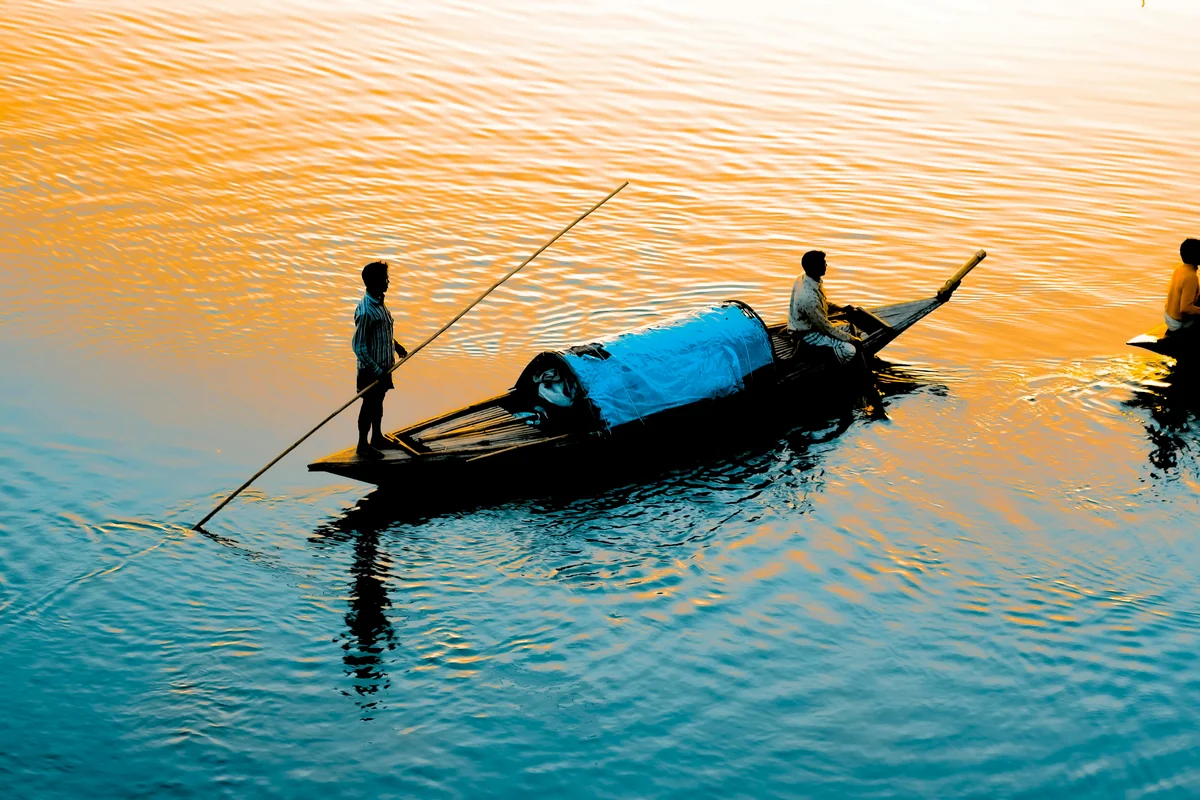
Fly fishing the flats is best done with a specialized flats guide on a poling skiff — their ability to find fish, position the boat, and coach your presentation is everything. Trips are typically full or half days for one to two anglers and priced accordingly (flats fly trips are a premium experience). Guides provide gear if you don’t have your own — typically 8–9 weight rods for bonefish, 10-weight for permit, and stout 11–12 weights for tarpon — along with flies and leaders, though many fly anglers bring their own beloved tackle. Bring polarized sunglasses (absolutely essential for spotting fish), sun protection, and non-glare, neutral-colored clothing (bright white can spook fish). It’s catch-and-release for the gamefish, handled carefully to protect the fishery. Book well ahead for prime season — top guides are reserved months out. See our packing list for more.
Frequently asked questions
What is a fly fishing Grand Slam in Key West?
A Grand Slam is catching a tarpon, a bonefish, and a permit all in the same day. It’s one of the ultimate achievements in fly fishing, extremely difficult to complete, and Key West and the Marquesas are among the best places in the world to attempt it.
When is the best time to fly fish in Key West?
May and June are the prime months, when tarpon, bonefish, and permit all overlap for a Grand Slam shot. Bonefish fish well June–September, permit spring through fall, and tarpon peak in late spring. The warmer months (April–October) are best overall for flats fly fishing.
Can beginners fly fish in Key West?
Yes — many guides welcome beginners and offer casting instruction, and the calm flats are good for learning. Be realistic about results on your first outing, but it’s a beautiful, rewarding way to learn. A casting lesson beforehand helps you get more shots at fish.
What’s the difference between fly fishing and flats fishing?
Flats fishing refers to fishing the shallow flats for species like bonefish, permit, and tarpon, and can be done with spin or fly tackle. Fly fishing is the method — using a fly rod and artificial flies — and is the purist’s, more technical approach to the same flats and species.
What gear do I need for Key West fly fishing?
Guides provide gear if needed — generally 8–9 weight rods for bonefish, 10-weight for permit, and 11–12 weights for tarpon, plus flies and leaders. Bring polarized sunglasses (essential), sun protection, and neutral-colored clothing. Many experienced anglers bring their own preferred tackle.
What is the hardest of the three slam species to catch on a fly?
The permit is widely considered the most difficult — it’s notoriously spooky, picky, and frustrating, and many dedicated fly anglers spend years before landing their first one. Bonefish are challenging but more attainable, and tarpon, while physically demanding to fight, eat flies more readily than permit. That difficulty is exactly why completing a Grand Slam — all three in one day — is such a celebrated, rare achievement in the fly-fishing world.
Do I need my own fly gear for a Key West trip?
No — most flats guides provide quality rods, reels, flies, and leaders matched to the species you’re targeting, so you can show up empty-handed. That said, many experienced fly anglers prefer to bring their own setups they’re comfortable with. If you’re bringing gear, your guide can advise on the right weights and patterns for the conditions. Either way, always bring your own polarized sunglasses, which are essential for spotting fish on the flats.
The takeaway
Fly fishing Key West’s flats is the sport at its most beautiful and challenging — sight-casting to tarpon, bonefish, and permit in gin-clear water, with the legendary Grand Slam as the ultimate prize. Book an expert flats guide, come in late spring for your very best shot at the slam, bring polarized glasses and patience, and prepare for a fishing experience like no other. Whether you complete the slam or simply spend a day chasing ghosts across the flats, fly fishing here has a way of getting under your skin — many anglers who try it once find themselves planning the next trip before they have even left the island, already dreaming of that first permit on the fly. Explore the rest of the island’s angling in our Key West fishing guide and flats fishing guide.
Sources & corrections
Rates, hours and closures verified against operator listings and on-island visits. Prices are peak-season unless noted.