Sheet 04 · Events & Festivals
Key West Lobster Season: Mini Season and Lobsterfest Guide
A guide to Key West lobster season: mini season dates, rules and bag limits, how to catch spiny lobster, the Lobsterfest street festival, and where to eat.
Key Takeaways
- Key West lobster is Florida spiny lobster—no big claws, all the meat in the tail—a different animal from the Maine lobster.
- Mini (sport) season is always the last consecutive Wednesday and Thursday of July; in 2026 that’s July 29–30. Regular season runs August 6 through March 31.
- In the Keys (Monroe County), the daily bag limit is 6 per person, the carapace must be larger than 3 inches measured in the water, and you need a saltwater license plus a spiny lobster permit.
- Key West Lobsterfest is a free August street festival celebrating the season opener—the 2026 edition runs August 5–9, with a free Duval street fair on Saturday, August 8.
- Rules change yearly and vary by area, so always verify the current regulations with the FWC before you head out.
For a couple of days at the end of every July, the waters around Key West fill with snorkelers, divers, and small boats all hunting the same prize: the Florida spiny lobster. “Mini season” is one of the most anticipated events on the Keys calendar, a frenzy of bug-hunting that kicks off weeks before commercial traps even hit the water. And if you’d rather eat your lobster than catch it, the island throws a free street festival in August to celebrate the season opener. This guide covers both sides of the ritual: the rules and techniques for catching your own, and the festival and restaurants for those who prefer theirs with melted butter and zero effort.
A quick but important note before we dive in: lobster regulations change every year and differ by location, and the rules in the Keys are stricter than the rest of Florida. Treat everything here as an evergreen overview and always confirm the current rules, dates, and limits with the Florida Fish and Wildlife Conservation Commission (FWC) at myfwc.com before you harvest. With that said, let’s get into it. This pairs well with our guides to Key West fishing and snorkeling.
Florida Spiny Lobster vs. Maine Lobster
First, know your crustacean. The lobster of the Florida Keys is the Florida spiny lobster, and it’s a completely different animal from the clawed Maine lobster you might picture. Spiny lobster have no large claws; instead they have long, spiny antennae and a smooth, spotted shell that ranges from brown to reddish-orange. Almost all of the edible meat is in the tail, which is firm, mildly sweet, and a little briny. They’re a warm-water species found throughout the Keys, the Caribbean, and the Gulf. Maine lobster, by contrast, comes from cold northern waters and is prized for its big, meaty claws. Key West harvests and serves spiny lobster, so when you see “lobster” on a Duval menu here, that’s what you’re getting.
Mini Season vs. Regular Season: What’s the Difference?
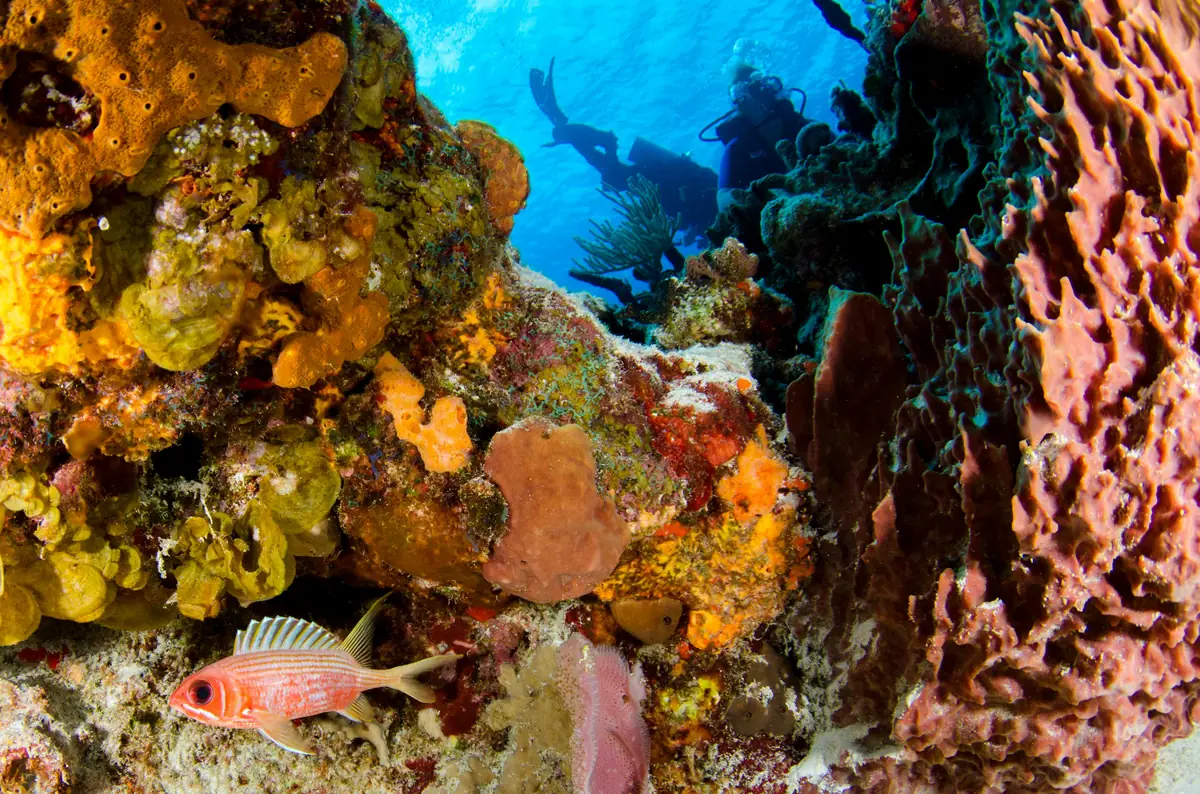
Florida’s recreational lobster harvest has two distinct phases. The two-day sport season, universally called “mini season,” gives recreational divers and snorkelers a head start before the commercial fishery opens. It exists to let recreational harvesters have a couple of days on the reef before commercial traps go in and the regular season begins. Then comes the regular season, the long stretch from early August through the end of March when anyone properly licensed can harvest within the rules. Mini season is famously crowded and intense, two days of peak activity on the water, while the regular season is far more relaxed. Both follow the same core rules with a few mini-season-specific twists, which we’ll cover below. It is the summer counterpart to Fantasy Fest, the island’s other week when everything books out early.
When Is Lobster Mini Season 2026?
Mini season is easy to remember because the rule never changes: it’s always the last consecutive Wednesday and Thursday of July. For 2026, that means July 29 and 30. It applies to both Florida residents and visitors. The regular season runs August 6 through March 31. Because these are the two busiest days on the water in the entire Keys, expect crowds, heavy boat traffic, and increased law-enforcement and Coast Guard patrols during mini season, so plan ahead, dive safely, and know the rules cold before you go. It lands just weeks after Hemingway Days, making mid-summer busier than most visitors expect.
Key West Lobster Rules Made Simple
The Keys fall within Monroe County, which has some of the strictest lobster rules in Florida. Here are the essentials in plain English, but remember to verify the specifics with FWC, as they can change year to year.
Bag and Possession Limits
During both mini season and regular season in Monroe County, the daily bag limit is 6 lobster per person (the rest of Florida allows 12 during mini season). On the water, you can only possess your daily limit. Off the water, you can have your daily limit on the first day of mini season and double the limit on the second day. These limits apply only to licensed harvesters actively catching, you can’t use non-harvesters, including kids, to pad your count.
Size Limit and Measuring
Every lobster’s carapace (the body shell, not the tail) must measure larger than 3 inches, and, crucially, it must be measured in the water, before you bring it aboard. You are required to carry and use a measuring gauge at all times. Undersized lobster must be released unharmed. This in-water measuring rule is taken seriously, so always check before you bag.
What’s Prohibited
You may not take egg-bearing (berried) females, recognizable by the orange mass of eggs under the tail. Lobster must be landed whole; separating the tail from the body in state waters is prohibited. You cannot use any device that punctures, penetrates, or crushes the shell, which effectively means no spearing lobster. And recreational trapping is not allowed. Importantly, night diving is prohibited in Monroe County during mini season, a key rule that trips up visitors every year.
Licenses and Permits You Need
Unless you’re exempt, harvesting lobster in Florida requires a recreational saltwater fishing license plus a spiny lobster permit (sometimes called a lobster stamp). You can buy both together as a combo, and they’re available online through the state’s licensing portal or at many local tackle and sporting-goods shops. License and permit costs are modest but change periodically, so check the current pricing and exemptions on the FWC site. If you’re booking a guided lobster charter, ask whether the trip covers licensing, many do. Going out without the proper license and permit can mean steep fines, so don’t skip this step.
Where You Can and Can’t Catch Lobster
Plenty of the Keys’ most beautiful water is off-limits to lobster harvest, and the closed zones are strictly enforced. John Pennekamp Coral Reef State Park is closed to lobster harvest during mini season. Several areas are closed year-round, including the no-take zones of the Florida Keys National Marine Sanctuary (such as Looe Key and Western Sambo), Everglades and Dry Tortugas National Parks, and parts of Biscayne National Park. Boundaries can be confusing, so before you drop in, confirm that the spot is legal, the marine sanctuary and FWC both publish maps and can answer questions by phone. When in doubt, stay out, the fines and the conservation stakes are both real.
How to Catch Spiny Lobster: Tickle Stick and Net
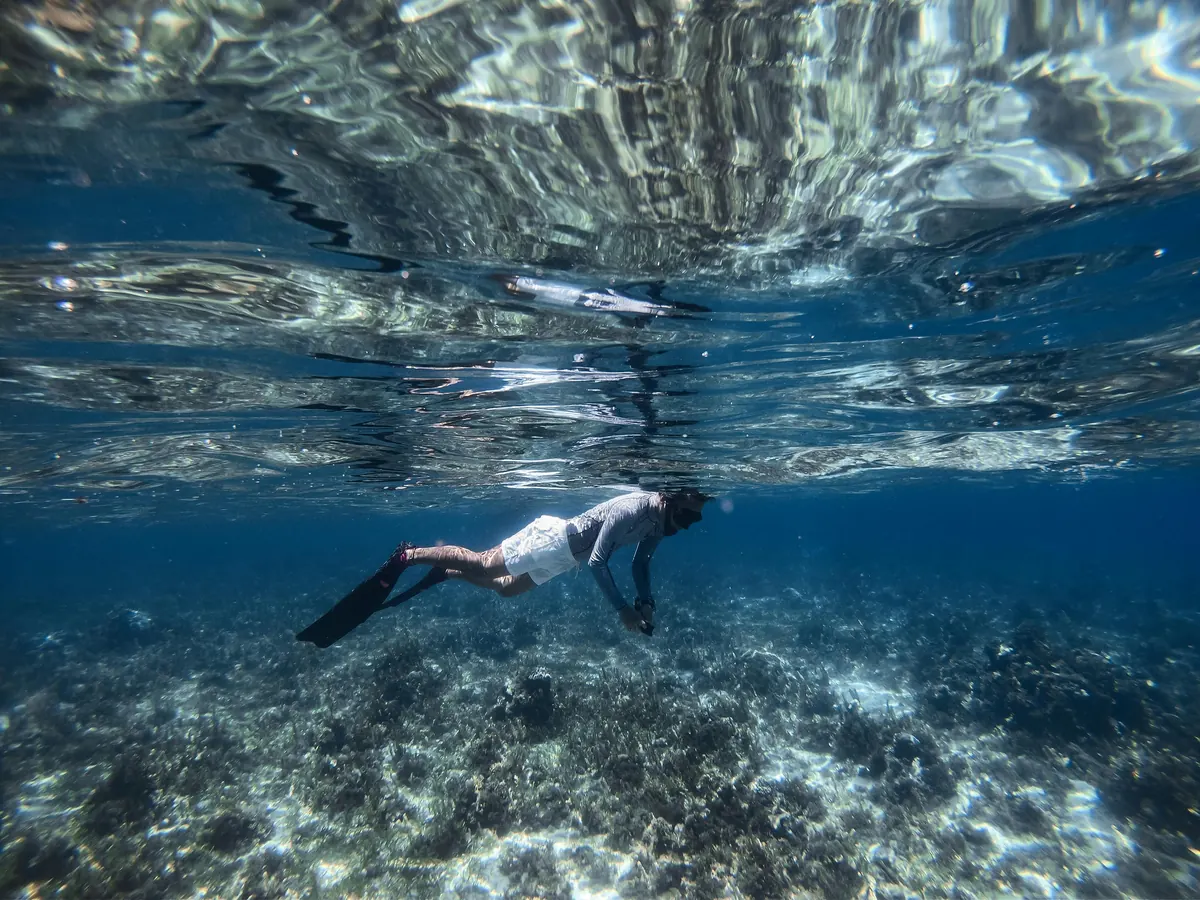
The classic daytime method is elegantly simple. Snorkeling or free-diving, you look for lobster tucked into reef crevices and under ledges (their antennae often give them away). You position a net behind the lobster, then use a “tickle stick,” a slim rod, to gently tap the lobster’s tail from the front. The lobster’s escape reflex is to shoot backward, straight into your waiting net. It takes practice and patience, but it’s the legal, low-impact way to catch them. At night, some harvesters use “bully netting” from a slow-moving skiff in shallow water, lowering a hoop net over a lobster spotted by light, but remember that night diving is banned in Monroe County during mini season, so know exactly what’s permitted before going out after dark. And again: no spearing, ever.
Gear Checklist and Diving Safely
For a day of lobstering you’ll want: a tickle stick, a net, a mesh catch bag, a measuring gauge, plus your mask, snorkel, fins, and gloves to protect against the spiny shell and sharp reef. Just as important is doing it safely and legally. A dive flag is required by law to mark divers in the water. You may not dive or snorkel within 300 feet of a residential or commercial shoreline, including canals and marinas. Never dive alone, watch for boat traffic (which is heavy during mini season), and protect the reef, the tickle-stick method is preferred precisely because it doesn’t damage coral. Responsible harvesting keeps both the lobster population and you safe.
Key West Lobsterfest: The Season-Opening Party
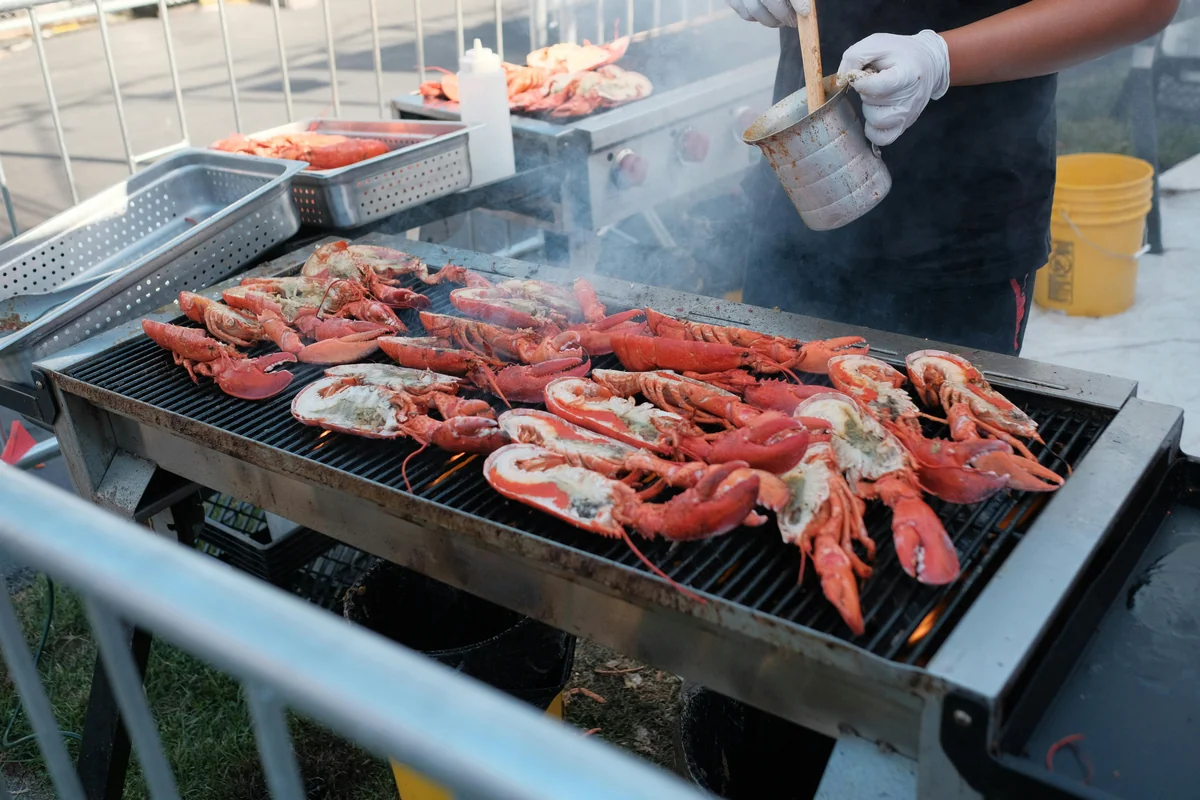
Not into diving? Key West has you covered. Key West Lobsterfest is a free, multi-day street festival celebrating the August 6 opening of regular lobster season, with proceeds benefiting a local high-school scholarship fund. The 2026 edition runs August 5–9, building across the week to its centerpiece: a free Duval Street fair on Saturday, August 8, where local restaurants serve fresh Florida lobster every way imaginable along the 100 to 500 blocks of Duval, from about noon to 11 p.m., capped by free live concerts. The week typically also includes a kickoff party, a lobster boil, pool parties, a Duval pub crawl, a lobster brunch, and a lobster-roll eating contest. It’s a delicious, laid-back celebration, and a perfect excuse to visit in early August. Dates and details shift slightly each year, so confirm on the official Lobsterfest site.
Where to Eat Spiny Lobster in Key West
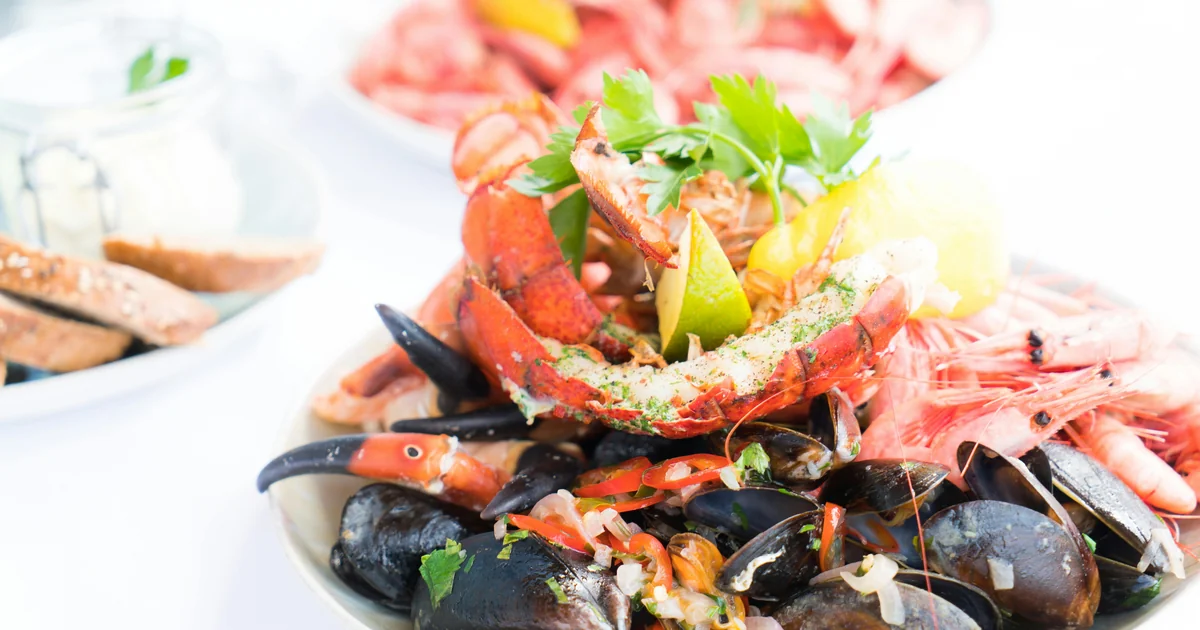
Year-round (in season), Key West restaurants do wonderful things with spiny lobster. The Lobster Shack on South Street is a local favorite for its lobster roll, lobster grilled cheese, and lobster salad. DJ’s Clam Shack on Duval serves a buttery lobster roll worth the line. For an upscale, oceanfront treat, Louie’s Backyard plates lobster with a view. And during Lobsterfest, the Duval street fair turns the whole strip into an open-air lobster buffet. The most popular preparations are simple, steamed, boiled, or grilled with drawn butter, which lets the sweet tail meat shine. For more dining ideas, see our guides to Key West seafood restaurants and food trucks.
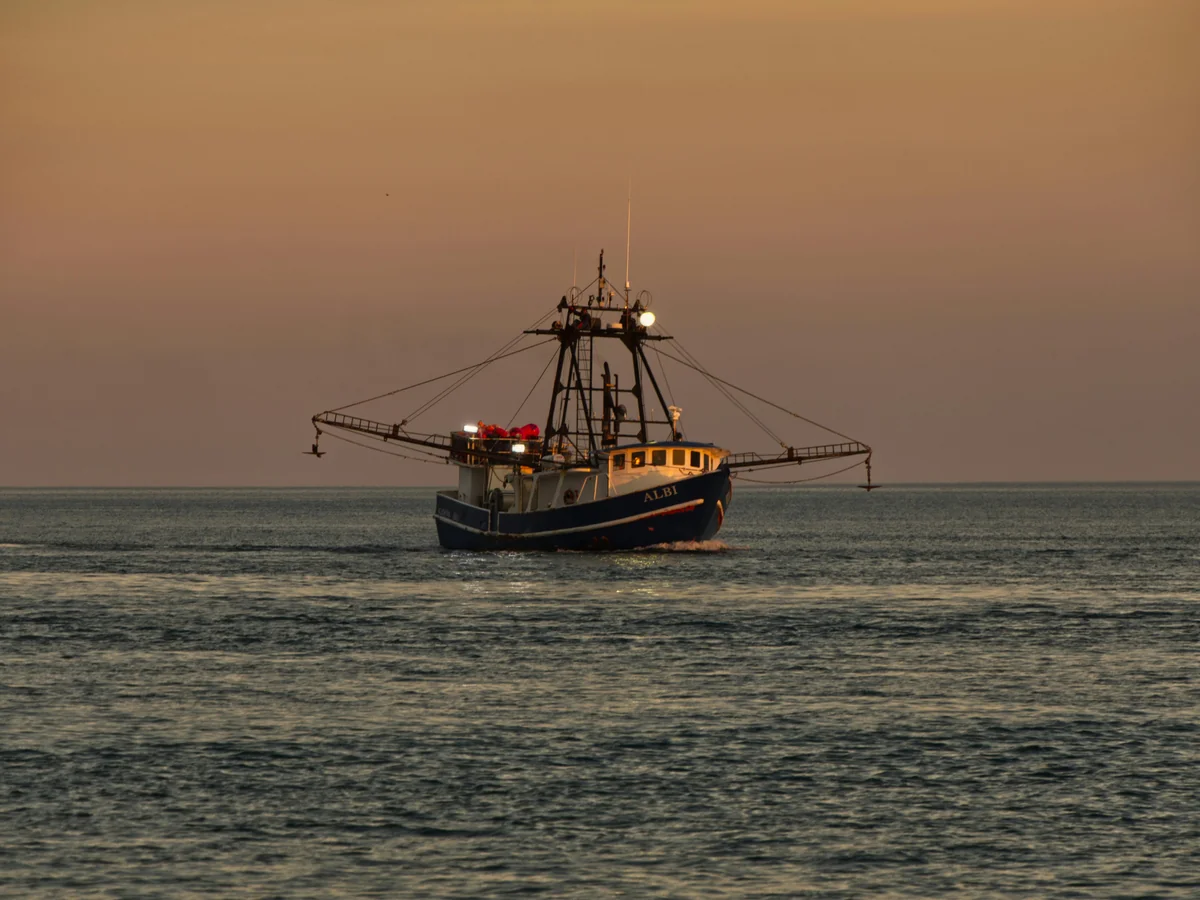
Mini Season Culture: Why Locals Plan Their Year Around It
To understand how big a deal mini season is in the Keys, you have to see it. For these two days at the end of July, the islands transform: hotels fill, boat ramps overflow before dawn, dive shops sell out of tickle sticks and catch bags, and the conversation in every bar turns to ledges, numbers, and the one that got away. For many Keys families it’s an annual tradition as fixed as any holiday, kids learn to spot lobster antennae the way other kids learn to ride bikes, and a good haul becomes the centerpiece of a backyard cookout. The energy is infectious, and visitors who time their trip for mini season get to be part of a genuinely local ritual rather than a tourist attraction. Just go in with realistic expectations: the water is crowded, the good spots are no secret, and you may come home with a cooler of tails or just a great story and a sunburn. Either way, you’ll understand why the Keys mark their calendars for it.
If you’d rather skip the crowds of the two-day frenzy, the regular season (August through March) offers far more relaxed lobstering, with the same six-per-day limit in the Keys and a fraction of the boat traffic. Many locals actually prefer it, you get the reef closer to yourself and a longer window to enjoy it. Whichever you choose, the reward is the same: a fresh-caught spiny lobster tail, grilled with butter that evening, tastes like the Florida Keys in a single bite.
Conservation: Why the Rules Matter
Every regulation here exists to protect a fishery that the entire region depends on. The size minimum lets young lobster reach maturity; the ban on taking egg-bearing females protects the breeding stock; the whole-landing rule makes enforcement possible; and the no-puncture rule prevents wasteful damage. The closed sanctuary zones give the population safe places to reproduce. Following the rules isn’t just about avoiding fines, it’s about making sure there are spiny lobster in these waters for the next generation of divers and diners. Catch responsibly, measure carefully, take only what you’ll use, and treat the reef gently. The Keys’ lobster tradition is worth protecting.
A Final Word for Visitors
Whether you come to dive or simply to dine, Key West lobster season is a wonderful window into the rhythms of life in the Keys. If you’re catching, book a reputable charter or dive operator when you’re new to it, they’ll handle the gear, the spots, and much of the red tape, and you’ll learn proper technique from people who do it every day. If you’re eating, simply show up hungry in August and let the island do the rest, from the Lobsterfest street fair to a quiet waterfront table. Either way, you’re taking part in a tradition that has shaped these waters and this community for generations, and that’s worth savoring as much as the lobster itself.
Frequently Asked Questions
When is lobster mini season 2026?
July 29–30, 2026. Mini season is always the last consecutive Wednesday and Thursday of July. Confirm current dates at myfwc.com.
What kind of lobster is in Key West?
Florida spiny lobster, a clawless, warm-water species whose meat is in the tail. It’s a different animal from the clawed Maine lobster.
Do I need a license to catch lobster in Florida?
Yes, unless you’re exempt. You need a Florida recreational saltwater fishing license plus a spiny lobster permit, available together as a combo online or at local shops.
How many lobsters can you catch in the Keys?
In Monroe County (the Keys), the daily bag limit is 6 per person during both mini and regular season. The rest of Florida allows 12 per person during mini season.
What is the lobster size limit in Florida?
The carapace must measure larger than 3 inches, and it must be measured in the water. You’re required to carry and use a measuring gauge.
When does regular lobster season open in Key West?
August 6, and it runs through March 31. The two-day mini season precedes it at the end of July.
When is Key West Lobsterfest 2026?
August 5–9, 2026, with the free Duval Street fair on Saturday, August 8. It’s a free street festival celebrating the opening of regular lobster season.
Can you catch lobster at night during mini season?
Not by diving in Monroe County, night diving is prohibited there during the two-day sport season. Always check current FWC rules before heading out after dark.
Final Thoughts
Whether you’re suiting up with a tickle stick and a net or simply staking out a spot at the Lobsterfest street fair, Key West’s lobster season is one of the island’s great seasonal traditions. Catch your own and you’ll earn that buttery tail; show up in August and the island will serve it to you with a side of live music and a free party. Just respect the rules, dive safely, and verify the current regulations with FWC before you go, the spiny lobster, and the next visitor, will thank you. For more of the island’s calendar, see our Key West events guide.
The first weeks after the August 6 opening are the best time to eat and catch lobster in Key West. The mini-season crowds have gone home, the water is at its warmest and the island empties out once mainland schools restart. Our Key West in August guide covers the weather, Lobsterfest and how to plan around hurricane season.
From October 15 to March 31, lobster shares the Keys menu with stone crab, which makes late fall and winter the best months of the year for local seafood. For the claw side of that pairing, including the rules, sizes, prices and where to eat, see our Key West stone crab season guide.
Sources & corrections
Rates, hours and closures verified against operator listings and on-island visits. Prices are peak-season unless noted.