Sheet 03 · Day Trips & Excursions
Snorkeling the Key West Coral Reef: Best Reef Trips
A guide to Key West reef snorkeling trips: the best reef sites, what you'll see, choosing a tour, costs, beginner and seasickness tips, and the best season.
Key Takeaways
- The Key West reef is North America’s only living coral barrier reef, about 6–7 miles offshore—so you need a boat to snorkel it well.
- Top reef sites include Sand Key, Rock Key, Eastern Dry Rocks, and Western Sambo; Cottrell Key is the calmer rough-weather backup.
- You’ll see 40+ coral species and hundreds of fish, plus sea turtles, rays, nurse sharks, and barracuda.
- Group catamaran trips run ~$45–$90; sail-snorkel ~$70–$100; full-day combos ~$140–$190. Gear and instruction are usually included.
- It’s beginner-friendly (flotation vests, calm sites, guides)—and summer brings the calmest, clearest water.
Just offshore from Key West lies a wonder that most visitors never realize is there: the only living coral barrier reef in the continental United States, a shimmering underwater city of coral, fish, turtles, and rays stretching for miles. Snorkeling it is, without exaggeration, one of the great experiences the Florida Keys offer, and the good news is that you don’t need to be an expert to do it. You just need to book the right reef trip. This guide is all about choosing that trip: which boats go to the best reef, what you’ll see, how to pick between a big catamaran and a quiet sailboat, and how to make the most of your time in the water.
If you want the broader basics of snorkeling here, our Key West snorkeling guide has you covered; this article is the booking-and-day-trip companion focused squarely on reef tours. It’s a star attraction in our Key West day trips guide.
Why the Key West Reef Is a Bucket-List Snorkel
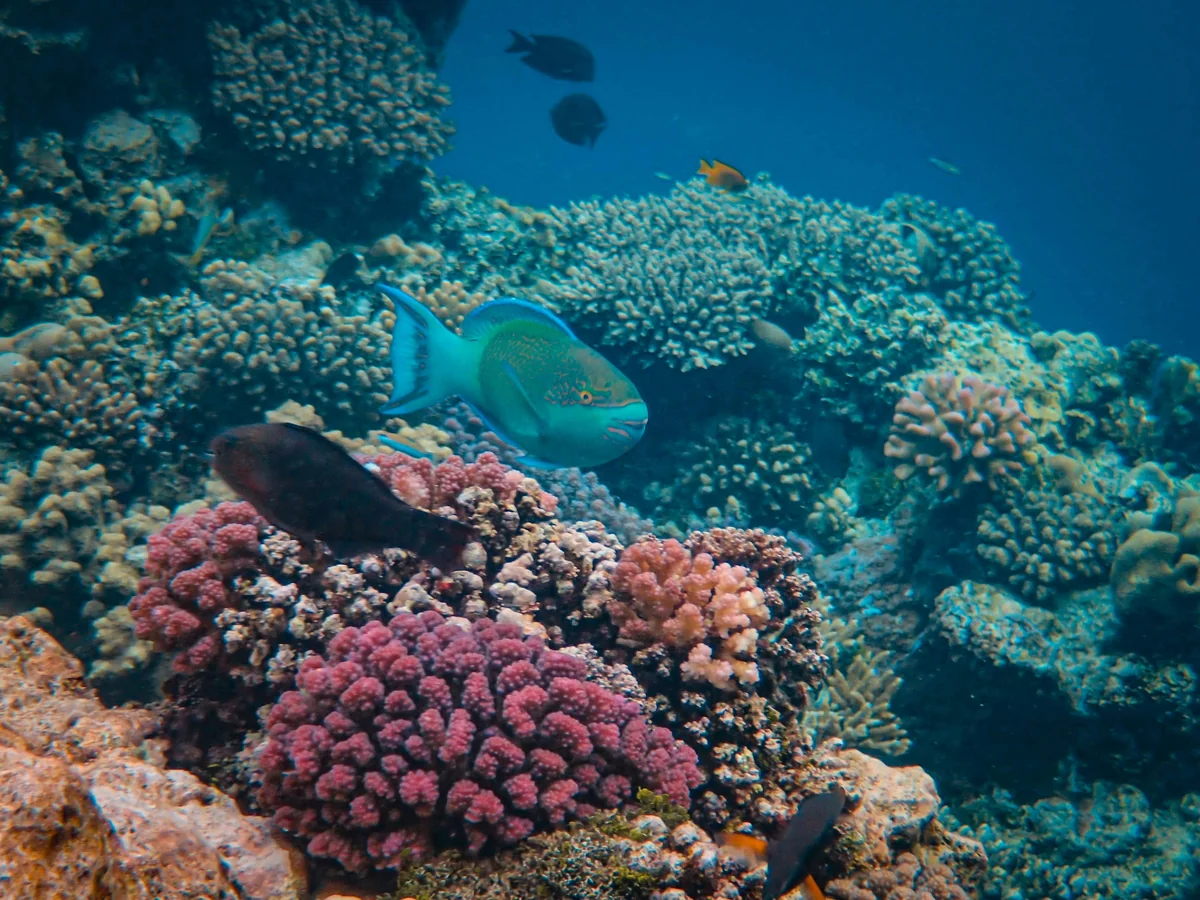
The reef off Key West is part of Florida’s Coral Reef, a system that runs some 350 miles from the Dry Tortugas up the Keys, and it’s the only extensive shallow coral reef formation off the continental U.S. coast. Protected within the vast Florida Keys National Marine Sanctuary, it harbors more than 40 species of reef-building coral and thousands of marine species. The coral grows in a distinctive “spur and groove” pattern, ridges of coral separated by sandy channels that captains sometimes call “finger canyons,” and gliding over those canyons with a mask on is genuinely awe-inspiring. It’s frequently described as one of the largest barrier reef systems in the world, and snorkeling it puts a world-class natural wonder within reach of any reasonably comfortable swimmer.
You Need a Boat: Why the Best Reef Isn’t From Shore
Let’s clear up the most common misconception right away: you cannot snorkel the living barrier reef from shore in Key West. The reef sits roughly six to seven miles out, so reaching it means taking a boat tour, full stop. The closest shore snorkeling is at Fort Zachary Taylor, where you can paddle around a rocky area and spot some fish, but it’s a pale imitation of the real reef, more “decent first dip” than “coral wonderland.” So if your goal is the genuine reef experience, a boat trip isn’t optional; it’s the whole point. Happily, there are dozens of excellent trips departing daily, which is what the rest of this guide is about.
The Reef Sites You’ll Actually Snorkel
Reef trips from Key West visit a handful of well-known sites, and which one you’ll hit depends on the day’s conditions (captains choose based on weather). The headliners:
| Site | What makes it special |
|---|---|
| Sand Key | ~7 miles south, the most-visited and most protected; calm, shallow, beginner-friendly, with a historic lighthouse |
| Rock Key | A crew favorite for flourishing coral and diverse fish in deep coral canyons |
| Eastern Dry Rocks | Classic finger-canyon coral, with lobster tucked into the crevices |
| Western Sambo | An ecological reserve with excellent clarity and abundant life; the longer two-stop destination |
| Cottrell Key | A shallow patch reef and sponge garden into the Gulf; the calmer backup when the outer reef is rough |
One note: the famous Looe Key reef is gorgeous, but it’s off Big Pine Key in the Lower Keys, a separate trip from a different departure point, not a standard Key West tour. When you book from Key West, you’re heading to the sites above.
What You’ll See Underwater
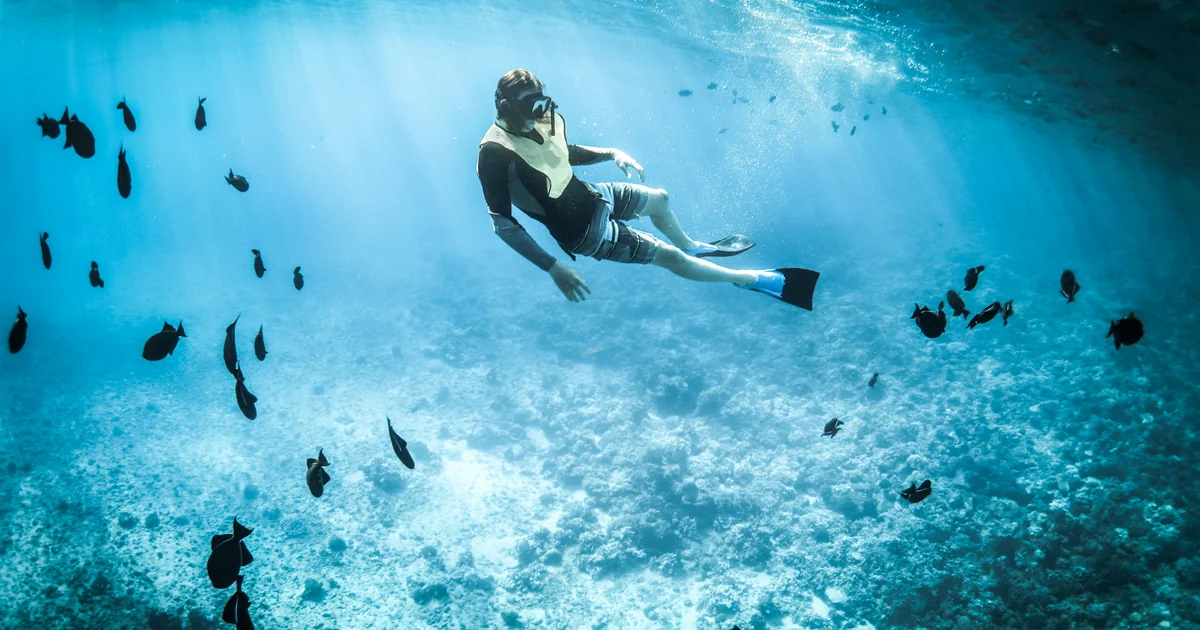
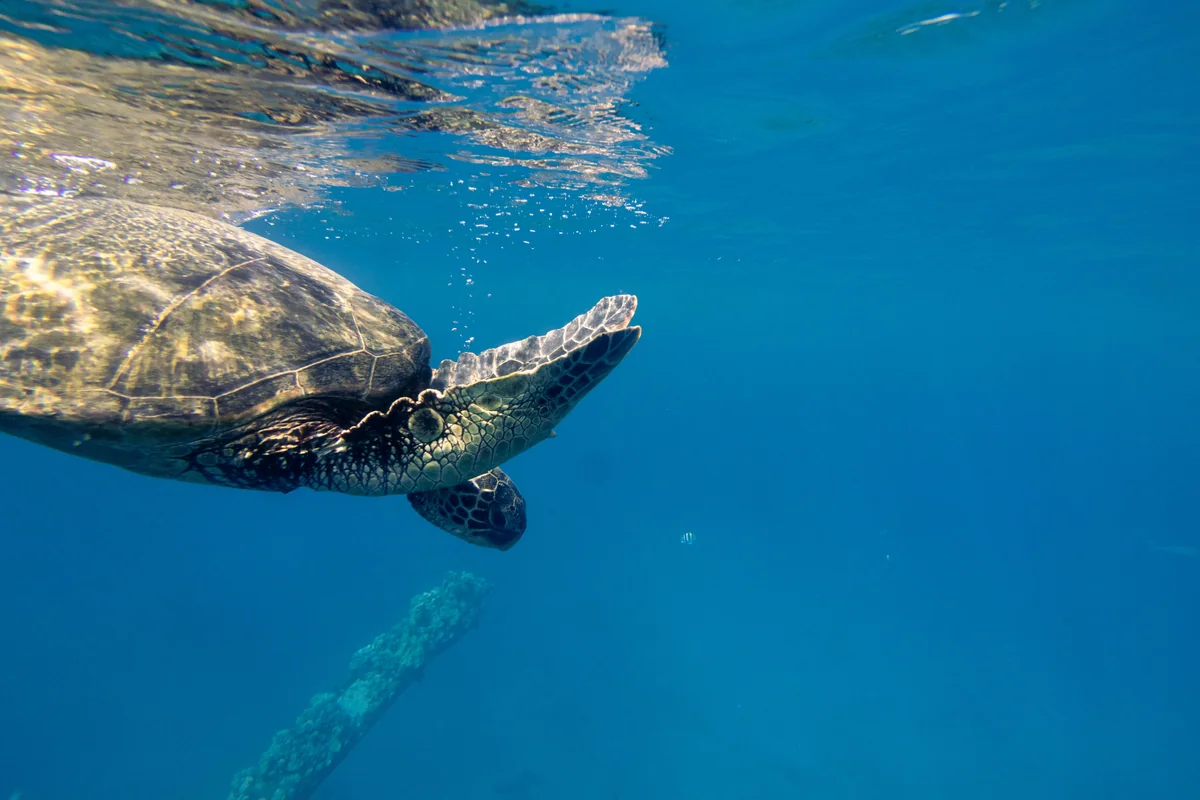
The reef is alive with color and motion. Across the sanctuary there are roughly 40-plus coral species and 500-plus species of reef fish, and on a single snorkel you’ll typically see swarms of parrotfish, blue tang, sergeant majors, yellowtail snapper, angelfish, and maybe a big grouper (including the occasional giant Goliath grouper). Beyond the fish, keep an eye out for sea turtles, stingrays, nurse sharks, barracuda, moray eels, lobster, and the swaying gardens of sea fans, brain coral, and sponges. Lucky snorkelers spot dolphins from the boat on the way out. It’s a feast for the eyes, and a reminder of just how much life this protected reef supports.
Types of Key West Reef Snorkel Trips
Not all reef trips are created equal. The right one for you depends on how much time you want in the water, the crowd size you prefer, and your budget. Here are the main formats.
Group Catamaran Reef Trips
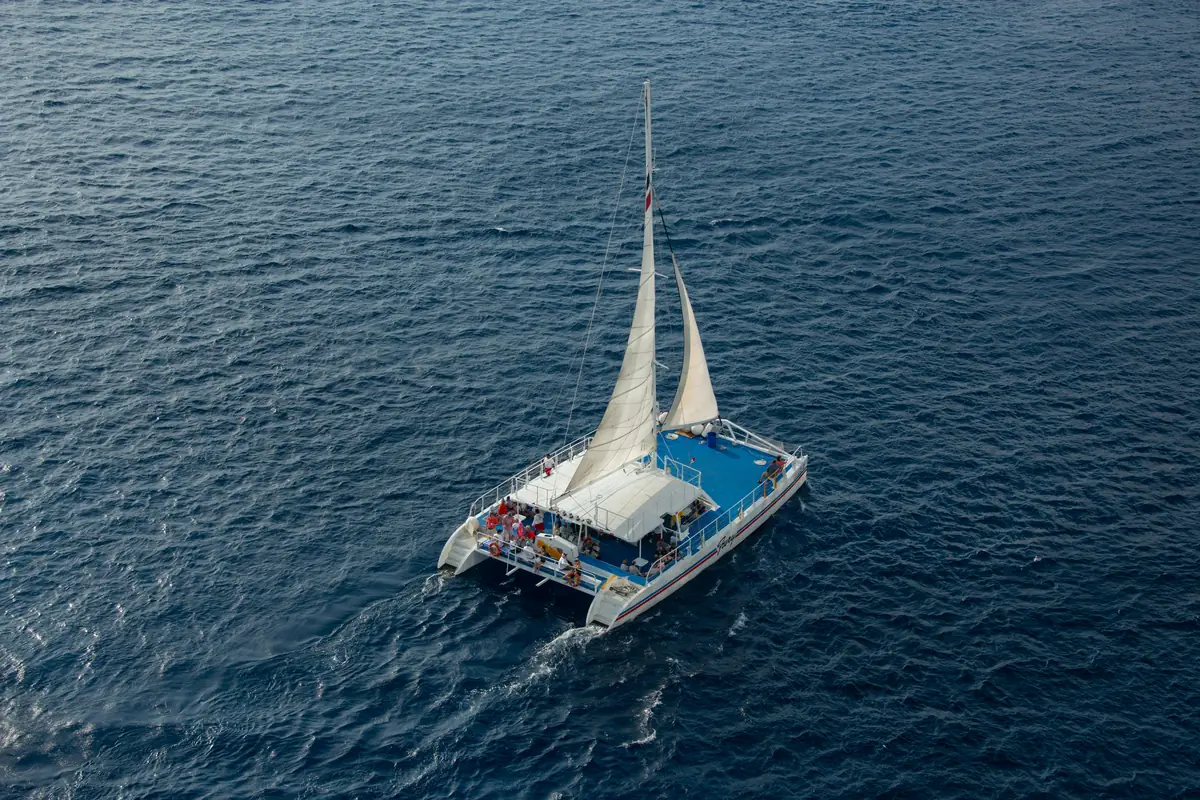
The standard and most affordable option. Large, fast catamarans carry a good number of guests out to the reef for a roughly three-hour trip, about an hour sailing out, an hour in the water, and an hour back. Gear, instruction, and drinks are included, and the boats are stable (good for queasy stomachs). Prices run about $45 to $90 per person. Some trips do a “double dip” at two reef sites for more water time. This is the easy, reliable choice for most visitors.
Sail and Snorkel Trips
Prefer fewer people and a quieter ride? Sailboats and schooners carry smaller groups and let you glide out under wind power, more peaceful, more scenic, a little slower. These run about $70 to $100 per person and trade some speed for atmosphere. Great for couples and anyone who finds big catamarans too crowded.
Sunset and Combo Trips
Want to maximize the day? Sunset-snorkel combos hit the reef and then linger for the sunset sail home. Full-day “ultimate adventure” combos bundle snorkeling with kayaking, paddleboarding, parasailing, or a floating water park, with lunch and drinks, for about $140 to $190 per person. And for non-swimmers in your group, a glass-bottom boat sees the reef without anyone getting wet.
How to Choose the Right Reef Trip
Match the trip to your priorities. Want the cheapest, easiest reef fix? A standard group catamaran trip. Want a calm, intimate experience? A small sail-snorkel. Want maximum time and variety? A two-stop or full-day combo. Prone to seasickness? Choose a larger, more stable catamaran and a morning departure. Have non-swimmers? Pair snorkelers with a glass-bottom option, or pick a trip with a good safety setup. Also weigh crowd size: big catamarans are social and fast but busier; sailboats are quieter but pricier per head. There’s no wrong answer, just the one that fits your group.
How Much Do Reef Snorkeling Trips Cost?
Here’s the quick price reference, recognizing that rates shift with season and operator: standard group catamaran trips run about $45 to $90, sail-snorkel trips about $70 to $100, and full-day combo adventures about $140 to $190 per person, with private charters costing more. Most include the gear and instruction you need, and afternoon trips often add drinks. Booking online in advance frequently secures the best price, and it’s wise in the busy season when popular trips sell out. Always confirm the current rate and what’s included before you book.
What’s Included and What to Bring
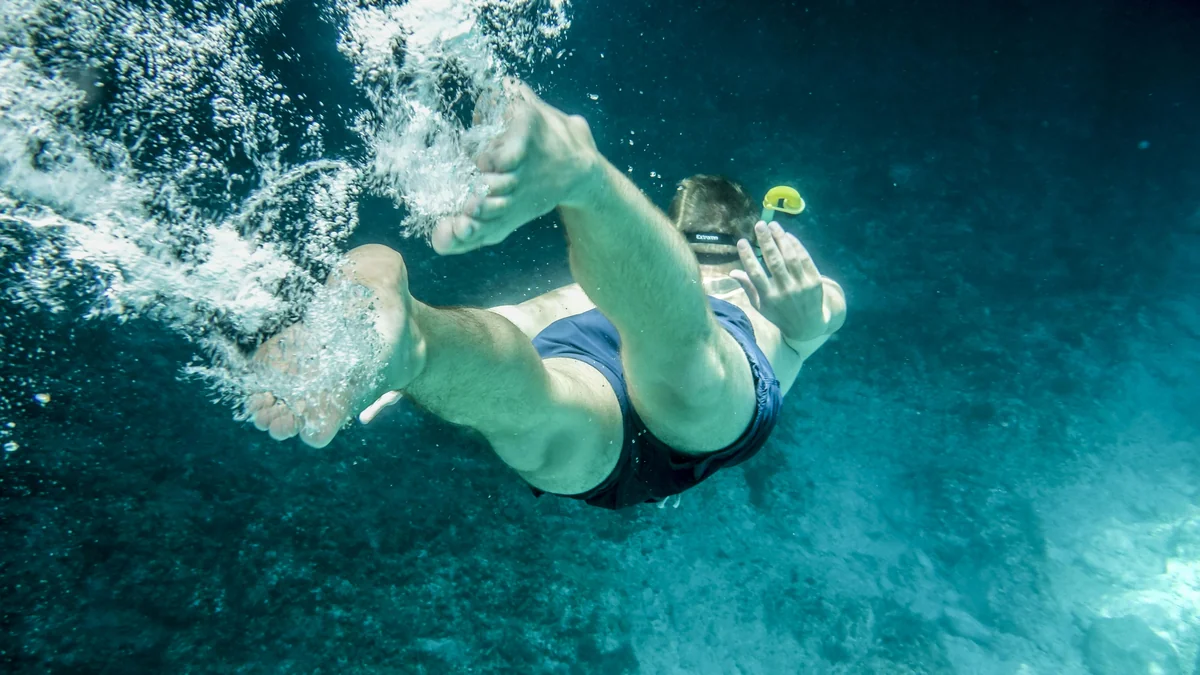
Reef trips typically provide all the essentials, mask, snorkel, fins, and a snorkel vest (plus floating noodles), professional instruction, and complimentary beverages (water and soft drinks, often beer and wine after snorkeling). What you should bring: a swimsuit worn under your clothes, a towel, reef-safe (mineral) sunscreen, a hat and sunglasses, a light layer for the breeze, water shoes, and a waterproof phone case or underwater camera. Reef-safe sunscreen is more than a courtesy, it’s essential to protect the coral, and it isn’t always provided, so pack your own. Apply it well before you get in the water.
Is Reef Snorkeling Good for Beginners?
Absolutely, this is one of the most beginner-friendly bucket-list activities anywhere. Trips provide flotation vests and noodles so you float effortlessly, crews give clear instruction, and a safety line floats behind the boat for less-confident swimmers to hold. Captains choose calm, shallow sites like Sand Key for beginner-heavy trips. You don’t need to be a strong swimmer, just comfortable putting your face in the water and breathing through a snorkel, which most people pick up within minutes. If you’ve never snorkeled before, tell the crew; they’re used to first-timers and will set you up for success. Kids do great too, with the right vest and a watchful parent.
Beating Seasickness on the Ride Out
The one real downside to reef trips is the boat ride: reaching the reef means crossing open water, and a “three-hour trip” includes roughly two hours of boat time. If you’re prone to motion sickness, plan ahead. Take an anti-nausea medicine (like Dramamine or Bonine) about an hour before departure, choose a morning trip (when seas are usually calmer) and ideally a summer date, and pick a larger catamaran, whose twin hulls make a stable platform. Once you’re at the reef and in the water, any queasiness usually vanishes. A little preparation keeps the journey from spoiling the destination.
Snorkel the Reef Responsibly
The reef is a living, fragile, and stressed ecosystem, it has suffered bleaching and disease in recent years, and every visitor shares responsibility for protecting it. The rules are simple: never touch or stand on the coral (it grows agonizingly slowly and is easily killed), wear reef-safe sunscreen free of oxybenzone, don’t chase or grab the wildlife, and take nothing but photos. Many reef sites are designated no-take Sanctuary Preservation Areas, and boats use mooring buoys rather than dropping anchor on the coral. NOAA even runs restoration projects to rebuild damaged reefs here. Snorkel as a respectful guest, and this underwater wonder will be there for the next generation of wide-eyed visitors.
Best Time of Year to Snorkel the Reef
You can snorkel the Key West reef year-round, but conditions vary. Summer (roughly May through October) brings the warmest water (low-to-mid 80s), the calmest, glassiest seas, and the best average visibility, sometimes up to 80 feet on a great day. Winter (November through April) is cooler and often windier and rougher, which can mean choppier rides and the occasional switch to a calmer patch reef like Cottrell Key, though you’ll also find fewer crowds. Conditions can change day to day, so if your trip gets moved to a backup site due to wind, trust the captain, they’re choosing where you’ll have the best (and safest) experience. The clearest water anywhere near Key West is out at the Dry Tortugas day trip, where the reef sits inside a national park.
Making the Most of Your Time at the Reef
Since your actual in-water time is precious, usually about an hour, a little strategy helps you maximize it. Get your gear sorted on the ride out: defog your mask, find a comfortable fin fit, and ask the crew to check your vest, so you are ready to slip in the moment the captain gives the go. Enter calmly and float first, let the vest hold you up, get your breathing steady through the snorkel, and resist the urge to thrash; relaxed snorkelers see more and tire less. Follow the crew or the floating line toward the best coral, and look not just down but around, turtles and rays often cruise the edges of the reef. Move slowly and quietly; sudden motion scares fish away, while a still, patient snorkeler gets surrounded by them. Keep a respectful distance from the coral (never touch or stand on it) and from the wildlife. If you brought an underwater camera, take a few shots but spend most of your time just watching, the reef rewards presence over photography. And pace yourself across the session so you are not exhausted halfway through. Do all that, and that single hour at the reef will deliver memories that far outlast the price of the ticket.
A Final Word for Reef-Bound Snorkelers
Snorkeling the Key West reef is one of those rare experiences that lives up to the hype, and then some. You do not need to be an athlete or an expert; you just need to book a reputable trip, prepare for the boat ride, and slip into the water with an open mind. The reef will take care of the rest, surrounding you with color and life in a way that photos and videos never quite capture. Treat the coral gently, protect it with reef-safe sunscreen, and you help ensure this underwater wonder endures. Whether it is your first time with a mask or your fiftieth, the moment a sea turtle drifts past below you is pure, simple magic, the kind that makes a Key West trip unforgettable.
Frequently Asked Questions
Where is the best snorkeling in Key West?
The outer coral barrier reef about 6 to 7 miles offshore, at sites like Sand Key, Rock Key, and Eastern Dry Rocks, reachable only by boat tour. Fort Zachary Taylor is the best shore option but offers rock-pile snorkeling, not true reef.
Can you snorkel the reef from shore?
No. The living barrier reef is several miles offshore, so you must take a boat. The closest shore snorkel, at Fort Zachary Taylor, is modest by comparison.
How far is the reef from Key West?
About 6 to 7 miles (Sand Key is roughly 7 miles due south), typically a 45-to-60-minute sail or a faster power-catamaran run.
How much are Key West reef snorkeling trips?
Group catamaran trips run about $45 to $90; sail-snorkel about $70 to $100; full-day combos about $140 to $190; plus private charters. Gear, instruction, and drinks are usually included.
What will I see snorkeling in Key West?
Dozens of coral species and hundreds of fish, parrotfish, blue tang, snapper, angelfish, grouper, plus sea turtles, rays, nurse sharks, barracuda, lobster, and sea fans.
Is Key West snorkeling good for beginners?
Yes. Trips provide flotation vests and noodles, a floating safety line, calm shallow sites, and crew instruction, no experience needed.
How long is a reef snorkeling trip?
Most are about three hours total: roughly an hour out, an hour at the reef, and an hour back. Two-stop and full-day trips give more time in the water.
What’s the best time of year to snorkel the reef?
Summer, roughly May through October, has the warmest, calmest, clearest water, sometimes up to 80 feet of visibility. Winter is cooler and often windier and rougher.
Final Thoughts
Snorkeling the Key West reef is the kind of experience that recalibrates a vacation, one minute you’re on a sunny deck, the next you’re hovering over a coral canyon as a sea turtle drifts past. Pick the trip that fits your group, prep for the boat ride if you’re sensitive to motion, pack your reef-safe sunscreen, and treat the coral with the care it deserves. Few activities anywhere deliver this much wonder for the price of a boat ticket. Book a reef trip, and you’ll come home talking about it. For more ways to get on the water, see our Key West boat tours guide and the basics in our snorkeling guide.
If you have a car and a spare morning, the reef many locals rate above anything a Key West boat visits is 40 minutes up the highway. Trips to Looe Key leave from Ramrod Key and Big Pine Key twice a day, the boat ride is short, and the reef is a Sanctuary Preservation Area with no fishing allowed. See our Looe Key snorkeling and diving guide before you decide which boat to book.
Sources & corrections
Rates, hours and closures verified against operator listings and on-island visits. Prices are peak-season unless noted.