Sheet 09 · Know Before You Go
What to Wear in Key West: Season-by-Season Dress Guide
Light, casual and sun-smart most of the year, a notch smarter for dinner, and one warm layer in winter. A season-by-season guide to what to wear in Key West, with NOAA averages, dinner dress codes, Fantasy Fest rules and a packing list.

Spend an hour people-watching on Duval Street and you will see the unofficial dress code of Key West in action: shorts, sandals, a loose shirt, sunglasses pushed up on a hat, and almost nobody in anything that needs ironing. Then the sun goes down, the same people reappear in linen and sundresses for dinner, and a cold front in January sends a few of them hunting for a sweatshirt they did not pack. That, in a sentence, is what to wear in Key West: light, casual and sun-smart for almost everything, a notch smarter for a good dinner, and one warm layer in winter.
This guide works through it season by season with NOAA’s long-term weather averages for the island, then covers what to wear for sightseeing, the beach and boats, dinner and nightlife, plus the things that catch visitors out: the sun, the bugs, the rain and the rules around Fantasy Fest. Temperatures are NOAA’s 1991–2020 normals for Key West International Airport; advice and rules come from the National Weather Service, the Florida Keys Mosquito Control District, the Fantasy Fest organisers and the venues’ and operators’ own sites, as published in November 2026.
What to wear in Key West at a glance
| Season | Average high / low | Days with rain (per month) | Wear |
|---|---|---|---|
| Winter (December–February) | 76–78°F / 66–68°F | 5–7 | Summer clothes by day, a light sweater or jacket for evenings and fronts |
| Spring (March–May) | 80–86°F / 69–76°F | 5–8 | Shorts, sundresses, sun hat; a light layer for early spring nights |
| Summer (June–August) | 89–91°F / 79–81°F | 11–15 | The lightest, loosest clothes you own, plus a packable rain layer |
| Fall (September–November) | 81–89°F / 72–79°F | 6–16 | Summer clothes into October; a light layer by late November |
Source: NOAA 1991–2020 monthly normals, Key West International Airport. Rain days are days with at least 0.01 inch.
Season by season
Winter: December, January and February
This is the season people come for, and the one that most often catches them underdressed. Average highs run from 75.8°F in January to 77.7°F in December, with lows of 65 to 68°F, so most days are T-shirt weather. But Key West’s winter is shaped by cold fronts. The National Weather Service notes that the warm water around the island takes the edge off them, and there is no record of frost or snow here, yet the day after a front can bring a brisk north wind, a cloudless sky and an evening that feels far colder than the averages suggest when you have been in shorts all week.
Pack: your usual summer wardrobe, plus a light sweater or fleece, one pair of long pants or jeans, and a windbreaker for evenings on the water. Closed shoes are worth having for the odd cool night. This is also part of the dry season, which the National Weather Service puts at December through April, so rain gear is optional.
If you are visiting over the holidays, our Key West in December and Key West in January guides cover what is on as well as what to wear.
Spring: March, April and May
Spring warms quickly. March averages 79.6°F for a high and April 82.6°F, and by May the average high is 85.9°F with lows above 76°F. The air is still relatively dry until late in the season, and the sun is already strong.
Pack: shorts, skirts, sundresses, linen, a wide-brimmed hat and sunglasses. A light layer helps on breezy March evenings; by May, you will not need it.

Summer: June, July and August
Summer is hot, humid and wet. Average highs are 88.7°F in June, 90.2°F in July and 90.6°F in August, and the nights barely drop below 80°F. June through October is the wet season, when the island gets around two-thirds of its yearly rain, mostly in short, heavy afternoon storms; August averages 14.6 days with measurable rain. The humidity is what makes it feel hotter: the National Weather Service points out that standing in full sun can raise the heat index by as much as 15°F.
Pack: the lightest, loosest, most breathable clothes you own, in linen, cotton or technical fabrics that dry fast. Plan on changing your shirt in the afternoon. Add a packable rain jacket or a compact umbrella, sandals that can get wet, and a hat you do not mind sweating into.
Fall: September, October and November
September is still a summer month in all but name, with an average high of 89.0°F and the most rainy days of the year at 15.8. October eases to 85.8°F and November to 81.0°F, and by late November a cool front can pass through. The Atlantic hurricane season runs from June 1 to November 30, so if you travel in the fall, pack for the occasional washed-out day and keep an eye on the forecast.
Pack: summer clothes and rain gear for September and October; by late November, add the light layer you would bring in winter. If you are coming for Fantasy Fest in October, see the rules below before you plan a costume.
Daytime and sightseeing
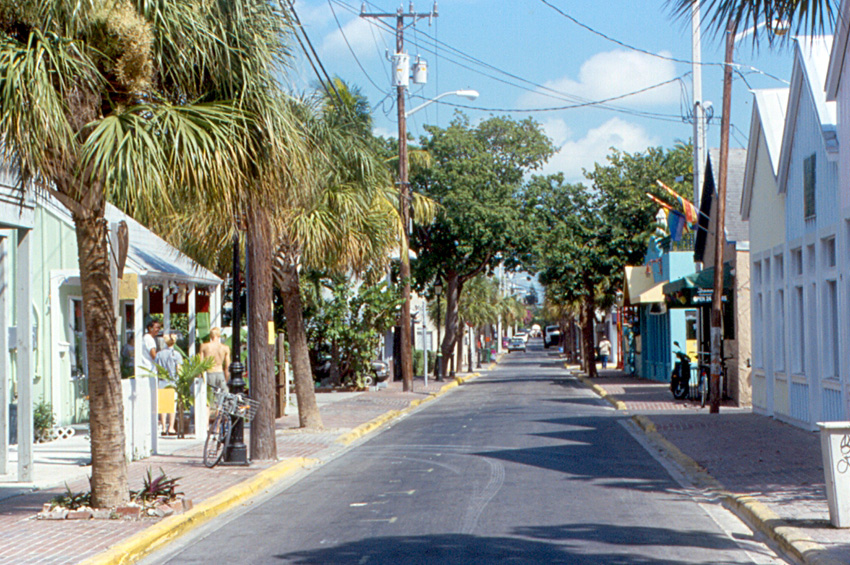
Old Town is a walking town, and most visitors cover several miles a day without noticing. Sidewalks are narrow and uneven in places, and tree roots and the odd missing paver are part of the charm.
- Shoes: comfortable sandals with a back strap, or breathable sneakers. Flip-flops are fine for a stroll and the beach, less so for a full day on foot.
- Sun: a wide-brimmed hat, sunglasses, and a light long-sleeved shirt or sun shirt for the middle of the day. The official Florida Keys visitor guidance is blunt: at this latitude, unprotected skin can burn in minutes.
- Fabrics: loose, light-colored and breathable. Dark denim at two in the afternoon in July is a mistake you only make once.
- A bag: something small for water, sunscreen and a layer, because you will be out longer than you think.
Attractions are casual. The Hemingway Home, for example, is open 9 a.m. to 5 p.m. daily and publishes no dress rules on its admissions page, and the same goes for most museums and sights in town.
A note on sunscreen
Key West made headlines in 2019 for passing a ban on the sale of sunscreens containing oxybenzone and octinoxate, two ingredients linked to coral damage. That ban never took effect: a Florida law signed in June 2020 stopped local governments from regulating sunscreen products. You can buy any sunscreen in Key West, but if you will be snorkeling over the reef, choosing a mineral sunscreen without those ingredients, and covering up with a rash guard instead of relying on lotion alone, is kinder to the coral you came to see.
On the beach and on the water
- Swimwear and cover-ups: swimsuits belong on the beach, at the pool and on the boat. When you walk into town, throw on a shirt, shorts or a cover-up; nobody will turn you away, but it is the norm.
- Water shoes: the park beach at Fort Zachary Taylor is a coral beach, and the park suggests water shoes (its gift shop sells them). They are useful anywhere you wade over rock or seagrass, and kinder to your feet than bare soles on rough shoreline.
- Rash guard: the best sun protection for snorkeling, when your back is to the sky for an hour.
- A layer for boats: even on a hot day, the wind on a fast boat or a sunset sail can chill you once you are wet. A light long-sleeved top or windbreaker earns its place in the bag, and in winter it is essential.
For the Dry Tortugas trip, the Yankee Freedom ferry’s own advice is to bring a bathing suit, sunscreen, sunglasses and a hat, a beach towel, a change of clothes, cash, sturdy walking shoes for the fort, and a camera. The operator describes temperatures out there as ranging from the mid-50s to the mid-90s Fahrenheit through the year, so in winter add that warm layer. Our Dry Tortugas day trip guide covers the rest.
If you are planning to get in the water, our guide to swimming in Key West explains which beaches suit which kind of swim.
Dressing for the things you will actually do
Most Key West days mix two or three activities, so it helps to think about outfits by plan rather than by day.
- Riding a bike or scooter: shoes that stay on your feet, not flip-flops, and nothing long and loose that can catch in a wheel or chain. On a scooter, closed shoes and sunglasses or a visor make the ride more comfortable, and a light long-sleeved shirt protects your arms from the sun as well as from the road.
- Kayaking or paddleboarding in the mangroves: a sun shirt, quick-dry shorts, a hat that will not blow off, and water shoes you can step into the shallows in. Mangroves mean mosquitoes, so keep repellent and a long-sleeved layer in a dry bag.
- A day on a sandbar or snorkel boat: swimsuit underneath, rash guard and cover-up on top, a towel, and a dry layer for the ride home, when wet skin and wind make even a warm day feel cool.
- A sunset sail: resort casual is right, and a light sweater or wrap in winter, because it cools quickly on the water once the sun drops.
- Fishing charters: long sleeves, a hat and polarized sunglasses for hours on an open deck, and soft-soled shoes that grip a wet deck. Ask the captain if there is anything else they want you to bring.
- A beach wedding: light fabrics, flat or wedge shoes rather than heels that sink into sand, and something to cover your shoulders in the sun. Follow the couple’s dress code if they set one.
Dinner: is there a dress code?

Mostly, no. Key West dining runs from shacks where you can eat in your swimsuit cover-up to some genuinely serious kitchens, but even the dressier places lean toward what you might call island smart: a collared shirt or a good linen shirt and shorts or trousers for men, a sundress or nice top for women. None of the island’s well-known restaurants, including Louie’s Backyard, Cafe Marquesa, Seven Fish, Blue Heaven and Santiago’s Bodega, publishes a formal dress code on its own website.
A few practical pointers:
- For a special-occasion dinner, such as Cafe Marquesa’s seven-course tasting menu, dress as you would for a nice restaurant at home on a warm evening, and you will fit right in.
- Waterfront patios can be breezy in winter and buggy at dusk, so bring a light layer and consider long sleeves.
- Air conditioning indoors can be fierce in summer. A wrap or light shirt over your shoulders helps.
- If in doubt, ask when you book. It costs nothing, and the answer is usually “come as you are”.
Our Key West fine dining guide picks out the places worth dressing up a little for.
Nightlife and Duval Street
Duval Street’s bars are casual: shorts, sandals and T-shirts are the norm. Wear shoes you can stand in for a few hours, and bring photo ID. If you are heading to a drag show or a rooftop bar, people do tend to make a little more effort, but nobody is checking. For the rules on drinks rather than clothes, see our guide to Key West’s drinking laws.
Fantasy Fest: what is and is not allowed
Every October, Fantasy Fest turns Duval Street into a ten-day costume party, and its reputation runs ahead of its rules. The festival’s own FAQ is clear:
- Nudity in public view is illegal.
- Body painting is to be done in enclosed areas out of public view.
- Painted breasts are allowed only inside the designated Fantasy Zone, and only with pasties; pasties and panties are required even when painted.
- Outside the zone, on City streets, you need to cover up.
- Bars, clubs and other venues can set their own dress codes.
Read the current year’s rules on the festival’s official site before you plan anything ambitious, and see our Fantasy Fest guide for the events themselves.
Bugs: dress to beat the mosquitoes
The Florida Keys have more than 50 species of mosquito, and their numbers rise in the summer rainy season. The Florida Keys Mosquito Control District’s advice is to wear long sleeves and pants outdoors and use repellent, and the district notes that many species feed at dawn and dusk. In practice that means a light, loose long-sleeved shirt and thin trousers for evenings on a waterfront patio, a mangrove kayak trip or a sunset on the beach.
Rain and storms

Most summer rain comes in sharp afternoon downpours that often clear as quickly as they arrived, which is why many locals do not bother with umbrellas: they duck into a bar and wait. A packable rain jacket is more useful than an umbrella in the wind, and quick-drying sandals beat sneakers when the streets flood briefly. From December to April, the dry season, you may not need rain gear at all. If you are traveling during hurricane season, the bigger question is not what to wear but whether to travel; keep an eye on the National Hurricane Center’s forecasts in the days before your trip.
What not to bother packing
- Formal wear, unless you are going to a wedding. Even then, check the invitation: many Key West weddings are on the beach.
- Heavy shoes and boots. One pair of walking sneakers and one pair of sandals covers nearly everything.
- A heavy coat. Even the coldest front calls for a sweater and a windbreaker, not a parka.
- Too many clothes. You will live in the same few light outfits. Many guesthouses and hotels have laundry, and everything dries fast.
Forgot something? Duval Street and the streets around it are lined with shops selling hats, sunglasses, sandals, swimwear and T-shirts, so you can fill most gaps on arrival, at island prices. For a complete checklist, see our Key West packing list.
A simple Key West packing list
- Five to seven light tops, including at least one long-sleeved sun shirt
- Shorts, skirts or light trousers, and one pair of long pants
- One or two “island smart” dinner outfits
- Two swimsuits, a cover-up and a rash guard
- Walking sandals or sneakers, flip-flops and water shoes
- Wide-brimmed hat and sunglasses
- A light sweater or fleece and a windbreaker (essential December to March)
- A packable rain jacket (essential June to October)
- Sunscreen, insect repellent and a small day bag
Frequently Asked Questions
What should I wear in Key West in December?
Summer clothes for the day, with average highs around 78°F, plus a light sweater or jacket for evenings, when lows average 68°F and a cold front can make it feel much cooler. One pair of long pants is worth packing.
Do I need a jacket in Key West?
From December to March, bring a light jacket, fleece or windbreaker for evenings, boat trips and the occasional cold front. From May to October, you will not need one, except perhaps a rain shell.
Can you wear flip-flops everywhere in Key West?
Almost. Flip-flops are welcome in nearly every bar and most restaurants, but for a full day of walking around Old Town or climbing around Fort Jefferson on a Dry Tortugas trip, sturdier sandals or sneakers are kinder to your feet.
Do Key West restaurants have dress codes?
Very few, if any, publish one. Even at the more upscale restaurants, smart casual is the norm. If you are unsure, ask when you book.
Is it OK to wear a swimsuit on Duval Street?
Nobody will stop you, but it is not the norm. Put on a shirt and shorts or a cover-up when you leave the beach or pool.
What do people wear to Fantasy Fest?
Costumes, often elaborate ones. The festival’s rules say nudity in public view is illegal, painted breasts are allowed only in the designated Fantasy Zone with pasties, and you must cover up on City streets outside the zone.
Should I bring rain gear to Key West?
From June to October, yes: a packable rain jacket or compact umbrella. From December to April, the dry season, it is usually optional.
How do I avoid mosquito bites in Key West?
Wear light long sleeves and long pants outdoors, especially at dawn and dusk when many species feed, and use repellent, as the Florida Keys Mosquito Control District recommends.
Related Key West Guides
- Key West packing list
- Key West fine dining
- Key West weather
- Key West month by month
- Fantasy Fest
- Can you swim in Key West?
- Key West FAQ
Photo Credits
Featured image: pedestrians on Duval Street: Duval Street, Key West, FL – 27225184457 by w_lemay, CC0, via Wikimedia Commons.
Visitors at the Hemingway Home: Hemingway House Visitors – Key West, Florida 2024 by Eden, Janine and Jim, CC BY 2.0, via Wikimedia Commons.
The Sunset Celebration at Mallory Square: Florida Keys Scenic Highway – Tightrope Walker at Sunset Celebration – NARA – 7718458, Public domain, via Wikimedia Commons.
Wind and rain from Tropical Storm Fay, 2008: Fay – Wind and Rain (2774602919) by Cayobo from Key West, The Conch Republic, CC BY 2.0, via Wikimedia Commons.
An Old Town street: Key West – Street Scene (3882602027) by Roger W from Sarasota, Florida, U.S.A., CC BY-SA 2.0, via Wikimedia Commons.
Sources & corrections
Rates, hours and closures verified against operator listings and on-island visits. Prices are peak-season unless noted.