Sheet 06 · Fishing
Key West Backcountry Fishing: Hidden Waters Guide (2026)
A guide to Key West backcountry fishing — calm, shallow waters, the variety of species you'll catch, charter costs and why it's perfect for families and beginners.

When people picture Key West fishing, they often imagine roaring offshore in search of marlin — but some of the island’s most productive, accessible, and downright fun fishing happens in the opposite direction: the shallow, calm, mangrove-lined waters of the backcountry. This is light-tackle fishing at its best, with non-stop action, a huge variety of species, and protected water that stays fishable even when the offshore seas are rough. Here’s my complete guide to Key West backcountry fishing — what you’ll catch, what it costs, and why it might be the best charter you book.

Key Takeaways
- Backcountry fishing takes place in the calm, shallow Gulf-side waters — protected, scenic, and great when offshore is rough.
- Expect a huge variety: snapper, snook, redfish, sea trout, barracuda, jacks, sharks, and tarpon, on light tackle.
- Half-day charters typically run $650–$700 for up to 4 anglers, all-inclusive (gear, license, catch cleaning).
- It’s ideal for families, beginners, and anyone wanting steady action rather than a long-shot trophy.
What is backcountry fishing?
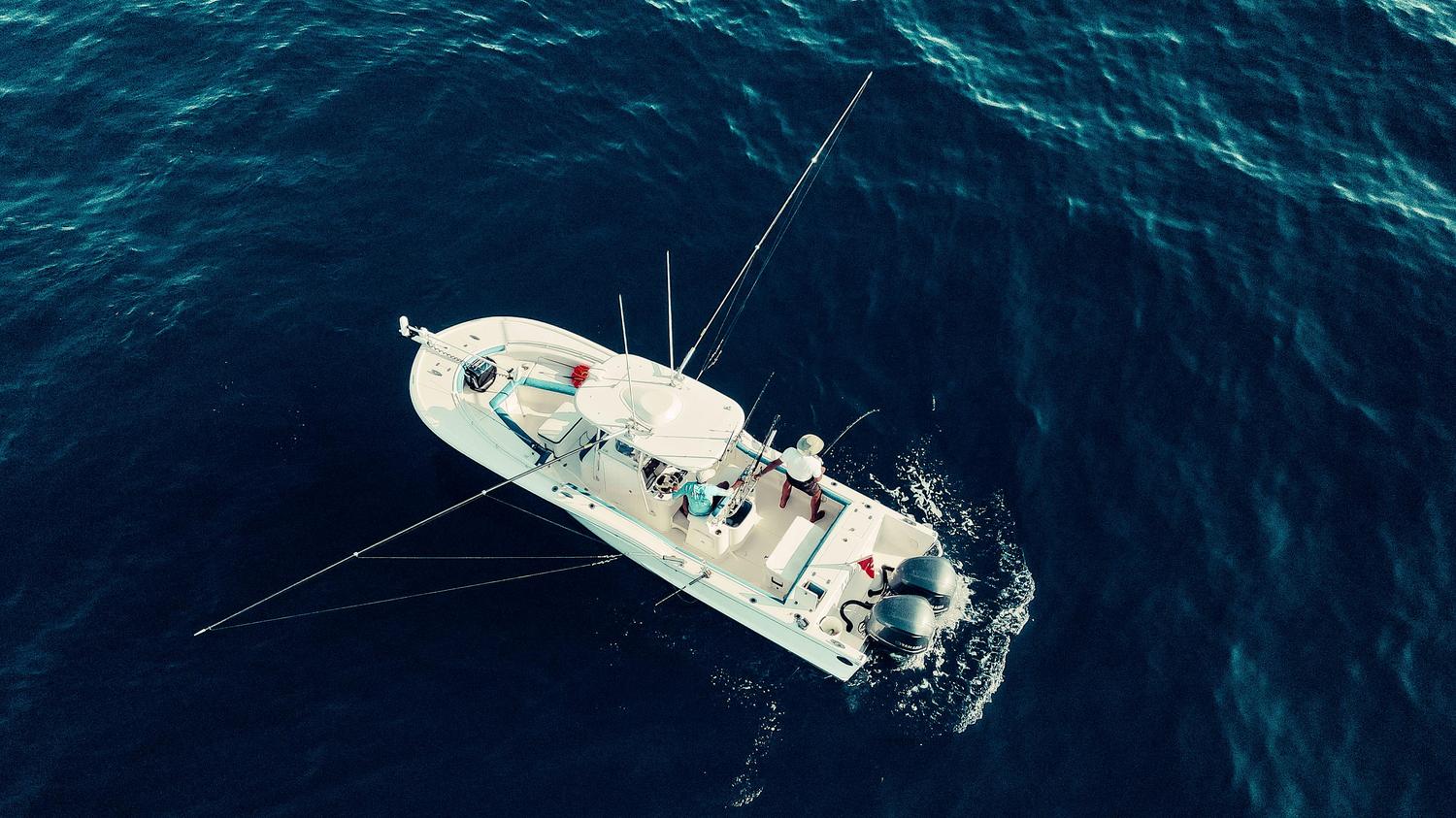
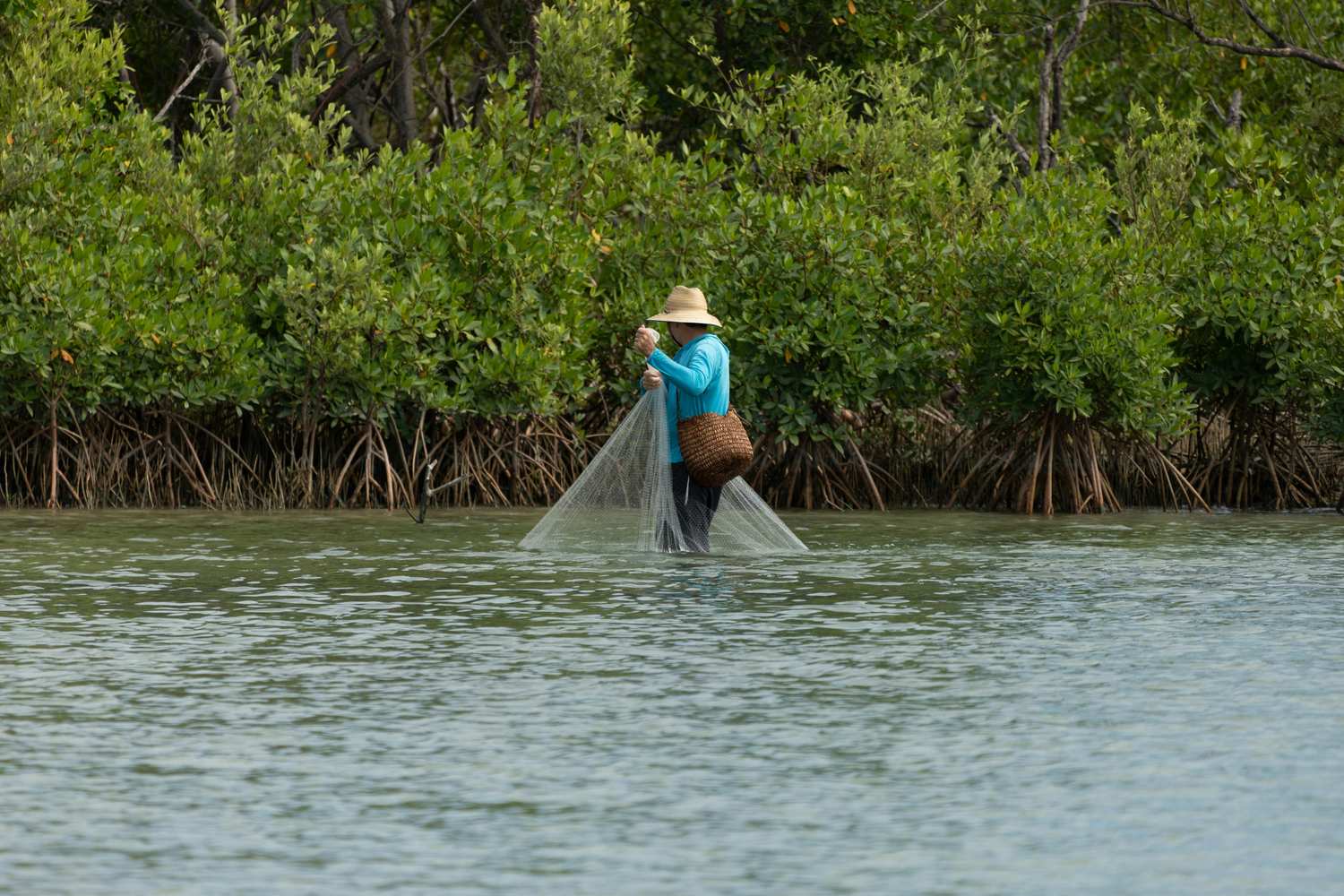
“Backcountry” refers to the maze of shallow flats, mangrove islands, channels, and basins on the Gulf side of Key West and out toward the Marquesas — protected waters that rarely get rough. Unlike offshore fishing, where you run miles into the open ocean, backcountry trips stay in calm, scenic, skinny water close to land, usually aboard a shallow-draft skiff or bay boat. It’s light-tackle fishing, meaning lighter rods and a more hands-on, active style, and it’s prized for its sheer variety and steady action. This is different from pure flats fishing (which is more about sight-casting to bonefish and permit on the open flats) and from deep sea fishing (offshore, big game). For the full overview of the island’s fishing, start with our Key West fishing guide.
What you’ll catch

The backcountry’s biggest draw is variety — you never quite know what’s next. Common catches include:
- Mangrove (gray) snapper and other snapper — tasty, abundant, and great fun on light tackle.
- Snook and redfish — prized inshore gamefish that put up a great fight.
- Sea trout (spotted seatrout) — plentiful and a favorite with families.
- Barracuda and jacks — aggressive, hard-fighting, and exciting to hook.
- Sharks — blacktips, lemons, and others patrol the shallows for serious thrills.
- Tarpon — the “silver king” rolls through the channels in season (see our tarpon fishing guide).
- Cobia, grouper, and more — in the deeper channels and structure.
That diversity is exactly why backcountry trips rarely have a slow moment — there’s almost always something biting.
Why choose a backcountry trip?

Backcountry fishing has real advantages, especially for certain travelers. The water is calm and protected, so it’s the go-to choice when wind or weather makes offshore trips rough or impossible — and it’s far gentler on anyone prone to seasickness. The action is steady, with lots of bites and variety, which keeps everyone engaged (a big plus for kids and beginners). The setting is gorgeous and serene — gliding through mangrove channels and over turquoise flats, spotting rays, turtles, and birds along the way, it doubles as a wildlife experience. And it’s beginner-friendly: the guides do the heavy lifting, teach you as you go, and put you on fish. If you want a relaxed, productive, family-friendly day with a strong chance of catching dinner, the backcountry is hard to beat. It’s a favorite on our Key West bucket list for good reason.
A typical backcountry trip, start to finish

Here’s how a half-day backcountry charter usually unfolds. You’ll meet your captain at the marina in the morning (the best time for calm water and active fish), load up, and idle out through the channels toward the flats and mangrove basins — a scenic ride in itself. The captain reads the tides, water, and structure to pick productive spots, then sets you up with light spinning or baitcasting gear and shows you the technique. From there it’s often steady action: cast near the mangroves or a channel edge, feel the bite, and hang on. The guide moves between spots as the bite dictates, sometimes anchoring over structure for snapper, other times poling quietly along a flat looking for tailing fish. Throughout, you’ll see rays, sea turtles, birds, and other wildlife, and the captain shares local knowledge about the ecosystem. After about four hours (for a half day) you’ll head back with a cooler of fish and the captain will clean and bag your catch for you. It’s a relaxed, rewarding morning that even non-anglers enjoy. It earns its spot in our Key West fishing guide.
What it costs and what’s included
Backcountry charters are typically priced per boat (not per person), covering up to about four anglers. Expect to pay roughly $650–$700 for a half-day (4-hour) trip, with full days costing more; split among a group, it’s a reasonable per-person cost. The good news is these trips are usually all-inclusive: rods, reels, tackle, lures, bait, and a cooler with ice are provided, the required saltwater fishing license is covered for everyone on the boat, and the captain will typically clean and bag your catch for free at the end. You just bring yourself, sun protection, food and drinks, and a tip for the crew. Confirm exactly what’s included when you book. For more ways to budget your trip, see our Key West on a budget guide.
Who it’s best for
Backcountry fishing suits a wide range of anglers. It’s perfect for families — the calm water, steady action, and variety keep kids hooked (our Key West with kids guide has more). It’s ideal for beginners, since no experience is needed and the guide teaches you everything. It’s the smart choice on windy days when offshore is out. And even experienced anglers love the technical, hands-on light-tackle challenge and the shot at snook, redfish, and tarpon. About the only people who should look elsewhere are those specifically chasing big offshore game like marlin, sailfish, or mahi — for them, our deep sea fishing guide is the place to go.
Light-tackle techniques you’ll use
Backcountry fishing is hands-on and varied, which is part of the fun. Depending on the day and target species, your guide might have you live-bait fishing (free-lining shrimp or pilchards near structure), jigging with soft plastics for trout and snook, bottom fishing for snapper around channel edges, or sight-casting to fish you can see in the shallow water. The lighter tackle means even modest-sized fish put up a thrilling fight, and the close-quarters, technical nature of it is genuinely engaging — you’re an active participant, not just holding a rod and waiting. Don’t worry if you’ve never done it: guides are patient teachers and will coach you through casting, hook-setting, and fighting fish. Many first-timers are surprised how quickly they get the hang of it and how addictive the steady tug of the backcountry becomes. Experienced anglers, meanwhile, appreciate the skill and finesse the shallow water demands.
Eat your catch: hook to table
One of the best perks of a backcountry trip is dinner. Species like mangrove snapper, sea trout, and (in season) other keepers are excellent eating, and your captain will fillet and bag your catch at the dock. From there, you have two delicious options: cook it yourself if you’re staying in a vacation rental with a kitchen, or take it to one of Key West’s many “hook and cook” restaurants that will prepare your fresh catch however you like — grilled, blackened, or fried — often for a reasonable fee. There’s nothing quite like eating fish you caught that morning, with a cold drink and an ocean view. Our seafood restaurants guide and waterfront restaurants guide can point you to spots that cook your catch.
Conservation and catch-and-release
The backcountry is a fragile, vital nursery ecosystem, and responsible anglers help keep it healthy. Reputable guides practice and encourage catch-and-release for gamefish like tarpon, snook, redfish, and bonefish (some of which are protected or have strict limits), keeping only what’s legal and good to eat. Follow your captain’s guidance on size and bag limits and proper handling — wet your hands before touching fish, support them horizontally, and release them quickly and gently. The fishing license included with your charter funds conservation, and choosing ethical guides who respect the resource ensures the backcountry stays productive for future anglers. This conservation ethic runs through all of Key West’s nature-based activities, from fishing to the mangrove eco-tours — the island depends on its waters, and protecting them is everyone’s job.
Best time for backcountry fishing
The backcountry fishes well year-round, which is part of its appeal, though the mix of species shifts with the seasons. Spring and fall are fantastic all-around, with great action and comfortable weather. Tarpon peak in the warmer months (roughly spring into summer). Winter can be excellent for snapper and other species, and the calm backcountry is a great option when winter cold fronts churn up the offshore waters. Snook, redfish, and trout are available much of the year. The bottom line: there’s good backcountry fishing in every season, so it’s a reliable choice whenever you visit. For the full month-by-month breakdown, see our Key West fishing seasons guide, and our best time to visit guide for weather.
What to bring and how to prepare
- Reef-safe sunscreen, a hat, polarized sunglasses, and a long-sleeve sun shirt — sun protection is essential on the open water.
- Non-marking, closed-toe shoes or boat-friendly footwear.
- Food, drinks, and water (and any seasickness remedy, though it’s rarely needed in the calm backcountry).
- A camera or phone in a waterproof case for the catch photos.
- Cash for the crew tip (15–20% is customary for good service).
The charter handles all the fishing gear and the license. See our Key West packing list for more.
How to choose a backcountry guide

Your captain makes or breaks the trip, so choose well. Look for an experienced, licensed backcountry or flats guide with strong recent reviews mentioning fish caught, patience with beginners, and good gear. Decide on trip length (a 4-hour half day suits most families and first-timers; serious anglers may want a full day) and confirm what’s included (gear, bait, license, cleaning) and the boat type (a comfortable bay boat for families, a poling skiff for technical sight-fishing). Be clear about your goals when you book — eating fish, the biggest fight, a relaxed family outing, or chasing a specific species like tarpon — so the guide can tailor the trip. Ask about the cancellation and weather policy, since trips may move for high wind (though the backcountry handles wind better than offshore). And book directly or through a reputable charter service well in advance for peak season. A good guide doesn’t just put you on fish — they teach you, share the ecosystem, and turn a few hours on the water into a highlight of your trip.
What makes Key West backcountry special
Key West sits at the edge of one of the most productive and beautiful inshore fisheries on earth, where the Gulf of Mexico, the Atlantic, and the vast shallow flats of the Florida Keys meet. The backcountry here stretches west toward the remote, pristine Marquesas Keys, a wilderness of uninhabited mangrove islands and gin-clear flats that feels a world away from Duval Street. The water is warm year-round, the ecosystem is rich and varied, and the sheer diversity of species packed into these shallows is remarkable — few places let you tangle with snapper, snook, barracuda, sharks, and tarpon all in a single morning. Add the calm, protected conditions and the postcard scenery, and it’s easy to see why anglers travel from around the world to fish these waters, and why so many Key West visitors who try it once come back for more. Whether you’re a serious angler or just want a fun, scenic, productive day on the water, the Key West backcountry delivers.
Frequently asked questions
What fish can you catch backcountry fishing in Key West?
A great variety: mangrove snapper, snook, redfish, sea trout, barracuda, jacks, sharks, cobia, grouper, and seasonal tarpon. The diversity and steady action are the backcountry’s biggest draw.
How much does a backcountry fishing charter cost in Key West?
Typically around $650–$700 for a half-day (4-hour) trip for up to four anglers, with full days costing more. Charters are usually all-inclusive — gear, tackle, bait, license, and catch cleaning are covered. Bring food, drinks, sun protection, and a tip.
Is backcountry fishing good for beginners and kids?
Yes — it’s one of the best choices for both. The water is calm, the action is steady, no experience is needed, and the guide teaches you everything. The variety keeps kids engaged, making it a great family trip.
What’s the difference between backcountry, flats, and deep sea fishing?
Backcountry fishing is light-tackle fishing in the calm, shallow Gulf-side channels and basins for a variety of species. Flats fishing is sight-casting to bonefish, permit, and tarpon on the open flats. Deep sea fishing runs offshore for big game like marlin, sailfish, and mahi.
When is the best time for backcountry fishing in Key West?
It’s good year-round, with the species mix shifting by season. Spring and fall offer excellent all-around action, tarpon peak in the warmer months, and the calm backcountry is the ideal choice on windy or cold-front days when offshore is rough.
Can I keep and eat the fish I catch backcountry fishing?
Yes, within legal size and bag limits. Species like mangrove snapper and sea trout are excellent eating, and your captain will fillet and bag your keepers at the dock. You can cook them at a vacation rental or take them to a Key West “hook and cook” restaurant that will prepare your catch for you. Gamefish like tarpon, bonefish, and often snook and redfish are typically released to protect the fishery.
Do I need a fishing license for a Key West charter?
No — when you book a licensed charter, the captain’s saltwater fishing license covers everyone aboard, so you don’t need to buy your own. This is one of the conveniences of going with a guide. If you fish from shore or on your own, you would need a Florida saltwater fishing license, but for chartered backcountry trips it’s already handled.
The takeaway
Backcountry fishing is Key West’s most accessible, action-packed, and family-friendly way to wet a line — calm water, gorgeous scenery, and a constant variety of hard-fighting fish, all with a guide who does the work and puts you on the bite. It’s the smart choice for beginners, families, windy days, and anyone who values steady action over a long-shot trophy. Book a half day, bring the sunscreen, and enjoy one of the island’s great fishing experiences. Explore more in our Key West fishing guide and our water sports guide.
Sources & corrections
Rates, hours and closures verified against operator listings and on-island visits. Prices are peak-season unless noted.