Sheet 08 · History & Culture
Fort Jefferson and Dry Tortugas History Guide
The history of Fort Jefferson and the Dry Tortugas: why the giant brick fort was built, its Civil War prison, Dr. Mudd, and how it became a national park.

Key Takeaways
- Fort Jefferson is the largest brick masonry structure in the Americas, built from more than 16 million bricks on a tiny island about 70 miles west of Key West.
- Construction began in 1846 and never finished, after roughly 30 years of work, because rifled cannon made brick forts obsolete and the structure was slowly sinking.
- It served as a Civil War prison, most famously holding Dr. Samuel Mudd, convicted in the Lincoln assassination conspiracy.
- The Dry Tortugas were named by Ponce de León in 1513 for their sea turtles; “Dry” warns sailors there’s no fresh water.
- It became a national monument in 1935 and Dry Tortugas National Park in 1992. For how to actually get there, see our day-trip guide.
Seventy miles past the end of the road, where the Gulf of Mexico meets the open Atlantic, a colossal six-sided fortress rises straight out of the turquoise water. Fort Jefferson is one of the most astonishing things in all of Florida, a 16-million-brick behemoth on a speck of sand so remote it has no fresh water, never fired its guns in anger, and was never even finished. Its story spans Spanish explorers, enslaved laborers, a Civil War prison, a doctor caught up in the killing of a president, and a deadly epidemic. This is the history of Fort Jefferson and the Dry Tortugas, the most improbable landmark in the Keys.
This guide tells that story from the beginning, then points you to what survives today. We’ll keep the ferry-and-seaplane logistics light here; for trip planning, our Dry Tortugas day-trip guide has the practical details. Think of this as the history that makes the journey worth taking, and a key chapter of our Key West history guide.
Where Are the Dry Tortugas?
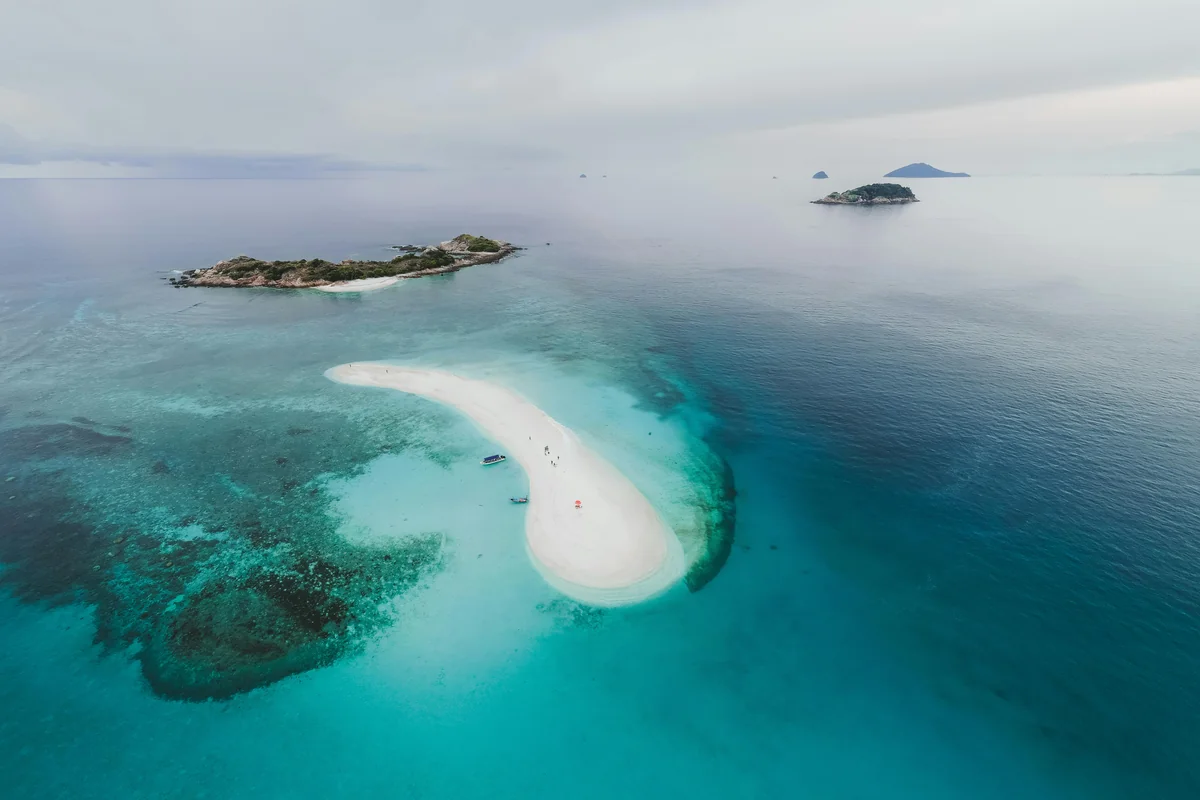
The Dry Tortugas are a cluster of seven small islands about 70 miles west of Key West, the final scattering of the Florida Keys before the Gulf opens up. The surrounding national park is more than 99 percent water, a vast, shallow, impossibly clear marine wilderness. Fort Jefferson occupies almost all of Garden Key, one of these tiny islands, sitting so low and so far out that the first sight of it from a boat, a massive fortress seeming to float on the horizon, is genuinely surreal.
How the Dry Tortugas Got Their Name
The name is pure history. In 1513, the Spanish explorer Juan Ponce de León sailed past these islands and named them Las Tortugas, “the turtles,” for the abundant sea turtles his crew found and took for food. The word “Dry” was added later by mariners on their charts as a crucial warning to other sailors: there is no fresh water here. It’s one of the oldest European place names in the United States, and it still tells you the two most important facts about the place, turtles and thirst.
Why Build a Fort Here? The Key to the Gulf
It seems mad to build the largest fort in the hemisphere on a waterless sandbar, until you look at a map. The Dry Tortugas sit beside one of the busiest shipping lanes in the world, the gateway between the Gulf of Mexico and the Atlantic. Whoever controlled this anchorage could protect, or threaten, all the maritime traffic flowing to and from New Orleans, Mobile, and beyond. American military planners, including a young Army engineer named Robert E. Lee who surveyed the site, recognized that a fortress here would be a “Gibraltar of the Gulf.” In 1846, construction began.
Building Fort Jefferson: 16 Million Bricks on a Reef
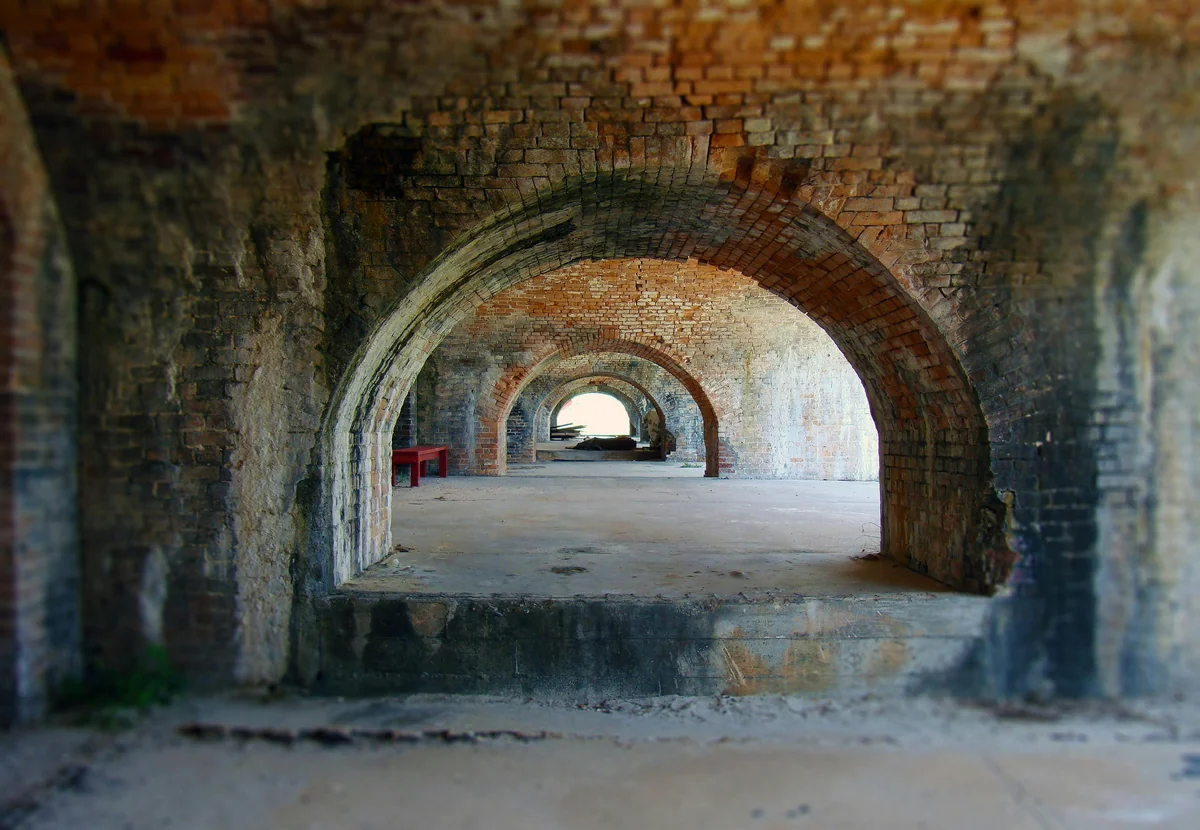
What the engineers attempted was staggering. Fort Jefferson is a hexagonal fortress with walls about eight feet thick and 45 feet high, covering all sixteen acres of Garden Key, built from more than 16 million bricks hauled in by ship. It was designed across multiple tiers to hold hundreds of guns, with vaulted casemates, granite spiral staircases, and a surrounding moat. To this day it remains the largest brick masonry structure in the Americas. Much of the early labor came from enslaved people hired out from Key West owners, alongside immigrant and contract workers, who lived and toiled on this remote outpost in brutal conditions. That same era of brick-and-timber craft shaped the town itself, as our guide to Key West architecture explains.
An Engineering Marvel, and the Water Problem
The single greatest challenge was the one the island’s name announces: no fresh water. The engineers’ ingenious solution was to build an elaborate system of cisterns into the fort’s massive walls to collect and store rainwater. It was clever, but it largely failed, as the walls settled and cracked, letting seawater seep in and spoil the supply. During the Civil War the garrison resorted to steam condensers to distill drinking water from the sea. The struggle to simply stay hydrated shadowed the fort’s entire existence and helped seal its fate.
The Fort That Was Never Finished (and Why)
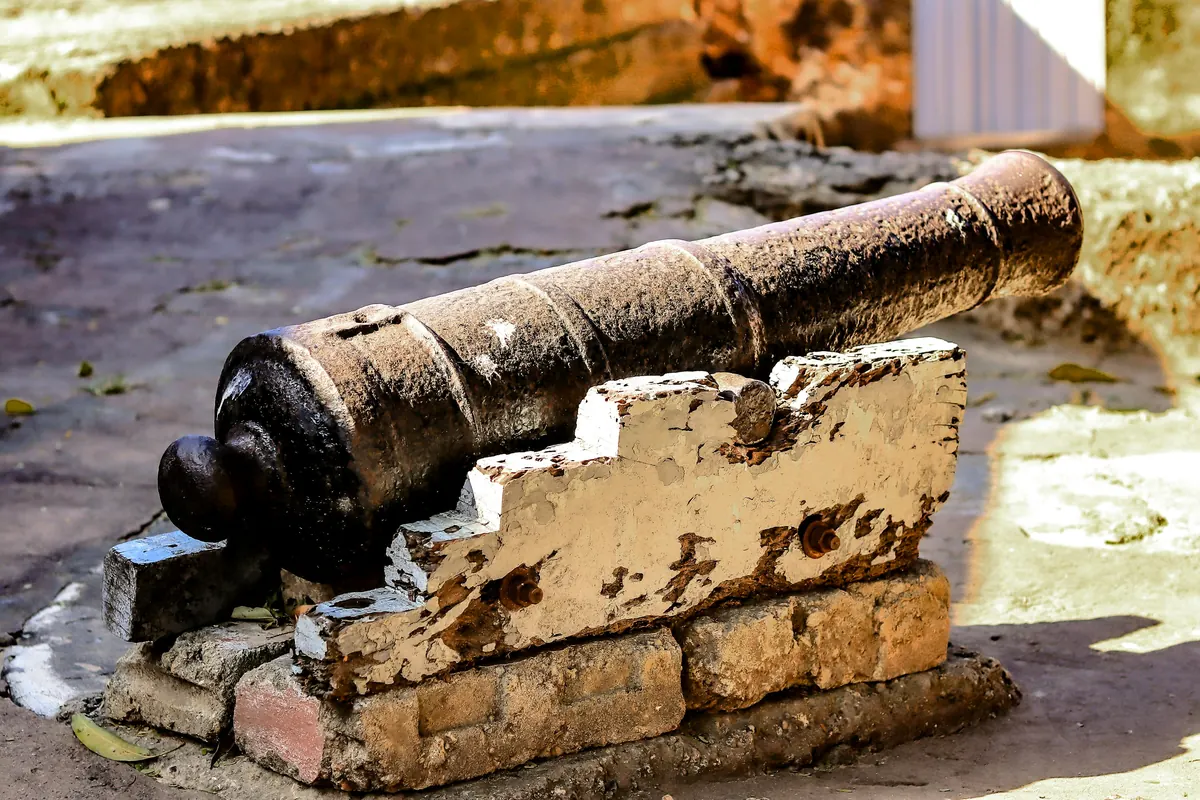
After roughly thirty years of effort, Fort Jefferson was never completed, and the reasons are a lesson in bad timing. First, military technology overtook it: by the 1860s, powerful new rifled cannon could shatter brick walls that had been considered impregnable when construction began, making the entire design obsolete almost as it was being built. Second, the fort was literally sinking, its immense weight slowly settling into the coral and sand, which forced engineers to leave the upper tier incomplete to reduce the load. Add the punishing remoteness and the difficulty of supplying the site, and the dream of a Gibraltar of the Gulf was quietly abandoned.
A Union Island in a Confederate State
Here is one of the fort’s great ironies. When the Civil War broke out and Florida seceded, Fort Jefferson, sitting in Confederate territory, remained firmly in Union hands throughout the war. It was never attacked, and its guns were never fired in battle. Instead it served the Union as a base for the blockade of Gulf shipping and, increasingly, as a military prison. You can still read the war in the walls today: the lower courses use tan brick from Pensacola, Florida, while the upper sections switch to red brick from Maine, brought in after Florida seceded and cut off the southern supply, a visible color line marking the moment the nation split.
“America’s Devil’s Island”: The Prison Era
Fort Jefferson’s remoteness, the very thing that made it impractical as a fortress, made it ideal as a prison. Surrounded by miles of open ocean, it needed few walls to hold its inmates; the sea was the wall. During and after the Civil War it housed prisoners, mostly Union deserters, in conditions made miserable by heat, isolation, disease, and that endless water problem. Its grim reputation earned it the nickname “America’s Devil’s Island.” But it’s one particular group of prisoners that made the fort famous.
Dr. Samuel Mudd and the Lincoln Conspirators
In July 1865, four men convicted by a military tribunal in the conspiracy to assassinate Abraham Lincoln arrived at Fort Jefferson to serve their sentences: Dr. Samuel Mudd, Samuel Arnold, Edman Spangler, and Michael O’Laughlen. Mudd’s offense was setting the broken leg of John Wilkes Booth as the assassin fled Washington; whether he knowingly aided a conspiracy or simply treated an injured stranger has been debated ever since. He was spared the gallows by a single vote and shipped to the most remote prison in America. Above the door of his cell, an inscription quoted Dante’s Inferno: “Whoso entereth here leaveth all hope behind.”
The 1867 Yellow Fever Epidemic and Mudd’s Redemption
Mudd’s story took a dramatic turn in 1867, when a yellow fever epidemic swept the fort. When the post surgeon died of the disease, Dr. Mudd volunteered to take over the hospital, working tirelessly to treat the sick, improve sanitation, and contain the outbreak. Of roughly 270 who fell ill, 38 died, a far lower toll than such epidemics usually exacted, and many credited Mudd’s efforts. His fellow conspirator Michael O’Laughlen was among those who died. The surviving soldiers were so grateful that hundreds of them petitioned for Mudd’s release, and in 1869 President Andrew Johnson pardoned him. He had served about four years of a life sentence; the doctor convicted of conspiracy left the island something close to a hero.
Abandonment, Quarantine, and the USS Maine
Battered by repeated hurricanes and recurring yellow fever, the Army finally gave up on the fort, withdrawing its garrison in 1874 and leaving only a small caretaker force. In the decades that followed, the fort found quieter uses: a quarantine station run by the Marine Hospital Service, and a Navy coaling station where warships refueled. In a famous footnote, the USS Maine took on coal at the Dry Tortugas in 1898 before steaming to Havana, where its mysterious explosion would help ignite the Spanish-American War. The mighty fortress had become a remote way station.
The Lighthouses of the Dry Tortugas
The same reefs and shipping lanes that justified the fort also demanded lighthouses, and the Dry Tortugas have two. The older Garden Key Light, first lit in 1826, stood right on the fort’s island; after a taller light was built nearby it was demoted to a harbor light and eventually rebuilt atop one of the fort’s bastions, where its small tower still pokes above the brick walls. The grander Loggerhead Key Light, lit in 1858 on a neighboring island, is a soaring conical brick tower nearly 150 feet tall, built to throw a powerful beam across the most dangerous stretch of reef. Together they tell the same story as the fort: this remote, beautiful place was a genuine crossroads of American shipping, worth fortifying and worth lighting.
Wildlife and the Birds of Bush Key
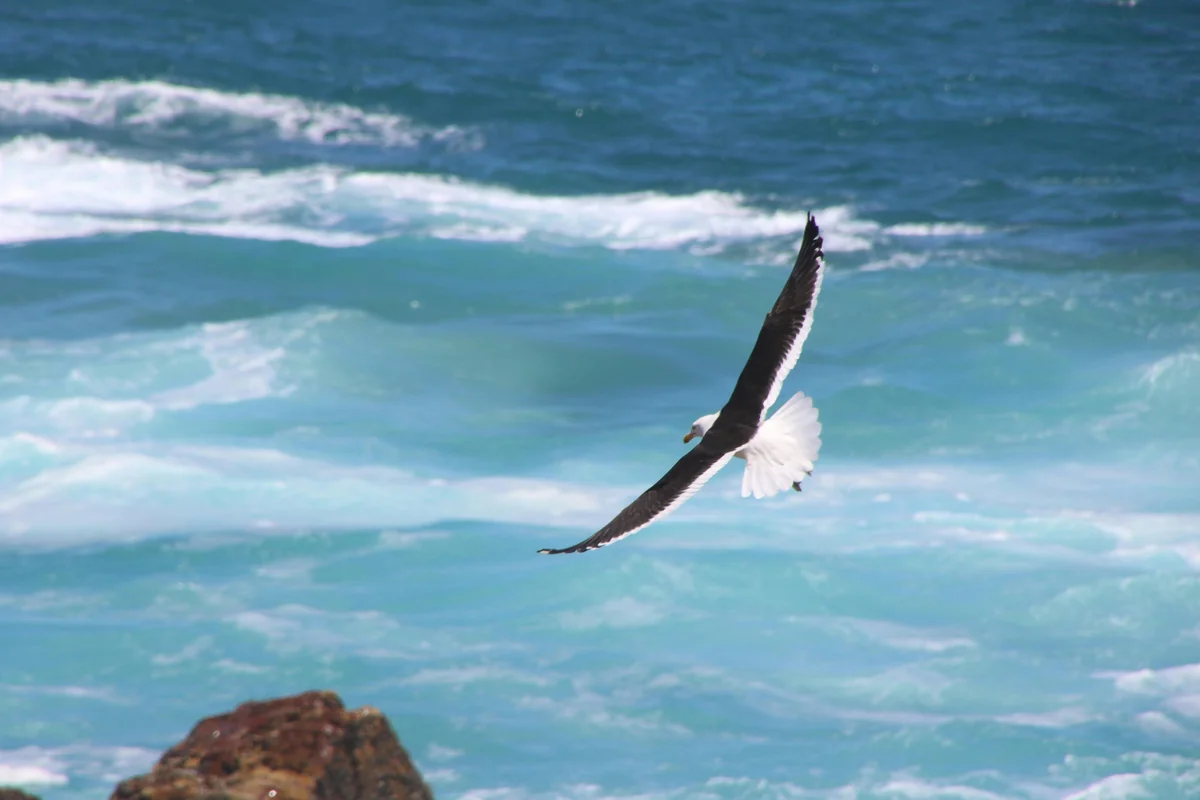
The Dry Tortugas may be steeped in human history, but today they belong mostly to wildlife, and that’s a huge part of their appeal. The park is more than 99 percent water, encompassing vibrant coral reefs that make the snorkeling around the fort some of the best in the Keys. Just beside Garden Key lies Bush Key, one of the only places in North America where sooty terns nest in large numbers, tens of thousands of them descending each spring in a swirling, clamorous colony, alongside brown noddies and other seabirds. For birders, the Dry Tortugas are a legendary destination, a vital landfall for exhausted migrants crossing the Gulf. The fort that was built to project American power now presides over a thriving wilderness, which feels like the right ending to its story.
From National Monument to National Park
Fort Jefferson’s last act is a happier one. Recognized as a treasure of American history and a haven for wildlife, the area was designated Fort Jefferson National Monument by President Franklin Roosevelt in 1935, with Depression-era crews restoring the crumbling structure. In 1992 it was elevated to Dry Tortugas National Park, protecting both the fort and the spectacular marine environment around it. Today the islands are also a globally important seabird sanctuary, with the nearby Bush Key hosting one of the only large nesting colonies of sooty terns in North America, tens of thousands of birds wheeling over the water each spring. Back on the main island, the Truman Little White House carries the other half of Key West’s federal story.
Seeing the History for Yourself
What makes a visit so powerful is how much of this history you can still touch. You can walk the parade ground, climb to the top tier for views over the moat and the sea, trace the granite spiral staircases, and find the two-tone brick line that marks the Civil War. You can stand in the cell traditionally associated with Dr. Mudd, see the monument to the surgeon who died in the epidemic, and feel the sheer scale of a structure that consumed thirty years and 16 million bricks. It’s history at a scale and in a setting nothing else in Florida can match. To plan the boat or seaplane trip out and what to bring, head to our Dry Tortugas day-trip guide, and browse more excursions in our Key West day trips guide.
Fort Jefferson by the Numbers
The statistics still stagger. More than 16 million bricks. Walls eight feet thick and 45 feet high. A footprint covering all sixteen acres of Garden Key, ringed by a moat, with granite spiral staircases and vaulted gun rooms designed to mount hundreds of cannon. Roughly thirty years of labor in one of the most isolated, inhospitable spots in North America, seventy miles from the nearest town and with no fresh water of its own. And after all of it, the fort never fired a shot in anger and was never finished. There is something almost poetic about a structure this colossal built for a purpose that history quietly erased before the mortar had set, and it is exactly that mix of grandeur and futility that makes Fort Jefferson so haunting to stand inside today.
Frequently Asked Questions
Why was Fort Jefferson built?
To guard one of the most strategic deepwater anchorages in North America and control the Gulf of Mexico shipping lanes that pass near the Dry Tortugas. Whoever held the fort could protect or threaten that vital maritime traffic.
Why is it called the Dry Tortugas?
Ponce de León named the islands Las Tortugas, “the turtles,” in 1513 for their abundant sea turtles. “Dry” was added later on charts to warn sailors that there is no fresh water there.
Is Fort Jefferson the largest masonry fort?
It’s the largest brick masonry structure in the Americas, covering about sixteen acres and built from more than 16 million bricks. A couple of U.S. forts cover slightly more total area, but none used more brick.
Who was imprisoned at Fort Jefferson?
Mainly Union Civil War deserters, plus four men convicted in the Lincoln assassination conspiracy: Dr. Samuel Mudd, Samuel Arnold, Edman Spangler, and Michael O’Laughlen.
Why was Dr. Mudd pardoned?
For heroically running the fort’s hospital during the 1867 yellow fever epidemic after the post surgeon died. Grateful soldiers petitioned for his release, and President Andrew Johnson pardoned him in 1869.
Why was Fort Jefferson never finished?
New rifled cannon made brick forts obsolete by the 1860s, the enormous structure was slowly sinking into the sand and coral, and the remote location made construction extraordinarily difficult. Work stopped after about thirty years.
Were the fort’s guns ever fired in battle?
No. Despite sitting in a Confederate state, Fort Jefferson remained in Union hands throughout the Civil War, was never attacked, and never fired its guns in combat.
When did Fort Jefferson become a national park?
It was made Fort Jefferson National Monument by President Franklin Roosevelt in 1935 and redesignated Dry Tortugas National Park on October 26, 1992.
Final Thoughts
Fort Jefferson is a monument to ambition and irony: the largest brick fortress in the hemisphere, built on a waterless island, rendered obsolete before it was done, and remembered best for a prisoner who became a hero. Knowing its story transforms the long journey out into something like a pilgrimage, you’re not just visiting a pretty ruin, you’re standing inside one of the strangest and most compelling chapters of American history. When you’re ready to make the trip, our day-trip guide will get you there, and our Key West history guide has more of the island’s past.
Sources & corrections
Rates, hours and closures verified against operator listings and on-island visits. Prices are peak-season unless noted.