Sheet 08 · History & Culture
Key West Literary Heritage: Writers Who Called the Island Home
Meet the famous Key West authors and writers, from Hemingway and Tennessee Williams to Frost, Bishop, and Judy Blume, plus the literary landmarks you can visit.

Key Takeaways
- Key West has drawn writers for nearly a century, from Hemingway and Tennessee Williams to a long line of Pulitzer Prize-winning poets and novelists.
- Ernest Hemingway lived at 907 Whitehead Street (1931–39) and Tennessee Williams made the island his home for over three decades.
- Robert Frost, Elizabeth Bishop, and Wallace Stevens all wrote here, and Stevens once famously came to blows with Hemingway.
- Today’s literary scene thrives, anchored by author Judy Blume’s nonprofit bookstore and the annual Key West Literary Seminar.
- You can tour the Hemingway Home and Tennessee Williams Museum, but many writers’ houses are private, so admire them from the street.
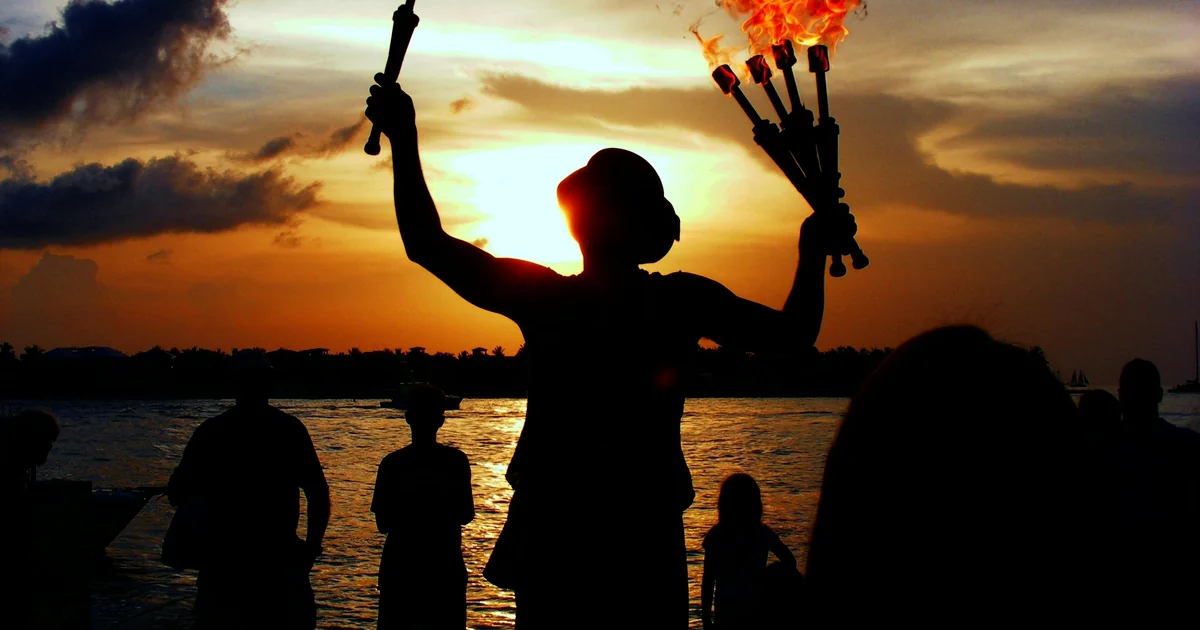
For a town of fewer than thirty thousand people at the end of a long highway, Key West has produced and hosted a staggering amount of great literature. Something about this island, the light, the freedom, the cheap rents of earlier decades, the end-of-the-road sense that the rules don’t quite reach this far, has pulled writers here for nearly a hundred years. Ernest Hemingway wrote some of his best work in a Whitehead Street mansion. Tennessee Williams called the island home for thirty-four years. A remarkable cluster of Pulitzer-winning poets wintered here. And the literary tradition is alive and well today. This is the story of Key West’s writers and where you can still walk in their footsteps.
This guide is a who’s-who of the island’s literary giants, paired with the landmarks you can visit, the festivals worth planning around, and a self-guided route to tie it together. It’s one of the most enriching ways to see Key West and a thoughtful chapter of our Key West history guide.
Why So Many Writers Made Key West Their Home
There’s no single reason, but the pieces fit together. In the lean decades after the cigar industry collapsed and the Depression hit, Key West was cheap and a little run-down, the kind of place a writer could afford to live and work without distraction. It sat at the literal end of the road, a haven for people who wanted to escape mainland conventions, and it had a deep streak of tolerance for outsiders and eccentrics. The warm weather and the beauty didn’t hurt. And once a few famous names had settled in, the island became a magnet, writers came partly because other writers were already there. That self-perpetuating creative gravity has never really switched off.
Ernest Hemingway: The Island’s Most Famous Resident
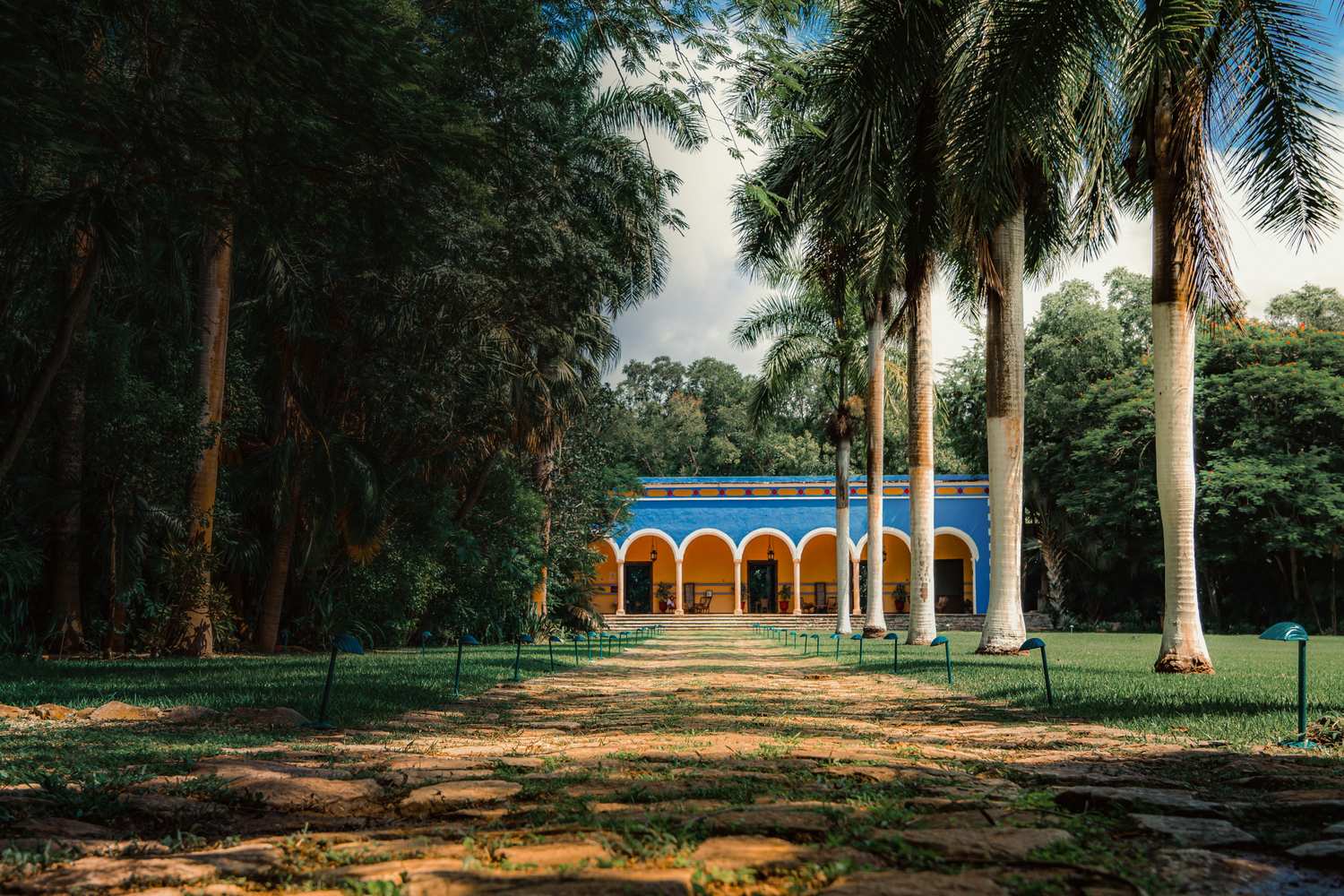
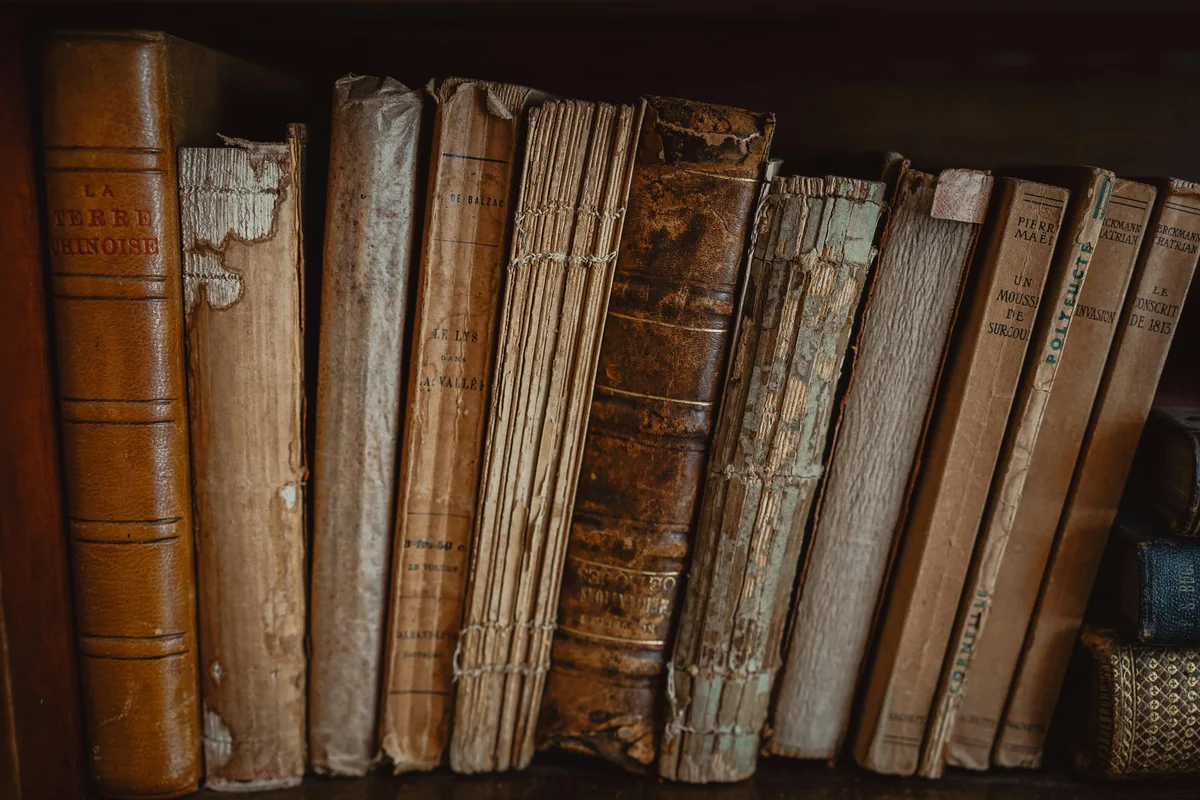
No writer is more bound up with Key West than Ernest Hemingway. He first arrived in 1928, lured by his friend and fellow novelist John Dos Passos, and in 1931 settled into the limestone mansion at 907 Whitehead Street that’s now the island’s most visited literary shrine. During his Key West years he was astonishingly productive, finishing A Farewell to Arms and writing Death in the Afternoon, Green Hills of Africa, The Snows of Kilimanjaro, and To Have and Have Not, his only novel set in the United States, drawn directly from the Key West characters he drank and fished with. His house, with its first-in-town swimming pool and famous six-toed cats, is open daily for tours; our full Hemingway Home guide covers the visit in depth. When you’re done, walk a few blocks to Sloppy Joe’s, his old watering hole.
Tennessee Williams: Three Decades on Duncan Street
If Hemingway is the island’s most famous writer, Tennessee Williams may be its most devoted. The great playwright first visited in 1941 and, in 1949, bought a modest Bahamian-style house at 1431 Duncan Street, making Key West his primary home and the only house he ever owned, for the rest of his life, some thirty-four years until his death in 1983. Here he finished A Streetcar Named Desire and wrote The Rose Tattoo, which was filmed on the island in 1955. He even set a rose-tattoo mosaic into the floor of his pool. The Duncan Street house is a private residence today, but the Tennessee Williams Museum on Truman Avenue celebrates his life and work and is open to visitors.
The Poets of Key West
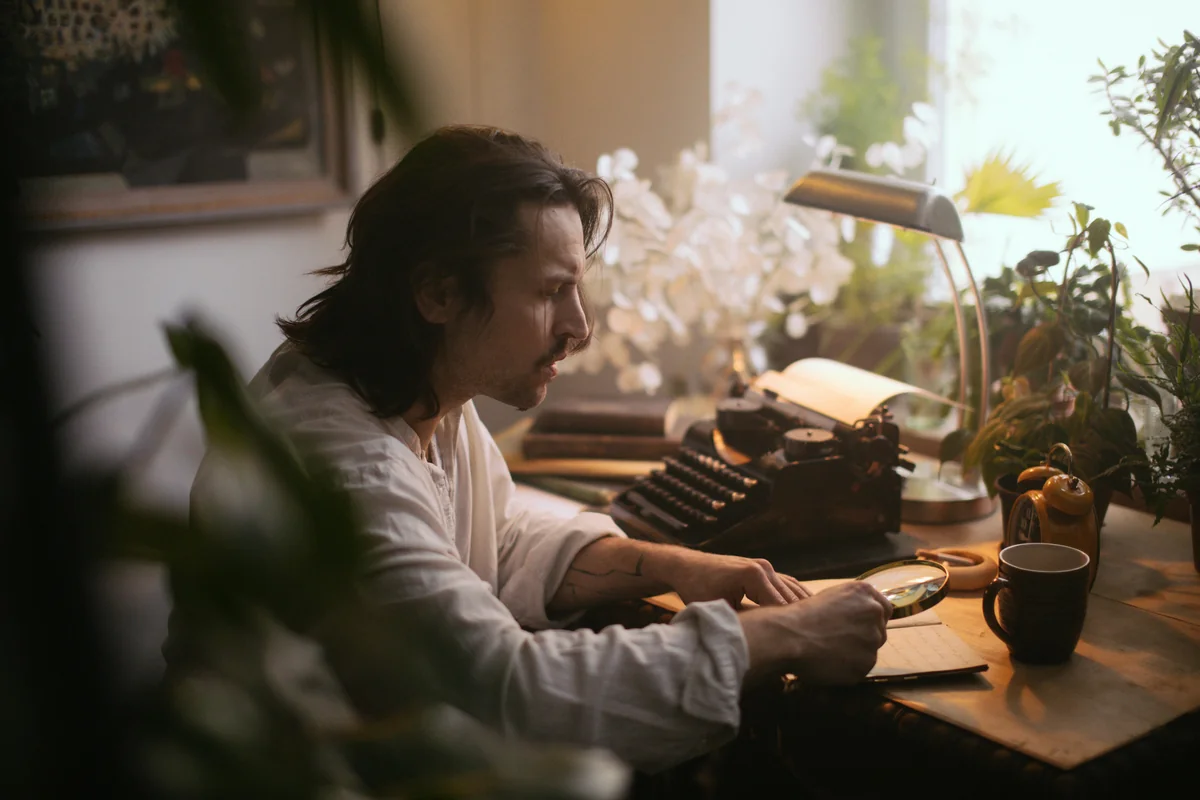
Beyond the two famous prose giants, Key West quietly became one of America’s great gathering places for poets, several of them Pulitzer Prize winners. The island’s poetic heritage is its best-kept literary secret, and it’s remarkable.
Robert Frost and the Heritage House Cottage
The beloved poet Robert Frost wintered in Key West for roughly sixteen seasons, staying in a cottage behind what is now the Heritage House Museum at 410 Caroline Street. The site was designated a Literary Landmark in his honor, and the island still celebrates him each year with the Robert Frost Poetry Festival. The Frost Cottage is now a private residence, so it’s a walk-by, but its place in American poetry is secure.
Elizabeth Bishop’s “One Art” House
The Pulitzer-winning poet Elizabeth Bishop bought an eyebrow house at 624 White Street in 1938 and lived and worked there through the mid-1940s, a period that transformed her writing. The house was one of the “three loved houses” she mourned in her famous villanelle “One Art.” It was acquired and restored by the Key West Literary Seminar, preserving a genuine landmark of 20th-century American poetry.
Wallace Stevens: A Poem and a Famous Fistfight
The modernist poet Wallace Stevens was a repeat winter visitor who wrote the celebrated poem “The Idea of Order at Key West” (1934). He’s also remembered for a more physical episode: in February 1936, after Stevens badmouthed Hemingway at a party, the two writers came to blows, and Stevens reportedly broke his hand on Hemingway’s jaw. It’s the most famous fistfight in American literary history, and it happened right here.
The Writer Who Started It All: John Dos Passos
If you trace Key West’s literary boom back to its source, you arrive at John Dos Passos, the celebrated novelist of the U.S.A. trilogy. It was Dos Passos who fell for the island first and who urged his friend Ernest Hemingway to come down and see it in 1928, an invitation that changed the course of Key West’s cultural history. Hemingway came, stayed, and put down roots, and his fame became a beacon that drew the next wave of writers, who drew the wave after that. In a real sense, the entire literary legend of Key West, the poets, the playwrights, the Pulitzers, the bookstore where Judy Blume rings you up, grew from one writer telling another about a sleepy island at the end of the road. It’s a perfect illustration of how the island’s creative magic has always worked: by word of mouth, one writer at a time.
The Wild 1970s: McGuane, Harrison, and the Full Moon Crowd
Key West’s literary life didn’t end with the old masters. In the 1970s a rowdy new generation of writers descended on the island, fishing hard, partying harder, and producing serious work. The novelist Thomas McGuane set his novel Ninety-Two in the Shade here; his lifelong friend, the poet and novelist Jim Harrison (Legends of the Fall), ran with the same crowd. The journalist and author Philip Caputo, who won a Pulitzer and wrote the Vietnam memoir A Rumor of War, was part of the scene, as were a rotating cast of novelists, poets, and one very famous gonzo journalist passing through. This was Key West as a working writers’ colony with a bar tab, and it cemented the island’s reputation as a place where literature and good times mixed freely.
Today’s Writers: Judy Blume and a Nonprofit Bookstore
The tradition is thriving in the present day. The beloved author Judy Blume, whose books shaped the childhoods of millions, lives in Key West and, with her husband, co-founded Books & Books @ The Studios of Key West, the island’s locally owned nonprofit independent bookstore, in 2016. She has been known to work the floor and ring up customers herself. The acclaimed novelist and short-story writer Joy Williams is among other contemporary literary figures connected to the island. Far from a museum piece, Key West’s literary culture is a living, working community, and stopping into Books & Books to browse (and maybe spot a famous author) is a delight in itself.
More Literary Giants of the Island
The roll call goes deeper still, which is part of what makes Key West’s literary reputation so extraordinary. The poet Richard Wilbur, a two-time Pulitzer winner and U.S. Poet Laureate, wintered here, as did James Merrill, another Pulitzer poet who helped seed the island’s contemporary literary life. The novelist John Hersey, author of the landmark Hiroshima, lived here, and Alison Lurie won her own Pulitzer for fiction while a longtime winter resident who wrote about the town itself. Add the novelist Ralph Ellison, essayist Annie Dillard, and Key West mystery writer Tom Corcoran, and you begin to see why the island is so often cited as having produced more Pulitzer Prize winners per capita than anywhere else in America. It’s a claim worth treating with a little caution, since the exact count varies, but the sheer density of major talent that has lived and worked on this small island is simply remarkable.
Literary Landmarks You Can Actually Visit
Here’s the practical distinction every literary traveler needs. A few sites are genuinely open to the public: the Ernest Hemingway Home and Museum (907 Whitehead), the Tennessee Williams Museum (Truman Avenue), and Books & Books @ The Studios. Many other writers’ homes, however, are private residences, including Tennessee Williams’s Duncan Street house, Robert Frost’s cottage, Elizabeth Bishop’s White Street house, and Shel Silverstein’s former home on William Street. You’re welcome to walk past and admire these from the public sidewalk, but please respect that people live in them now; don’t enter the yards or knock on doors. Knowing which is which saves disappointment and keeps the neighbors happy.
Shel Silverstein and Key West’s Quirkier Voices
Not every island writer fit a literary mold. Shel Silverstein, the wildly inventive author and illustrator of The Giving Tree and Where the Sidewalk Ends, lived in Key West for years at a house on William Street, played music at a local fish shack, and was found at his island home when he died in 1999. He’s a reminder that Key West’s literary scene was never just about heavyweight novels and prize-winning verse; it embraced the playful, the offbeat, and the wonderfully strange, which is about as Key West as it gets.

The Key West Literary Seminar and Annual Festivals
If you want to immerse yourself in the island’s literary life, time your visit to a festival. The marquee event is the Key West Literary Seminar, a four-day gathering of acclaimed authors, panels, and readings held each January since 1983; it draws book lovers from across the country and also runs an Old Town literary walking tour. Beyond it, the island celebrates its giants with events including Hemingway Days each July, a Tennessee Williams festival around the playwright’s March birthday, and the Robert Frost Poetry Festival. For book-loving travelers, these are some of the most rewarding times to be on the island.
Plan Your Own Self-Guided Literary Walking Tour
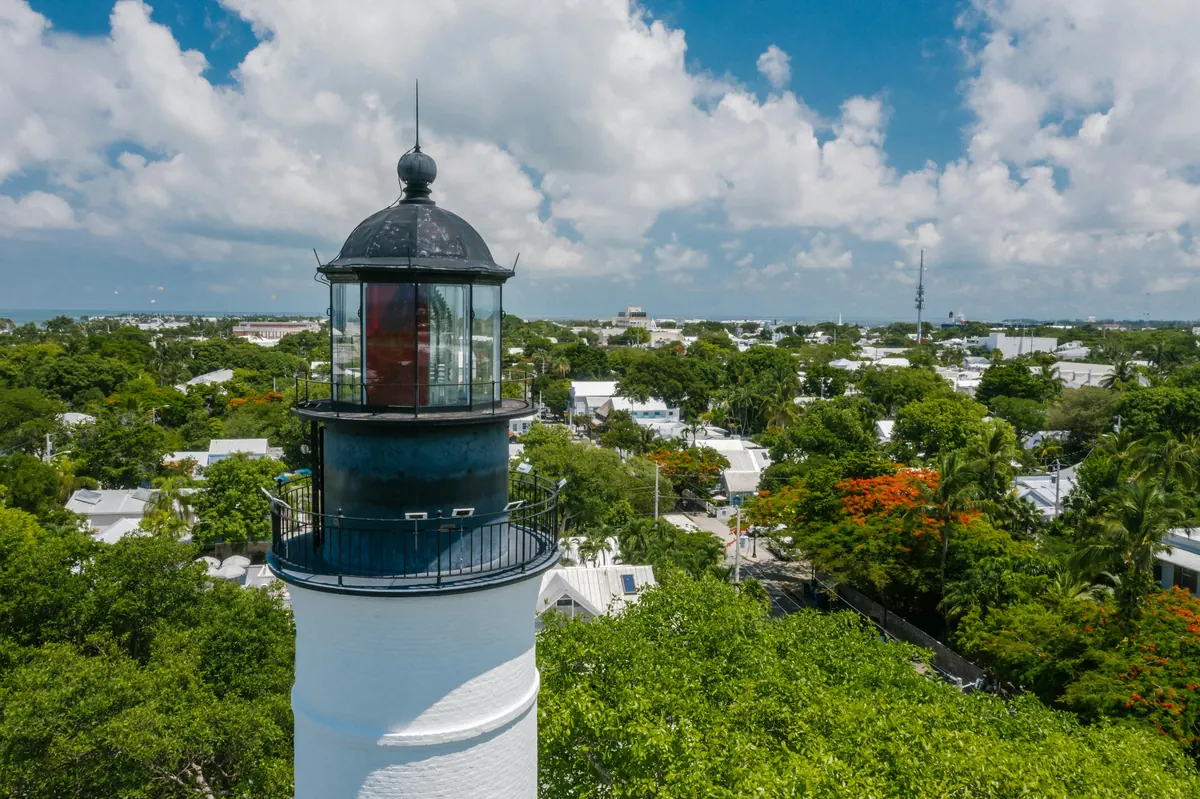
You can easily build your own literary walk through Old Town. Start at the Hemingway Home (907 Whitehead) and climb the lighthouse across the street for the view, then wind toward Elizabeth Bishop’s house (624 White) and the Tennessee Williams Museum. Detour past the Robert Frost cottage (410 Caroline) and the captains’ homes nearby, and finish at Books & Books @ The Studios to buy a book by one of the writers whose footsteps you’ve just traced. The Key West Literary Seminar’s own walking tour is a great guided option too. For more self-guided routes, see our Key West walking tour guide, and if you want to sleep among the legends, some local guesthouses are themed around the island’s authors.
Why Key West Literary Magic Endures
What is remarkable is not just that so many great writers passed through Key West, but that the island keeps making room for new ones. The cheap rents are gone, but the deeper draw remains: the light, the tolerance, the sense of being somewhere apart from the ordinary world, and a community that still treats books and the people who write them as something to celebrate. Bookstores host readings, festivals fill the winter calendar, and a Pulitzer winner might be sitting at the next table. For a traveler who loves to read, that living, unbroken thread, from Hemingway writing room to a poetry reading happening this week, is the real treasure, and it is waiting on the other side of any Key West bookshop door.
Frequently Asked Questions
What famous writers lived in Key West?
Ernest Hemingway, Tennessee Williams, Robert Frost, Elizabeth Bishop, Wallace Stevens, Shel Silverstein, John Hersey, Thomas McGuane, Jim Harrison, and Judy Blume, among dozens of others, many of them Pulitzer Prize winners.
Where did Ernest Hemingway live in Key West?
At 907 Whitehead Street, from 1931 to 1939. The home is now the Ernest Hemingway Home and Museum, open daily for tours.
Did Tennessee Williams live in Key West?
Yes. He bought a house at 1431 Duncan Street in 1949 and made Key West his primary home, the only house he ever owned, until his death in 1983. The house is a private residence today, but the Tennessee Williams Museum is open to visitors.
Can you visit the writers’ homes in Key West?
You can tour the Hemingway Home and the Tennessee Williams Museum and visit Books & Books @ The Studios. The Frost cottage, Bishop house, and Williams’s Duncan Street home are private residences, so admire them from the street only.
Is there a literary festival in Key West?
Yes. The Key West Literary Seminar each January (since 1983) is the flagship event, alongside Hemingway Days in July, a Tennessee Williams festival in March, and the Robert Frost Poetry Festival.
Why did so many writers move to Key West?
Cheap rents in the run-down post-Depression years, an end-of-the-road sense of freedom and tolerance, year-round warmth, and the pull of an existing creative community that kept drawing more writers.
Did Robert Frost live in Key West?
He wintered on the island for about sixteen seasons in a cottage behind the Heritage House Museum at 410 Caroline Street. It’s now a private residence.
Did Hemingway really fight Wallace Stevens in Key West?
Yes. In February 1936, after Stevens disparaged him at a party, Hemingway knocked the poet down repeatedly, and Stevens reportedly broke his hand on Hemingway’s jaw.
Final Thoughts
Key West’s literary heritage is one of its quietest treasures, and one of its richest. Walk these streets and you’re moving through the settings of A Streetcar Named Desire, “One Art,” and To Have and Have Not, past the homes where giants worked and the bookstore where a beloved author might still ring up your purchase. Tour what you can, admire the rest from the sidewalk, and pick up a book to read on the beach. There’s no better way to feel the soul of an island that has always belonged, in part, to its writers. For more of what makes Key West unique, return to our Key West history guide.
The island’s literary life is not only history. Every January the Key West Literary Seminar brings writers and readers together for four days of readings and conversation — the 2027 seminar, on poetry, runs January 7–10. Our Key West in January guide covers the seminar alongside the month’s weather, crowds and other events.
Sources & corrections
Rates, hours and closures verified against operator listings and on-island visits. Prices are peak-season unless noted.