Sheet 03 · Day Trips & Excursions
Dry Tortugas Day Trip from Key West: Complete 2026 Guide
Plan a Dry Tortugas day trip from Key West with this 2026 guide: Yankee Freedom ferry vs seaplane, Fort Jefferson history, snorkeling, and what to bring.
The Dry Tortugas day trip is one of the most memorable single-day experiences in the United States. The Dry Tortugas National Park sits 70 miles west of Key West in the Gulf of Mexico — seven small islands surrounded by the clearest water in North America, dominated by the massive 19th-century Fort Jefferson. The park is accessible only by boat or seaplane, sees fewer than 70,000 visitors per year (less than Yellowstone gets in three days), and delivers a rare combination of Civil War-era fortress history, Lincoln-assassination conspirator backstory, world-class snorkeling, deserted-island beach time, and sea-bird wildlife encounters. This guide covers everything: the two main transportation options (Yankee Freedom III ferry and Key West Seaplane Adventures), the full Fort Jefferson story (including Dr. Samuel Mudd’s imprisonment), what to expect on Garden Key, snorkeling sites around the moat, camping logistics for those who want to stay overnight, the best time of year, what to pack, and the practical answer to “is the Dry Tortugas day trip worth it?” (yes, with caveats).
You will get the current 2026 ferry pricing ($235 round trip including breakfast/lunch/snorkel gear), seaplane pricing ($425 half-day / $749 full-day plus $15 NPS fee), Fort Jefferson historical detail (16+ million bricks, never finished, Civil War prison, Dr. Samuel Mudd story), the snorkel sites beyond the standard moat (north and south coaling docks), camping reality (8 sites, $15/night, you bring everything including water), seasonal advice (best November-April; bird-watching peaks April-September), and the honest comparison ferry vs seaplane.
Key Takeaways
- Distance: 70 miles west of Key West in the Gulf of Mexico.
- Yankee Freedom III ferry: $235 round trip (includes breakfast, lunch, snorkel gear, NPS fee). 8am-5:30pm.
- Key West Seaplane Adventures: $425 half-day (4 hrs total, 2.5 on island). $749 full-day (8 hrs total, 6.5 on island). + $15 NPS fee.
- Fort Jefferson: Largest brick masonry in Western Hemisphere (16+ million bricks). Civil War prison. Dr. Samuel Mudd was imprisoned here.
- Snorkeling: Some of clearest reef water in America. Around the moat, north coaling dock, south coaling dock.
- Camping: 8 sites at $15/night. Primitive — no water, no electricity, composting toilets. Bring everything.
- Best time: November-April for cooler/drier weather. May-June best for sea turtle sightings.
- Book ferry 6 months ahead in season — only 175 tickets/day.
What Is the Dry Tortugas?
The Dry Tortugas National Park is a remote cluster of seven small islands at the western end of the Florida Keys reef system, 70 miles west of Key West. The name comes from Ponce de León’s 1513 expedition — “Tortugas” for the abundant sea turtles, “Dry” added later because the islands have no fresh water. The park covers 100 square miles, of which 99 percent is open water. The main visitor island is Garden Key, where Fort Jefferson sits. For wildlife closer to home and at a fraction of the cost, compare it with a backcountry Key West eco tours.
The park is among the least-visited national parks in America — fewer than 70,000 visitors per year, primarily because access is so limited. The combination of the historic fort, the surrounding reef, the deserted-island feel, and the wildlife (sea turtles, sea birds, the occasional whale) makes the day trip uniquely memorable.
Fort Jefferson: The History
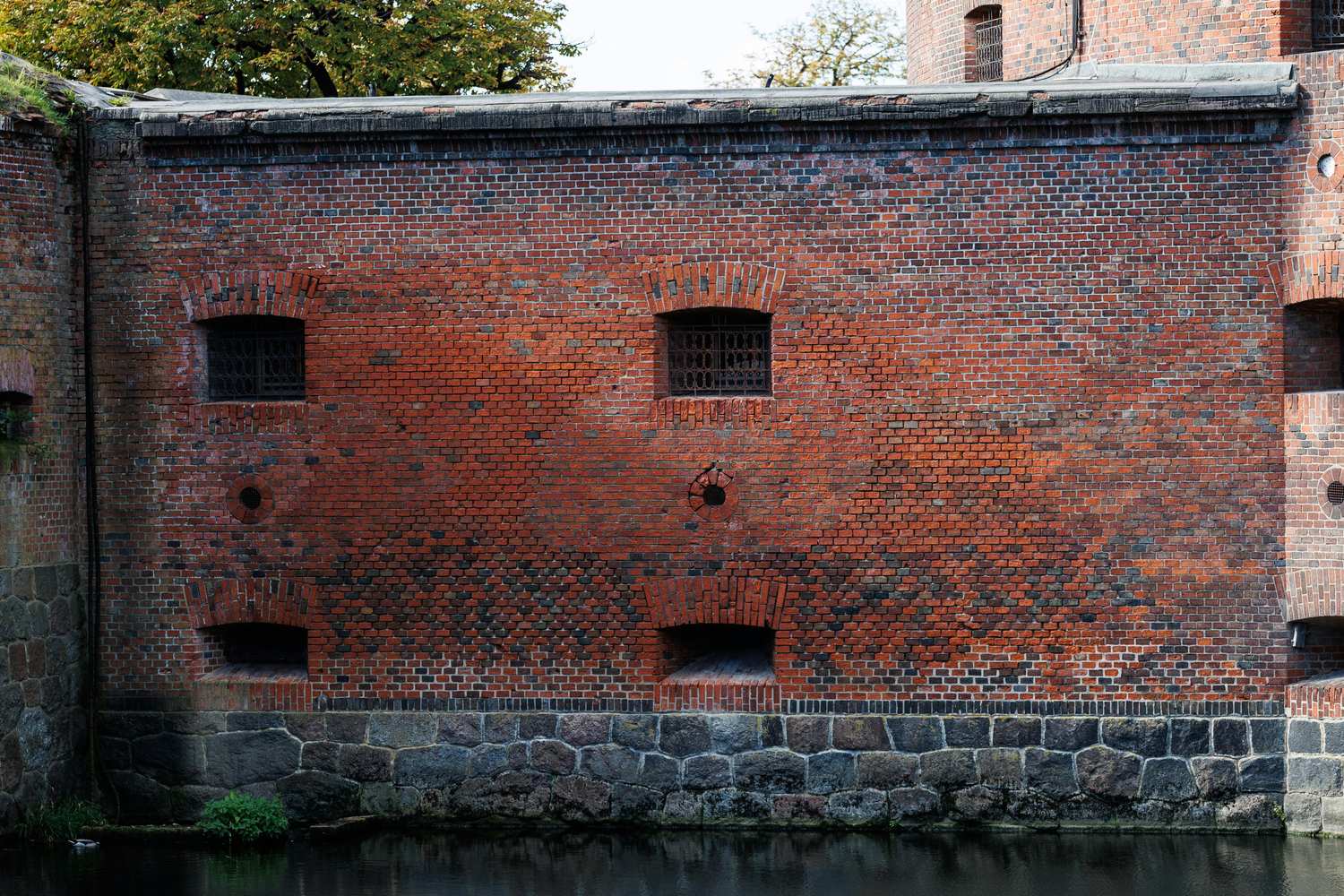
Fort Jefferson is the centerpiece of the Dry Tortugas day trip. Construction began in 1846 under President James K. Polk’s administration as part of a coastal defense system. The fort was designed as a hexagonal masonry fortress with three levels of gun emplacements, intended to control shipping lanes between the Gulf of Mexico and the Atlantic. Construction continued for 30 years and was never fully completed — the technological obsolescence of brick fortifications by the time rifled artillery emerged made the project uneconomical.
The fort uses 16+ million bricks, making it the largest brick masonry structure in the Western Hemisphere. Walls are 8 feet thick, 45 feet high. The hexagonal footprint covers 16 acres.
Civil War years: The fort was held by Union forces throughout the Civil War. Its strategic position blockaded Confederate shipping. The fort served as a Union military prison.
Dr. Samuel Mudd: The most famous prisoner. After Lincoln’s assassination on April 14, 1865, John Wilkes Booth fled south and stopped at Dr. Samuel Mudd’s home for treatment of a broken leg. Mudd, who maintained he didn’t recognize Booth and was set up to look complicit, was convicted of conspiracy and sentenced to life imprisonment at Fort Jefferson. He arrived July 24, 1865 with three other convicted conspirators (Edman Spangler, Samuel Arnold, Michael O’Laughlen — who died there of yellow fever in 1867).
During the 1867 yellow fever outbreak that killed many soldiers and civilians at the fort, Mudd took over medical duties (the official surgeon had died) and treated the sick. His efforts were widely credited with saving many lives. President Andrew Johnson pardoned Mudd on February 8, 1869; Mudd departed the fort on March 11, 1869 aboard the steamer “Liberty.”
Post-Civil War: The fort served as a quarantine station, naval coaling dock, and seaplane base before being designated a National Monument in 1935 and a National Park in 1992.
How to Get to the Dry Tortugas
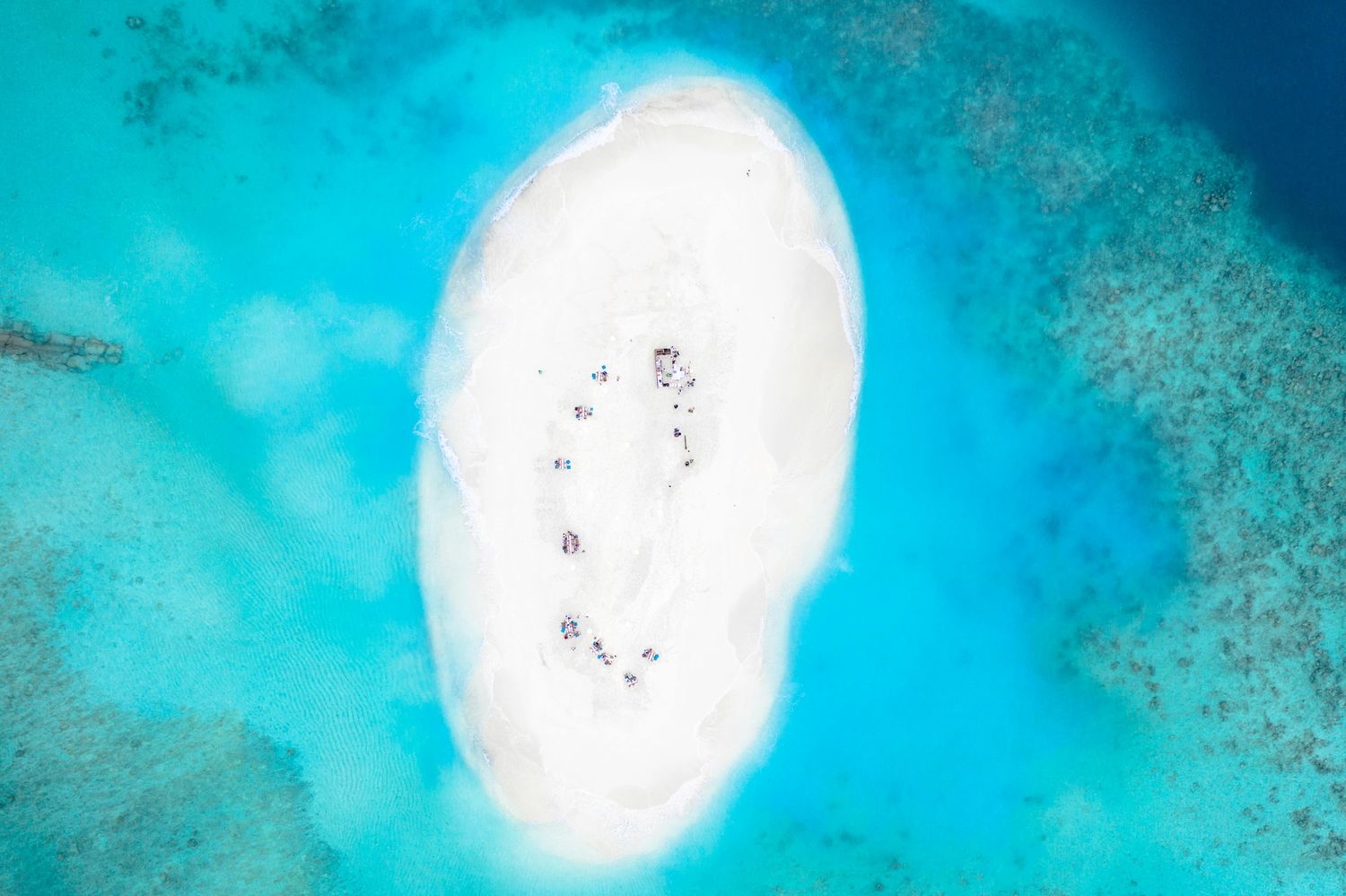
Two main options for the day trip. Both depart from Key West.
Yankee Freedom III Ferry
The official National Park Service-authorized ferry. The only large-passenger boat that can drop visitors at the fort.
Pricing (2026): $235 round trip per adult ($230 child, $185 youth, $215 senior, $190 active military and veterans). Includes breakfast, lunch, snorkel gear (mask, fins, snorkel), and the National Park Service entrance fee.
Schedule: Departs Key West Historic Seaport at 8 a.m. (boarding 7:30). Arrives Garden Key at 10:30 a.m. Guided fort tour at 11 a.m. (45 minutes). Lunch on the boat 11 a.m.-1 p.m. Free time on island 1-2:45 p.m. Departs Dry Tortugas at 3 p.m. Returns Key West 5:30 p.m.
Boat: 100-foot catamaran, 250-passenger capacity. The crossing typically runs smooth in calm weather but can be rough in winter cold-front winds.
Booking: Only 175 tickets sold per day (capacity-managed for Garden Key). Book 6 months in advance for peak season (December-April), 2-3 months for shoulder season. Same-day cancellations not refunded.
Key West Seaplane Adventures
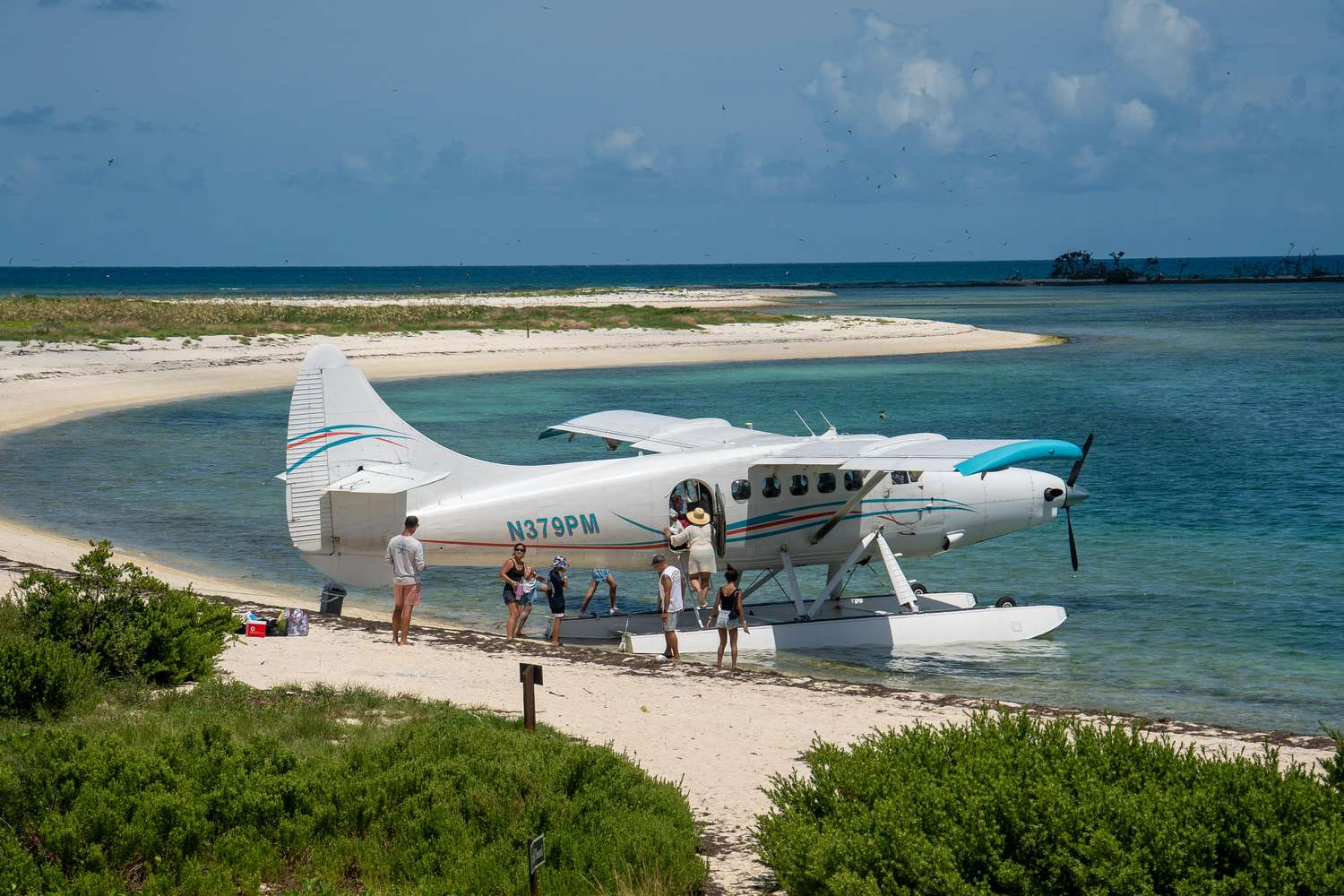
The faster, more expensive alternative. Cessna Caravan amphibious aircraft, 10 passenger maximum.
Pricing (2026):
Half-day: $425/person. 4-hour total trip (45 minutes flight each way, ~2.5 hours on island).
Full-day: $749/person. 8-hour total (45 minutes flight each way, ~6.5 hours on island).
Plus $15 NPS entrance fee per person.
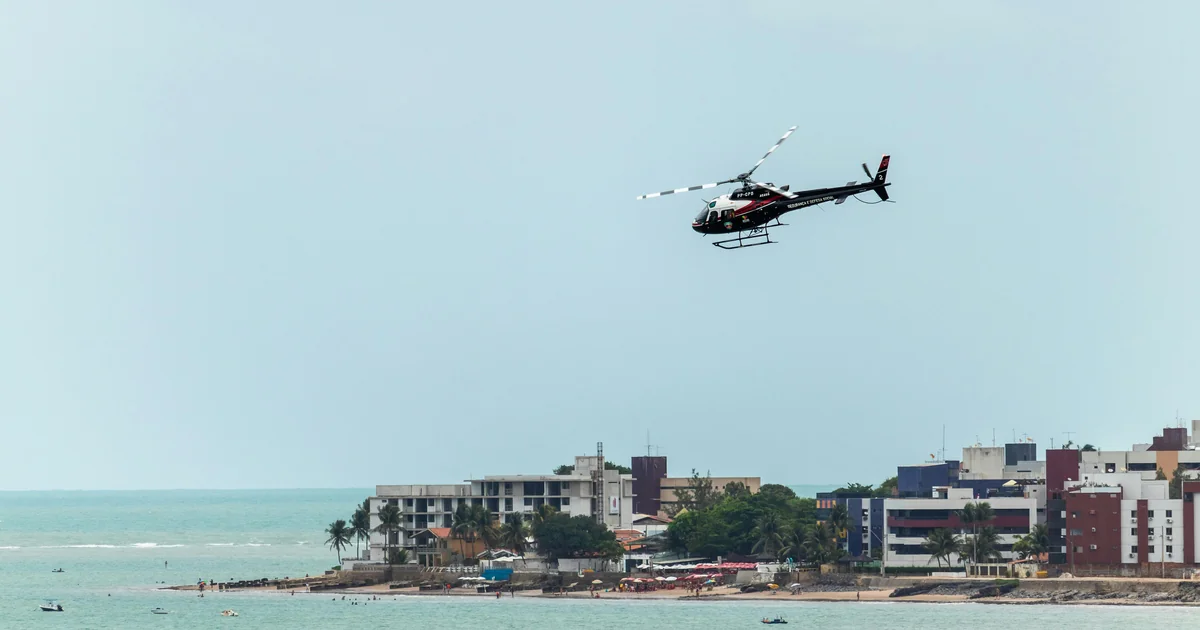
Pros: Faster (45 minutes vs 2.5 hours each way). Aerial views of shipwrecks and reef. Fewer total passengers. Less seasickness risk.
Cons: Significantly more expensive ($425-749 vs $235). Weather more likely to cancel flights (need clear conditions). Smaller weight allowance.
Booking: Same advance-booking pattern as ferry — 6 months for peak season.
Private Charter
Several Key West charter operators offer private full-day Dry Tortugas trips for $1,500-2,500. Most appropriate for groups of 4+ wanting a private experience or photographers needing flexibility.
What to Do at the Dry Tortugas
Tour Fort Jefferson
The Yankee Freedom guides give a 45-minute tour of the fort. Visitors can self-guide afterward. Highlights:
The lighthouse on the Garden Key parade ground (Garden Key Light, 1825).
The bastion gun emplacements with original cannons.
Dr. Mudd’s prison cell and the historical exhibits about the conspiracy.
The chapel and officers’ quarters.
The interior parade ground (where coaling operations took place).
The walking path along the top of the walls (panoramic 360-degree views).
Snorkel
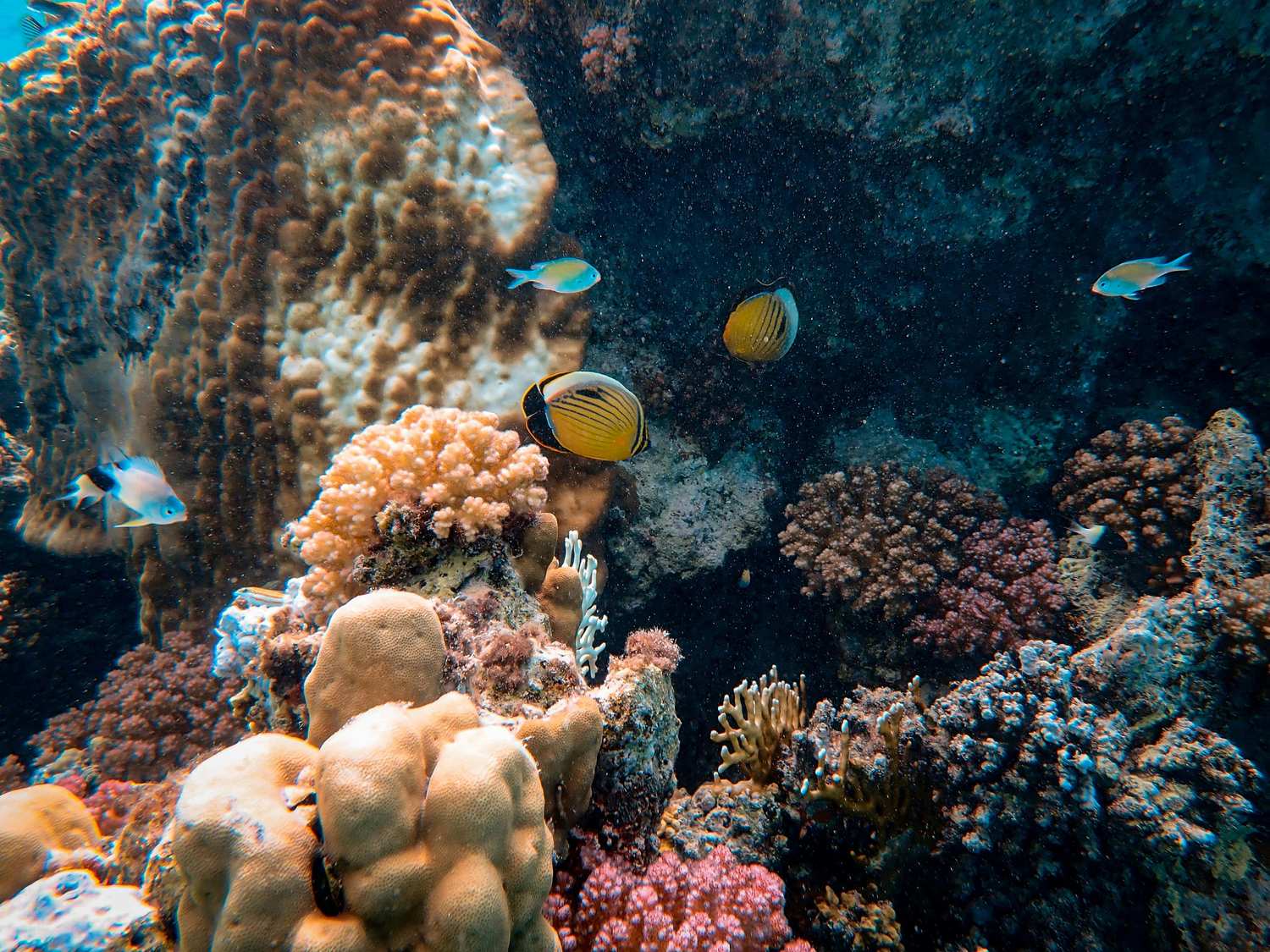
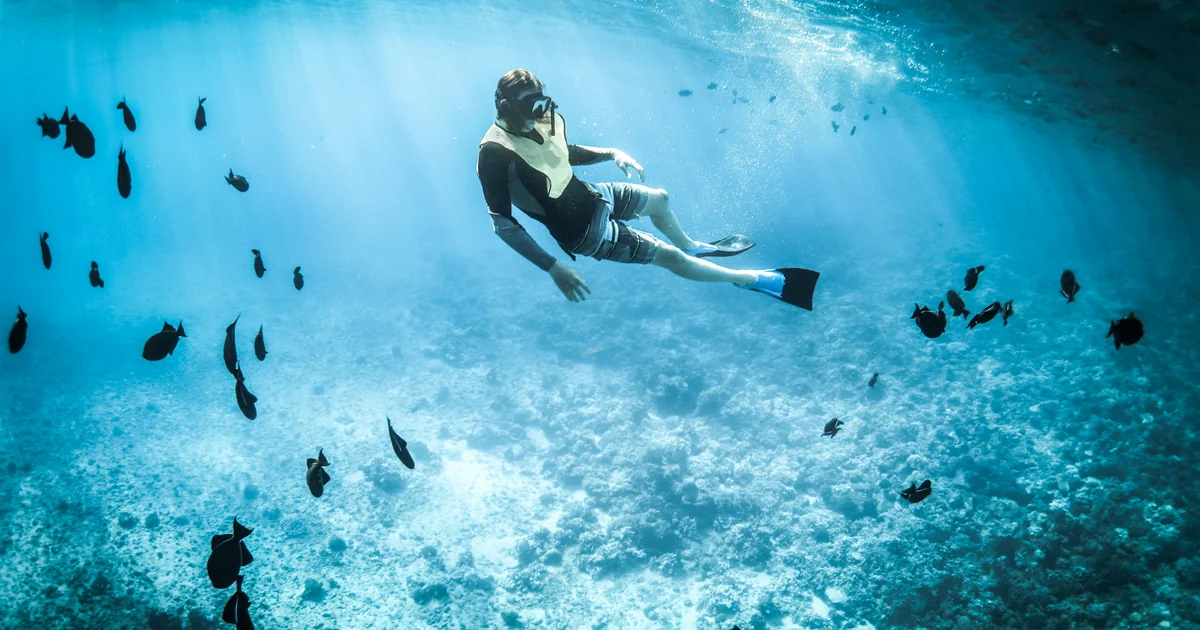
The snorkeling at Dry Tortugas is some of the best in the United States. Three primary sites:
Around the moat wall — the standard easy-access snorkel directly off the beach next to the fort. 5-15 feet depth. Fish, coral, occasional turtles.
North Coaling Dock pilings — old pilings from the historic coaling operations now serve as fish habitat. Snapper, parrotfish, occasional barracuda.
South Coaling Dock pilings — similar to north dock; sometimes better visibility depending on currents.
Marine life: parrotfish, yellowtail snapper, queen angels, sergeant majors, nurse sharks (often resting under coral), spiny lobster, hawksbill and loggerhead sea turtles (best May-August), occasional reef sharks.
Beach Time
Garden Key has a small natural beach where the Yankee Freedom moors. White sand, calm shallow water. Bring a beach towel for sand-time between snorkeling and the fort tour.
Bird Watching
The Dry Tortugas is one of the world’s premier sea-bird sites, particularly for sooty terns, frigatebirds, and brown noddies. Bush Key, the small island adjacent to Garden Key, hosts a sooty tern nesting colony of approximately 80,000 birds from April through September. Bush Key is closed to landing but visible from Garden Key. Frigatebirds soar overhead year-round.
Photography
The fort exterior, the lighthouse, the surrounding turquoise water, the bird-watching, and the wide-open sky all provide exceptional photography. Best light: morning arrival (10:30 a.m. ferry arrival), late afternoon (sunset begins as ferry departs).
Camping at the Dry Tortugas
For visitors who want more than the day trip, the Dry Tortugas allows primitive camping on Garden Key. Eight sites total. The experience is exceptional — once the day-trippers leave at 3 p.m., you have the entire island essentially to yourself.
Camping fee: $15/site/night.
Reservations: Through Yankee Freedom (the ferry handles transport for campers). Plus an additional ~$60/person camping transport surcharge.
What you must bring: All food, all water (1+ gallon per person per day, this is critical — there is NO fresh water on the islands), tent, sleeping bag, ice, charcoal/stove, all gear. Composting toilets are the only facility.
What you cannot have: Open fires (no driftwood available). Large coolers must be approved.
Length of stay: 1-3 nights typical. Maximum 14 nights.
Best time for camping: March-May for weather. April-May for stargazing (Milky Way, very low light pollution).
Reality check: Camping at Dry Tortugas is genuinely primitive. Plan carefully or hire a service that pre-stages your gear (some Key West outfitters specialize in Dry Tortugas camping logistics).
Best Time for the Dry Tortugas Day Trip
November-April: Cooler weather, drier seas, fewer thunderstorms. Best overall.
May-June: Best sea turtle sightings during nesting season.
April-September: Sooty tern nesting season at Bush Key — 80,000 birds visible.
April-May new moon: Best stargazing for campers.
June-November: Hurricane season; ferry and seaplane more likely to cancel.
Avoid: Summer thunderstorm afternoons can be uncomfortable. Avoid winter cold-front days when seas are 4-6 feet.
What to Bring
Essentials:
Reef-safe sunscreen.
Polarized sunglasses.
Wide-brim hat.
Towel.
Swimsuit and quick-dry shirt.
Water shoes (mandatory — sharp coral around the snorkel sites).
Camera with dry bag.
Light jacket (for ferry deck in winter).
Refillable water bottle.
Cash for tips and souvenirs.
Highly recommended:
Dramamine (take 30-60 minutes before departure — the ferry crossing can be rough).
Underwater camera or GoPro.
Snacks (lunch is provided on Yankee Freedom but extras help).
Light rash guard for sun protection while snorkeling.
Don’t bring:
Glass bottles or containers.
Drones (prohibited in the park).
Alcohol (allowed but glass-free; Yankee Freedom serves drinks).
Yankee Freedom vs. Seaplane: Which to Choose?
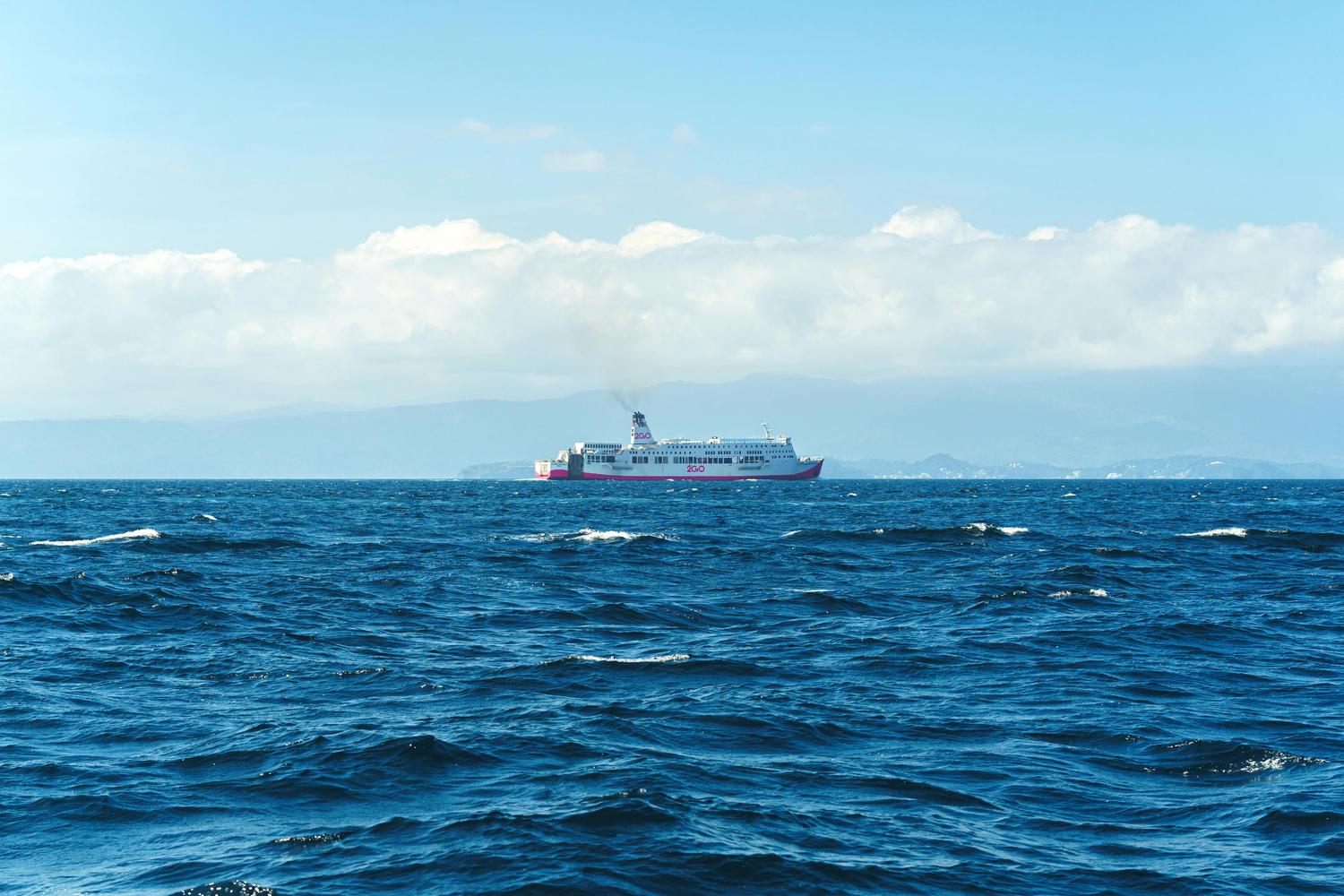
The decision matrix:
Choose the Yankee Freedom ferry if:
Budget matters ($235 vs $425-749).
You want maximum time on the island (4+ hours vs 2.5-6.5).
You want included breakfast, lunch, and snorkel gear.
You don’t get seasick (or take Dramamine).
You want the most “expedition” feel.
Choose the seaplane if:
You can afford the premium ($425-749).
You hate boats or get severely seasick.
You want aerial views (shipwrecks, reef, the fort from above).
You want a shorter day (4 hours vs 9.5).
You can adjust if weather cancels (more flight cancellations than ferry).
For most travelers, the Yankee Freedom ferry is the right choice — better value, more island time, included meals.
Sample Day Itinerary (Yankee Freedom Ferry)
6:30 a.m. — Wake up, light breakfast, head to Historic Seaport.
7:00 a.m. — Arrive at the ferry terminal. Check in.
7:30 a.m. — Boarding begins.
8:00 a.m. — Ferry departs Key West.
8:30 a.m. — Continental breakfast served on the ferry.
10:30 a.m. — Arrive at Garden Key. Disembark.
11:00 a.m. — Guided fort tour (45 minutes).
11:45 a.m. — Lunch on the ferry (sandwiches, salads, drinks).
12:30-2:45 p.m. — Free time on island. Snorkel, beach, photography, self-guided fort exploration.
3:00 p.m. — Ferry departs Garden Key.
5:30 p.m. — Return to Key West.
Practical Tips
Cell service: None at Dry Tortugas. No reception once you leave Key West Harbor.
Restrooms: On the Yankee Freedom and at Garden Key. Bring hand sanitizer.
Seasickness: Real risk. Take Dramamine 30-60 minutes before departure. Stay outside on the deck. Look at the horizon.
Sunburn: Major risk. The reflection off water amplifies UV. Reapply sunscreen every 90 minutes.
Dehydration: Bring water beyond what’s served. Refill stations limited.
Currency: No ATMs at Dry Tortugas. Cash for ferry crew tips and any souvenirs.
Accessibility: The fort has steep spiral staircases not accessible to mobility-impaired visitors. The ground floor and the moat snorkel area are accessible. The ferry has accessible boarding.
Frequently Asked Questions
How much does it cost to go to Dry Tortugas?
Yankee Freedom ferry: $235 round trip (includes breakfast, lunch, snorkel gear, NPS fee). Key West Seaplane Adventures: $425 half-day or $749 full-day plus $15 NPS fee.
Is Dry Tortugas worth the trip?
Yes — for travelers with 5+ days in Key West and an interest in history, snorkeling, or unique experiences. The combination of Civil War-era fort, deserted-island feel, and excellent snorkeling makes it one of the most memorable day trips in Florida. Skip if your trip is short (2-3 days) or you have severe motion sickness.
How do you get to Dry Tortugas without the ferry?
Key West Seaplane Adventures (45-minute flight each way) is the alternative. Private charters are also available at premium prices. Personal boats can dock at Garden Key (with NPS permits) but the 70-mile open-water trip is not recommended for casual recreational boaters.
Can you camp at Dry Tortugas?
Yes — 8 primitive campsites at Garden Key for $15/night. You must bring all food, water (1+ gallon/person/day), and gear. Reservations through Yankee Freedom plus camping transport surcharge.
What is the best month to visit Dry Tortugas?
November through April for cooler weather and calmer seas. May-June for sea turtle sightings. April-September for the sooty tern nesting colony at Bush Key.
How long is the ferry ride to Dry Tortugas?
About 2.5 hours each way. The Yankee Freedom departs Key West at 8 a.m. and arrives at Garden Key at 10:30 a.m. Departs Garden Key at 3 p.m. and returns to Key West at 5:30 p.m.
Is there cell service at Dry Tortugas?
No. There is no cell service at Dry Tortugas. Limited service on the ferry crossing as well. Plan to be disconnected.
What can you do at Dry Tortugas in a day?
Tour Fort Jefferson, snorkel the moat and coaling dock pilings, beach time, bird watching at Bush Key (from Garden Key), photography. With 4+ hours of free time, the day fills nicely.
How big is Fort Jefferson?
The hexagonal footprint covers 16 acres. Walls are 8 feet thick and 45 feet high. Built with 16+ million bricks — the largest brick masonry structure in the Western Hemisphere.
Who was Dr. Samuel Mudd?
The Maryland physician convicted of conspiracy in the Lincoln assassination after he set John Wilkes Booth’s broken leg on April 15, 1865. Sentenced to life imprisonment at Fort Jefferson. Treated yellow fever victims during the 1867 outbreak. Pardoned by President Andrew Johnson in February 1869.
Are there sharks in the Dry Tortugas snorkel area?
Yes — primarily nurse sharks (docile bottom dwellers) and occasional reef sharks. There has never been a documented snorkel-related shark attack at Dry Tortugas. Standard ocean caution applies.
Can you swim at Dry Tortugas?
Yes — the swimming and snorkeling at Garden Key is excellent. Calm, shallow, clear water. Water shoes are mandatory due to sharp coral.
Final Thoughts
The Dry Tortugas day trip is one of those experiences that justifies its logistical commitment. The combination of the 70-mile journey to a deserted island, a 19th-century fort, the Civil War backstory, the Lincoln assassination connection, the world-class snorkeling, and the sea-bird wildlife creates a day genuinely unlike any other in Florida. Book the Yankee Freedom ferry 6 months ahead for peak season, take Dramamine, bring water shoes, expect to be disconnected from cell service, and prepare for one of the more memorable days of your Key West vacation.
For more on planning your trip, see our complete Key West day trips pillar guide, our Key West snorkeling guide, our Key West history and culture guide, our best time to visit Key West guide, and our vacation planning guide.
Sources & corrections
Rates, hours and closures verified against operator listings and on-island visits. Prices are peak-season unless noted.