Sheet 07 · Florida Keys
Islamorada Guide: Sportfishing Capital of the World
Why Islamorada holds the sportfishing title, what a charter really costs, the two offshore island parks worth a half day, and where the village charges resort money for motel value.
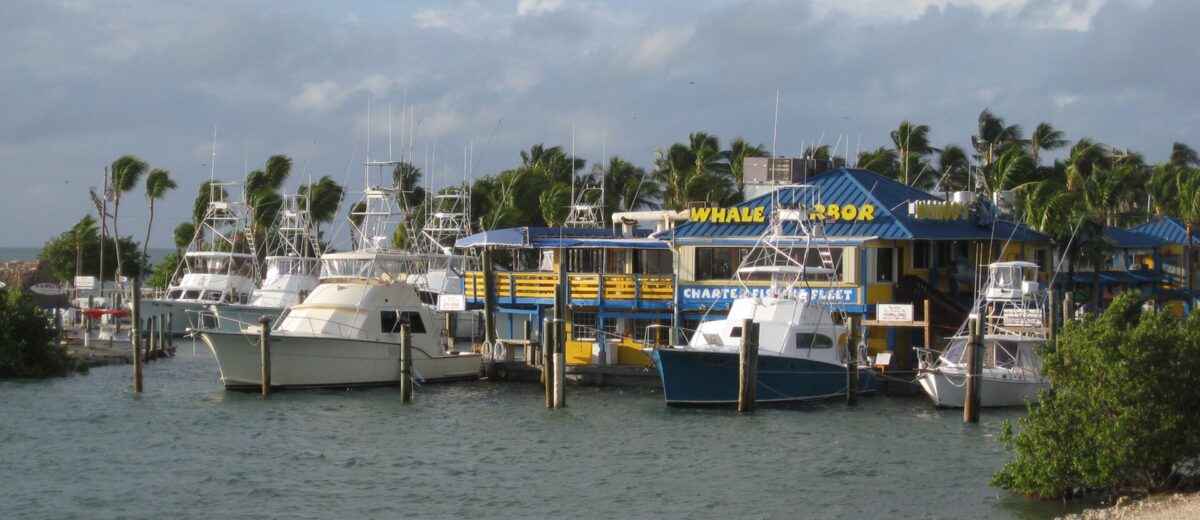
The charter fleet at Whale Harbor leaves between 7:00 and 7:30, and if you stand on the bridge at MM 84 while it happens you can watch thirty boats file out through a cut barely wider than they are. Half turn left for the reef and the Gulf Stream; half turn right into water you could stand up in. That fork is the entire argument for Islamorada Florida — it is the only place in the country where a serious offshore fishery and a world-class shallow-water fishery share the same parking lot.
This guide covers Islamorada as a destination in its own right: the fishing that made its reputation, the offshore islands that are the best half-day in the Upper Keys, where to eat and sleep, and where the village charges resort money for motel value. Prices were checked in September 2026 and should be read as the right order of magnitude — this is the most expensive stretch of the chain outside Key West, and rates swing hard by season.
At a glance: what Islamorada costs
| Item | Typical 2026 price | Notes |
|---|---|---|
| Backcountry flats guide, half day | $500–$650 for two anglers | Full day $700–$900; skiffs take two, occasionally three |
| Offshore charter, half day | $800–$1,100 for up to six | Full day $1,200–$1,700; fuel surcharges are common |
| Party boat (head boat), half day | $60–$90 per person | Rod, bait and licence included; you keep what you catch |
| Robbie’s dock access + bait bucket | A few dollars each | Cash is easiest; hold the bucket with both hands |
| Boat to Indian Key or Lignumvitae | $40–$60 per person | Plus a small state park fee on landing |
| Theater of the Sea | $31.95 age 11+, $21.95 ages 3–10 | 9:30 a.m.–3:30 p.m., tours to 4:30 |
| History of Diving Museum | About $18 adult | Roughly 90 minutes; better than it sounds |
| Center console boat rental | $350–$550 a day | Plus fuel; deposit and a boating safety card usually required |
| Mid-range room, winter | $320–$650 | $180–$280 for the same room in September |
| Dockside dinner, mid-range | $32–$45 per plate | “You hook it, we cook it” is usually $18–$25 a person |
The geography that makes the fishing work
Islamorada is not one island. The village incorporates Plantation Key, Windley Key, Upper Matecumbe and Lower Matecumbe — roughly MM 90 down to MM 72 — plus Indian Key and Lignumvitae Key offshore, which are uninhabited state parks. Locals still refer to the individual keys, so an address on Lower Matecumbe means the southern end, past the bridge, where the road gets quiet.
What matters for fishing is what sits on either side. To the east, the Florida Reef is four to five miles out and the Gulf Stream edge is eight to twelve, which puts sailfish, mahi, blackfin tuna, wahoo and kingfish inside a 45-minute run. To the west, Florida Bay opens into thousands of square miles of turtle-grass flats one to four feet deep, running into Everglades National Park, holding bonefish, permit, tarpon, redfish and snook. Two completely different fisheries, one dock.
That is why the tournament culture is here, why the guide fraternity is here, and why the fly-fishing industry treats Islamorada the way golf treats St Andrews. It is also why the town developed early and expensively, and why a room here costs $150 a night more than the same room in Tavernier fifteen minutes north.
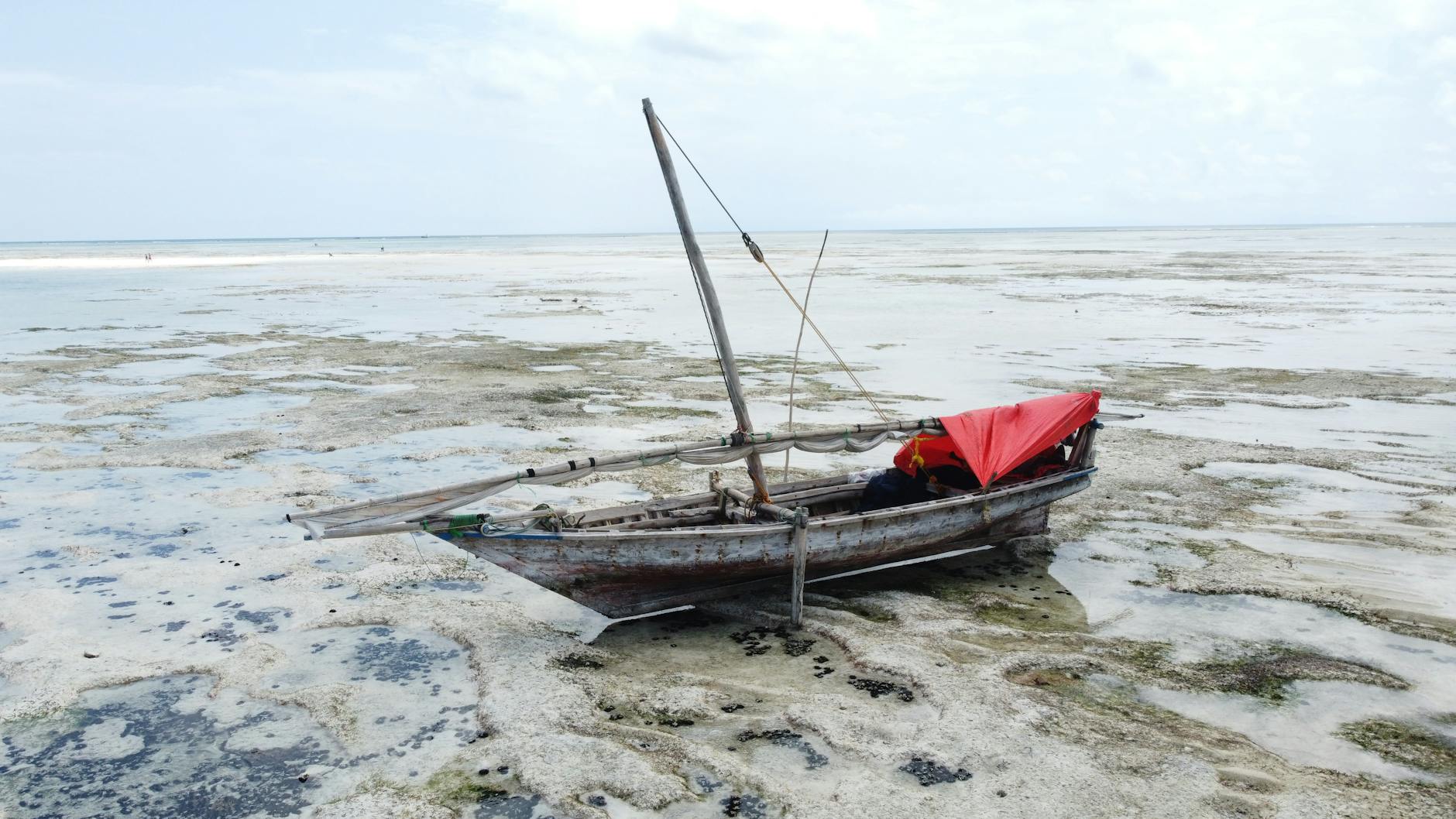
Fishing Islamorada: how to pick the right trip
Backcountry and flats
A flats trip is two anglers, one guide, a skiff that draws eight inches, and a pushpole. You are hunting individual fish in clear shallow water — bonefish and permit on the flats, tarpon in the channels and around the bridges in spring, redfish and snook up in the Everglades backcountry. It is technical, it is quiet, and it rewards accurate casting far more than strength. Expect $500–$650 for a half day for two.
Be honest with your guide about your casting before you book. A complete beginner on a bonefish flat will spend six hours watching a professional get increasingly patient, and both of you will be miserable. Guides will happily run a backcountry trip for snapper and jack instead — bent rods, live bait, plenty of action, no 60-foot presentations required — and it is the right call for families and first-timers.
Offshore
A larger boat, up to six anglers, and a run to the reef edge or the Gulf Stream. Winter and spring are the sailfish season and the reason many people come; mahi peaks in late spring and summer; kingfish and cero mackerel are reliable most of the year. Expect $800–$1,100 for a half day, $1,200–$1,700 for a full one, split among the party.
Party boats and bridges
If the charter numbers are out of reach, two cheap options actually work. The head boats out of Whale Harbor and Bud n’ Mary’s run half-day reef trips for $60–$90 a head including rod, bait and licence, and you will catch yellowtail snapper, grunt and porgy — plenty for dinner. Or fish the old bridges from shore for free, which is what a great many locals do; Channel Two and Channel Five bridges have parking and pedestrian sections, and tarpon roll under them in spring.
Comparing costs with the southern end of the chain? Our Key West fishing and Key West deep sea fishing guides cover the same three tiers of trip out of MM 0, where offshore rates run slightly lower and the flats guides are marginally cheaper.
What to do with the fish
Half a dozen restaurants in Islamorada will cook your catch. The going rate is $18–$25 a person for the fillets you bring in, prepared two or three ways with sides, and it is the best value dinner in the village by a distance. The marina will clean and bag your fish for a few dollars; tip the mate, who has done most of the actual work.
Indian Key and Lignumvitae Key: the best half day in the Upper Keys
Two small islands sit a mile or so offshore in opposite directions, both state parks, both reachable only by boat, and between them they are the most interesting thing to do in Islamorada that does not involve a rod.
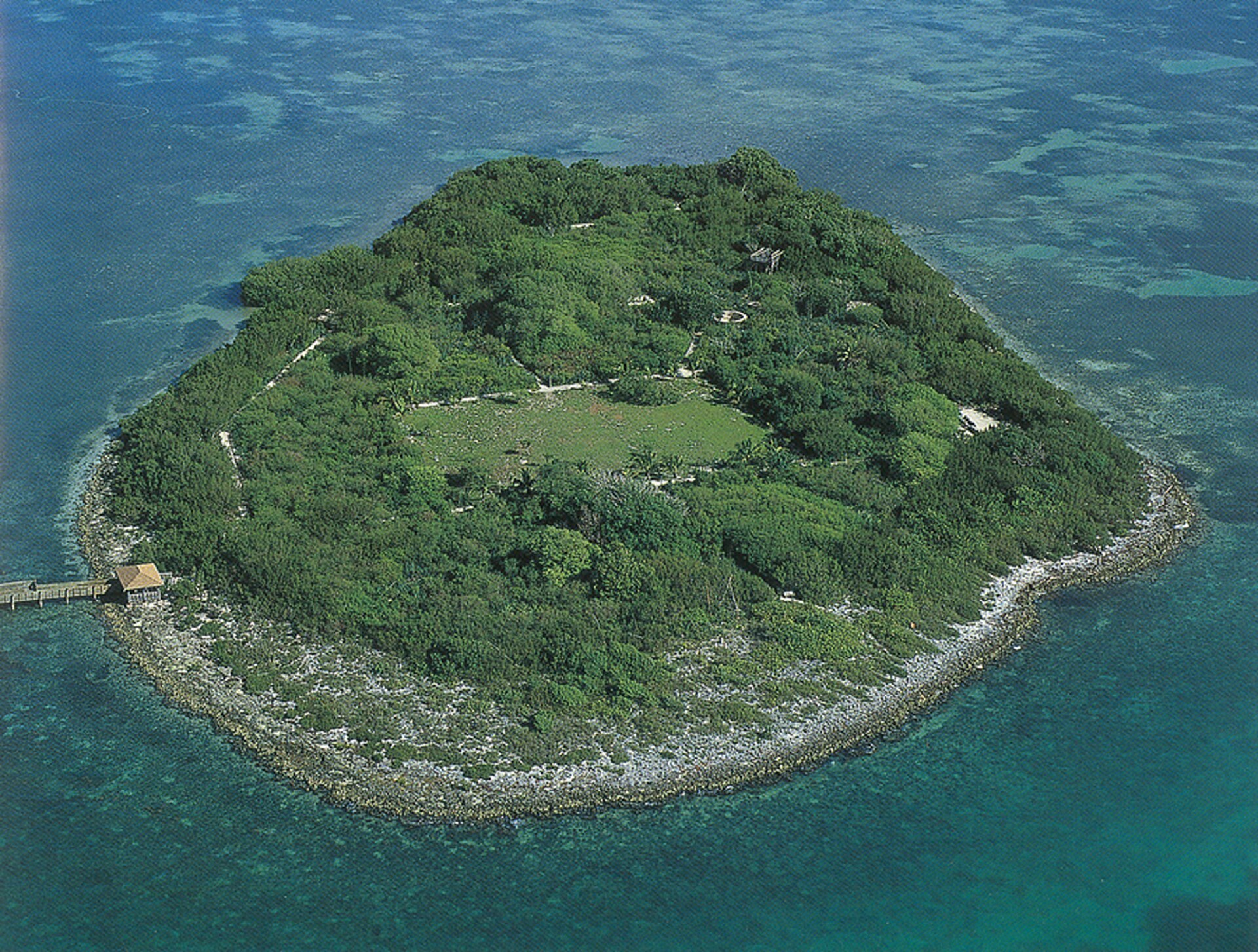
Indian Key Historic State Park is eleven acres and was, in the 1830s, the wealthiest square mile in South Florida. It was a wrecking station — the salvage business that stripped ships off the reef — and briefly the seat of Dade County, with warehouses, a hotel, a store and about 50 residents, all built on an island with no fresh water. In August 1840, during the Second Seminole War, a raiding party burned it. Dr. Henry Perrine, a botanist who had been experimenting with tropical crops there, was killed; his family survived by hiding under a wharf. Nobody rebuilt.
What you get today is a mown grid of streets, cistern foundations, an observation tower and a swimming ladder. There is no shade to speak of and no water, so bring both a hat and a bottle. It takes about 45 minutes to walk and it is unexpectedly moving — a ghost town with an ocean view.
Lignumvitae Key Botanical State Park, on the bay side, is the opposite: 280 acres of virgin West Indian tropical hardwood hammock, never cleared, with gumbo limbo, mahogany, poisonwood and the lignum vitae tree the island is named for. The 1919 Matheson House stands in a clearing with its windmill and cistern. Rangers run guided walks; the mosquitoes are legendary and the hammock is dark and cool and completely unlike anything else you can reach in the Keys.
Boats to both leave from Robbie’s Marina and from the Indian Key Fill; $40–$60 per person, plus a small landing fee. Book the day before in season.
Robbie’s Marina, and whether the tarpon thing is worth it
Robbie’s at MM 77.5 is a marina, a market of open-air stalls, a restaurant, a boat rental desk, and the site of the most photographed tourist ritual in the Upper Keys: feeding baitfish by hand to a resident school of tarpon that hangs under the dock. You pay a small amount to get on the dock and a bit more for a bucket of pilchards.
It is worth it, with two caveats. A tarpon is four to six feet long, weighs up to 150 pounds, and comes out of the water sideways with its mouth open — genuinely startling the first time, and small children should be held, not stood on the edge. And the pelicans are practiced thieves who will take the bucket, the fish and occasionally a finger’s worth of skin. Hold the bait low and let go early. Nobody has ever regretted going; plenty of people have regretted their sandals.
Beaches, and the honest truth about them
Islamorada has one genuine public beach and it is small. Anne’s Beach at MM 73.4 on Lower Matecumbe is a shallow, tidal, wade-out-forever strand with a mangrove boardwalk, picnic pavilions and free parking on both sides of the highway. At low tide it is more mudflat than beach. At high tide it is a lovely, warm, waist-deep swim that small children love. It is not a sunbathing beach and there is no surf.
Everything else marketed as a beach in Islamorada is imported sand over rock at a resort, usually with a roped swimming area and a shallow silty bottom. That is not a criticism of the resorts — it is the geology of a reef-fronted island. If you want real Keys sand, it is 40 minutes south at Bahia Honda, and the pillar guide to the Florida Keys islands explains why the good beaches cluster where they do. For the southern end, see beaches near Key West.
What else to do
- History of Diving Museum (MM 82.9) — a private collection of helmets, hard suits, rebreathers and diving bells spanning four millennia, laid out with real care. About $18, roughly 90 minutes, and the best rainy-afternoon option in the Upper Keys.
- Theater of the Sea (MM 84.7) — $31.95 for ages 11 and up, $21.95 for ages 3 to 10, open 9:30 a.m. to 3:30 p.m. with tours running to 4:30. Built in a 1940s quarry, it includes the dolphin, sea lion and parrot shows, a guided marine-life tour, the lagoon beach and a bottomless-boat ride. It is a mid-century marine park and it feels like one; how you feel about it depends entirely on how you feel about performing dolphins.
- Founders Park (MM 87) — the village’s own park with a pool, a beach, tennis courts and a marina. Non-resident entry is a few dollars and it is the cheapest way to spend a family afternoon here.
- Windley Key Fossil Reef Geological State Park (MM 85.5) — quarry walls that are a cut-away section of a 125,000-year-old coral reef. Short trails, little shade, nearly free.
- The Hurricane Monument (MM 81.6) — an art deco memorial to the 400-plus people killed by the 1935 Labor Day hurricane, with a crypt holding the ashes of the dead. Ten minutes and worth every one of them.
- Galleries — Islamorada has a genuine small art scene along the highway around MM 81–82: glass, sculpture, marine painting. Prices are serious; browsing is free.
- Sandbar Sunday — the Whale Harbor sandbar, a knee-deep shoal where boats raft up on weekend afternoons. You need a boat, and if you have never handled one in shallow water, hire a captain rather than a rental.
Diving and snorkeling out of Islamorada
Islamorada gets overlooked underwater because Key Largo is twenty minutes north and has three times the operators, but the sites here are good and the boats are less crowded. Alligator Reef, off Lower Matecumbe, is the best of them — a shallow spur-and-groove system in 8 to 40 feet around the 1873 iron-pile lighthouse, with excellent fish life and enough shallow structure that snorkelers get as much out of it as divers do. Hen and Chickens is a series of coral heads in 15 to 22 feet, closer in and forgiving in a chop. Cheeca Rocks is shallower still and one of the few places in the Keys where coral cover has actually been improving thanks to a long-running restoration project.
Two wrecks are worth knowing about. The Eagle, a 287-foot freighter sunk in 1985, lies broken in two in 110 feet with the highest structure around 70 — a proper advanced dive. The Cannabis Cruiser, a smuggling boat seized and sunk, sits shallow at 70 feet and is a good second dive.
Expect $70–$100 for a two-tank reef trip and $45–$65 for a snorkel trip, gear extra. Alligator Reef is also within kayak range from Indian Key Fill on a genuinely flat day, which a handful of people do each season, and which you should not attempt without checking the wind, the tide and your own honest fitness.
Where to eat
Islamorada has the best restaurant density in the Keys outside Key West, and the dockside places are the point.
- Lorelei / Morada Bay / the bayside sunset restaurants — you are paying for a table on the sand facing west at 6:45 p.m. The fish is good, the prices are $8 higher than they should be, and the light makes the argument.
- Bud n’ Mary’s and Whale Harbor — old charter marinas with restaurants attached. Come in at 4:00 p.m. when the boats are cleaning fish and eat what they landed.
- Midway Cafe (MM 80.5) — coffee roasted on the premises and the best breakfast between Homestead and Marathon. Cash-friendly, small, closes early.
- Fish markets — several places along the highway sell fillets to take away, and a self-catering rental plus a market plus a grill is how residents eat. Hogfish, yellowtail and mahi are the ones to look for; if it says “grouper” and it is cheap, ask which species.
- The overpriced trap — any highway restaurant with a laminated 12-page menu covering conch, pizza, pasta, ribs and sushi. There are several. They exist because 4 million cars a year pass the door, and a $26 fried grouper sandwich made from frozen fillets is exactly what you will get.
Where to stay
Destination resorts: $500–$900 in winter
Three or four properties have gone full luxury with beach clubs, spas and restaurants that take reservations three weeks out. They are genuinely comfortable and the imported-sand beaches are pleasant. You are paying Key West prices in a village with no walkable center, so everything outside the property involves the car.
Mid-range oceanside and bayside: $320–$650
The bulk of the village. Older two-story properties, many with a dock, a pool and a tiki hut, updated to varying degrees. Bayside means sunsets and shallow silty swimming; oceanside means a shorter run to the reef and a rockier shoreline. Both are fine and the price gap between them is small.
Family-run motels on Lower Matecumbe: $250–$400
Past the Channel Two bridge the village thins out and a handful of ten-to-twenty-room properties survive from the 1950s and 60s, with a dock, a seawall, plastic chairs and repeat guests who book a year ahead for February. If you want the old Keys, this is where it still is.
Cheaper alternatives
Tavernier and Plantation Key, ten to fifteen minutes north, run $150–$250 for the same standard of room. Given that you will drive to everything in Islamorada anyway, sleeping north and eating south is the single best money-saving move in the Upper Keys.
Getting there and getting around
Islamorada is MM 90 to MM 72, about 80 miles and 90 minutes to two hours from Miami International, and 75 miles and two and a half hours from Key West. There is no way to be here without a car and no meaningful public transport.
The traffic deserves a warning. The single traffic light around MM 82 plus the two-lane pinch across Whale Harbor Bridge produce the worst congestion on the entire Overseas Highway. Southbound Friday afternoons and northbound Sunday afternoons can add 30 to 45 minutes to a five-mile stretch. Time your arrival and departure around it — mid-morning or after 7:00 p.m. — and the village is a pleasant drive. Our guide to driving to Key West has the timings for the whole route.
When to come
January through April is sailfish season, the best weather, the highest prices and the worst traffic. Tarpon show in the channels from March into June and that is when the fly-fishing guides are booked hardest. Late spring — May and early June — is the sweet spot: light winds, warm water, mahi offshore, prices easing, and the schools back in session.
Summer is hot and humid with lightning most afternoons and superb early-morning fishing. Sargassum piles up on Atlantic-facing shorelines from about March through October and the 2026 bloom was forecast well above average, which matters at Anne’s Beach and not at all offshore. September and October are the cheapest months, the quietest, and the peak of hurricane season — the 1935 storm that destroyed this village came ashore on Labor Day, and the monument at MM 81.6 is there to remind you what the risk actually means.
The honest verdict on Islamorada
If you fish, Islamorada is the best two or three nights in the Florida Keys and there is no serious argument otherwise. If you like eating well with your feet in the sand at sunset, it is also excellent, and better value than the same experience in Key West.
If you are looking for beaches, a walkable town, nightlife or things to do with children in the rain, Islamorada will disappoint you at $500 a night. It has one small tidal beach, no center, and a food scene that closes at ten. Marathon does families better and cheaper, Bahia Honda has the sand, and Key West has the town. Come here for the water, or come here for lunch.
The 1935 hurricane, and why the village looks the way it does
You cannot understand Islamorada without the Labor Day hurricane. On 2 September 1935 a compact Category 5 storm — still the most intense hurricane on record to make landfall in the United States, with a central pressure of 892 millibars and estimated winds around 185 mph — came ashore directly over Upper and Lower Matecumbe. The storm surge is generally put at 18 to 20 feet over islands that top out at about ten.
Roughly 400 to 500 people were killed, and a large proportion of them were First World War veterans working in New Deal relief camps building the highway. A rescue train was sent from Miami, arrived late, and was swept off the embankment at Islamorada by the surge; only the locomotive stayed upright. The Florida East Coast Railway never rebuilt its Key West Extension, and the state took the right of way for the road you drove in on.
The consequence is visible everywhere. Almost nothing in Islamorada predates 1935, which is why the village has no historic downtown of the sort Key West has, and why its oldest buildings are 1950s motels rather than nineteenth-century conch houses. The art deco Hurricane Monument at MM 81.6, dedicated in 1937, holds the ashes of the dead behind a carved frieze of a wave breaking over palms. It takes ten minutes to visit and it is the most serious thing on the island.
Frequently asked questions
Why is Islamorada called the Sportfishing Capital of the World?
Because the reef and the Gulf Stream sit on one side of the island and thousands of square miles of shallow backcountry flats on the other, so offshore and flats fishing are both accessible from the same marinas. The village has more charter captains and guides per resident than anywhere comparable, and it has held that reputation since the 1930s.
How much is a fishing charter in Islamorada?
Roughly $500–$650 for a half-day flats trip for two anglers, $800–$1,100 for a half-day offshore charter for up to six, and $60–$90 per person on a party boat. Full days run $700–$900 and $1,200–$1,700 respectively. Tip the mate 15 to 20 percent.
Can you swim at Anne’s Beach?
Yes, though it is a wade rather than a swim — the water is shin to waist deep for a long way out, warm, and calm. At low tide much of it is exposed flat. It suits small children well and sunbathers poorly.
How do you get to Indian Key and Lignumvitae Key?
By boat only. Charters run from Robbie’s Marina at MM 77.5 and from the Indian Key Fill for around $40–$60 per person, plus a small state park fee on landing. You can also kayak to Indian Key from the fill on a calm day; check the tide and the wind first, because the current through the channel runs harder than it looks.
Is Islamorada expensive?
Yes — it is the most expensive stretch of the chain outside Key West, and the gap between price and product is wider here than anywhere else in the Keys. Sleeping in Tavernier or Plantation Key, ten minutes north, saves $100–$200 a night for the same standard of room.
Is Islamorada or Key Largo better?
Key Largo if you dive, Islamorada if you fish or care about dinner. Key Largo is closer to Miami and has the reef access; Islamorada has the food, the galleries, the offshore islands and the better bay-side sunsets. Our Key Largo guide makes the case for the other end of the Upper Keys.
How long should I stay in Islamorada?
Two nights if you are fishing, so a windy day does not cost you the trip. One night if you are passing through and want a good dinner and a morning on the water. Three or more only if you are here specifically to fish repeatedly.
Indian Key was a satellite of a much bigger operation. Key West grew rich as the wrecking capital of the United States, and the industry that built both places — the licensed salvors, the lookout towers, the auctions on the dock — is laid out in our guide to the Key West Shipwreck Museum, which is the best half hour anyone can spend on the subject.
The one stop in Islamorada that nearly every visitor makes, whether they are staying a week or passing through, is the tarpon dock at MM 77.5. For $2.50 admission and $5 a bucket you can hand-feed wild tarpon the length of a man while the pelicans try to rob you. Our Robbie’s of Islamorada guide covers when to go, how to keep your bait away from the birds, and the party boats, kayaks and snorkel trips that leave from the same marina.
Related Key West Guides
- The Florida Keys beyond Key West — the whole chain, island by island
- Key Largo guide — the diving end of the Upper Keys
- Key West fishing — flats, reef and offshore at MM 0
- Key West deep sea fishing — the offshore charter tiers and what they cost
- Beaches near Key West — where the real sand is at the southern end
- Driving to Key West — route timings, including the Islamorada traffic light
Photo Credits
Whale Harbor Marina charter fleet, Islamorada: Florida Keys Scenic Highway – Whale Harbor Marina in Islamorada – NARA – 7718463, Public domain, via Wikimedia Commons.
Indian Key from the air: Florida Keys Scenic Highway – Over Indian Key – NARA – 7718445, Public domain, via Wikimedia Commons.
Sources & corrections
Rates, hours and closures verified against operator listings and on-island visits. Prices are peak-season unless noted.