Sheet 01 · Beaches
Key West Sargassum Season: Seaweed Forecast and Cleanest Beaches
What sargassum is, when it hits Key West, which beaches collect it and which stay clean, how to read the USF and NOAA forecasts, health advice for rotting seaweed, and how to plan a summer trip around it.
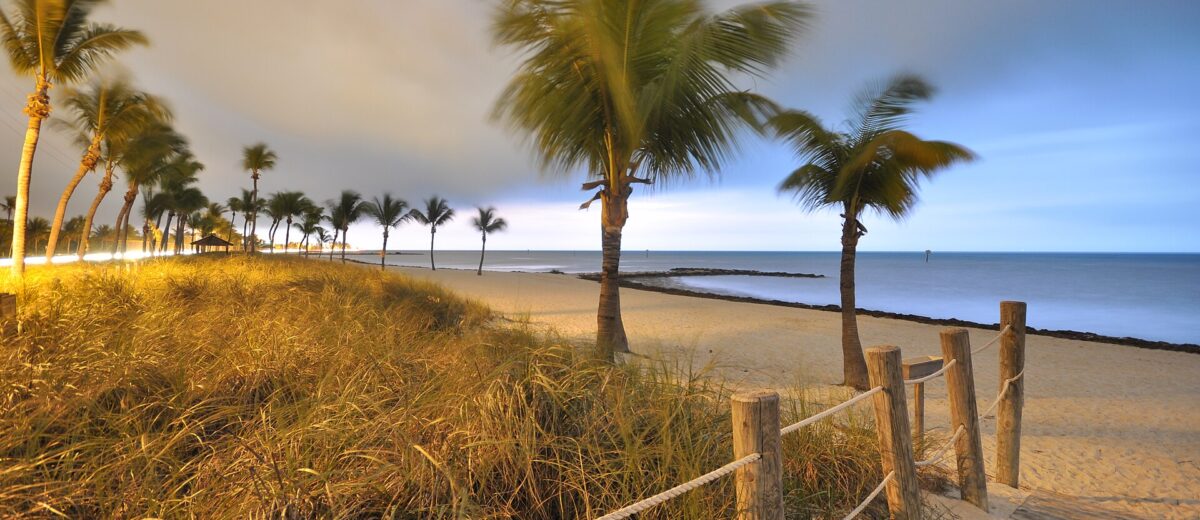
On a bad July morning at Smathers Beach you smell it before you see it: a faint, sulfurous whiff on the breeze as you cross South Roosevelt Boulevard. Then the tide line comes into view, a band of rust-brown weed a few feet wide and, in a heavy week, knee-deep in places, with the water behind it stained the color of weak tea. A week later, after the wind has swung around, the same beach can be clean white sand and clear turquoise water again. Key West seaweed (almost always sargassum) is the single biggest variable in a summer beach day on the island, and in a record year like 2026 it deserves a proper plan rather than a shrug.
This guide explains what sargassum is and why there’s so much of it, when the season runs, which Key West beaches collect it and which usually stay clean, how to check the forecast before you go, the health advice for rotting seaweed, and how to plan a trip around it, including when not to worry. Seasonal outlooks and health guidance were checked in September 2026. Sargassum changes week to week, so treat everything here as a guide to the odds rather than a promise.
Key West sargassum at a glance
| Question | Short answer |
|---|---|
| What is it? | Floating brown seaweed (sargassum) that drifts in from the Atlantic and Caribbean |
| When is the season? | Roughly March or April through October, peaking in summer |
| How bad was 2026? | A record year across the region, easing from September into November |
| Worst-hit beaches | Atlantic-facing south-shore beaches: Smathers, Higgs, Rest Beach, Dog Beach, South Beach |
| Usually cleanest | Fort Zachary Taylor, the harbor-side beaches, Sunset Key and resort beaches that are raked daily |
| Cleanest months | November through February |
| Health concern | Rotting weed releases hydrogen sulfide, which irritates eyes and lungs, especially for people with asthma |
| How to check | USF’s monthly Sargassum outlook, NOAA’s daily Sargassum Inundation Risk map and recent local reports |
| Does it affect the reef? | Reef snorkeling and diving offshore are usually unaffected |
What sargassum is, and why there’s so much of it
Sargassum is a free-floating brown seaweed. Unlike most seaweeds it never attaches to the seabed. It stays at the surface thanks to small, round, gas-filled bladders that look like berries, and it drifts in rafts and long golden lines, sometimes miles long. For centuries it was associated with the Sargasso Sea in the middle of the North Atlantic, and Columbus’s sailors famously worried about it.
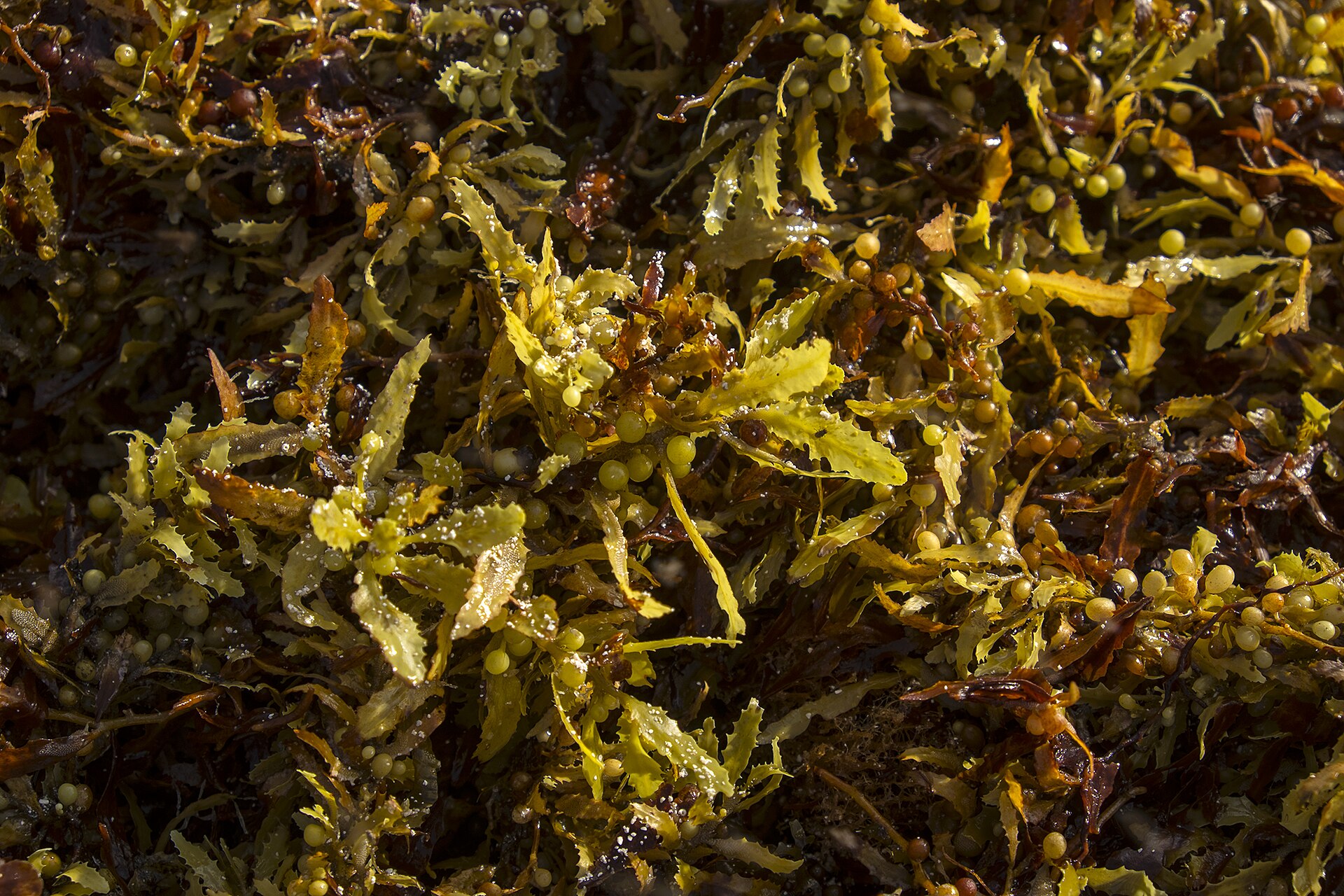
Since 2011, something new has been happening. Scientists have tracked a vast seasonal bloom, often called the Great Atlantic Sargassum Belt, stretching across the tropical Atlantic from West Africa to the Caribbean and the Gulf. Its size varies enormously from year to year. Researchers are still debating the causes, but nutrients running off the land and into the ocean, along with changing ocean conditions, are the leading explanations. Some years are mild. Others, like 2018, 2022, 2025 and now 2026, are huge.
The University of South Florida’s Optical Oceanography Lab, which publishes a monthly Sargassum outlook, recorded record-high amounts in nearly every region it tracks in 2026. Its outlook described 2026 as another major sargassum year, likely to be a record by summer. By September the outlook expected amounts to keep decreasing through the fall, possibly until November, with beaching events around the Caribbean and southeast Florida continuing, but less severely than in summer.
Why Key West gets it, and why it’s usually less than Cancún
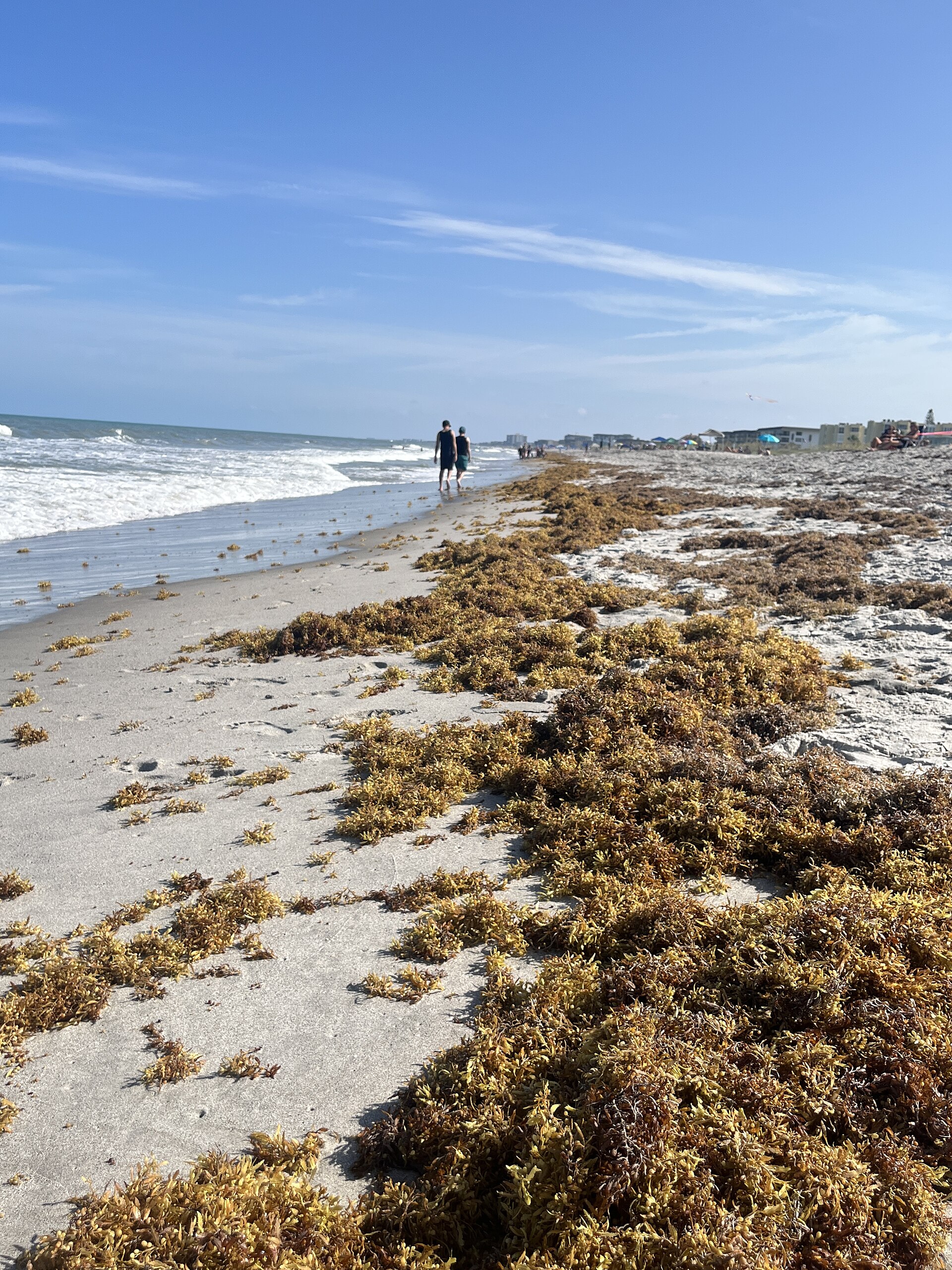
Key West’s beaches are small, and most of the public ones face south onto the Atlantic (strictly, the Straits of Florida). When the prevailing southeasterly and southerly breezes of spring and summer push drifting mats toward the island, those south-facing beaches catch them. The long, shallow flats and reef tract offshore break some of it up, and the Keys generally get sargassum later and in lighter amounts than the Mexican Caribbean, where beaches like Tulum and Playa del Carmen have been buried in heavy years. But “lighter than Cancún” can still mean a thick brown band on Smathers in a record year.
Wind direction matters as much as the size of the bloom. A few days of steady southeast wind can pile weed onto the south shore. A shift to the north or northeast, common from October onward, can clear it again. That’s why a beach can look terrible in one week’s photos and pristine in the next.
When is sargassum season in Key West?
| Months | Typical sargassum risk | Notes |
|---|---|---|
| November – February | Low | Winter winds from the north keep south-shore beaches clean; the best months for a weed-free beach |
| March – April | Low to moderate | First arrivals possible, especially in heavy bloom years |
| May – August | Moderate to high | Peak season; heavy weeks on Atlantic-facing beaches in big years |
| September – October | Moderate, falling | Tapering off; 2026’s bloom was expected to keep easing into November |
Those are tendencies, not guarantees. A mild year can pass with barely any weed on Smathers even in July, and a heavy year can bring it in April. For more on the rest of the summer picture, see our Key West in June, July and August guides.
Key West beaches: which get seaweed and which stay clean
Here’s an honest beach-by-beach guide to how each one tends to fare in a sargassum week. For everything else about the island’s beaches, see our Key West beaches guide.
| Beach | Faces | Sargassum exposure | Verdict in a heavy week |
|---|---|---|---|
| Smathers Beach | South, open Atlantic | High | The most affected beach on the island. Check before you go |
| Higgs Beach | South, Atlantic | High | Often weedy along the tide line; the pier and park are still pleasant |
| Rest Beach | South, Atlantic | High | Small, collects weed easily |
| Dog Beach | South, Atlantic | High | Tiny; keep dogs out of rotting piles |
| South Beach (end of Duval) | South, Atlantic | High | Small and exposed |
| Fort Zachary Taylor | Southwest, toward the channel | Lower | Usually the island’s best bet, though not immune |
| Simonton Street Beach | North, harbor side | Low | Tiny and busy with boat traffic, but rarely weedy |
| Sunset Key | Harbor side | Low | Resort-maintained; access by ferry for guests and diners |
| Resort and hotel beaches | Varies | Varies | Many rake their own sand each morning, but ask before you book |
Smathers Beach
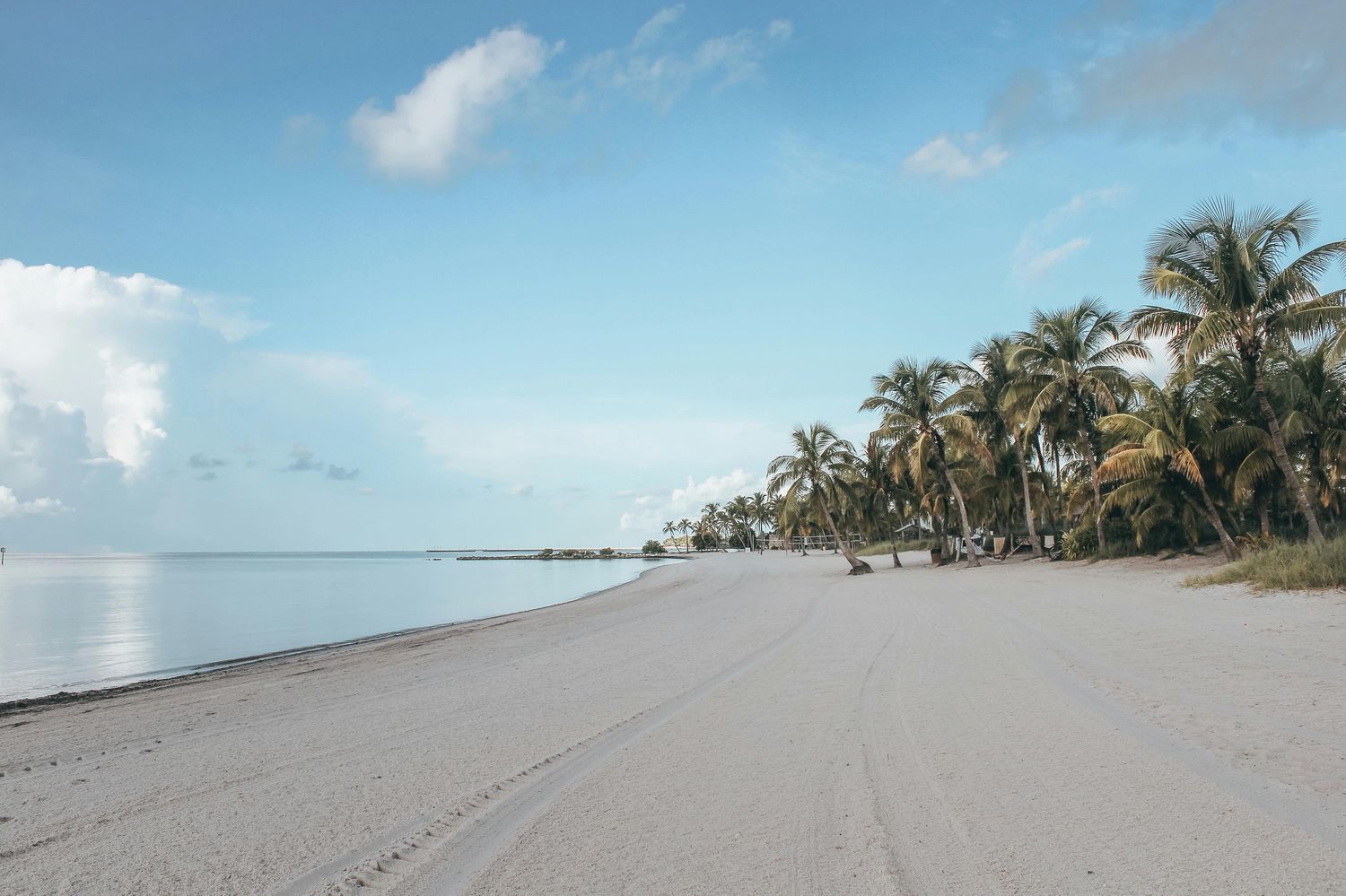
Smathers, the island’s largest public beach, faces straight out onto the open Atlantic along South Roosevelt Boulevard. It’s the most exposed beach in Key West and the one that appears in most seaweed photos. In a heavy week it can have a wide, smelly band of sargassum along the waterline and brown, murky water in the shallows. In a clean week it’s the classic palm-lined Key West beach. If Smathers is your plan, check recent photos or reports that morning. See our Smathers Beach guide.
Higgs, Rest and Dog Beaches
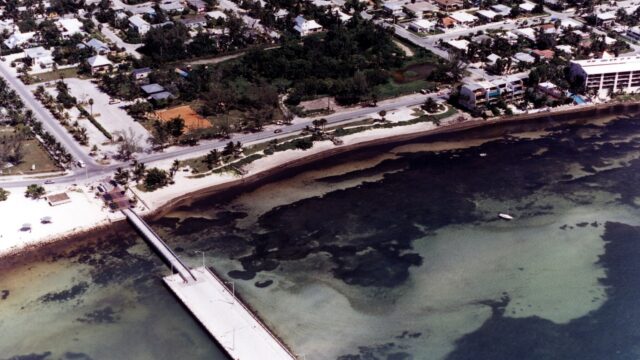
The small beaches along Atlantic Boulevard, Higgs Beach, Rest Beach and Dog Beach, face the same way as Smathers and collect weed in the same conditions. Higgs has the advantage of its pier, park, tennis courts and nearby restaurants, so even a weedy day there isn’t wasted.
Fort Zachary Taylor: usually the best bet
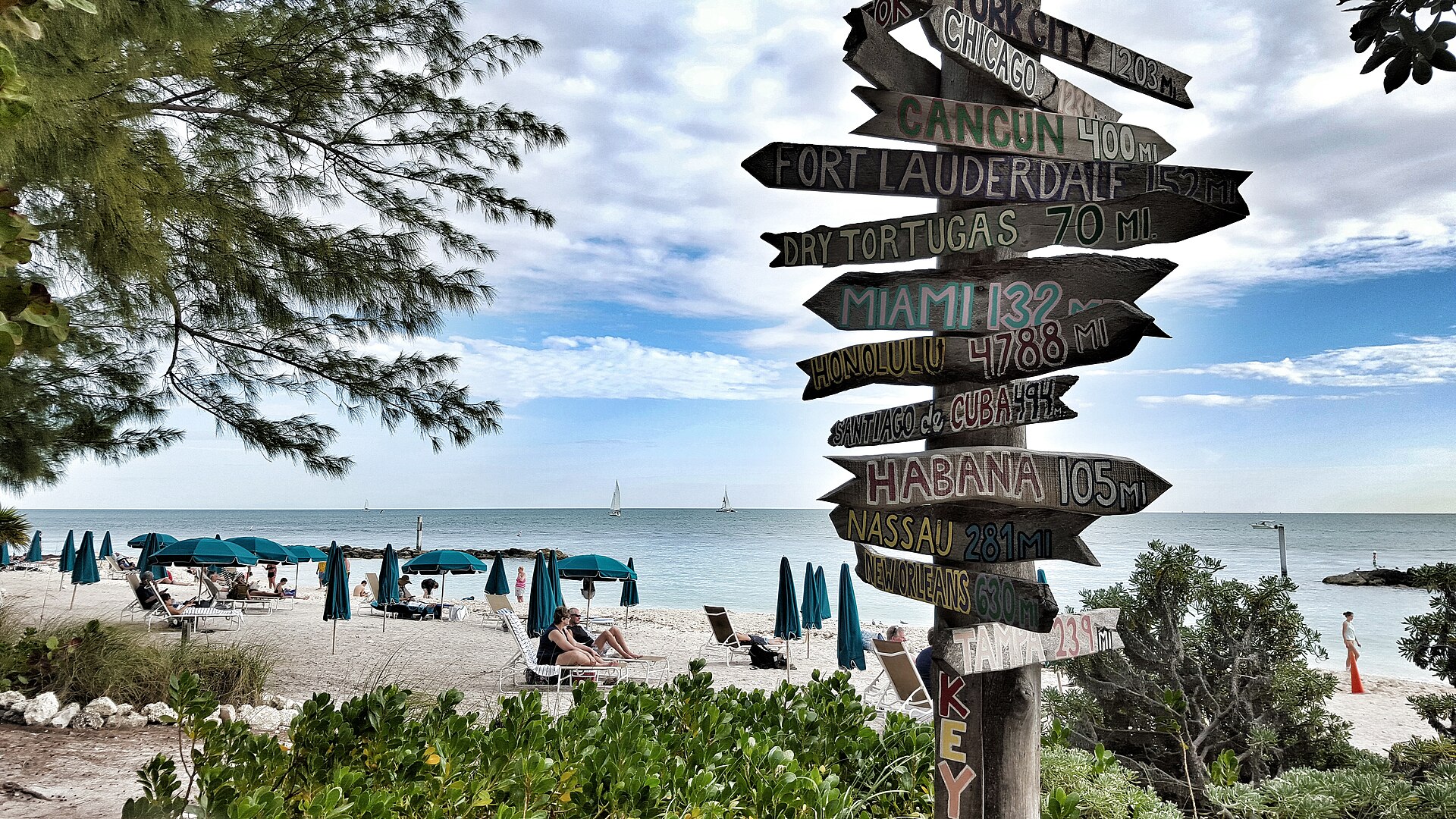
Fort Zachary Taylor Historic State Park sits at the southwest tip of the island, facing the main shipping channel rather than the open Atlantic, and it’s usually the cleanest public beach in Key West during sargassum season. Its rocky, coarse-sand shoreline, shade trees and clear water for snorkeling make it the island’s best all-round beach anyway. It isn’t immune, and some weed arrives in heavy weeks, but it’s the first place to try when the south shore is fouled. See our Fort Zachary Taylor Beach guide.
The harbor side and Sunset Key
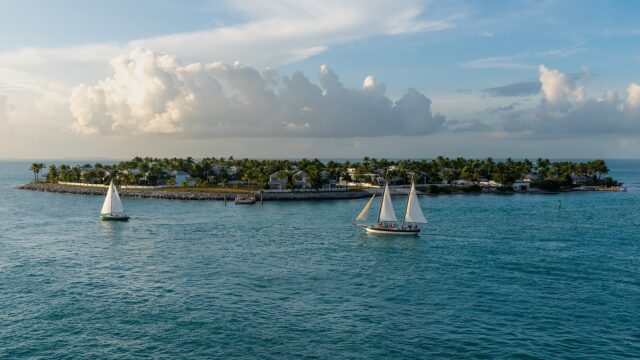
The north side of Key West faces the harbor and the Gulf, away from the prevailing summer winds, and it gets very little sargassum. The catch is that there’s barely any beach there. Tiny Simonton Street Beach is a patch of sand among the boats. Sunset Key, the small island in the harbor reached by a short ferry for resort guests and restaurant diners, has a groomed beach that stays reliably clean.
Hotel and resort beaches
Several Key West resorts have their own small beaches, and many rake and clean them early every morning in season. That makes them among the most dependable places for a clean patch of sand, but only if you’re staying there. If a beach is the point of your trip, ask the hotel directly how they handle sargassum before you book. See our Key West beachfront hotels guide.
Beyond Key West: beaches up the Keys
The Keys’ natural beaches face the same way, so they face the same problem. In a heavy week:
- Bahia Honda State Park (MM 37) has three beaches. Sandspur and Loggerhead face the Atlantic and collect weed, but Calusa Beach, on the bay side by the old bridge, is sheltered and usually much cleaner. See our Bahia Honda State Park guide.
- Sombrero Beach in Marathon faces the Atlantic and can be affected. See our Marathon guide.
- Anne’s Beach in Islamorada is shallow and Atlantic-facing, and weedy in bad weeks. See our Islamorada guide.
Our beaches near Key West guide covers the day-trip options in full.
How to check the sargassum forecast before you go
There’s no reliable beach-by-beach forecast, but you can build a good picture from three sources:
- The USF Sargassum outlook. The University of South Florida’s Optical Oceanography Lab publishes a monthly outlook bulletin, usually at the start of each month, through its Sargassum Watch System. It covers the whole region, including the Florida Keys and southeast Florida, and says whether amounts are rising or falling. It’s the best guide to how big a year it is, but it won’t tell you about a specific beach on a specific day.
- NOAA’s Sargassum Inundation Risk map. NOAA’s Atlantic Oceanographic and Meteorological Laboratory publishes a daily map through its CoastWatch Caribbean and Gulf node, coloring coastlines from low to high risk based on satellite detections and currents. It’s more short-term and more local than the USF outlook.
- What people are seeing now. Recent photos in beach reviews, local webcams, social media groups and a phone call to your hotel’s front desk will tell you more about this week than any model.
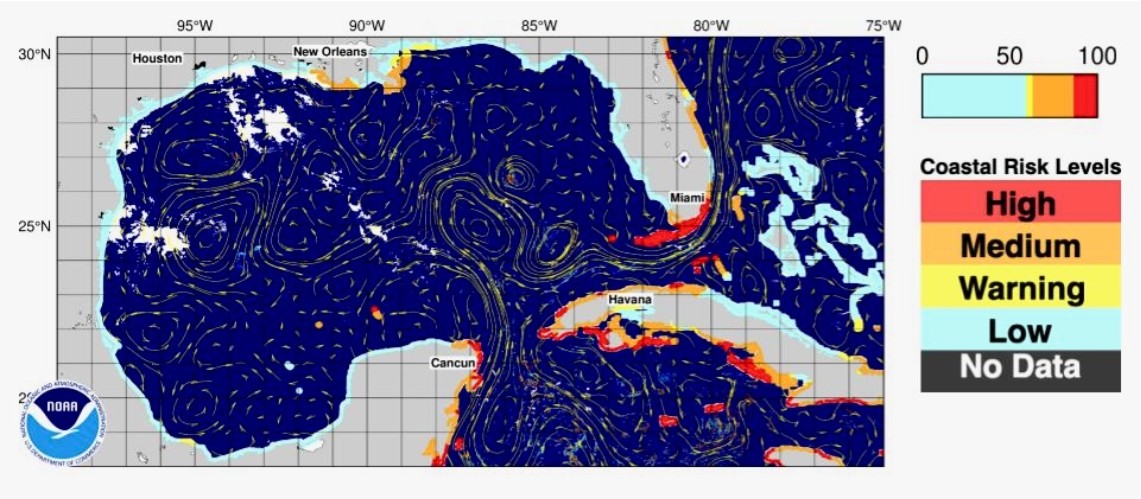
Keep in mind that sargassum is patchy and wind-driven. A regional “high” doesn’t mean every beach is fouled, and a “low” doesn’t mean you won’t find a few mats on Smathers. Check again the day before, and have a plan B.
Is sargassum dangerous? Health advice
Fresh sargassum floating in the water or lying golden on the sand is essentially harmless, just unpleasant to wade through. The problem comes when large piles rot on the beach. Decomposing sargassum releases hydrogen sulfide gas, which is what causes the rotten-egg smell. The Florida Department of Health, including its Monroe County office, advises that:
- Outdoors the gas is usually diluted, but it can irritate the eyes, nose and throat.
- People with asthma or other breathing conditions may be more sensitive, and should avoid or limit time on beaches with heavy, rotting sargassum.
- If you feel irritation or have trouble breathing, leave the beach, at least until the symptoms pass.
- People who live next to affected beaches should close their windows and doors.
A few common-sense additions. Don’t let small children or dogs play in or eat piles of rotting weed. Wear sandals, since thick mats can hide sharp shells, glass and other debris. Rinse off after swimming near heavy mats, because the tiny animals that live in sargassum can make some people’s skin itch. And skip swimming in the brown, warm water directly behind a thick raft of rotting weed. It isn’t pleasant, and the water quality there is poorer.
Why aren’t the beaches just cleaned?
They are cleaned, but not as fast or as completely as visitors expect. Public beaches in Key West and the Keys are cleaned by the city, the county or the state park, depending on who manages them. Heavy weed can arrive faster than crews can remove it, and piles can return with the next tide. On top of that, spring through fall is sea turtle nesting season, and machinery on nesting beaches is restricted to protect the nests, so some cleanup has to be done by hand or held back. Some sargassum left high on the beach also helps trap sand and build dunes. The result is that in a heavy week you’ll often see a weedy band even on beaches that are cleaned regularly.
The good news: sargassum and the rest of your trip
Sargassum is a beach problem. It isn’t a Key West problem, and it’s worth keeping that in proportion.
- The reef is usually fine. Snorkel and dive trips run to the reef several miles offshore, and while boats sometimes steer through floating mats, the water over the reef is typically clear. See our Key West snorkeling guide.
- It’s good for fishing. Offshore, lines of floating sargassum are a nursery for young fish and baby sea turtles, and they hold mahi-mahi. Charter captains hunt for weed lines in summer. See our Key West deep sea fishing guide.
- Key West isn’t primarily a beach destination. Its beaches are small and mostly man-made. The island’s appeal is its Old Town, its food and bars, its sunsets and the water around it, none of which seaweed touches.
- It’s seasonal. From November to February, south-shore beaches are generally clean.
Sargassum myths worth clearing up
A lot of what gets said about seaweed on Florida beaches is half-true. Here are the ones Key West visitors hear most often.
“It means the water is polluted”
Not directly. Sargassum is a natural open-ocean seaweed, and the mats that wash up in Key West have usually drifted hundreds or thousands of miles. The size of the modern blooms may be linked to nutrients reaching the ocean, but a weedy beach doesn’t mean the water off Key West is dirty. Where it does get unpleasant is in the shallow water right behind a thick, rotting raft, which turns brown and warm. Swim somewhere else that day.
“It stings”
Sargassum itself doesn’t sting. It’s a plant-like alga, not a jellyfish. The tiny hydroids, larvae and other animals that hitch a ride in it can make some people’s skin itch after wading through thick mats, so rinse off afterward. If you feel a sharp sting in summer, it’s more likely a jellyfish or the larvae behind “sea lice” than the weed.
“The beach will be cleaned by mid-morning”
Sometimes, not always. Cleanup crews do their best, but in a heavy week weed can arrive faster than it can be removed, and nesting-season rules limit where machines can go. Plan on the beach looking roughly as it does in photos from the last day or two.
“If it’s bad in Cancún, it’s bad in Key West”
Not necessarily. The Mexican Caribbean and the Keys are fed by the same regional bloom, but different currents and winds reach them, and the Keys usually get less, later. Check Keys-specific reports rather than headlines from Tulum.
“Winter trips get seaweed too”
Rarely on any scale. From November to February, the prevailing winds come from the north and east, and the Atlantic bloom is at its seasonal low. A few stray clumps are possible, but a fouled south-shore beach in January is unusual.
How to plan a trip around sargassum
- If a beach matters most, come between November and April. The winter and early spring months are the most reliable for clean sand. See our best time to visit Key West guide.
- In summer, prioritize the pool. A hotel with a good pool, or its own raked beach, protects your beach days from the weed.
- Make Fort Zachary Taylor your default beach. Treat Smathers as a bonus when it’s clean.
- Swap beach days for water days. A morning snorkel trip or a sandbar charter puts you in clear water away from the shore.
- Stay flexible. Plan a beach day for when the wind is from the north or east, and move it if the south shore is fouled.
- Consider Bahia Honda’s Calusa Beach if you’re driving, since it’s sheltered on the bay side.
What isn’t worth it in sargassum season
- Paying extra for an Atlantic-view room in July of a heavy year. The view may be of a brown tide line, and the smell can drift into rooms. Harbor views and pool views hold up better.
- Canceling a Key West trip over seaweed. Unless a beach is the only reason you’re going, the island has far more to offer, and the reef is usually unaffected.
- Driving to Smathers with a cooler without checking first. Five minutes of recent photos saves an hour of disappointment.
- Trusting a “seaweed-free” promise. Nobody can guarantee it in summer. A property that says it rakes daily is more believable than one that says it never gets weed.
Frequently asked questions
Is there seaweed in Key West?
Seasonally, yes. Sargassum can wash up on Key West’s Atlantic-facing beaches from about March or April through October, with the heaviest weeks in summer. From November to February the beaches are usually clean.
Which Key West beach has the least seaweed?
Fort Zachary Taylor is usually the cleanest public beach, because it faces the channel rather than the open Atlantic. Harbor-side beaches, Sunset Key and resort beaches that are raked daily are also good bets. Smathers is usually the most affected.
How bad is the sargassum in 2026?
2026 was a record year across the region, according to the University of South Florida’s monthly outlook. By September amounts were decreasing and expected to keep easing into November, though beaching events could continue at lower levels.
Is sargassum harmful to swim in?
Floating sargassum isn’t toxic, but thick mats are unpleasant to swim through and can make some people’s skin itch. Rotting piles on the beach release hydrogen sulfide, which can irritate eyes and breathing, especially for people with asthma.
How can I check sargassum conditions before my trip?
Look at the University of South Florida’s monthly Sargassum outlook, NOAA’s daily Sargassum Inundation Risk map, and recent photos and reports from the beach you plan to visit. Your hotel’s front desk will also know the current situation.
Does sargassum affect snorkeling in Key West?
Rarely. Snorkel and dive trips go to the reef several miles offshore, where the water is typically clear even when beaches are weedy.
What month has the least sargassum in Key West?
Generally November through February, when north winds keep the south-facing beaches clean and the Atlantic bloom is at its seasonal low.
Related Key West Guides
- Key West beaches guide: every beach on the island
- Smathers Beach: the island’s largest public beach
- Fort Zachary Taylor Beach: the best all-round beach
- Beaches near Key West: the best sand up the Keys
- Key West month by month: seasons compared
- Key West weather: the climate explained
Photo Credits
Smathers Beach in the early morning: Early morning Smathers Beach Key West by Juliancolton, Public domain, via Wikimedia Commons.
Sargassum seaweed close-up: Sargasso seaweed detail by Jonathan Wilkins, CC BY-SA 3.0, via Wikimedia Commons.
Sargassum on an Atlantic-facing Florida beach: Sargassum fluitans at Cocoa Beach (May 2023) by Benoît Prieur, CC0, via Wikimedia Commons.
NOAA Sargassum Inundation Risk map: NOAA Sargassum Inundation Risk report for 26 April 2026 by NOAA AOML, Public domain, via Wikimedia Commons.
Fort Zachary Taylor Beach loungers: Key sign by Cristo Vlahos, CC BY-SA 4.0, via Wikimedia Commons.
Sources & corrections
Rates, hours and closures verified against operator listings and on-island visits. Prices are peak-season unless noted.