Sheet 07 · Florida Keys
Marathon Florida Keys Guide: Beaches, Turtles, and Seven Mile Bridge
The best family base in the Florida Keys: free swimmable sand at Sombrero Beach, the Turtle Hospital, Pigeon Key and the old bridge walk, and why couples after atmosphere should keep driving.
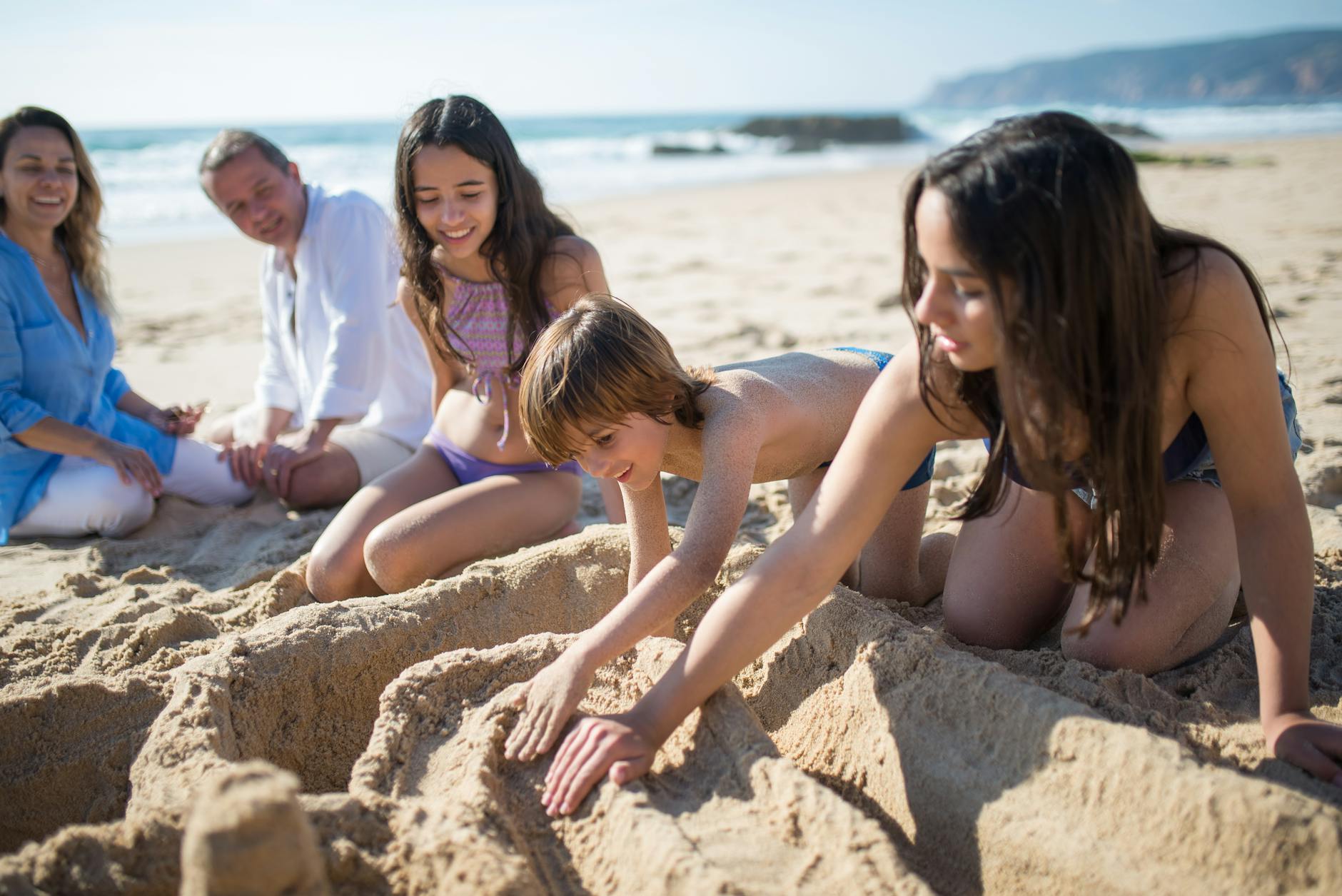
There is a moment at the end of Sombrero Beach Road, after two miles of ordinary residential streets, when the pavement stops and there is suddenly a quarter mile of white sand with shade palms and a playground and water deep enough to actually swim in. Nobody is charging you for it. That single stretch explains more about Marathon Florida Keys than any brochure will: this is the island in the chain that is set up for people who live here, and it turns out that is exactly what a family on vacation needs.
This guide covers Marathon as a base rather than a rest stop — the beaches, the Turtle Hospital and the other animal attractions, Pigeon Key and the old Seven Mile Bridge, where to stay and eat, and the honest reasons a couple looking for atmosphere should keep driving. Prices and hours were checked in September 2026; treat them as the right order of magnitude and confirm with the operator before you build a day around one.
At a glance: what a day in Marathon costs
| Item | Typical 2026 price | Notes |
|---|---|---|
| Sombrero Beach | Free | Free parking, restrooms, playground, shade; 7:30 a.m. to sunset |
| Curry Hammock State Park | $8 per vehicle (2–8) + $0.50 per person | $4.50 solo, $2.50 walk-in; 8:00 a.m. to sundown |
| The Turtle Hospital | $38 adult, $19 child 4–12 | Tours on the hour and half hour, 9:00 a.m.–4:00 p.m.; reserve on 305-743-2552 |
| Dolphin Research Center (MM 59) | $37.50 adult, $26.50 child 4–12 | Under 3 free; 9:00 a.m.–4:30 p.m., last admission 4:00 |
| Crane Point Hammock | About $15 adult | 63 acres, museum, Adderley House; allow two hours |
| Pigeon Key ferry and tour | Around $25–$30 adult | Departs near MM 47; check the day’s sailings |
| Old Seven Mile Bridge walk | Free | 2.2 miles restored from the Marathon end to Pigeon Key |
| Half-day reef party boat | $60–$90 per person | Rod, bait and licence included |
| Mid-range room, winter | $250–$400 | $160–$240 in September and October |
| Fish dinner, mid-range | $26–$36 per plate | Cheaper than Islamorada by $6–$10 a plate |
Where Marathon is and what it is made of
Marathon is a city of about 8,000 people spread across thirteen islands from Grassy Key at MM 60 down to Knight Key at MM 47, with the main commercial strip running MM 53 to MM 48. It got its name from the railroad: the construction crews working the impossible stretch to Key West called the job a marathon, and the name stuck to the camp.
Practically, it is the only place between Islamorada and Key West with a full complement of services — a hospital, a Publix, hardware stores, a couple of decent coffee places, an airport (MTH) with charter and general aviation traffic, and a working commercial fishing fleet. It sits almost exactly halfway down the chain, 50 miles from Key West and 55 from Key Largo, which means both ends of the archipelago are inside an hour and a half.
The character is suburban rather than picturesque. There is no historic downtown, no Duval Street, no galleries district. What there is instead is functional infrastructure and cheap-by-Keys-standards rooms, and if you have children in the car those are the two things that matter.
The beaches
Sombrero Beach
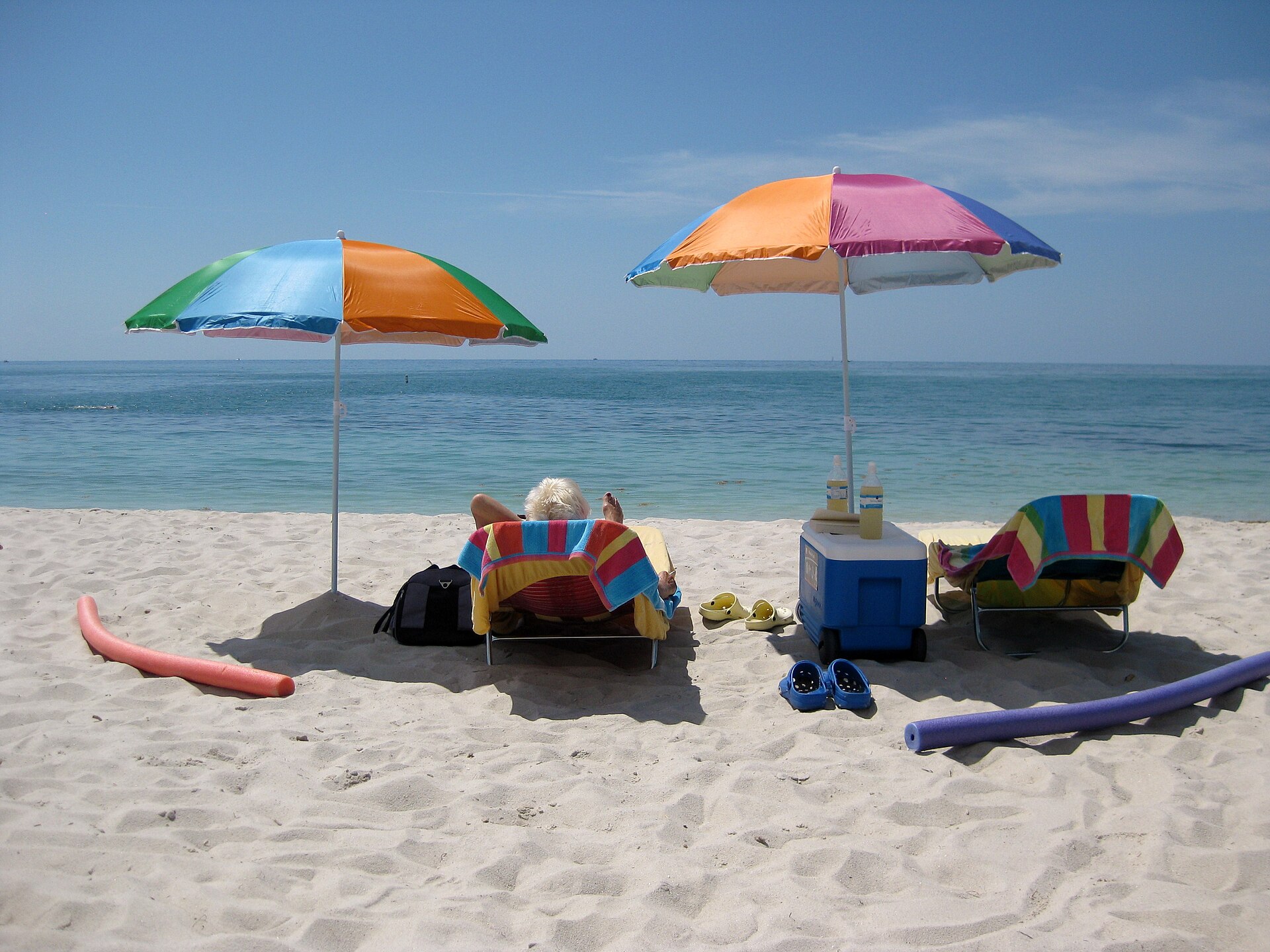
Free, at the end of Sombrero Beach Road off MM 50, open 7:30 a.m. to sunset, and comfortably the best free public beach in the Keys. Real sand, mature shade palms, clean restrooms and outdoor showers, a playground, picnic pavilions, a volleyball court and a paved accessible path down to the water. The bottom shelves gently but gets to swimming depth without the 200-yard wade that most Keys shorelines demand.
It is a designated loggerhead nesting beach from April through October, which means marked nests behind stakes, a lights-out rule for the adjacent houses, and volunteers walking the sand at dawn. Do not disturb a marked nest and do not use flash after dark during the season.
The parking lot has about 60 spaces and it fills between 10:00 and 11:00 on winter weekends. Sargassum collects here from roughly March through October — the city does clear it, unlike the state parks, but on a bad week after an east wind you will find windrows at the tide line.
Coco Plum Beach
Free, quieter, off Coco Plum Drive at MM 54.5, and much shallower — a wading and shelling beach rather than a swimming one, with a boardwalk out over the mangroves. Also a major turtle nesting site. Come here when Sombrero is full.
Curry Hammock State Park
At MM 56.2, $8 per vehicle carrying two to eight people plus the 50-cent county surcharge, open 8:00 a.m. to sundown. A small beach, a picnic area, kayak rental, marked paddling routes through mangrove creeks, and a 28-site campground. It is also one of the premier raptor-watching sites in North America: from mid-September into November, volunteers on the beach count tens of thousands of peregrine falcons, broad-winged hawks, kestrels and merlins funnelling down the chain. The peregrine counts here are among the highest recorded anywhere on earth.
The Turtle Hospital
At 2396 Overseas Highway, in a converted 1940s motel, the Turtle Hospital is a licensed veterinary facility that has treated and released well over two thousand sea turtles since 1986. It is not an aquarium, and understanding that in advance is the difference between a great visit and a disappointed one.
You take a guided tour, on the hour and half hour from 9:00 a.m. to 4:00 p.m., costing $38 for adults and $19 for children aged 4 to 12. It runs about 90 minutes: a briefing with slides, then the surgical suite, then the rehabilitation tanks, then the 100,000-gallon saltwater pool holding the permanent residents — turtles too damaged to survive release, usually because of boat strikes or because fibropapillomatosis tumors have taken an eye.
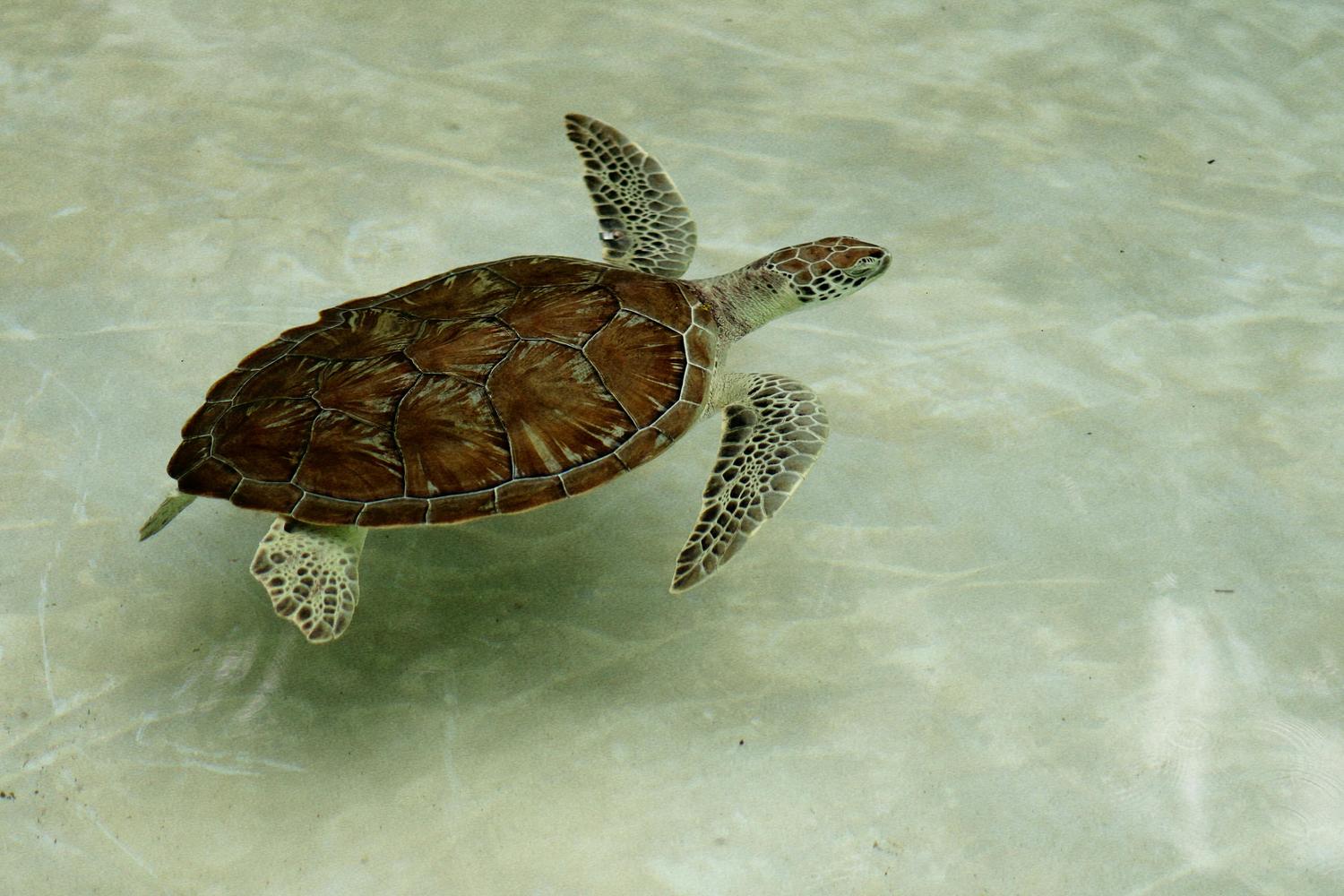
Reserve by phone. The tours are capped, they sell out in season, and walk-ups get turned away regularly. Every dollar goes back into the hospital, which is the argument for paying $38 rather than complaining about it. There is no swimming with turtles, no touching, and nobody at the hospital wants you to expect it — the turtles here are patients.
The other animal attractions
- Dolphin Research Center (MM 59, Grassy Key) — $37.50 adult, $26.50 child 4 to 12, free under 3, open 9:00 a.m. to 4:30 p.m. with last admission at 4:00. A not-for-profit with a research and education remit; the dolphins live in natural seawater lagoons open to the Gulf, and the narration is markedly more scientific than at the show parks. General admission covers the presentations and the boardwalks; interactive swim programs cost several times more and book out weeks ahead.
- Florida Keys Aquarium Encounters (MM 53) — a small commercial facility with touch tanks, a reef tank you can snorkel, a shark feeding and a predator lagoon. Around $25 general admission with the in-water encounters priced separately. Good for kids, expensive for what it is, and genuinely fun if you buy one of the encounters rather than just walking around.
- Crane Point Hammock (MM 50) — 63 acres of thatch palm hammock and mangrove, a natural history museum, a children’s discovery center, and the Adderley House: a 1903 Bahamian tabby structure built by a Bahamian immigrant family, one of very few left in the Keys. About $15, allow two hours, bring repellent.
Pigeon Key and the old Seven Mile Bridge
Marathon’s western end is where the Overseas Highway launches onto the Seven Mile Bridge, and running beside the modern span is Flagler’s original, built between 1908 and 1912. Five acres of coral rock sit underneath it a couple of miles out: Pigeon Key, the railroad’s construction camp, which housed up to 400 workers and later served as a bridge maintenance base.
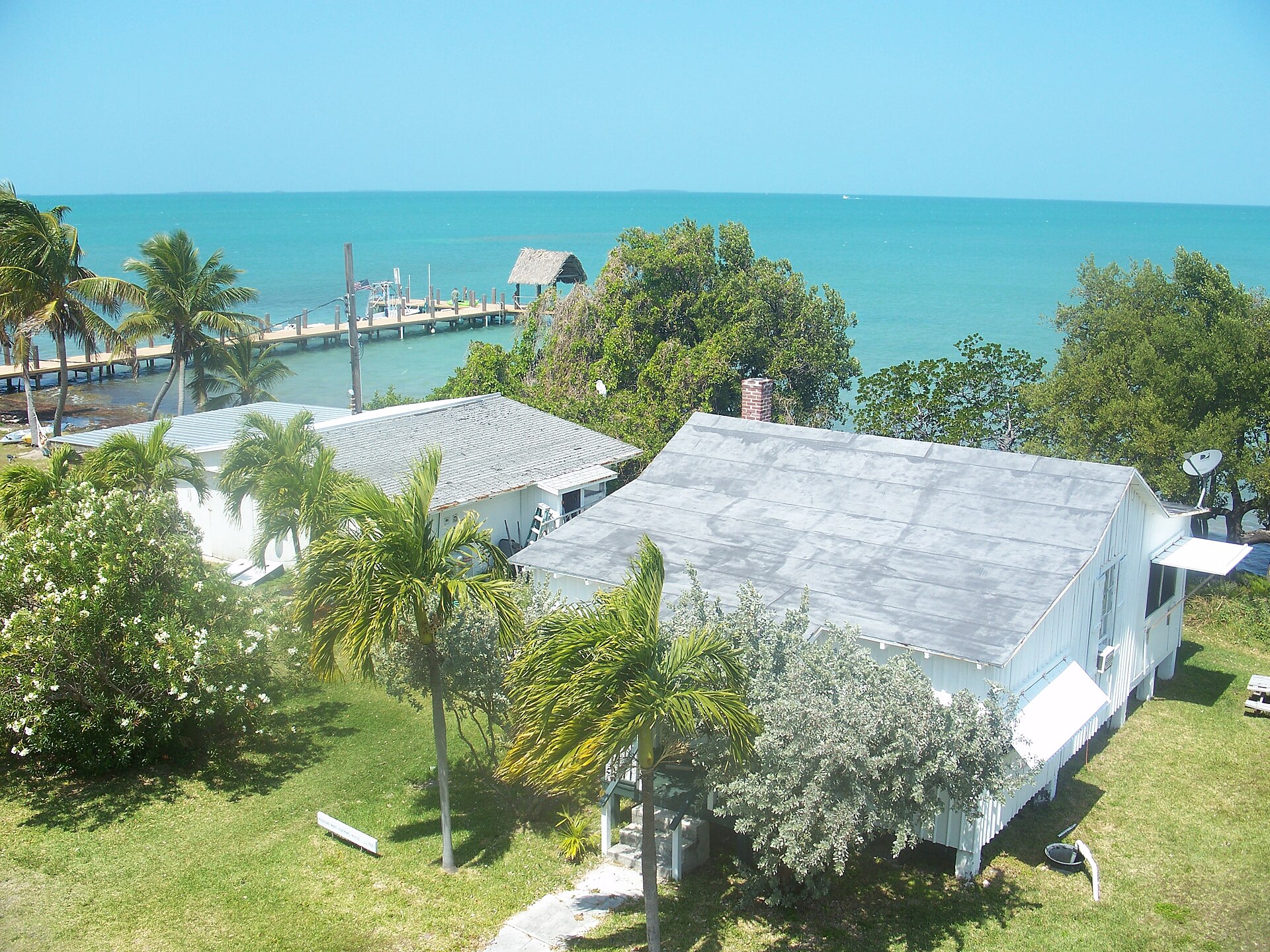
Eight of the original structures survive — the section gang quarters, the bridge tender’s house, the assistant bridge tender’s house — and the island is on the National Register of Historic Places. You reach it either by the ferry from near MM 47, roughly $25–$30 with a guided tour included, or on foot or by bicycle along the restored 2.2-mile section of the old bridge from the Marathon end, which reopened after a long rehabilitation and is free.
The walk is the better option if you are able. It is exposed, hot, and completely without shade, so go early with water — and the view down into the water on both sides, forty feet below, is the best free thing in the Middle Keys. Our dedicated guide to the Florida Keys islands covers the railroad history that put it all there.
Fishing and the water
Marathon’s fishing is genuinely good and it is priced below Islamorada. The Gulf Stream is a similar distance out, the backcountry to the north opens into the same Florida Bay flats, and there is a large local fleet at the city marina and at Vaca Cut. Half-day offshore charters run $700–$950 for up to six; backcountry flats guides run $450–$600 for two; and the party boats out of the marina do half-day reef trips for $60–$90 a head with everything included, which is the best-value fishing in the Keys for a family.
Snorkeling here means Sombrero Reef, four miles offshore, marked by an 1858 iron-pile lighthouse and one of the better shallow reef systems in the chain — spur-and-groove coral in 8 to 30 feet, mooring buoys, excellent fish life. Trips run $50–$75. Coffins Patch, closer in, is shallower and calmer when the wind is up. Neither is reachable from shore.
Boat rentals are widely available at $300–$500 a day. The channels around Marathon are well marked but Florida Bay north of the island is a foot deep in places over turtle grass, and grounding on seagrass is both expensive to your propeller and prosecutable under Florida law. If you have not run a boat in water like this, take the shallow-water briefing seriously.
Where to stay
Mid-range hotels and motels: $250–$400 in winter
The bulk of Marathon. Two-story properties along the highway and on the canals, pools, docks, fish-cleaning stations, and rooms that are clean and unremarkable. This is where the value is — the same standard of room costs $150 more in Islamorada and $250 more in Key West.
Resorts: $400–$700
A handful of larger properties, mostly oceanside around MM 48–54, with imported-sand beaches, multiple pools, kids’ clubs and marinas. Comfortable and family-oriented. As everywhere in the Keys, the “beach” is trucked sand over rock with a roped swimming area.
Vacation rentals
Marathon is the best island in the chain for a canal-front house with a dock — three bedrooms, a boat lift, a screened porch, and a kitchen, at $300–$550 a night in winter, which for a family of six undercuts two hotel rooms substantially. Check whether the dock has water depth at low tide if you are bringing a boat.
Camping
Curry Hammock’s 28 sites are the state park option and are booked eleven months out. There are two large private RV resorts with tent sites, full hookups, pools and marinas, running $70–$120 a night — expensive for camping, cheap for the Keys. See our Key West camping guide for how the reservation window works.
Where to eat
- Keys Fisheries (MM 49, bayside) — order at a window, give a silly name, collect your lobster reuben and eat it at a picnic table watching the commercial boats unload. Around $22 for the sandwich everyone comes for. This is the single best-value meal in the Middle Keys.
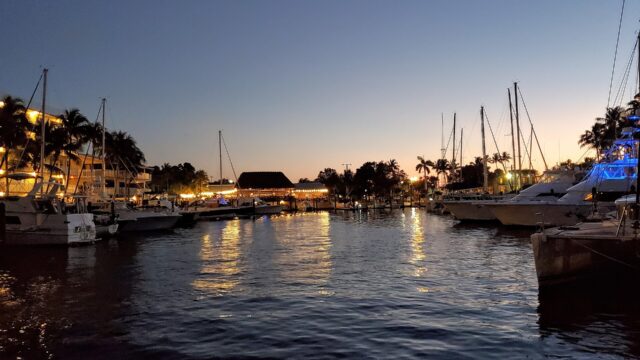
- Burdines Waterfront — upstairs above a fuel dock, fried fish and fish tacos, a view of the harbor, and the same laid-back inefficiency you would want.
- The Stuffed Pig (MM 49) — breakfast, cash-friendly, a line out the door by 8:30, and the reason locals do not eat breakfast at their hotel.
- Sunset Grille (MM 47) — at the foot of the Seven Mile Bridge, with a pool you can swim in while you eat. It is a scene rather than a restaurant, and the location is genuinely spectacular.
- Fish markets — several sell fillets to take home, and if you have a rental with a grill, that plus a bag of Key limes is the best dinner in town.
- What to skip — the highway chain restaurants around MM 50. They exist for people who will not remember, and there are four better independent options within a mile of each of them.
Getting there
Marathon is MM 47 to MM 60, about 108 miles and two and a quarter hours from Miami International, and 50 miles and one hour and twenty minutes from Key West. Marathon airport (MTH) handles general aviation and occasional scheduled service; most people fly into Miami or Key West and drive. Key West Transit’s Lower Keys Shuttle connects Marathon to Key West for a few dollars each way, which is genuinely useful if you want a day on Duval Street without driving home afterwards. Our guide to driving to Key West has the full route timings.
When to come
February and March are the best combination of weather and water for a family — dry, 76 to 80°F, mosquitoes dormant, sea calm enough for reef trips most mornings. That is also peak season and peak prices. April and May are nearly as good and 20 to 30 percent cheaper, and the water is warmer.
Summer is hot and humid with afternoon thunderstorms, superb early mornings, the peak of turtle nesting, and sargassum on the Atlantic beaches — the 2026 bloom was forecast well above historical averages. Late September into November brings the raptor migration at Curry Hammock and the lowest rates of the year, along with the peak of hurricane season. If you come in September or October, buy the insurance and watch the tropics, because the road out is one road.
Turtle nesting season, and how to behave during it
Sombrero and Coco Plum are both designated nesting beaches, and from roughly the beginning of April to the end of October loggerheads and, less often, green turtles haul out at night to dig. A female comes ashore, digs a chamber about two feet deep, lays 100 or so eggs, covers them, and returns to the water — usually between 10:00 p.m. and 3:00 a.m. Incubation takes about two months, and the hatchlings emerge at night and orient themselves toward the brightest horizon, which for the last 150 million years has been moonlight on water.
That last detail is the whole problem. Artificial light from a beachfront porch or a phone screen will pull hatchlings inland, where they die of exhaustion or get taken by ghost crabs and gulls before dawn. So the rules are simple and they matter: no white flashlights or camera flashes on the beach after dark during the season, fill in any hole you dug, take your umbrella and chairs away with you at the end of the day, and never touch a marked nest or a crawl track. If you find a hatchling in daylight or a stranded turtle, do not put it in the water — call the Turtle Hospital or the Florida Fish and Wildlife hotline and let people who know what they are doing handle it.
Marathon is one of the better places in the country to see this legally and responsibly, because the hospital and local volunteer groups run permitted nest walks and releases during the season. They are not advertised far ahead and they depend entirely on what nature does that week, so ask at the hospital when you take the tour.
A workable two-day Marathon itinerary
- Day one, 8:00 a.m. — breakfast at the Stuffed Pig before the line forms, then Sombrero Beach while the parking lot is still half empty.
- Day one, 1:00 p.m. — the Turtle Hospital, reserved by phone a day or two before. Ninety minutes.
- Day one, 4:00 p.m. — lobster reuben at Keys Fisheries at a picnic table with the commercial fleet unloading behind you.
- Day two, 7:30 a.m. — the old Seven Mile Bridge walk out toward Pigeon Key before the sun is high. Two and a bit miles out, the same back, no shade at all.
- Day two, 11:00 a.m. — a half-day party boat to the reef, or Crane Point Hammock and the Adderley House if the wind is up.
- Day two, late afternoon — Curry Hammock for a kayak through the mangrove creeks, or the raptor count on the beach if it is October.
- Day three, if you have it — leave early for Bahia Honda, twelve minutes down the road, and be through the gate before it fills.
The honest verdict on Marathon
For a family with children under twelve, Marathon is the best base in the Florida Keys and it is not a close call. A free beach you can actually swim at, the Turtle Hospital, the Dolphin Research Center, an aquarium, a hammock preserve, the bridge walk, the cheapest party-boat fishing in the chain, and rooms at 60 to 70 percent of Key West prices — all within twenty minutes of each other, with a Publix and a hospital in between. Compare that with the version of a Keys family holiday built out of Key West with kids, where you will pay more and drive further for less water.
For a couple after atmosphere, Marathon is a mistake. There is no old town, no walkable evening, no restaurant you would fly in for, and the highway strip is car dealerships and marine supply. Islamorada has the food, Key West has the town, and Bahia Honda — twelve minutes down the road — has a better beach than anything Marathon owns. Stay a night on the way past, use the beach in the morning, and keep going.
Frequently asked questions
Is Marathon or Key West better for families?
Marathon, clearly. Sombrero Beach is free and swimmable, the Turtle Hospital and the Dolphin Research Center are twenty minutes apart, rooms cost 30 to 40 percent less, parking is free everywhere, and there is no bar-crawl atmosphere to navigate with children. Key West has more to see; Marathon is easier to actually holiday in.
How much is the Turtle Hospital in Marathon?
$38 for adults and $19 for children aged 4 to 12. Guided tours run on the hour and half hour from 9:00 a.m. to 4:00 p.m. and take roughly 90 minutes. Reservations are strongly recommended on 305-743-2552 — the tours are capped and sell out in season.
Can you walk the old Seven Mile Bridge?
Yes. A 2.2-mile section from the Marathon end out to Pigeon Key has been restored for pedestrians and cyclists and is free. There is no shade and no water on it, so go early and take a bottle. The remaining five miles of the old bridge are unrestored and closed.
Is Sombrero Beach free?
Yes — free entry and free parking, open 7:30 a.m. to sunset, with restrooms, showers, a playground and shade pavilions. The lot has roughly 60 spaces and fills mid-morning on winter weekends and holidays.
How far is Marathon from Key West?
About 50 miles, or an hour and twenty minutes on US 1. The Lower Keys Shuttle bus also runs the route for a few dollars each way.
Where can you snorkel in Marathon?
Sombrero Reef, four miles offshore beneath its 1858 lighthouse, in 8 to 30 feet — reachable only by boat, with trips at $50–$75. Coffins Patch is closer and calmer in wind. There is no shore snorkeling worth the drive; the beaches are sand and seagrass.
How many days do you need in Marathon?
Two full days covers Sombrero Beach, the Turtle Hospital, the bridge walk and one boat trip. Three or four if you are using it as a base to drive both directions, which is the best reason to stay here.
Marathon sits at the natural halfway point of the Florida Keys Overseas Heritage Trail, and it has the trail’s best short ride on its doorstep: the car-free 2.2-mile restored section of the Old Seven Mile Bridge. The Long Key Viaduct and the Tom’s Harbor bridges are a short drive north. Our Overseas Heritage Trail guide has a section-by-section breakdown and a four-day itinerary with Marathon as the overnight stop.
Related Key West Guides
- The Florida Keys beyond Key West — the whole chain, island by island
- Islamorada guide — the fishing village 25 minutes north
- Key Largo guide — the diving end of the chain
- Key West with kids — the family version at MM 0
- Beaches near Key West — where the sand is at the southern end
- Key West camping — state park sites and how to get one
- Driving to Key West — route timings down the Overseas Highway
Photo Credits
Sombrero Beach, Marathon: Sombrero Beach Florida Keys by Franz Stellbrink, CC BY 3.0, via Wikimedia Commons.
Pigeon Key from the old Seven Mile Bridge: Pigeon Key FL HD01 by Ebyabe, CC BY-SA 3.0, via Wikimedia Commons.
Sources & corrections
Rates, hours and closures verified against operator listings and on-island visits. Prices are peak-season unless noted.