Sheet 09 · Know Before You Go
Is Key West Safe? Crime, Hurricanes, and Water Safety Explained
What the crime figures actually show, how hurricane evacuations work, and the real risks on a Key West trip: heat, water, scooters and late nights on Duval, with the emergency numbers to save.

The things most likely to go wrong on a Key West vacation are not the things people worry about before they arrive. Visitors ask about crime, and then lose a rented bike they forgot to lock, get badly sunburned on a snorkel boat, or tip off a scooter on a wet corner of Truman Avenue. So the honest answer to is Key West safe is yes, broadly, for a careful visitor, with the caveat that the island’s real risks are mostly heat, water, wheels, alcohol and, from August to October, the weather.
This guide goes through each of those in turn: what the crime figures actually show, how to move around safely, how hurricane evacuations work and what happened during Irma, water and marine-life safety, heat and health, and the emergency numbers to save in your phone. Figures and contact details were checked in October 2026 against the Key West Police Department, Monroe County, the National Hurricane Center and the Florida Department of Health; where something changes often, the guide tells you where to check it.
Key West safety at a glance
| Risk | How it usually shows up | What to do |
|---|---|---|
| Theft | Unlocked bikes, bags left on the beach, valuables in cars | Lock bikes every time; take only what you need to the beach |
| Violent crime | Rare for visitors; mostly late-night, alcohol-fueled disputes | Stay with friends, leave a bar that turns rowdy, use a taxi or rideshare |
| Road accidents | Scooters and bikes mixing with cars on narrow streets | Ride sober, use lights after dark, rent a bike if you have never ridden a scooter |
| Heat and sun | Sunburn, dehydration, heat exhaustion, worst from May to October | Shade at midday, water with every drink, a rash guard on the water |
| Water | Snorkelers tiring or panicking, cuts, jellyfish, the occasional rough day | Wear a snorkel vest, swim with a buddy, cover open wounds |
| Hurricanes | June 1 to November 30, peaking in September | Refundable bookings, travel insurance, follow Monroe County’s orders |
| Emergencies | Police, fire, ambulance | Call 911; Key West Police Department 305-809-1111 |
Crime in Key West: what the numbers say
The Key West Police Department reports its crime statistics each year to the state and national incident-based reporting systems, which the Florida Department of Law Enforcement (FDLE) collects. Keys Weekly reported in February 2025, using FDLE data, on the 2024 figures. It showed violent crime in Key West down 25 percent on the year before and the overall crime rate down 10.5 percent. The department recorded 412 violent crimes in 2024 and cleared 301 of them, a 73 percent clearance rate for violent crime, with an overall clearance rate of 53.3 percent. For anything newer, check FDLE or the Key West Police Department.
Two things are worth keeping in mind when you read numbers like these. First, Key West is a small city: 26,444 people lived there at the 2020 Census. On any day in high season the island holds a great many visitors, cruise passengers and commuting workers on top of that, so a crime rate calculated per resident makes the island look worse than the risk any one visitor faces. Second, a large share of incidents in any resort town involve alcohol, nightlife and people who know each other, not strangers targeting tourists. If you want to look at current figures yourself, FDLE’s crime data pages hold the state’s official counts.
What visitors actually run into is mostly opportunistic theft. Bikes get stolen when they are left unlocked, even for a minute. Phones and wallets go missing from beach towels and unattended bags. Cars with valuables on the seat get broken into. None of this is unique to Key West, and all of it is easy to avoid.
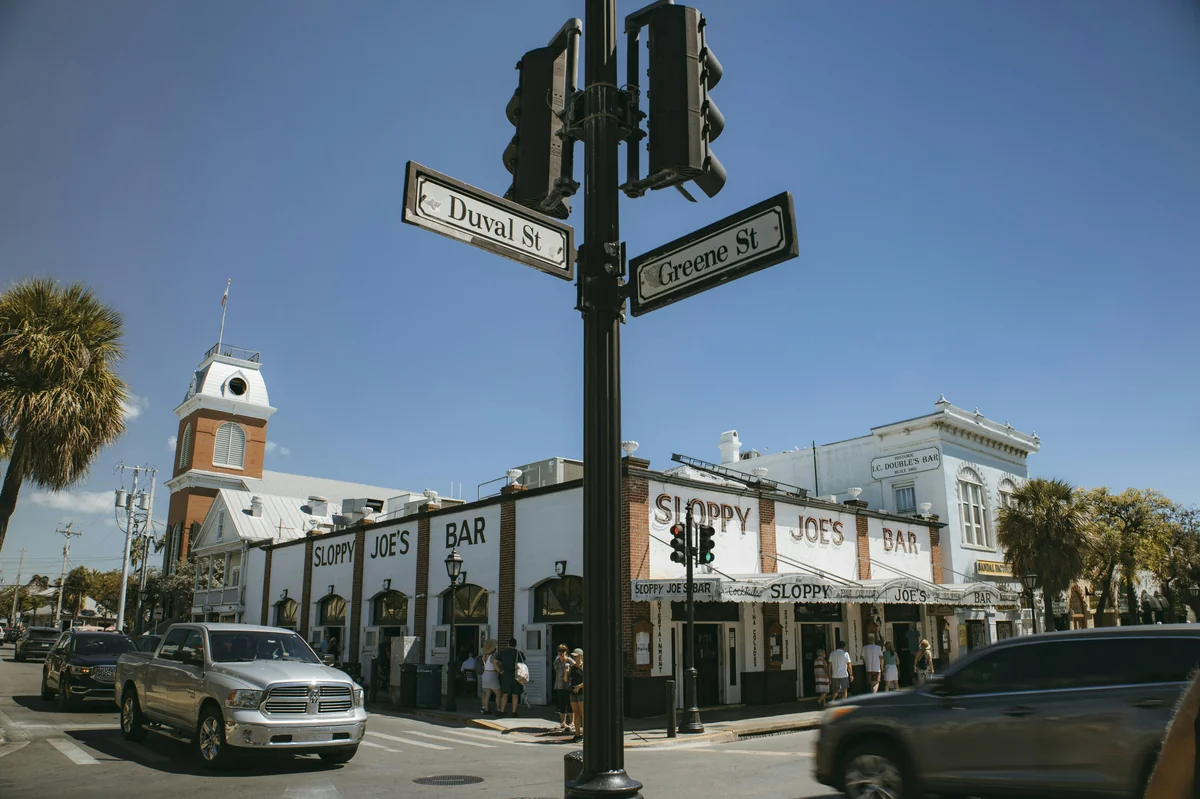
Is Duval Street safe at night?
Duval Street is busy, well lit and crowded until late, which works in its favor. The risks on Duval after dark are the risks of any party street: people who have had too much to drink, the occasional fight, pickpockets in a packed crowd, and your own judgment after the fourth round. Keep your phone in a front pocket, watch your drink, settle up before you leave a bar, and leave if a place feels tense. Walk back with someone if you can, or take a taxi or rideshare, especially if you are staying beyond the Old Town core. Our Key West nightlife guide and Duval Street bars guide cover the scene itself.
Are there areas to avoid?
There are no official crime figures broken down by Key West neighborhood that would justify calling any part of the island off-limits, and you will hear plenty of local opinion that is out of date or unfair. The sensible rules are the same everywhere: stick to busy, lit streets late at night, don’t walk alone along empty beaches or parks after dark, and don’t flash cash or expensive gear. Old Town is where most visitors spend their evenings, and it stays lively late. Residential streets a few blocks away are quiet, which is lovely by day and simply dark at night. Our Key West neighborhoods guide describes each area and what it is like to stay there.
Simple habits that prevent most problems
- Lock the bike every time, to something solid, through the frame. Rental shops usually supply a lock; use it even outside a café.
- Take a beach kit, not a beach bag. A towel, sunscreen, water, a phone in a waterproof pouch and a card. Leave passports and spare cash in the hotel safe.
- Empty the car. If you drove down, leave nothing on the seats. Better still, park the car for the week and walk.
- Photograph rentals before you ride. Take pictures of any scooter, bike or kayak before you set off, so nobody can blame you for old scratches.
- Agree a meeting point. In crowds at Mallory Square or during a festival, phone signal can be slow. Pick a place to meet if you get separated.
Getting around safely
Key West’s streets were laid out long before cars, and they are narrow, busy and shared by drivers, cyclists, scooter riders, pedestrians, golf carts and the Conch Train. This, more than crime, is where visitors get hurt.

Bikes
Cycling is the classic way to see the island, and the City’s Car Free Key West program promotes bike lanes, multi-use paths and safe riding. Ride with traffic, not against it; use front and rear lights after dark; walk the bike on crowded sidewalks; and watch for car doors opening along parked rows. Riding home from the bars is where most bike falls happen, so if you have been drinking, walk the bike or leave it locked until morning.
Scooters
Scooters look easy and are not always. Many renters have never ridden one, the streets are unfamiliar, and sand, wet paint and rain on the road make corners slippery. If you have no experience on two powered wheels, rent a bike instead. If you do rent a scooter, wear the helmet, ride slowly in Old Town, stay out of the way of turning cars, and never ride after drinking. Our scooter rental guide covers the rules and the alternatives.
Driving and drinking
Florida’s legal limit for drivers is a blood alcohol concentration of 0.08 percent, and DUI enforcement is a routine part of policing in a town built around bars. The simplest answer is not to drive at all in Key West: walk, cycle sober, or use a taxi, rideshare or the island’s public transit. Our Key West transportation guide lists the options.
Hurricanes: how much should you worry?
The Atlantic hurricane season runs from June 1 to November 30. The National Hurricane Center puts the statistical peak at September 10, with most activity between mid-August and mid-October, and an average season produces 14 named storms, seven of them hurricanes and three of them major hurricanes. Most of those never come near the Keys. In any given week, even in September, the most likely outcome is that nothing happens. But when a storm does threaten, the Keys have a particular problem: the only road out is US 1, a single highway across dozens of bridges.
How evacuations work
Monroe County Emergency Management orders evacuations in phases, by zone, and Key West sits in Zone 1, which covers mile marker 0 to mile marker 6. Visitors are typically told to leave before residents, so the highway is clearer for the people who live there. During Hurricane Irma in 2017, the county issued a mandatory evacuation for all visitors on the morning of Wednesday, September 6, and for residents that night.
If you are in Key West when a storm threatens, follow the county’s instructions, not the weather forecast on your phone or advice from the bar. When visitors are ordered out, leave: rooms, restaurants and attractions close, and staying puts you and the people who would have to rescue you at risk. Monroe County runs an emergency alert system, Alert!Monroe, which sends evacuation notices by text and email; its sign-up page is on the county’s website, and the county also keeps an emergency information page for visitors.
What happened during Irma
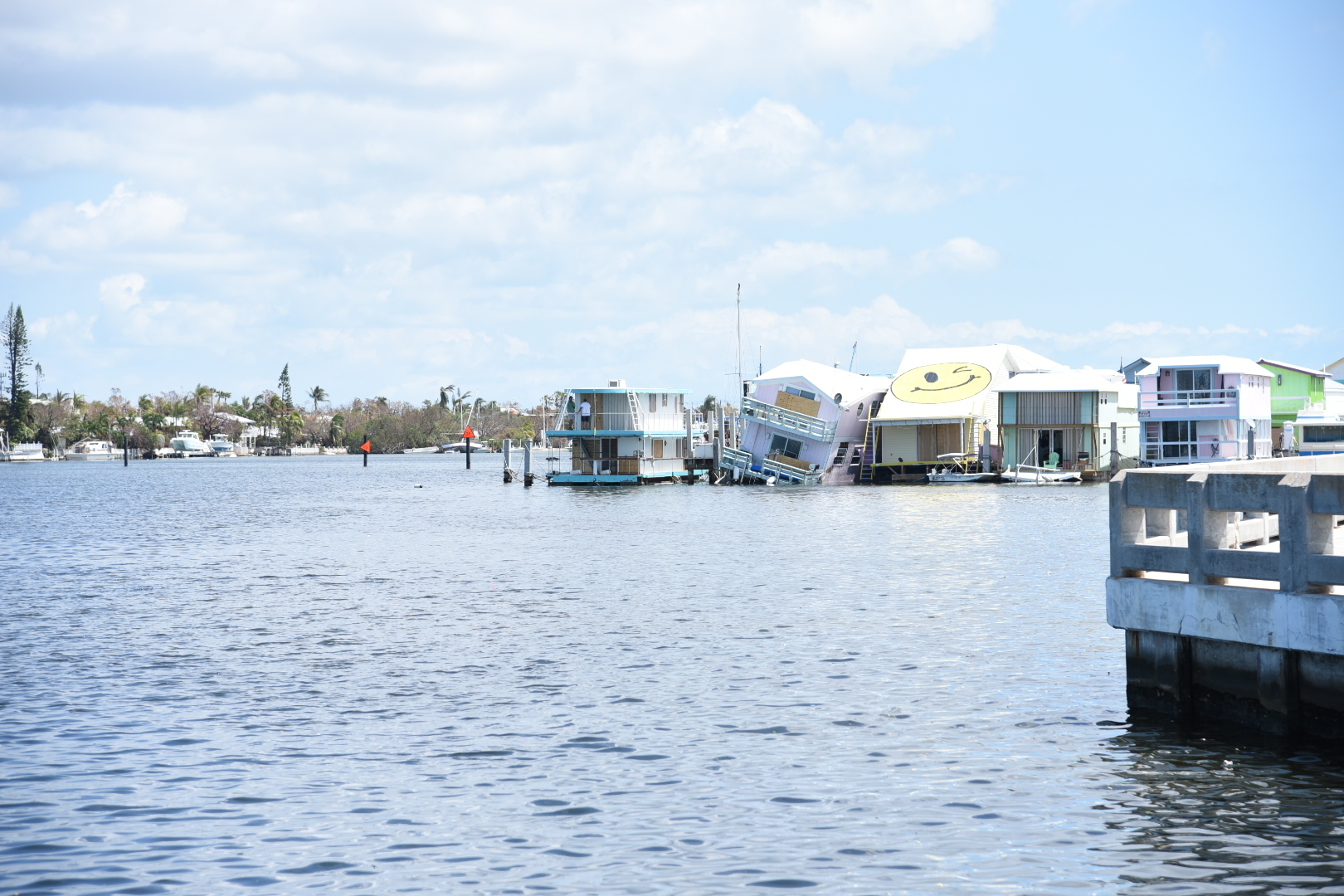
Hurricane Irma made landfall near Cudjoe Key, about 20 miles up the chain from Key West, as a Category 4 hurricane on September 10, 2017. The worst damage was in the Lower Keys around the landfall; Key West itself was battered but spared the worst of the storm surge, with the tide gauge in Key West peaking at 2.7 feet above the normal high-water level, according to the National Hurricane Center’s report on the storm. The county officially reopened the Keys to visitors on October 1, 2017, about three weeks after landfall.
That timeline is the real lesson for visitors. A hurricane does not have to hit Key West directly to end your trip: an evacuation order, a closed highway or weeks of recovery will do it. That is why travel in August, September and October needs flexible bookings.

Booking in hurricane season
- Book refundable rooms or check the hotel’s hurricane policy; many offer refunds or credit if a mandatory evacuation is ordered.
- Buy travel insurance that names hurricanes and evacuation orders, and buy it before a storm is named; policies generally won’t cover a storm that already exists.
- Watch the National Hurricane Center for the week before you go and every day you are there.
- Keep the tank at least half full if you drove down, so you can leave without queuing for fuel.
Our Key West weather guide explains the seasons, and the best time to visit Key West guide weighs the risk against the savings.

Water safety
The sea around Key West is generally calm. The reef offshore takes the force out of the waves, the beaches are shallow, and rip currents are much less of a feature than on Florida’s open Atlantic coast. That calm is part of the risk: people underestimate the water, swim further than they should, and get into trouble on a snorkel trip in deeper water a long way from shore.
Swimming at the beaches
Don’t assume a lifeguard is on duty at any Key West beach. Look for posted signs and warning flags at the beach you choose, swim near other people, and keep children within arm’s reach in the water. On the occasional windy day, the water can be choppy even at a sheltered beach. If a beach is closed or flagged, believe it. Our Key West beaches guide describes each beach.
Snorkeling
Most snorkel trips go to reefs several miles offshore in open water, which is a different environment from a hotel pool. A few habits keep it safe:
- Wear the vest. Reputable operators offer inflatable snorkel vests. Wear one, even if you are a strong swimmer; it lets you rest on the surface without effort.
- Be honest about your health. If you have a heart or lung condition, or you are unfit, tell the crew and stay close to the boat. Swimming against a current in a mask is harder work than it looks.
- Stay with a buddy and stay within the area the crew sets out.
- Get out if you feel unwell. Raise an arm and wave if you need help; the crew watches for it.
Our Key West snorkeling guide covers the trips and sites, and the water temperature guide explains when the water is cool enough to sap your energy.
Marine life
Most of what lives on the reef is harmless if you leave it alone. Don’t touch coral, which is fragile and can cut and sting; watch out for jellyfish and the occasional Portuguese man o’ war, especially after onshore winds; and shuffle your feet in the shallows so a resting stingray moves off rather than being trodden on. Sharks are part of any healthy reef, and bites are very rare: the Florida Museum’s International Shark Attack File counted 65 confirmed unprovoked bites worldwide in 2025. Avoid swimming at dawn, dusk or near people fishing, and you reduce an already tiny risk further.
Cuts, bacteria and water quality
The Florida Department of Health warns that Vibrio vulnificus, a bacterium that occurs naturally in warm, brackish seawater, can infect open wounds. Cover any fresh cut, new tattoo or recent surgical wound, or stay out of the sea until it heals, and get any wound that looks infected after a swim checked quickly. The department’s Healthy Beaches program also tests the water at public beaches in Monroe County for bacteria, and posts advisories when results are poor; check it after heavy rain. In summer, rotting sargassum seaweed on some shorelines gives off hydrogen sulfide, which can irritate eyes and airways, so people with asthma should avoid beaches where it has piled up. Our sargassum guide explains where and when.
On boats
Choose licensed operators, listen to the safety briefing, and know where the life jackets are. If you rent a boat or jet ski yourself, check the weather, carry water and sun protection, tell someone where you are going, and stay out of the channels used by bigger vessels. Alcohol and boats mix as badly as alcohol and cars. Our Key West boat tours guide covers the main kinds of trip.
Heat and sun
For a lot of visitors, the heat is the most serious hazard of the trip. From May to October, the combination of strong sun, high humidity and alcohol catches people out every day, and even in winter the sun is far stronger than most visitors from the north are used to.
- Drink water constantly, and a glass of water with every alcoholic drink.
- Plan around midday. Walk and sightsee in the morning and evening; spend the middle of the day in the shade, a museum or the pool.
- Cover up on the water. A rash guard and hat protect better than sunscreen alone, and spare the reef from the chemicals.
- Know the warning signs of heat exhaustion: heavy sweating, dizziness, nausea, headache. Get into the shade, cool down and drink water; call 911 if someone becomes confused or stops sweating.
- Check the National Weather Service in Key West for heat advisories before a long day outdoors.
Health and emergencies
Save these numbers before you arrive.
| Who | Contact | Notes |
|---|---|---|
| Police, fire, ambulance | 911 | For any emergency |
| Key West Police Department | 305-809-1111 | 1604 North Roosevelt Boulevard |
| Monroe County Sheriff’s Office (non-emergency) | 305-289-2371 | For incidents outside the city |
| Lower Keys Medical Center | 305-294-5531 | 5900 College Road, Stock Island; emergency department |
| Poison Control | 1-800-222-1222 | Including marine stings and bites |
| National Weather Service, Key West | 305-294-1122 | Local forecasts and warnings |
Lower Keys Medical Center on Stock Island, just across the bridge from Key West, runs the island’s hospital emergency department. For minor problems, walk-in clinics and pharmacies in town are quicker. Bring enough of any prescription medicine to last the trip, plus a few days in case your return is delayed by weather.
Key West’s water comes from the Florida Keys Aqueduct Authority, which publishes its annual water quality report on its website if you want to read it before you drink from the tap.
Safety for different kinds of travelers
Solo travelers
Key West is an easy and sociable place to travel alone. The usual city rules apply: tell someone your plans, keep your phone charged, watch your drink in bars, and take a taxi or rideshare rather than walking alone late at night to a quiet part of the island. Group activities such as snorkel trips, walking tours and sunset sails are good ways to meet people. Our solo travel guide has more.
Women traveling alone
The same advice holds, with the extra caution any woman uses in a party district: keep an eye on your drink, don’t accept rides from strangers, and trust your instincts if someone’s attention becomes unwelcome. Bar staff in Key West are used to stepping in; ask them for help if you need it.
LGBTQ travelers
Key West has been one of America’s best-known LGBTQ destinations for decades, and its well-known motto is “One Human Family.” Same-sex couples holding hands on Duval Street are a common sight. Our Key West Pride guide covers the June festival.
Families
Key West is safer and more family-friendly than its party reputation suggests, provided you plan around the late-night Duval Street scene and Fantasy Fest week in October. The main family risks are heat, sun and water: keep children close at the beach, put them in snorkel vests, and schedule the midday hours indoors. Our Key West with kids and Key West with toddlers guides cover the details.
The honest verdict
Key West is a safe destination for a sensible visitor. The crime that exists is mostly the opportunistic kind that a lock and a little attention prevent, and the 2024 figures reported by Keys Weekly showed it falling. The real dangers are the ones people don’t plan for: the sun at noon, the open water on a snorkel trip, the scooter on a wet corner, the fifth drink, and the hurricane that forms in the week you booked. Plan for those, and the island will give you very little to worry about. For the rest of the practical questions first-timers ask, our Key West travel questions guide answers 30 of them.
Frequently Asked Questions
Is Key West safe at night?
The busy, lit streets of Old Town, including Duval Street, are generally safe at night, though crowded and loud. Take normal precautions: watch your drink, keep valuables out of sight, and take a taxi or rideshare rather than walking alone to a quiet part of the island late at night.
Is Key West safe for solo female travelers?
Yes, with the same common sense you would use in any nightlife district. Watch your drink, tell someone your plans, and use a taxi or rideshare late at night. Bar staff are used to helping if anyone becomes a nuisance.
Is Duval Street safe?
Duval Street is one of the better places to be out late in Key West simply because it is so busy. The problems there are the ones alcohol brings: pickpockets in crowds, arguments and people’s own judgment. Stay aware, and leave any bar that feels tense.
Is it safe to swim in Key West?
Generally yes. The beaches are calm and shallow because the reef offshore breaks the waves. Don’t assume there is a lifeguard, obey any posted flags, cover open wounds, and wear a snorkel vest on reef trips.
Is Key West safe during hurricane season?
Most weeks of hurricane season pass without a storm, but when one threatens, Monroe County typically orders visitors out first. Between June 1 and November 30, book refundable rooms, buy travel insurance before a storm forms, and follow the county’s instructions if an evacuation is ordered.
Are there sharks in Key West?
Yes, as on any healthy reef, but bites are very rare. The International Shark Attack File counted 65 confirmed unprovoked bites worldwide in 2025. Avoid swimming at dawn and dusk and near people fishing.
What is the crime rate in Key West?
According to figures reported by Keys Weekly in February 2025, Key West’s violent crime fell 25 percent in 2024 and overall crime fell 10.5 percent. Because the island’s population swells with visitors, per-resident crime rates overstate the risk to any one visitor. FDLE publishes the state’s official figures.
What number do I call in an emergency?
Call 911 for police, fire or ambulance. The Key West Police Department’s main number is 305-809-1111, and Lower Keys Medical Center on Stock Island is 305-294-5531.
Related Key West Guides
- Key West Questions Answered: 30 Things First-Timers Ask
- Key West Weather Guide
- Key West Neighborhoods
- Key West Travel Tips
- Key West Nightlife
- Key West Water Temperature by Month
Photo Credits
Houseboats after Hurricane Irma: A house boat sits half capsized in it’s mooring, Key West, Florida, Sept. 15, 2017 by Petty Officer 2nd Class Dustin R. Williams, Public domain, via Wikimedia Commons.
Hurricane limerick at the Half Shell Raw Bar: Limerick at the Half Shell Raw Bar during evacuation for Hurricane Ivan- Key West, Florida (3660286114) by State Library and Archives of Florida, Public domain, via Wikimedia Commons.
Duval Street at night (featured image): Key West 2008 (2337750153) by CedarBendDrive from USA, CC BY 2.0, via Wikimedia Commons.
Sources & corrections
Rates, hours and closures verified against operator listings and on-island visits. Prices are peak-season unless noted.