Author: keywestvacationcenter_kj4vp3

  • Key West Fishing Guide: Charters, Species, and Seasons

    Key West Fishing Guide: Charters, Species, and Seasons

    Quick takeaways

    • Key West is one of the few places on earth where you can chase blue-water gamefish, stalk the flats, and bottom-fish the reef all in the same trip.
    • The Gulf Stream runs close to shore, so offshore species like mahi, sailfish, and tuna are within reach of a single day’s run.
    • The flats are the island’s crown jewel — sight-casting to bonefish, permit, and tarpon (the “grand slam”) on light tackle.
    • Private charters run roughly $600–$900 for a half day; a spot on a shared party boat starts around $60–$75.
    • Charter and party boats cover your license; independent anglers need a Florida saltwater fishing license.

    Ask serious anglers to name the best fishing town in America and Key West comes up every time. The reason is geography: this little island sits where the shallow backcountry flats, the coral reef, and the deep blue water of the Gulf Stream all crowd together within a few miles of the docks. That means you can sight-cast to a tailing permit at dawn and be fighting a mahi in 600 feet of water by lunch. Whether you’re a first-timer who wants to reel in dinner or a fly angler chasing a bucket-list tarpon, here’s how fishing in Key West actually works — the styles, the seasons, the costs, and how to book the right boat.

    Offshore fishing charter boat running in blue water off Key West Florida
    The Gulf Stream runs close to Key West, putting blue-water gamefish within a day’s reach.

    Deep sea fishing: the blue water

    Offshore, or “deep sea,” fishing is the big-game experience most visitors picture. Boats run out to the edge of the reef and into the Gulf Stream, where the water turns cobalt and the trophies live. The headliners are mahi-mahi (dolphinfish — acrobatic, delicious, and a spring-summer staple), sailfish (the winter prize, all speed and spectacle), blackfin and yellowfin tuna, wahoo, and kingfish. In the warmer months, the truly ambitious chase blue and white marlin. Trips are typically full days, since it takes time to reach the blue water and work it, and the payoff is fast, powerful fish and often a cooler full of some of the best eating in the ocean. Our deep sea fishing guide digs into the boats and the tactics.
    Angler holding a bright green and yellow mahi-mahi caught off Key West
    Mahi-mahi are the acrobatic, great-eating staple of spring and summer offshore trips.

    Flats fishing: the island’s crown jewel

    If deep sea is about power, flats fishing is about finesse — and for many anglers it’s the whole reason to come to Key West. On the shallow backcountry flats, a guide poles a small skiff silently across inches of water while you scan for fish and cast to them by sight. The targets are the “flats grand slam”: the bonefish (the gray ghost, blisteringly fast), the permit (notoriously fussy and the ultimate prize), and the tarpon (see below). It’s hunting as much as fishing — a game of stealth, sharp eyes, and a well-placed cast — and landing any one of the three is an accomplishment. The Lower Keys flats are among the most famous fisheries in the world for exactly this. Our flats fishing guide covers what to expect and how to prepare.
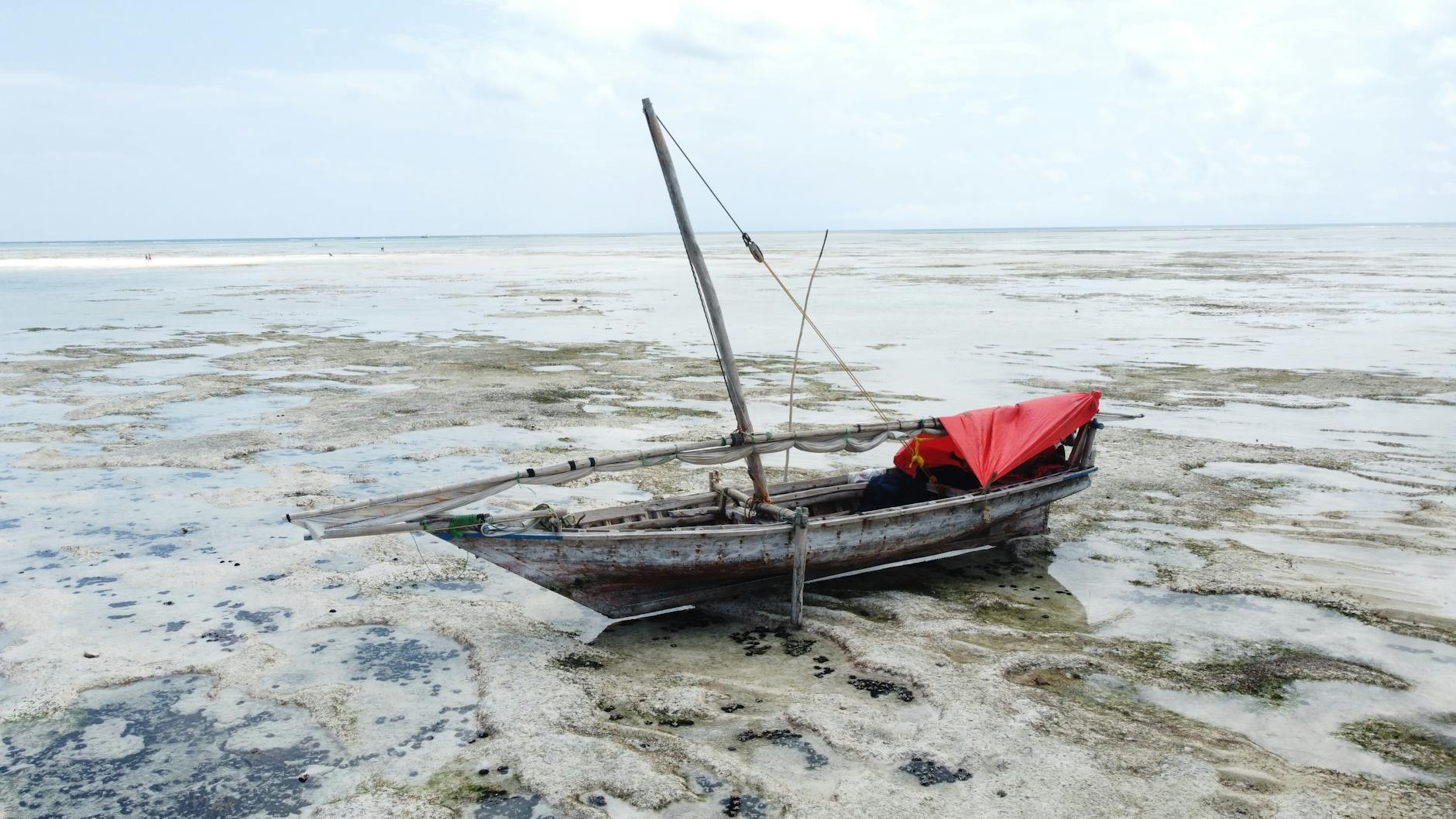
    Flats skiff poling across shallow turquoise backcountry water near Key West
    On the flats, a guide poles you across inches of water to sight-cast to cruising fish.

    Tarpon: the silver king

    Tarpon deserve their own section. These prehistoric giants — commonly 80 to 150 pounds — migrate through Key West’s channels, bridges, and harbor in enormous numbers, with the spring run from roughly April through June being the stuff of legend. Hooking one is chaos: they explode from the water, cartwheel, and run, and simply keeping one on the line is a battle. They’re almost always released (they’re not good eating and are protected), so this is pure sport — the fight is the whole point. Chasing the silver king off Key West is a bucket-list experience for anglers worldwide, and spring is when the town fills with people who’ve come to do exactly that.

    Reef and wreck fishing: bottom fishing

    Between the flats and the deep water lies the reef, and bottom fishing over it is the most productive, family-friendly way to fill a cooler. Dropping baits over the coral and the wrecks brings up yellowtail snapper (the local favorite for the table), mutton snapper, grouper, amberjack, and cero mackerel. The action is steady, the water is calmer than offshore, and you’re almost guaranteed to catch something — which makes it the ideal choice for kids, beginners, or anyone whose main goal is a fresh-fish dinner. Many Key West restaurants will even cook your catch, a nice full-circle end to the day; see our restaurants guide for the “hook and cook” spots.

    Party boats: fishing on a budget

    You don’t need to charter a private boat to fish Key West. Party boats — also called head boats — take groups out to the reef for a set price per person, providing rods, bait, and instruction. At around $60–$75 for a half day, they’re by far the most affordable way onto the water, and they’re a genuinely fun, social, low-pressure introduction to fishing. You won’t get the personalized experience or the trophy targets of a private charter, but for a family or a first-timer who just wants to reel in some snapper and enjoy a few hours at sea, a party boat is hard to beat.

    Fly fishing

    Key West is hallowed ground for fly anglers. The same flats that make light-tackle fishing special are a world-class fly fishery, and casting a fly to a tailing bonefish or a cruising tarpon is the pinnacle of the sport for many. It’s demanding — the wind, the spooky fish, and the need for an accurate cast all conspire against you — so it rewards preparation and a good guide. If you’ve dreamed of a saltwater flats grand slam on the fly, this is one of the few places on the planet to chase it.
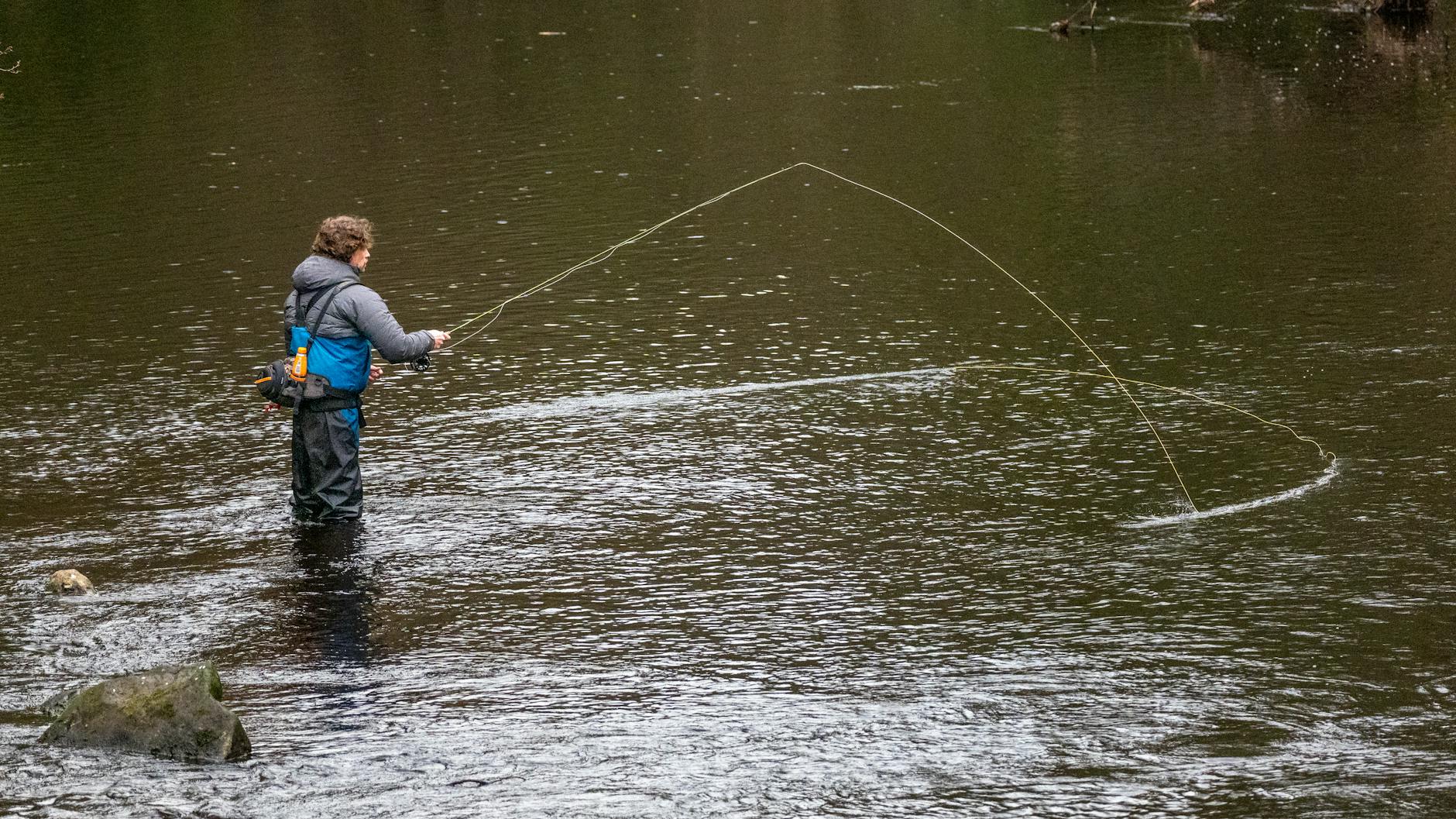
    Fly angler casting on the flats at sunrise near Key West Florida
    The Lower Keys flats are among the world’s great fly-fishing destinations.

    Key West fishing seasons, month by month

    Something bites year-round in Key West, but the targets shift with the calendar. A rough guide:

    • Winter (Dec–Feb): Prime sailfish season offshore; excellent reef fishing for snapper and grouper; kingfish and cobia around.
    • Spring (Mar–May): The famous tarpon run builds; permit fishing peaks on the flats; mahi and blackfin tuna start offshore. Many consider spring the best all-around fishing of the year.
    • Summer (Jun–Aug): Peak mahi-mahi and marlin offshore; strong tarpon early in the season; hot, calm mornings ideal for early starts.
    • Fall (Sep–Nov): Excellent bottom fishing, migrating mackerel and blackfin tuna, and the fewest crowds — a quietly great time to fish.

    Because seasons overlap and the fishery is so varied, almost any week offers a good option — the key is matching your target to the calendar, which a good captain will help you do.

    Choosing the right charter

    Picking the right boat is the most important decision you’ll make. Start with what you want: a trophy offshore fish, a shot at a flats grand slam, or a cooler of snapper for dinner. That answer points you to an offshore boat, a flats skiff, or a reef trip, respectively — they’re different boats with different captains. From there, read recent reviews, confirm what’s included (rods, bait, license, fish cleaning, drinks), and ask about the captain’s specialty. A half-day private charter typically runs $600–$900 and a full offshore day $1,000–$1,600 or more, while flats guides charge roughly $500–$700 for a half day. Book directly when you can, and be clear about your experience level so the captain can set the right expectations. Fishing pairs naturally with the island’s other water activities — see our water sports guide if you want to mix in snorkeling or a sunset sail.
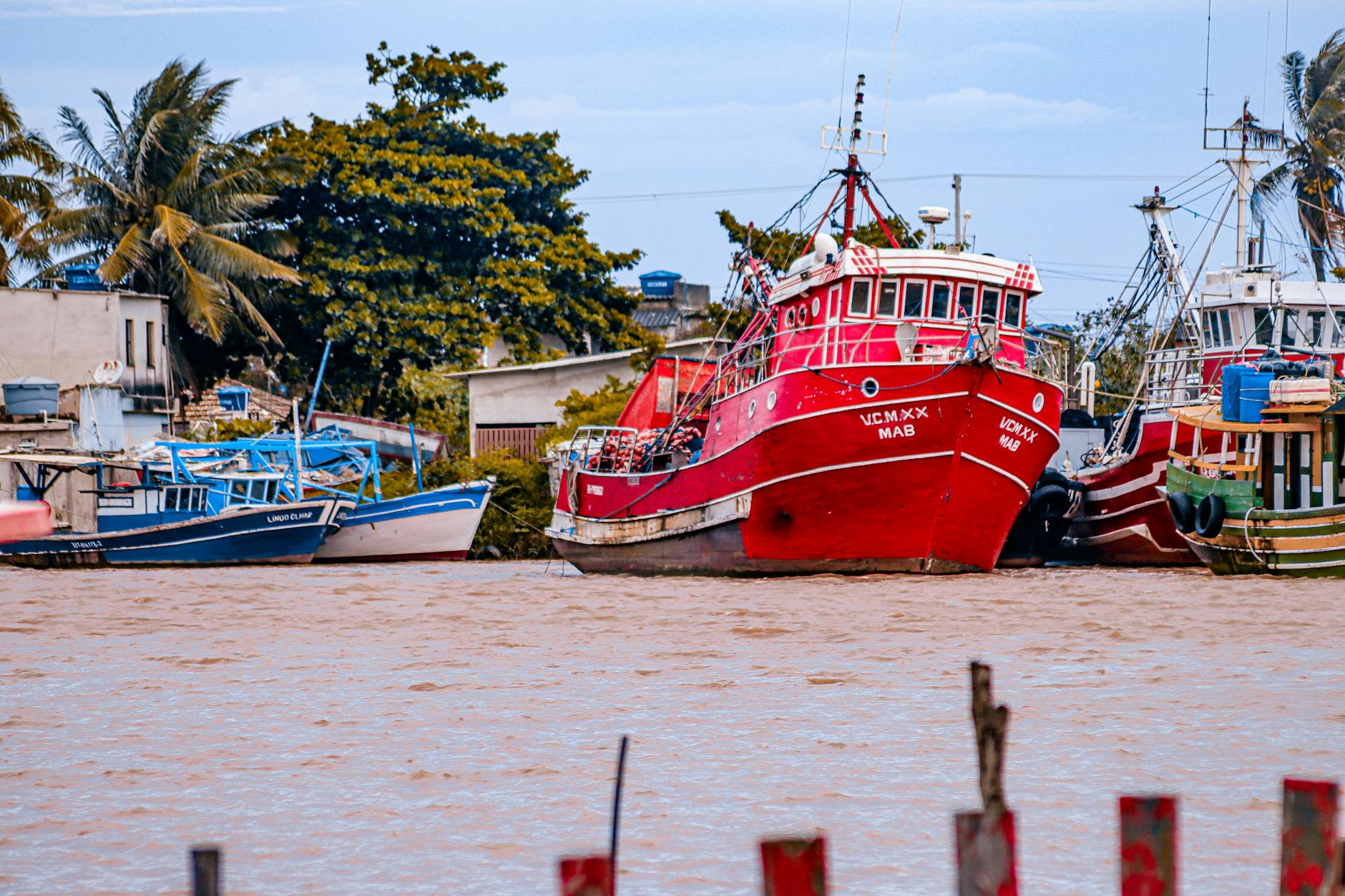
    Fishing charter boats lined up at a Key West marina at dawn
    Match the boat to your goal: offshore, flats, or reef are different trips with different captains.

    Tournaments and competitions

    Fishing is woven into Key West’s event calendar. The island hosts tournaments nearly year-round — sailfish and dolphin tournaments, tarpon events in spring, and the long-running Key West Fishing Tournament that anyone can enter — drawing serious anglers and big crowds. If you’re timing a trip around the competitive scene, our events and festivals guide has the calendar; even as a spectator, watching the boats weigh in at the docks is a great way to spend an afternoon.

    Licenses, regulations, and keeping your catch

    The rules are straightforward. If you fish aboard a licensed charter or party boat, you’re covered by the vessel’s license — no separate paperwork needed. If you fish on your own (from shore, a bridge, or a rented boat), you’ll need a Florida saltwater fishing license, easily bought online. Beyond that, Florida’s FWC sets size and bag limits and seasonal closures for many species (grouper and some snapper have closed seasons, for instance), and your captain will know and follow them. You can absolutely keep and eat legal catch within the limits — snapper, mahi, and tuna are superb on the plate — while flats species and tarpon are catch-and-release. When in doubt, ask your guide; keeping the fishery healthy is how it stays this good.

    Practical tips for your trip

    A few things that make a fishing day better: book early, especially for winter and the spring tarpon run, when the best captains fill up weeks ahead. Bring sunscreen, a hat, polarized sunglasses (essential for spotting fish on the flats), a light rain jacket, and soft-soled shoes; the boat provides the gear. Take seasickness precautions before an offshore trip if you’re prone to it — the Gulf Stream can be bumpy. Tip your mate 15–20% for a good trip. And start early — dawn is often the best bite and the calmest water. New to all this? A reef or party-boat trip is the gentlest introduction; the flats and offshore reward a bit more commitment. Fold a fishing day into the broader plan with our vacation planning guide.

    What makes Key West fishing world-class

    Plenty of places have good fishing; very few have Key West’s range. The thing that sets the island apart is that three completely different fisheries sit within a short run of the docks. To the south and east, the coral reef and the Gulf Stream deliver blue-water gamefish. To the north and west, a vast maze of shallow flats and mangrove-fringed backcountry islands — much of it protected within the Great White Heron and Key West National Wildlife Refuges — offers world-renowned sight fishing. Almost nowhere else can you realistically fish all of it in a single trip, switching from a fly rod on the flats one morning to heavy tackle offshore the next. Add a deep bench of experienced, specialized captains and a fishery that stays productive twelve months a year, and you have a destination anglers plan entire vacations around.

    It’s also a remarkably democratic fishery. You don’t have to be an expert or spend a fortune to enjoy it — a $65 seat on a party boat can produce a cooler of snapper and a great morning, while a five-figure quiver of fly gear and a specialist guide can chase a permit that’s eluded anglers for a lifetime. The island has a version of fishing for everyone, which is a big part of why it draws such a devoted, repeat crowd.
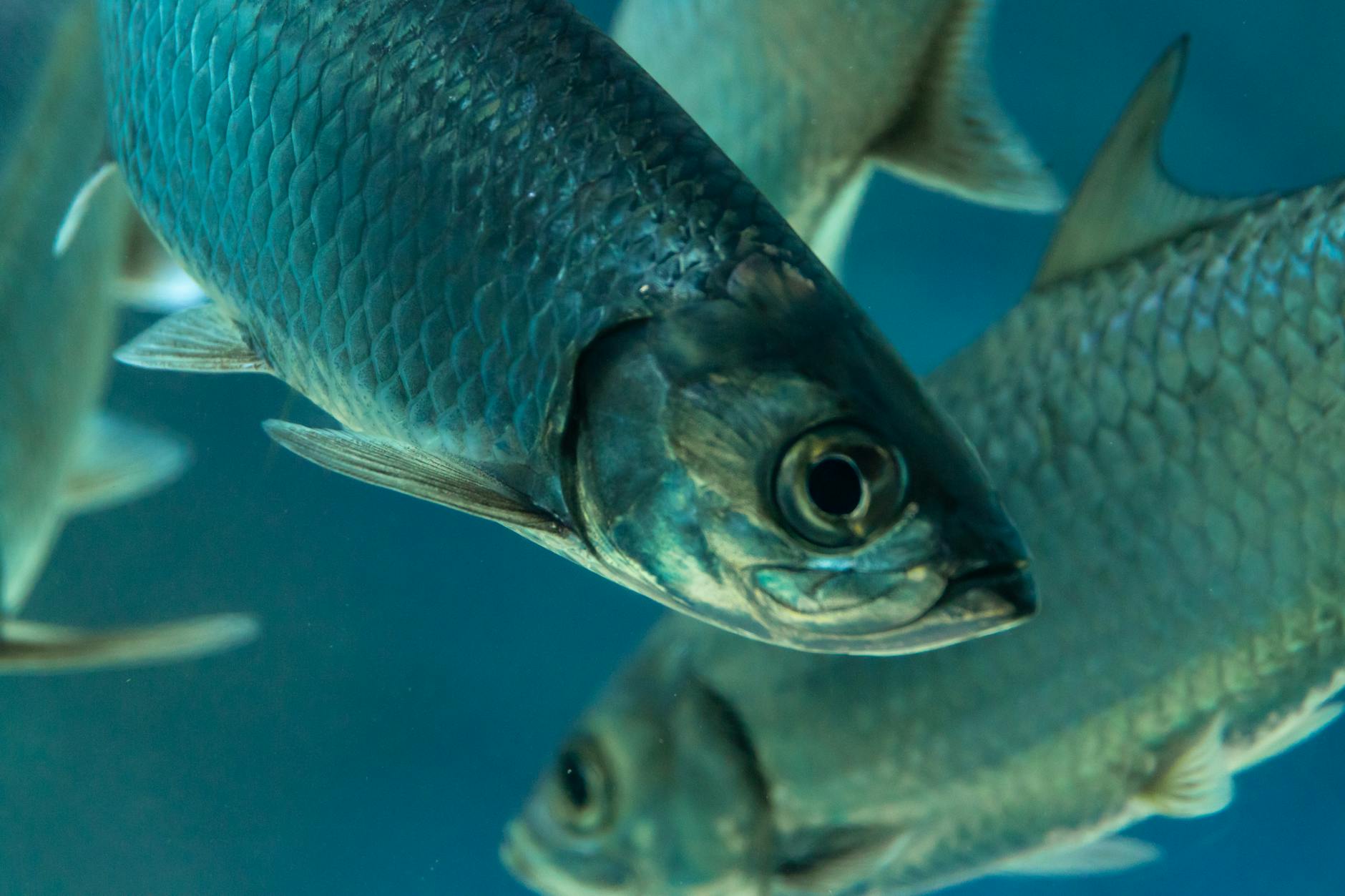
    A large tarpon leaping from the water on a Key West fishing charter
    The spring tarpon run draws anglers from around the world to Key West’s channels and bridges.

    Backcountry fishing

    Closely related to the flats but distinct from them, backcountry fishing works the labyrinth of mangrove islands, channels, and basins on the Gulf side of the Keys. It’s more sheltered than the open flats — a good option on windy days — and the targets are different: snook and redfish tucked against the mangroves, seatrout over the grass, jack crevalle and ladyfish for nonstop action, and sharks for anglers who want a serious tug. It’s scenic, wildlife-rich fishing — you’ll share the water with herons, ospreys, and the occasional dolphin — and it’s forgiving enough for families while still engaging experienced anglers. For many visitors, a backcountry half-day is the perfect middle ground between the technical flats and the roll of the open ocean.
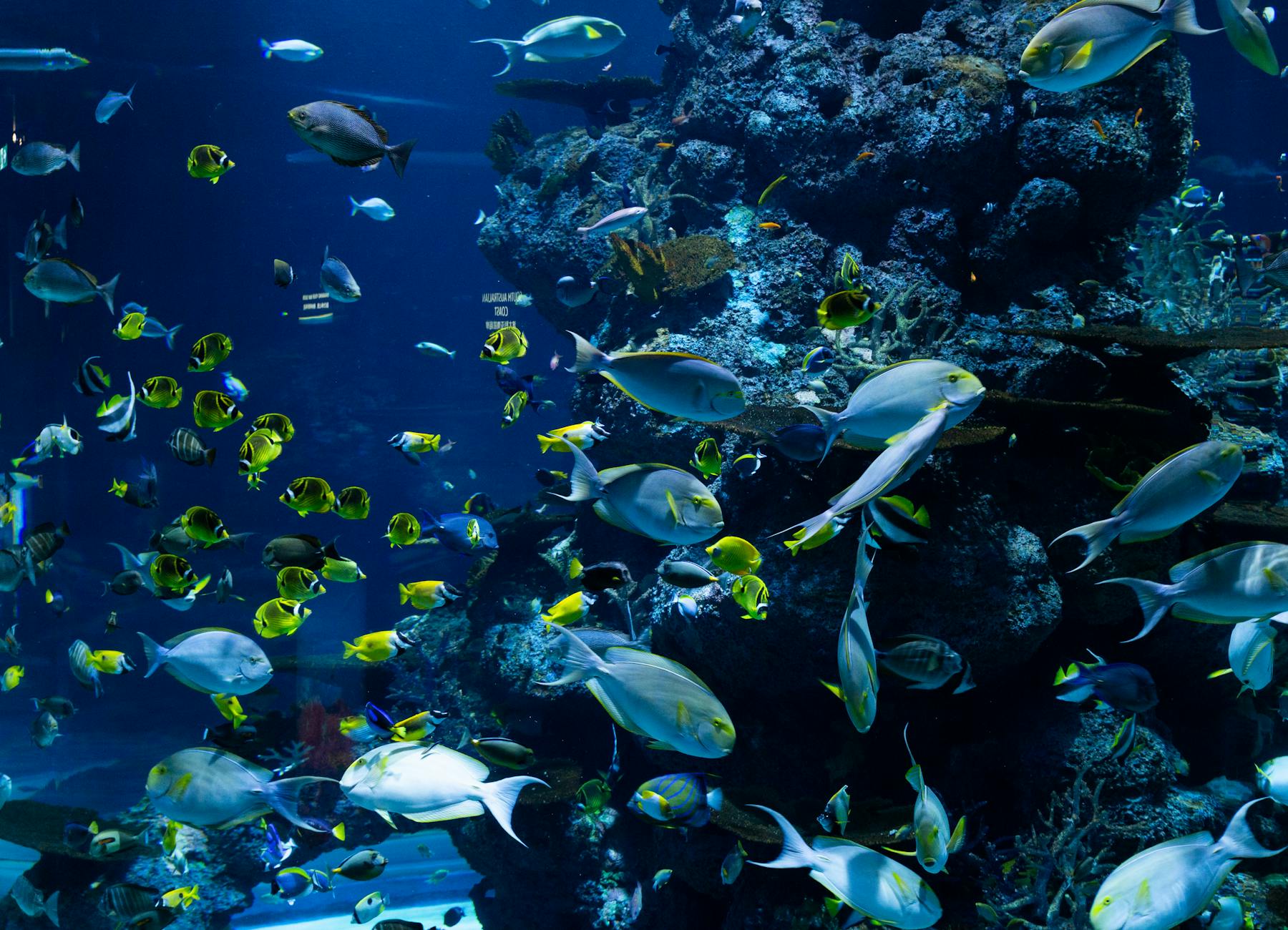
    Colorful yellowtail snapper and reef fish caught near Key West
    Reef bottom fishing is the reliable path to a fresh-snapper dinner.

    A first-timer’s day on the water

    If you’ve never fished before, here’s what to expect from a typical reef or backcountry half-day, the easiest way in. You’ll meet the boat at the marina early — usually around 7 or 8 a.m., when the water is calm and the bite is on — and the captain and mate will handle everything: running to the spots, rigging the rods, baiting the hooks, and coaching you through each hookup. Your job is mostly to reel when a fish is on and enjoy the ride. Over four hours you’ll likely land a mix of snapper and other reef fish, take in the scenery, and come back with both stories and, often, dinner. It’s a low-stress, high-reward morning that turns fishing skeptics into converts more often than not — and a wonderful thing to do with kids, as our things to do guide notes among the island’s family-friendly adventures.

    Frequently asked questions

    What is the best time of year for Key West fishing?

    Something bites year-round, but spring (March–May) is the best all-around, with the tarpon run, peak permit, and mahi starting offshore. Winter is prime for sailfish, and summer for mahi and marlin.

    How much does a Key West fishing charter cost?

    A private half-day charter runs roughly $600–$900, and a full offshore day $1,000–$1,600 or more. Flats guides charge about $500–$700 for a half day, while a shared party-boat spot starts around $60–$75.

    Do I need a fishing license to fish in Key West?

    Not if you fish on a licensed charter or party boat — you’re covered by the vessel’s license. If you fish independently from shore, a bridge, or a rented boat, you need a Florida saltwater fishing license.

    What fish can I catch in Key West?

    Offshore: mahi-mahi, sailfish, tuna, wahoo, and marlin. On the flats: bonefish, permit, and tarpon. On the reef: yellowtail and mutton snapper, grouper, and amberjack. The variety is Key West’s calling card.

    Is Key West fishing good for beginners?

    Very. Reef bottom fishing and party boats are ideal for first-timers and kids — steady action, calm water, and provided gear and instruction. Flats and offshore fishing are more specialized but still accessible with a good guide.

    Can I keep the fish I catch?

    Yes, within Florida’s size and bag limits — snapper, mahi, and tuna are excellent eating, and charters will clean your catch. Some restaurants will cook it for you. Tarpon and flats species are catch-and-release.

    What should I bring on a fishing charter?

    Sunscreen, a hat, polarized sunglasses, a light rain layer, soft-soled shoes, and any seasickness medication you might need. The boat supplies rods, bait, and tackle; bring your own snacks and drinks unless told otherwise.

    How far in advance should I book?

    For winter and the spring tarpon season, book several weeks ahead — the top captains sell out. In the off-season you can often book just a few days out.
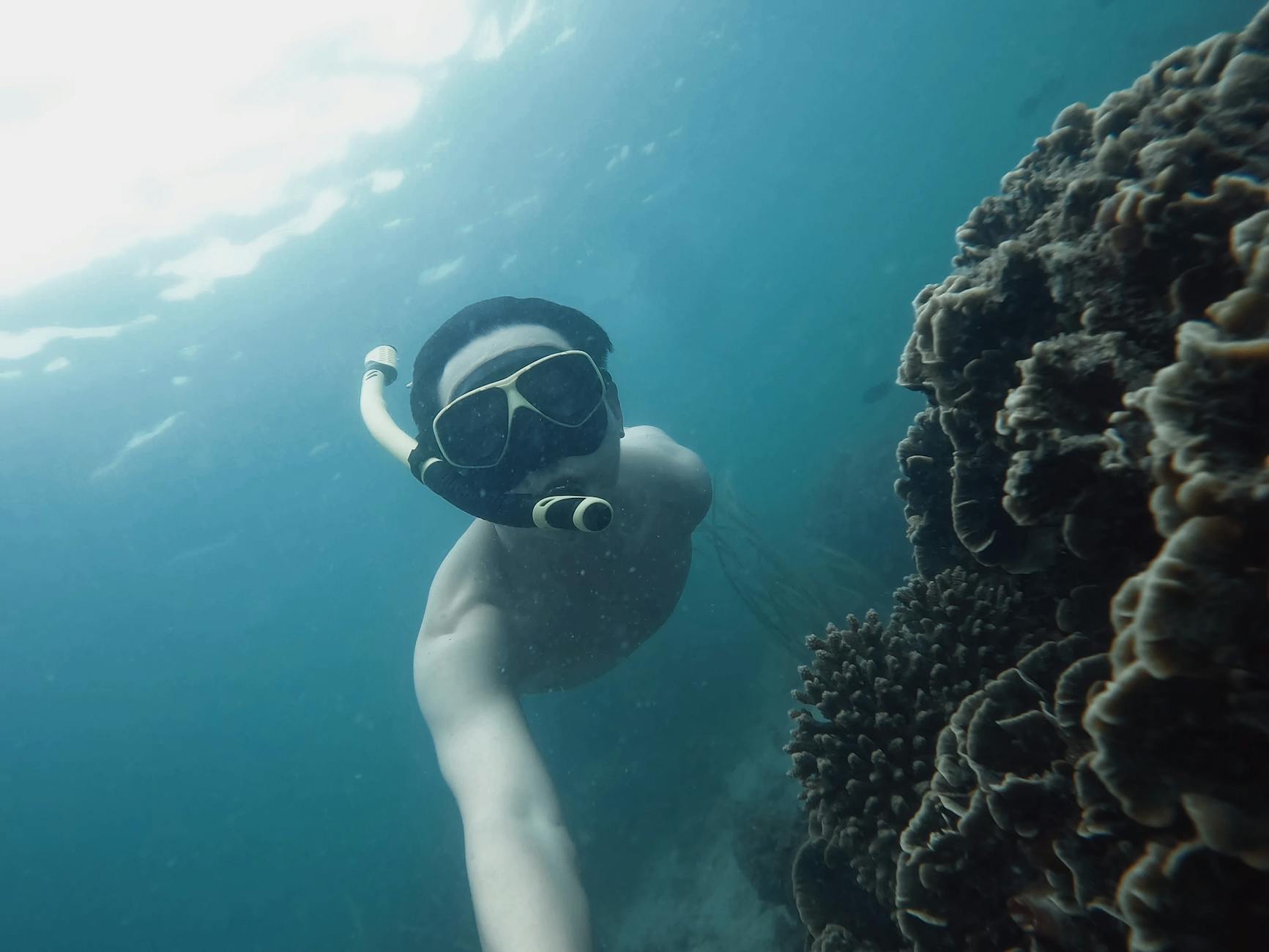
  • Key West Water Sports and Activities: Complete Guide

    Key West Water Sports and Activities: Complete Guide

    Quick takeaways

    • Key West sits beside the only living coral barrier reef in the continental U.S., which makes the water the main event — not the beaches.
    • Snorkeling and diving are the headliners; the Vandenberg wreck is a world-class dive, and the reef is shallow enough for beginners.
    • Prices run roughly $45–$80 for a half-day snorkel or sunset sail, $100–$150 for a two-tank dive, and $50–$70 for parasailing.
    • The water stays warm year-round (70–88°F); winter is a touch cooler and windier, summer calm and bathtub-warm.
    • Book popular trips a day or two ahead in season, and always use reef-safe sunscreen — it’s required to protect the reef.

    You can have a wonderful time in Key West without ever getting wet — but you’d be missing the point. This is an island wrapped in warm, clear, shallow water and set beside a 170-mile living reef, and just about everything the ocean can offer happens within a few miles of the docks. Snorkel a coral garden in the morning, fly under a parasail after lunch, and toast the sunset from a schooner the same evening. Here’s the full menu of Key West water sports, what each one actually costs, when to do it, and how to pick the right trip.

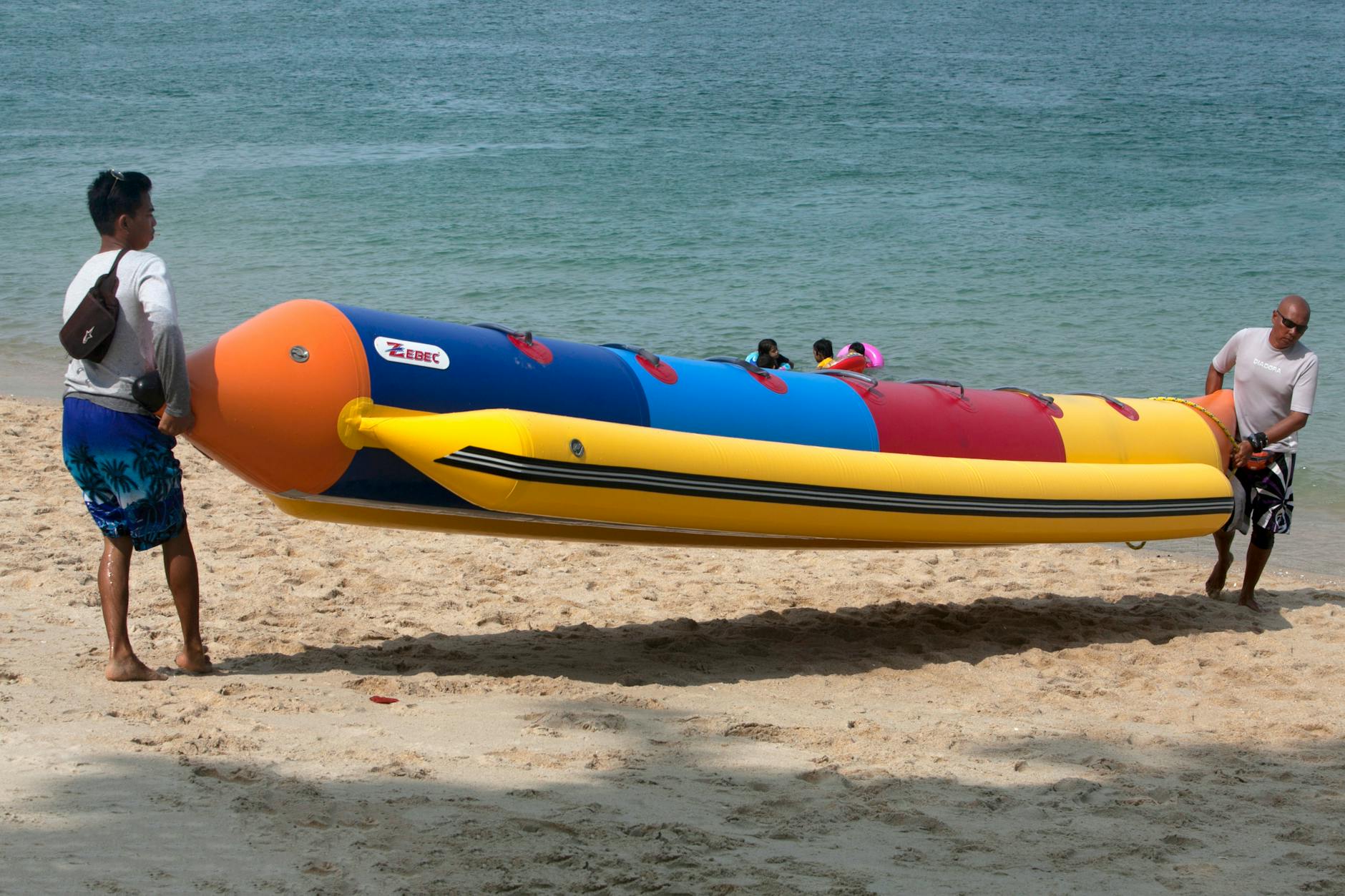
    People enjoying water sports in the clear water off a Key West beach
    Warm, clear, shallow water makes Key West a natural playground for every kind of ocean activity.

    Snorkeling: the one to prioritize

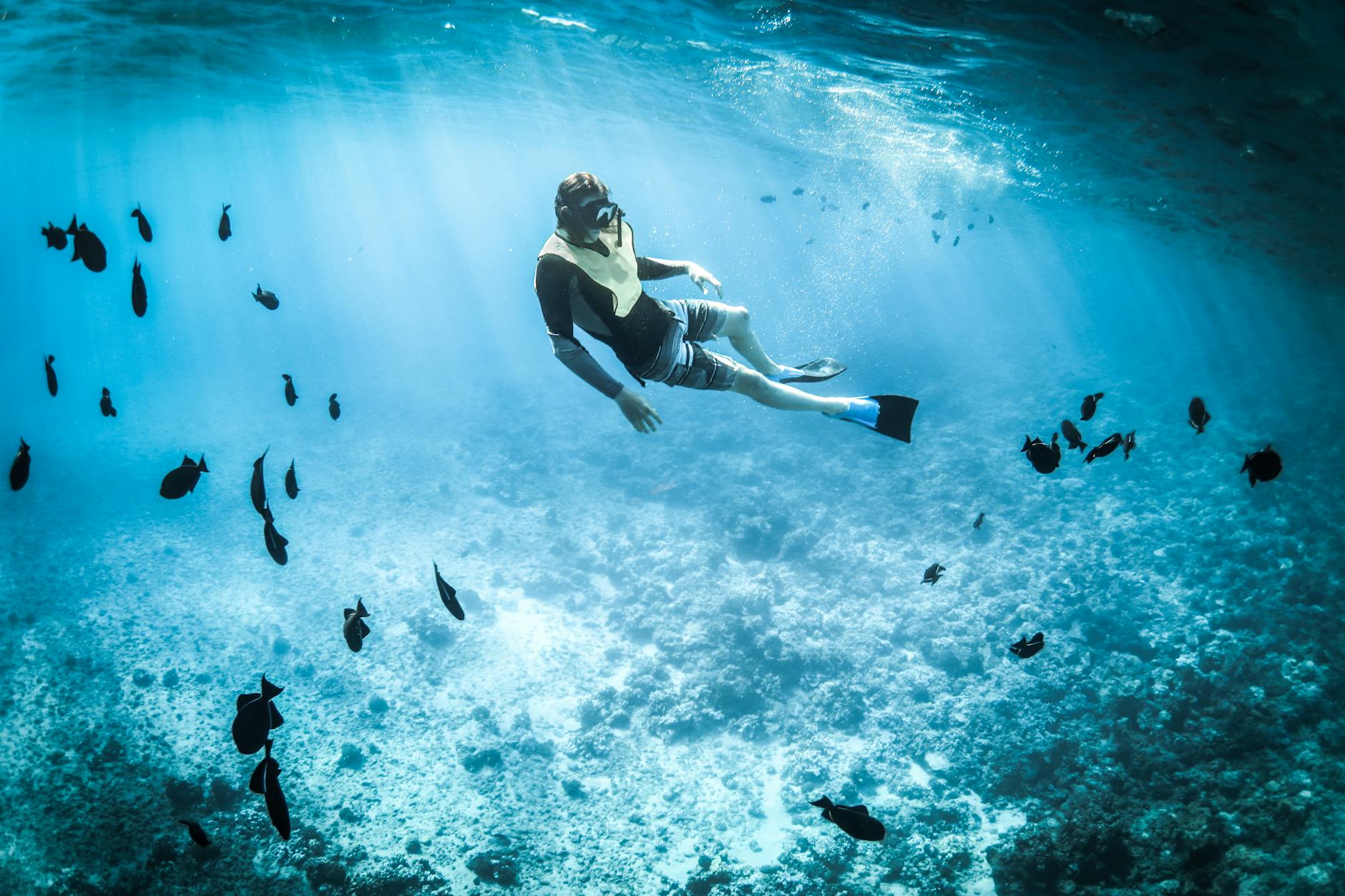
    If you do a single water activity in Key West, make it snorkeling. The reef here is the third-largest barrier reef on the planet and, crucially, it’s shallow — much of it sits in 5 to 30 feet of water, so you don’t need to dive to see it. Half-day catamaran trips run out to sites like Sand Key and the Western Sambo Ecological Reserve, where you’ll drift over coral heads while parrotfish, snapper, sea turtles, and rays go about their day. Trips typically cost $45–$80 and include gear, instruction, and drinks; many turn into a party on the sail back.

    Prefer to snorkel from shore? Fort Zachary Taylor is the best beach for it, with rocks and old pilings that hold plenty of fish. But the truly spectacular stuff — vivid coral, big turtles, the occasional nurse shark — is out on the reef, and it’s worth the boat ride. Our snorkeling guide breaks down every site and operator.

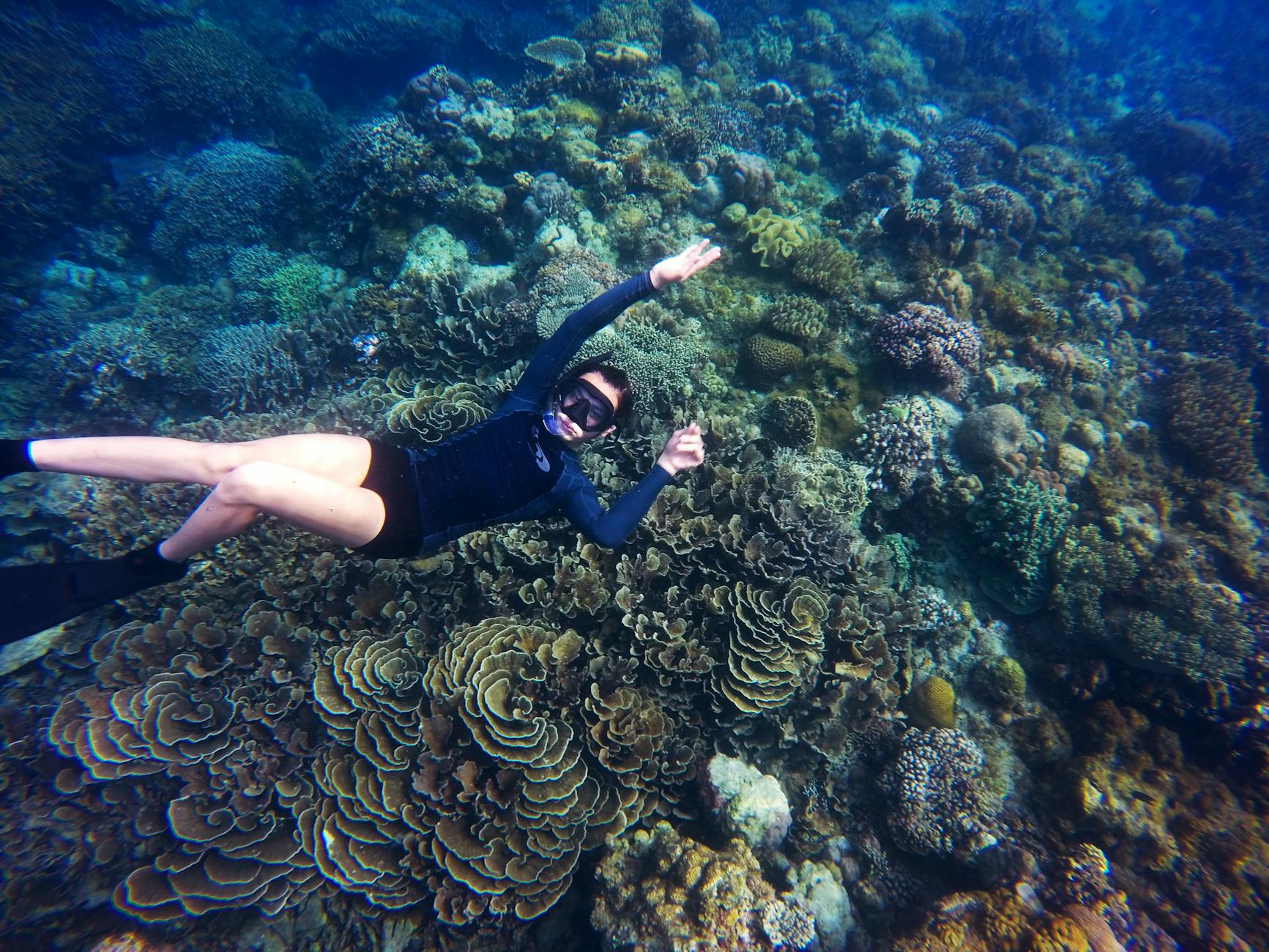
    Snorkeler floating above a colorful coral reef near Key West
    The reef is shallow enough that snorkelers see as much as divers at many sites.

    Scuba diving: the underwater world

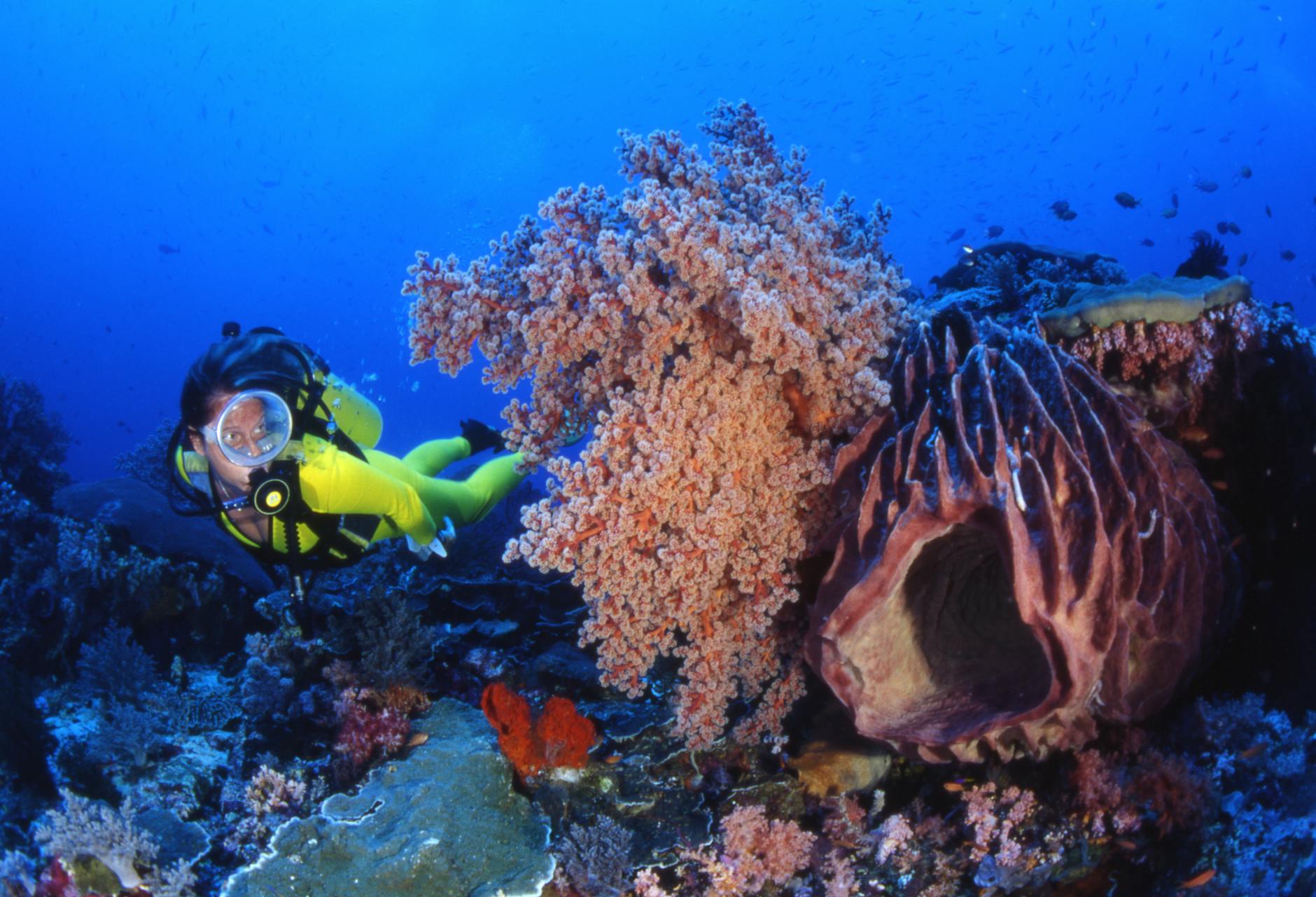
    For certified divers, Key West is a bucket-list destination, and the crown jewel is the USNS General Hoyt S. Vandenberg — a 523-foot former military ship deliberately sunk in 2009 to create an artificial reef. It sits in about 100 feet of water seven miles offshore, already thick with coral and fish, and it’s one of the best wreck dives in the country. Beyond it, the reef offers gentler dives at Sand Key and other sites, plus other wrecks for the experienced. A two-tank trip generally runs $100–$150.

    Not certified? Most dive shops offer “discover scuba” intro dives that let you experience it under close supervision without a certification, as well as full open-water courses if you want to get certified during your trip. Our scuba diving guide covers the shops, the sites, and what to expect.

    Jet skiing and the island tour

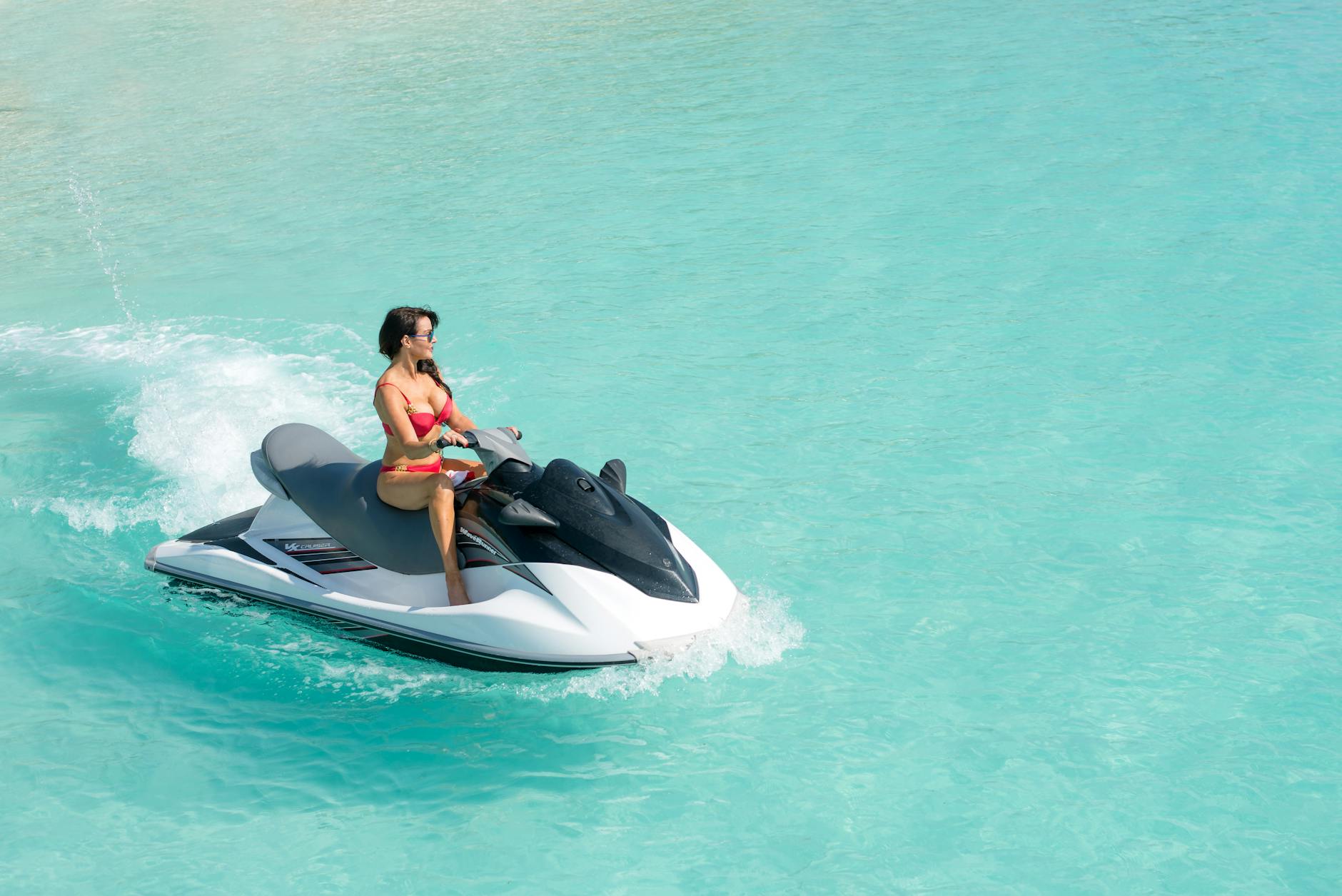
    For speed, jet ski tours are the move — and the signature Key West version is the roughly 27-mile guided loop all the way around the island, a two-hour ride that shows you the place from the water while you open up the throttle in the safe zones. Expect to pay around $100–$160 per ski (which can carry two). It’s exhilarating and genuinely scenic, threading between the Atlantic and Gulf sides. First-timers get a quick briefing; it’s easy to pick up.

    Person riding a jet ski across the water near Key West
    The 27-mile island jet-ski loop circles all of Key West in about two hours.

    Parasailing: the view from up high

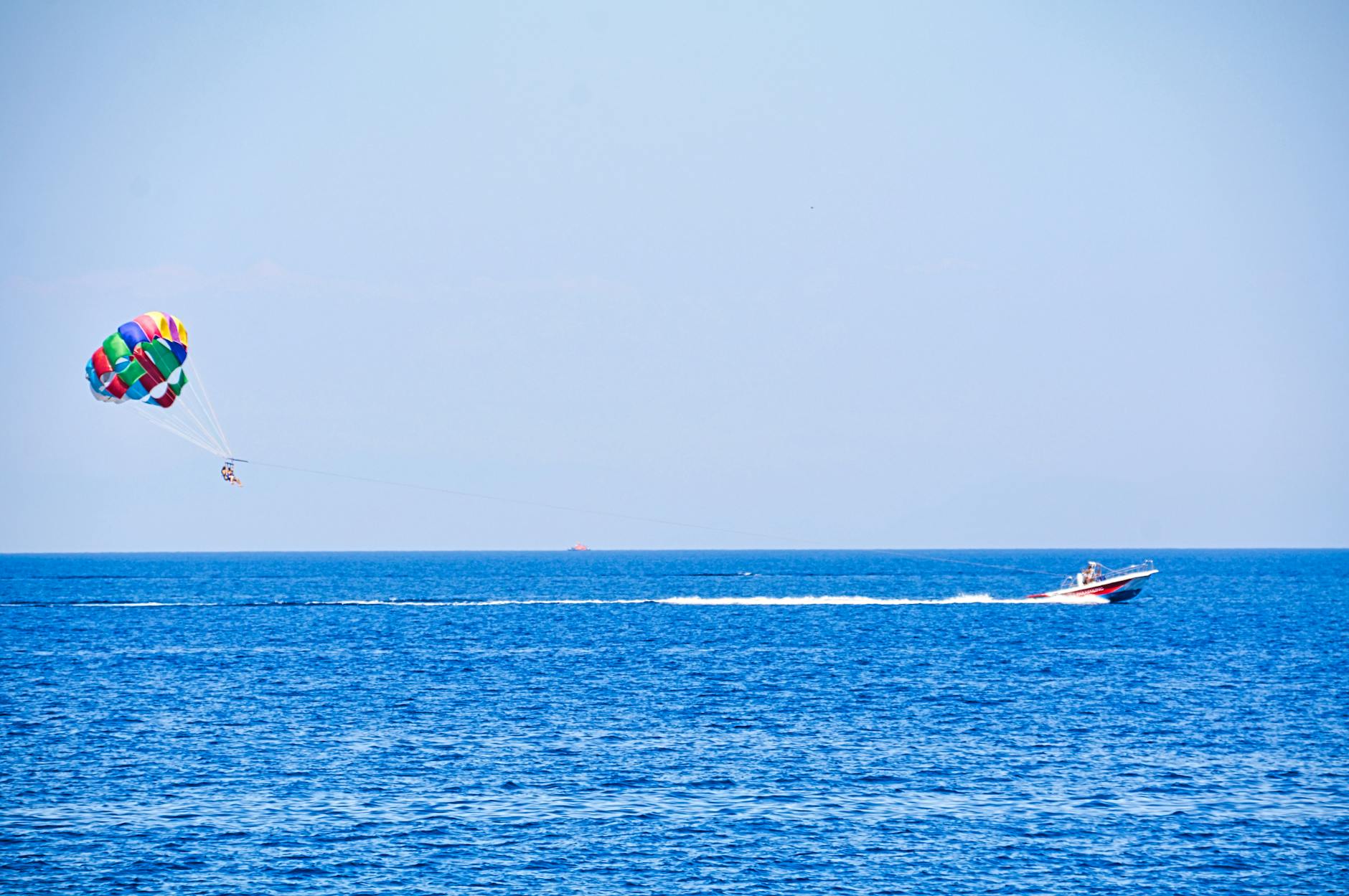
    Parasailing lifts you 500 to 800 feet above the water for a gull’s-eye view of the island, the reef, and the impossibly blue shallows. It’s calmer than it looks — you’re winched up and down gently from the back of the boat — and it’s suitable for most ages, with tandem and even triple flights available. Trips run about $50–$70 per person and take an hour or so including the boat ride out. On a clear day you can see the reef line and the color gradient of the water for miles.

    Kayaking and paddleboarding

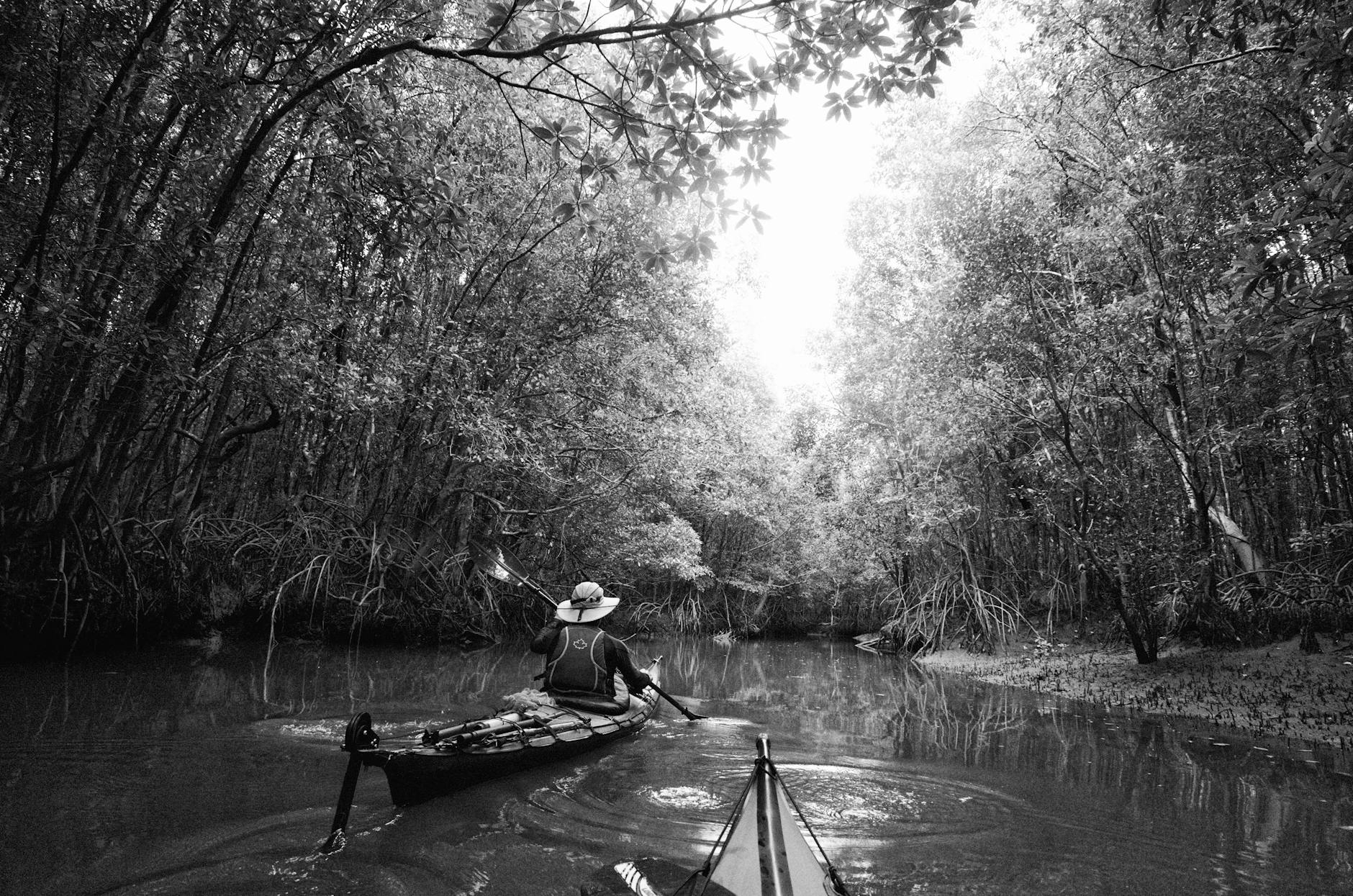
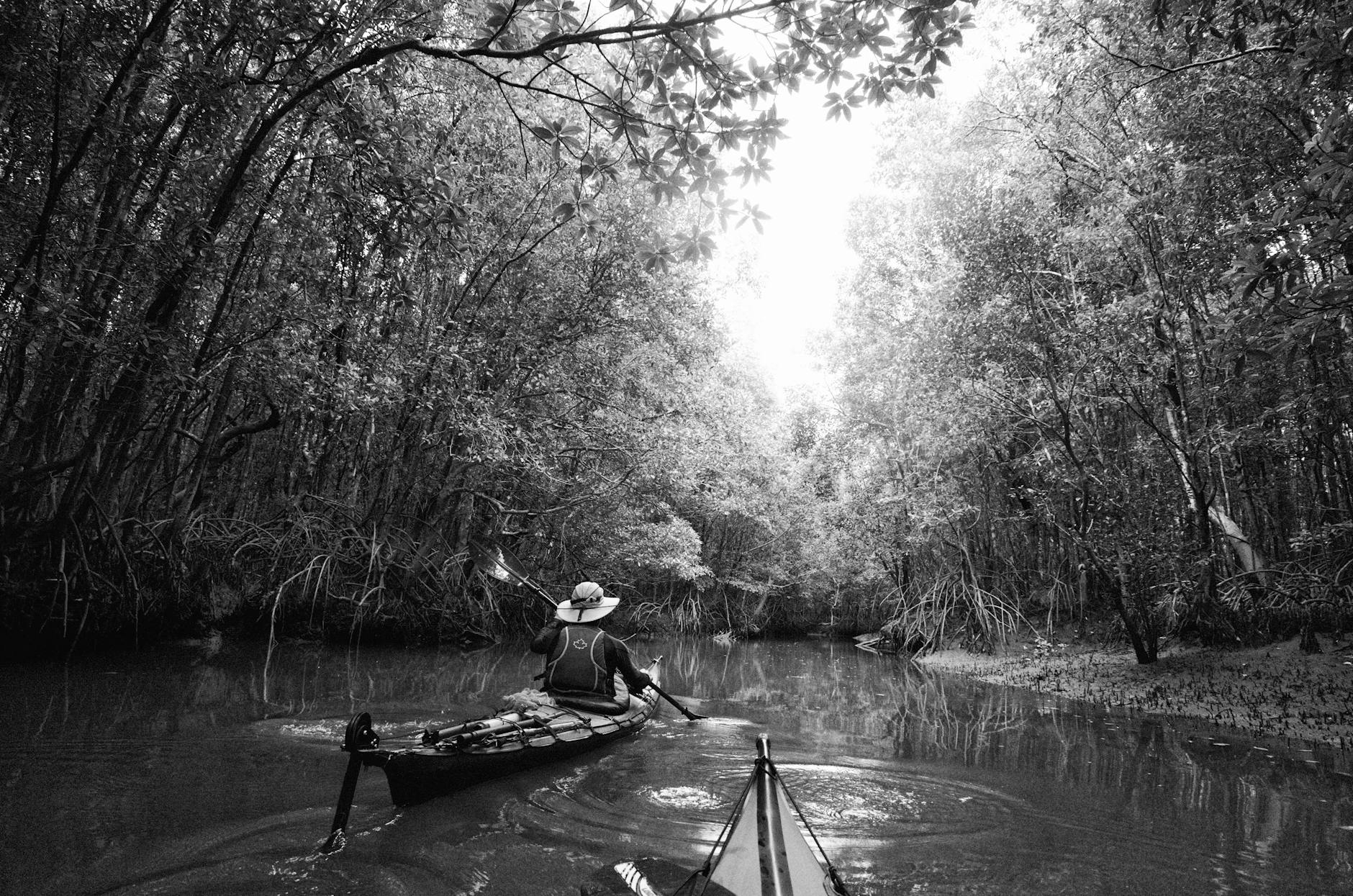
    At the quieter end of the spectrum, the calm backcountry is made for paddling. Guided kayak and stand-up paddleboard eco-tours thread through mangrove tunnels where you’ll spot herons, egrets, rays, and sometimes dolphins, led by naturalist guides who explain the fragile ecosystem. Tours run about $40–$60; solo rentals are available if you’d rather wander. For something memorable, a few outfits run LED-lit clear-bottom night paddles that illuminate the water beneath you. It’s the gentlest, most meditative way to get on the water and a favorite among the island’s outdoor activities.

    Kayaker paddling through green mangrove channels near Key West
    Mangrove kayak tours are the calm, wildlife-rich counterpoint to the reef trips.

    Sailing and catamaran tours

    Sometimes the point is just to be on the water. Day sails and catamaran tours range from snorkel-and-sail combos to leisurely cruises with a cooler and a breeze. The classic Key West vessel is a tall-masted wooden schooner, and gliding out of the Historic Seaport under sail is a genuinely lovely way to spend a few hours. Many trips combine sailing with snorkeling or a sunset, giving you two experiences in one outing.

    Dolphin watching

    Out in the Gulf-side backcountry, pods of wild Atlantic bottlenose dolphins are a common sight, and dolphin-watching eco-tours head out to find them in their natural habitat — no captive-animal shows, just wild dolphins doing their thing. Many operators pair the dolphin watch with a snorkel stop, so you get wildlife and reef time in a single trip. It’s a hit with families and a highlight for anyone who loves marine life.

    Wild dolphins swimming near a tour boat off Key West
    Dolphin-watching tours find wild pods in the backcountry, often paired with a snorkel stop.

    Glass-bottom boats: stay dry

    Not everyone wants to get in the water, and that’s fine — glass-bottom boat tours let you see the reef and its residents through a viewing hull without ever putting on a mask. They’re a great option for young kids, older travelers, non-swimmers, or anyone who’d rather stay dry, and at around $40 they’re an affordable way to experience the underwater world. The catamarans are large and stable, and the narration is usually solid.

    Sunset cruises: the quintessential outing

    No water experience is more Key West than a sunset cruise. As the sun drops toward the Gulf, dozens of boats push off from the harbor — big catamarans with live music and open bars, intimate schooners, champagne sails — to watch the sky ignite from the best seat in town. Prices run $50–$80 for group sails and climb for private charters. It’s the perfect low-effort, high-reward evening, and a romantic one; see our sunset cruise guide. Pair it with the day’s snorkeling and you’ve bookended a perfect ocean day.

    Wind sports: kiteboarding and windsurfing

    When the winter winds pick up, the flats off Smathers Beach and the backcountry become a playground for kiteboarders and windsurfers. It’s a more specialized pursuit — lessons are a good idea if you’re new — but the steady breezes and shallow, protected water make Key West a solid spot to learn or session. Winter and spring bring the most reliable wind.

    Combo packages and how to save

    If you want to sample several activities, look at combo packages — many operators bundle snorkeling with kayaking, parasailing, or a jet ski, sometimes on an all-day “do it all” watersports catamaran anchored on the reef. These bundles usually beat booking each activity separately and pack a lot into one day. They’re an efficient, good-value way to hit the highlights, especially on a short trip.

    When to go: a seasonal guide

    Water activities run year-round in Key West thanks to warm water (70–88°F), but the season shapes the experience. Winter (Dec–Feb) is slightly cooler and often windier — great for wind sports, occasionally choppy for snorkeling. Spring (Mar–May) is a sweet spot: warm, increasingly calm, and less crowded than peak winter. Summer (Jun–Aug) brings the calmest, clearest, warmest water and the best visibility, with afternoon storms that usually pass quickly. Fall (Sep–Nov) is quiet and warm, with hurricane season the only caveat. In short, there’s no bad time — just match your activity to the conditions, and check the forecast the morning of.

    Safety on the water

    A few common-sense notes. Always wear reef-safe sunscreen — it’s required here to protect the coral, and the sun is strong. Never touch or stand on coral; it’s alive and fragile (and some of it stings). Be honest with operators about your swimming ability — most snorkel trips provide flotation vests and you don’t need to be a strong swimmer, but say so. Watch for currents, stay with your group and the boat, and heed the crew’s briefing. With reputable operators and a little sense, Key West’s water is about as friendly as the ocean gets. Round out your plans with our beaches guide, fishing guide, and day trips guide.

    What makes Key West a world-class water destination

    It comes down to a rare piece of geography. Key West is the only place in the continental United States with a living coral barrier reef right offshore, and that single fact drives everything. The reef creates a sheltered, shallow, wildlife-rich zone of water that’s warm year-round and calm enough for beginners, while still deep and dramatic enough — out at the wrecks and the reef edge — to satisfy serious divers. Add the mangrove backcountry on the Gulf side, the Gulf Stream just beyond the reef, and a mild subtropical climate, and you get an unusual concentration of every water activity in one small place. Most destinations do one or two of these things well; Key West does nearly all of them within a short boat ride of the same harbor.

    That variety is also what makes it so beginner-friendly. You don’t need to be an experienced diver or a strong swimmer to have an incredible day on the water here — the shallow reef, the calm backcountry, and the abundance of guided, gear-included trips mean first-timers and families can jump straight in. And because the operators are concentrated around the Historic Seaport and a couple of marinas, comparing trips and booking is refreshingly easy once you’re in town.

    Scuba diver exploring a reef and wreck in the clear water off Key West
    The Vandenberg wreck, sunk in 2009, is one of the best dives in the country.

    A perfect water sports day

    If you want to make the most of the ocean in a single day, here’s a template that works. Start early, when the water is calmest and the light is best, with a morning reef snorkel or dive trip — the marine life is most active and the visibility is at its peak. Come back to shore for a relaxed lunch at the seaport, then spend the hot early afternoon on something breezier and drier: a parasail flight for the view, a jet-ski loop for the thrill, or a mangrove kayak paddle if you’d rather wind down. As the afternoon fades, board a sunset sail and let someone else do the work while you watch the sky turn colors from the deck. That arc — active and underwater in the morning, breezy in the afternoon, easy at sunset — is how locals and repeat visitors structure their best ocean days, and it leaves you pleasantly exhausted by the time the stars come out.

    Parasailer floating high above the blue water near Key West
    Parasailing is the low-effort way to see the reef and island from 800 feet up.

    Booking and choosing an operator

    With dozens of operators competing for your business, a little discretion goes a long way. Read recent reviews, confirm exactly what’s included (gear, instruction, drinks, how long you’re actually in the water versus on the boat), and ask about group size — smaller trips mean more attention and less waiting. For snorkeling and diving especially, the size and type of boat matters: big catamarans are stable and social, while smaller boats reach quieter sites with fewer people. Most reputable outfits cluster around the Historic Seaport, which makes it easy to walk the docks, ask questions, and compare before you commit. And whatever you book, treat the reef gently — this ecosystem is why the whole scene exists, and keeping it healthy is on all of us.

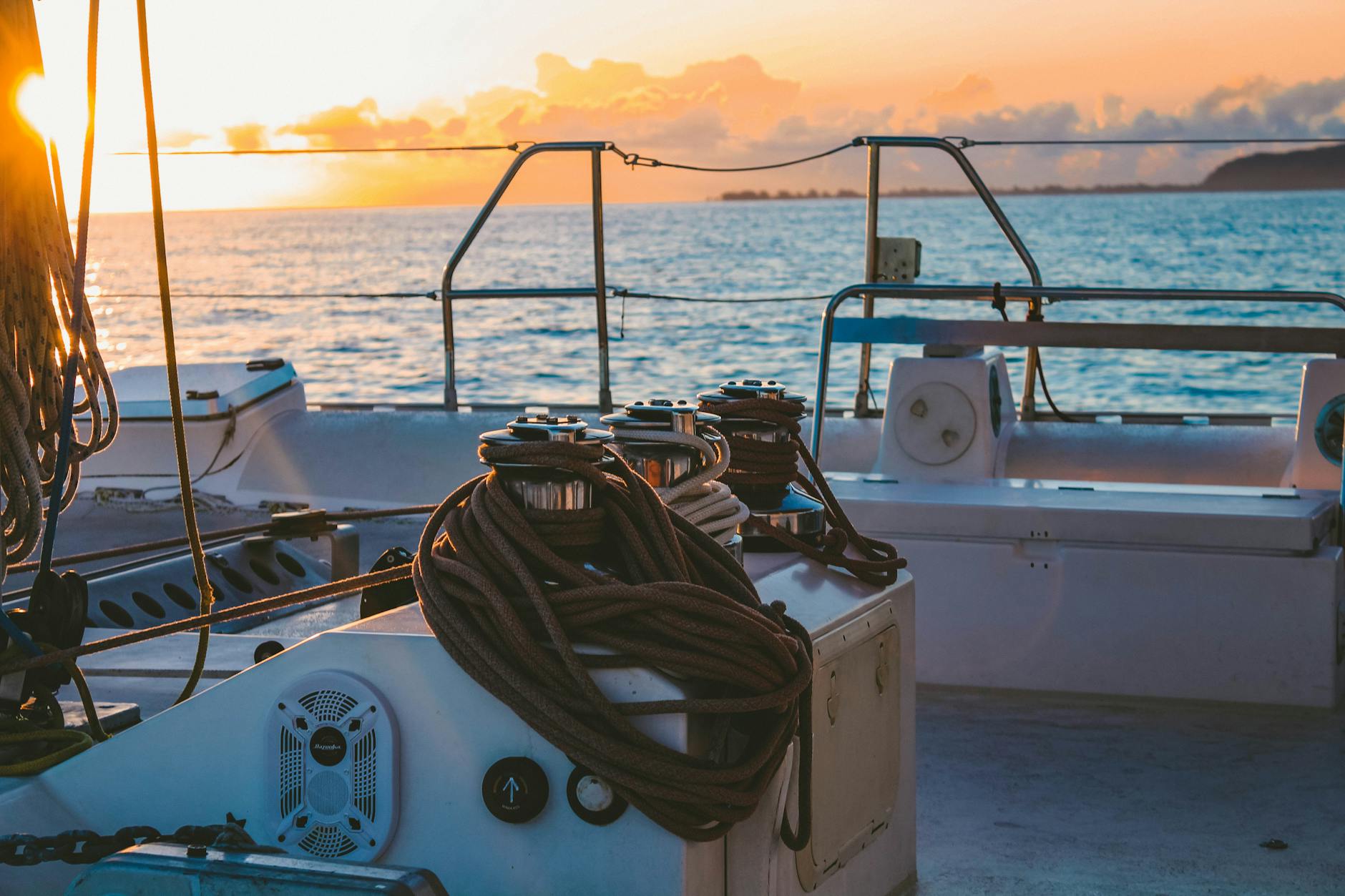
    Sailboat silhouetted against a vivid sunset off Key West
    End the day where every Key West water outing should — on a sunset sail.

    Renting versus going guided

    One last decision worth thinking through: do it yourself or go with a guide? For kayaks, paddleboards, and shore snorkeling at Fort Zachary Taylor, renting gear and setting your own pace is easy, affordable, and rewarding — you can explore the nearest mangroves or beach reef entirely on your own schedule. For everything that involves the offshore reef, the wrecks, a jet ski, or a parasail, though, you’ll go with a licensed operator, and that’s a feature rather than a limitation: they know the best sites, carry the right safety gear, handle the boat, and get you to water you simply couldn’t reach on your own. A good rule of thumb is to rent for the calm, close-in, low-risk activities and book a guide for anything that takes you out to the reef or up into the air. Either way, you’re never more than a short trip from an unforgettable few hours on the water.

    Frequently asked questions

    What is the best water sport to do in Key West?

    Snorkeling, for most people — the shallow reef is world-class and accessible to beginners. If you’re certified, diving the Vandenberg wreck is the standout. For a mix of thrill and scenery, the island jet-ski loop is hard to beat.

    How much do Key West water sports cost?

    Roughly $45–$80 for a half-day snorkel or sunset sail, $100–$150 for a two-tank dive, $100–$160 per jet ski, $50–$70 for parasailing, and $40–$60 for a kayak or paddleboard tour. Combo packages often save money.

    Do I need to know how to swim?

    For snorkeling, basic comfort in the water helps, but trips provide flotation vests and you don’t need to be a strong swimmer — just tell the crew. Non-swimmers can enjoy glass-bottom boats, parasailing, and sunset cruises without getting in the water.

    What should I bring for a water sports day?

    Reef-safe sunscreen, a hat and sunglasses, a towel, a change of clothes, water, and any seasickness medication if you’re prone to it. Operators supply the specialized gear. A waterproof phone case is handy for photos.

    When is the best time of year for Key West water sports?

    Summer has the calmest, warmest, clearest water and the best snorkeling visibility. Spring and fall are excellent and less crowded. Winter is cooler and windier — ideal for wind sports, occasionally choppy for snorkeling.

    Are Key West water sports safe for children?

    Many are very family-friendly — glass-bottom boats, gentle snorkel trips, dolphin watching, and parasailing (with age and weight minimums). Check each operator’s age requirements, and choose calm-water options for younger kids.

    Should I book water sports in advance?

    In peak season, yes — book popular snorkel trips, dives, and sunset sails a day or two ahead, as they fill. In the off-season you can often book same-day. Big events and holidays sell out faster.

    Can I rent equipment and go on my own?

    Yes for kayaks, paddleboards, and shore snorkeling gear. For reef snorkeling, diving, jet skiing, and parasailing, you’ll go with a licensed operator for safety and access to the best sites.

  • Key West Beaches Guide: Best Beaches and What to Expect

    Key West Beaches Guide: Best Beaches and What to Expect

    Quick takeaways

    • Set expectations: Key West beaches are small, and the sand is imported — people come for the warm, clear water and the vibe, not wide powder shores.
    • Fort Zachary Taylor is the best all-around beach, with the clearest water and the island’s best shore snorkeling.
    • Smathers is the longest and liveliest; Higgs is the family favorite; Rest Beach is the quiet sunset spot.
    • Most beaches are free; Fort Zach charges a small state-park fee ($6 per car) that’s well worth it.
    • Bring water shoes — several beaches are rocky — and reef-safe sunscreen to protect the reef offshore.

    Here’s the honest truth up front: Key West is not a big-beach destination. The same reef that makes the snorkeling and fishing so good also blocks the wave action that builds wide, sandy shores, so the island’s beaches are small, and most of their sand was trucked in. If you’re picturing the endless powder of the Gulf Coast, adjust your expectations. What Key West beaches do offer is bathtub-warm, startlingly clear water, easy reef access, and that unmistakable end-of-the-road island atmosphere. Know what you’re getting and you’ll love them. Here’s a candid guide to every beach worth your towel, plus the practical details that make a beach day here go smoothly.

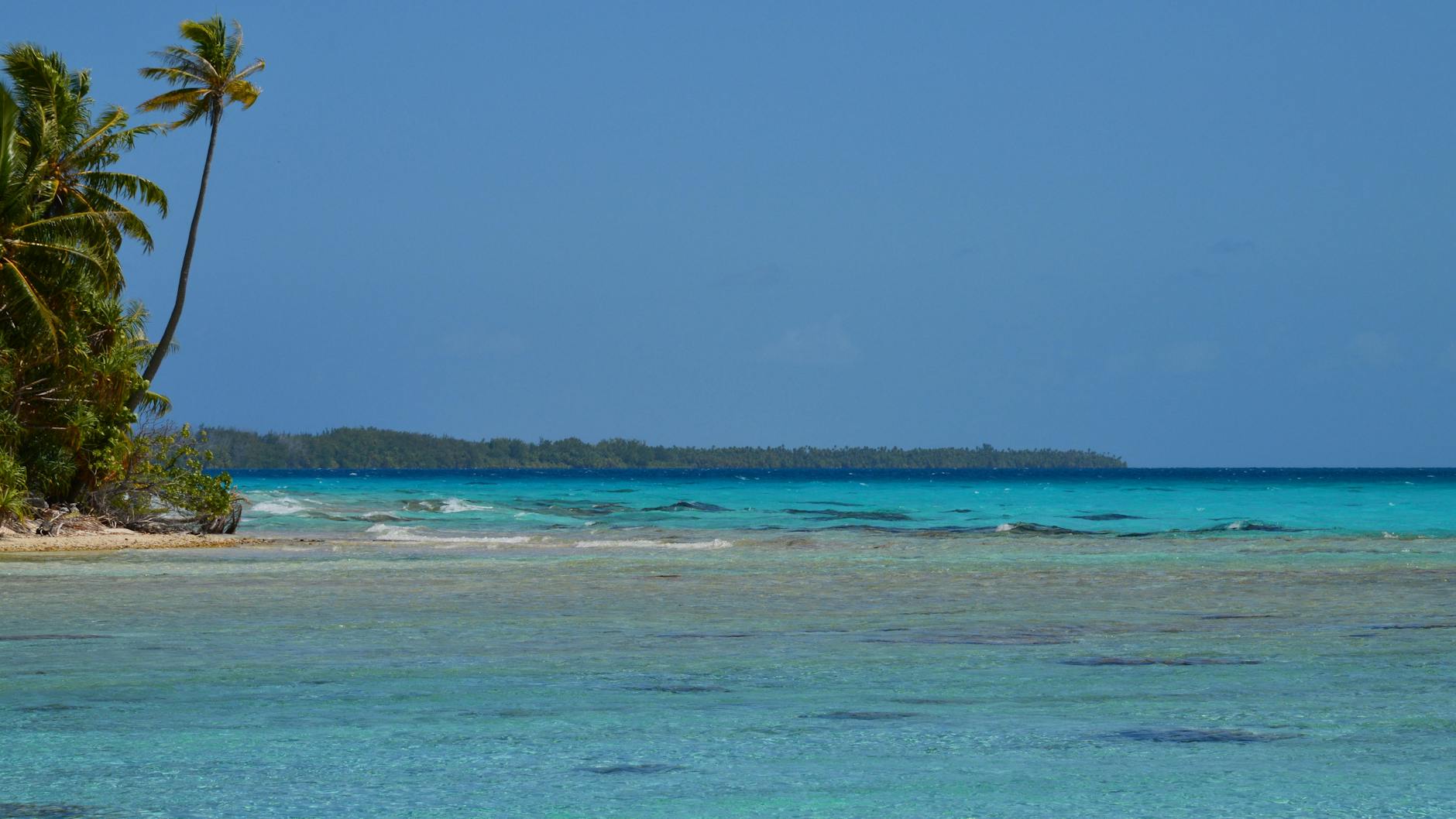
    Turquoise water and palm trees at a Key West beach in Florida
    The draw isn’t the size of the sand — it’s the warm, clear water and the island vibe.

    Fort Zachary Taylor: the best beach in Key West

    Ask a local for the best beach and the answer is almost always “Fort Zach.” Tucked behind the historic Civil War fort at the western tip of the island, this state-park beach has the clearest water in Key West and, crucially, the best shore snorkeling anywhere on the island — the reef and rocks just offshore draw parrotfish, snapper, and the occasional sea turtle right up to the shallows. The shoreline is rocky rather than sandy (water shoes are a must), but the trade-off is water clarity you won’t find at the sandier beaches. Shaded picnic areas under Australian pines, a concession stand (the Cayo Hueso Café), and gear rentals make it an easy full-day spot. Entry is $6 per vehicle or $2.50 for walkers and cyclists, which also gets you into the fort — history and beach in one stop, as our Fort Zach guide details.

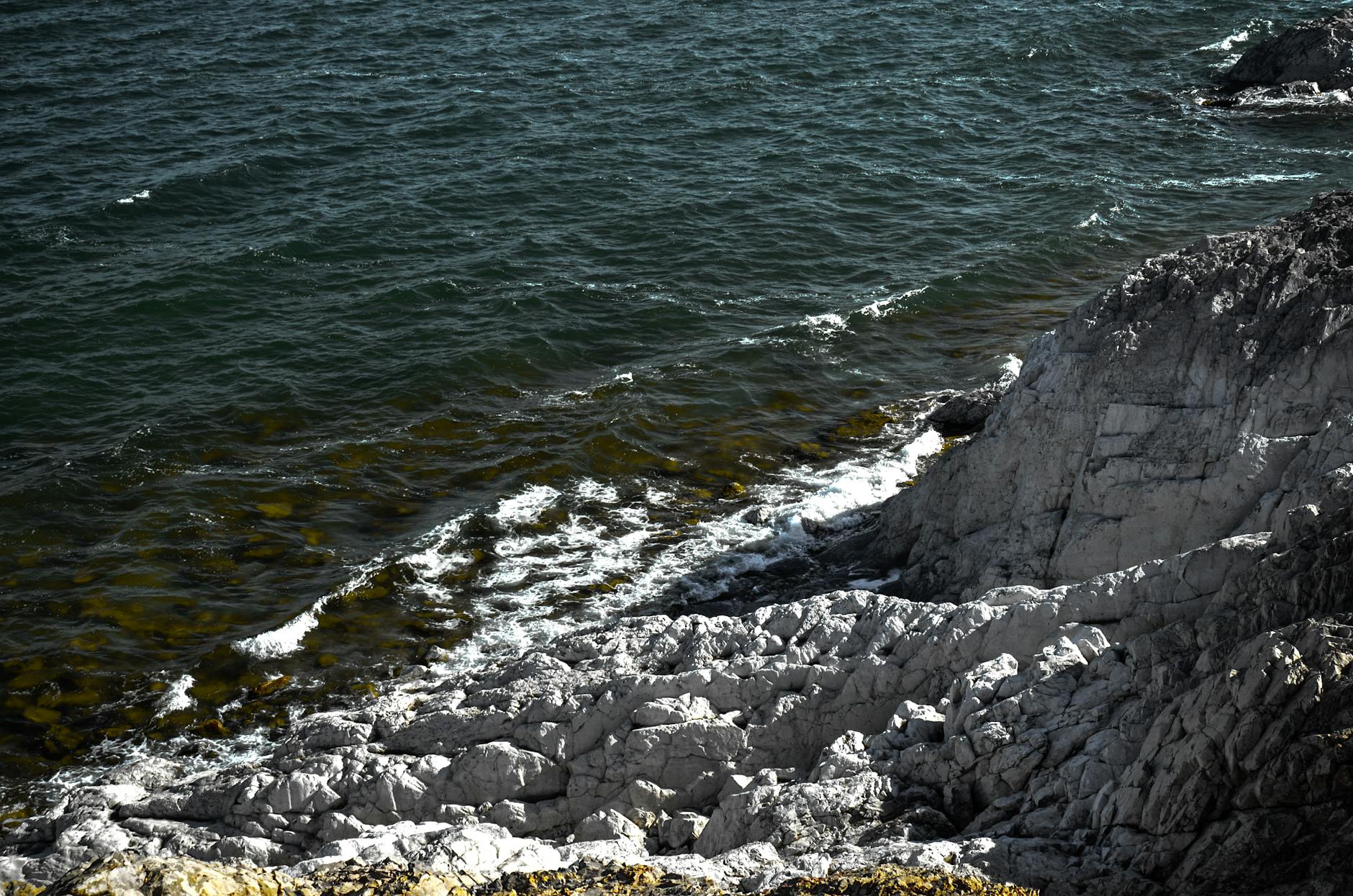
    Rocky shoreline and clear water at Fort Zachary Taylor beach in Key West
    Fort Zach’s shore is rocky, but the water clarity and snorkeling are the island’s best.

    Smathers Beach: the longest and most popular

    If you want a proper sandy beach with room to spread out, Smathers is your spot. Running about half a mile along South Roosevelt Boulevard, it’s the largest beach in Key West and the hub for sunbathing, swimming, beach volleyball, and people-watching. Vendors rent jet skis, paddleboards, kayaks, chairs, and umbrellas, so you can turn up empty-handed and still have a full day. The water is calm and shallow — good for wading and casual swimming — and the wide sand gives it a more conventional beach feel than anywhere else on the island. The catch is parking, which lines South Roosevelt and fills fast on weekends and in winter, so arrive early. It’s free and open to the public. Our Smathers Beach guide has the full rundown.

    Higgs Beach: best for families

    Higgs Beach, on Atlantic Boulevard, is the family favorite, and it’s easy to see why: calm, shallow water, a fishing pier, a playground, volleyball courts, picnic areas, and a dog park right next door. The on-site Salute! restaurant does a good beachfront lunch, and the whole setup is geared toward a relaxed day with kids. Higgs also carries real historical weight — the African Cemetery here memorializes nearly 300 people who died after being rescued from illegal slave ships in the 1860s — and on Sunday mornings the Key West Artisan Market brings local crafts and food. It’s the most well-rounded beach for families, as our Higgs Beach guide and family guide both cover.

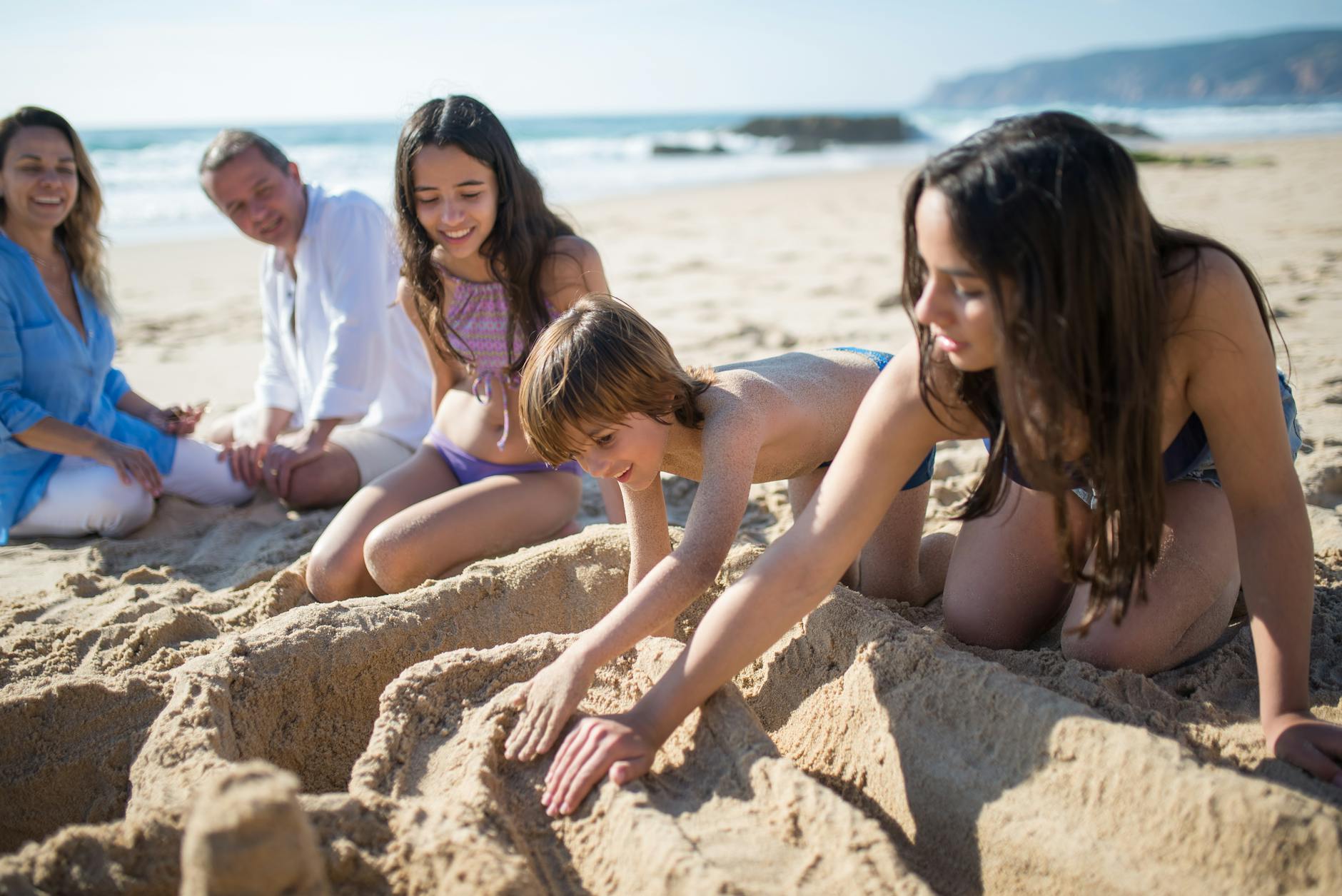
    Family enjoying a calm shallow beach with a pier in Key West
    Higgs Beach pairs calm water with a playground, a pier, and a dog park next door.

    Rest Beach: the quiet sunset spot

    Right next to Higgs but a world quieter, C.B. Harvey Rest Beach is the locals’ pick for peace. There are no vendors and no crowds — just a small pier, sea grapes, and calm water — and because it faces west, it’s one of the few beaches where you can watch the sunset directly from the sand. Come here when Smathers feels like too much and you want to read a book in relative solitude. Our Rest Beach guide has the details, including the limited parking situation.

    Dog Beach: bring the pup

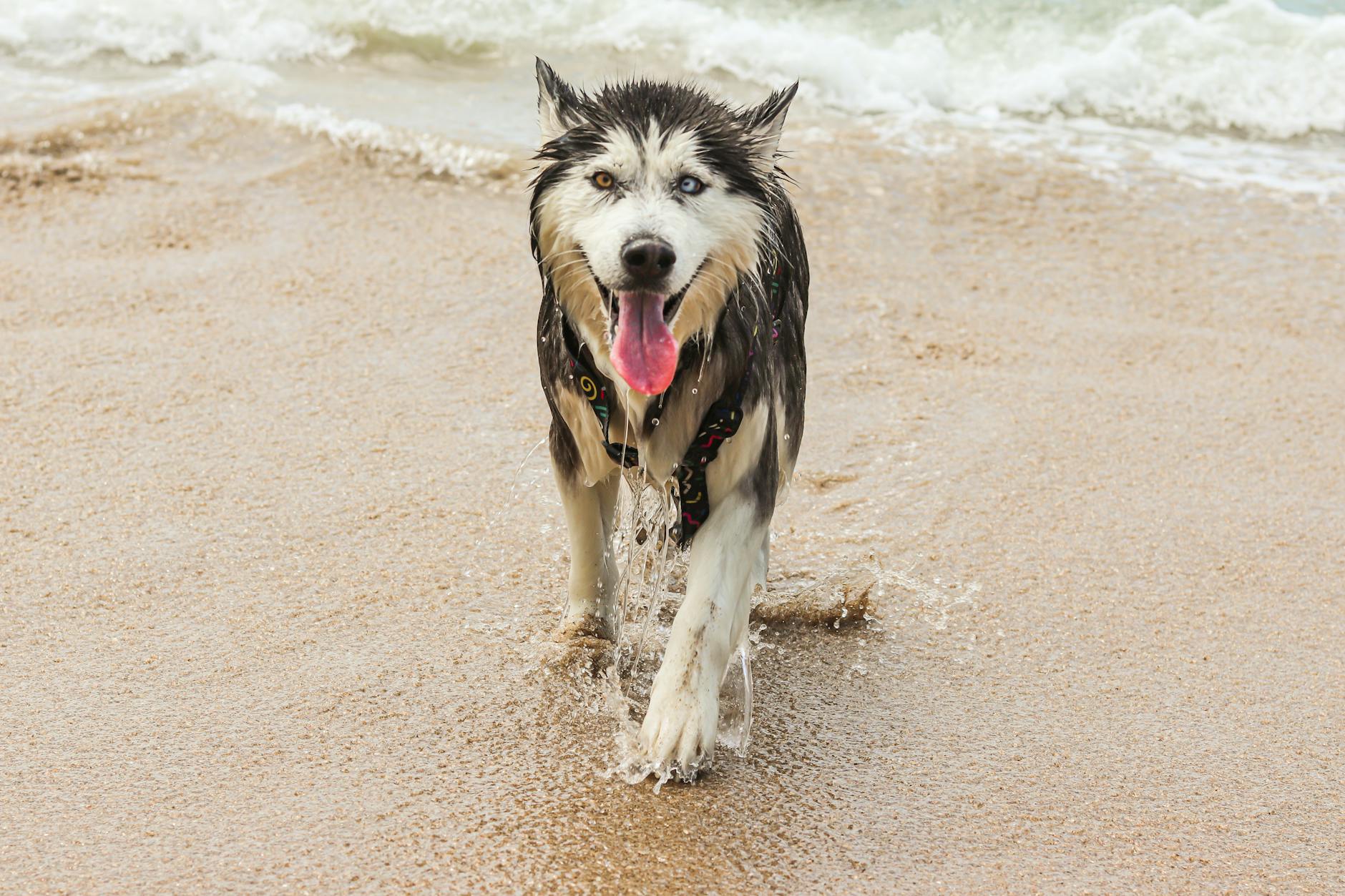
    Key West is a famously dog-friendly town, and Dog Beach — a tiny patch of sand tucked beside Louie’s Backyard restaurant at the end of Vernon Street — is the island’s only off-leash beach where dogs can swim freely. It’s small and rocky, with no facilities, but for traveling dog owners it’s a beloved little spot to let a pup splash around. More in our Dog Beach guide.

    Dog playing in the shallow water at Dog Beach in Key West
    Dog Beach is tiny, but it’s the island’s only off-leash spot for a swim.

    The smaller beaches

    A few more strips are worth knowing. South Beach, at the very end of Duval Street next to the Southernmost Beach Café, is a small, convenient patch perfect for a quick dip between Old Town wanders. Simonton Street Beach, at the north (Gulf) end of Simonton, is a tiny, calm, locals’ beach that’s great for a sunrise or a quiet swim, though parking is very limited. And Sunset Key Beach is the exclusive one — a genuinely lovely sandy beach on the private island across the harbor, accessible only to guests of the Sunset Key Cottages or diners at Latitudes. Each has its niche, and none draws the crowds of Smathers or Fort Zach.

    Shore snorkeling at Key West beaches

    Snorkeling straight off the sand is one of the real perks of Key West beaches, even if the best reef is a boat ride away. Fort Zachary Taylor is far and away the top shore-snorkel spot — the rocks and old pilings hold plenty of fish and the water is clear. Higgs and the other beaches offer more modest snorkeling. For the truly spectacular stuff — the living coral reef with turtles and rays — you’ll want a boat trip, covered in our snorkeling guide and among the many options in our water sports guide. Bring your own mask if you have one; beach rentals are available but variable.

    Snorkeler exploring rocks and fish just off a Key West beach
    Fort Zach is the island’s best beach for snorkeling straight off the shore.

    Water sports and beach activities

    Beyond swimming and sunbathing, the beaches double as launch points for the island’s water play. Smathers is the main hub, with rentals for jet skis, paddleboards, kayaks, and more right on the sand, and it’s a common jumping-off point for parasailing and watersport tours. Higgs has volleyball and calm water for casual paddling. If getting active on the water is a priority, base a beach day at Smathers and mix in rentals, or plan a dedicated outing through our water sports guide.

    Practical beach tips

    Parking and getting there

    Parking is the main logistical headache. Smathers has metered street parking along South Roosevelt that fills fast; Fort Zach has a park lot included with entry; Higgs and Rest have limited nearby spots. Given how walkable and bikeable the island is, many visitors simply bike or take the Key West Rides shuttle to the beach rather than fighting for a space — an easy call for beaches like Higgs and Rest that are close to Old Town.

    What to bring

    Pack water shoes (several beaches are rocky, Fort Zach especially), reef-safe sunscreen (required to protect the reef, and the sun here is strong), plenty of water, and your own shade if you want guaranteed cover, since natural shade is limited outside Fort Zach. A mask and snorkel are worth bringing if you have them. Umbrellas and chairs can be rented at Smathers and Fort Zach if you’d rather travel light.

    Seasonal considerations

    The beaches are enjoyable year-round thanks to warm water, but the season shapes the experience. Winter and spring bring the most comfortable, least humid beach days — and the biggest crowds. Summer is hot and humid with warm water and afternoon storms that usually pass quickly. Watch for occasional sargassum seaweed, which can wash up in the warmer months and pile on the sand; it’s natural and harmless but not pretty, and Fort Zach’s rockier shore tends to be less affected. Time your beach days with our vacation planning guide.

    Beaches near Key West: day-trip options

    If wide, sandy beaches are a must, the best in the region are a drive up the Keys. Bahia Honda State Park, about 40 minutes north, has the kind of long, natural sand beach Key West lacks and is regularly ranked among Florida’s best. Farther afield, the pristine beaches and unreal water of Dry Tortugas National Park reward the boat trip out. Our guide to the best beaches near Key West covers the day trips worth making, and for where to base yourself near the sand, see our where to stay guide.

    Which Key West beach should you choose?

    With eight-plus beaches to pick from, the right one depends on your day. Want the best water and snorkeling, and don’t mind rocks and a small fee? Go to Fort Zachary Taylor. Want a wide, sandy, social beach with rentals and volleyball? Smathers. Traveling with kids who need a playground and calm shallows? Higgs. Chasing a quiet afternoon and a sunset from the sand? Rest Beach. Have the dog along? Dog Beach. Just want a quick dip near Old Town between other plans? South Beach or Simonton Street Beach. Because the whole island is only four miles long, you can easily sample two or three in a day if you can’t decide.

    Golden sunset over a calm Key West beach with silhouetted palms
    West-facing Rest Beach is one of the few spots to catch the sunset from the sand.

    Key West beaches at a glance

    Beach Best for Sand Snorkeling Fee
    Fort Zachary Taylor Overall + snorkeling Rocky Best on island $6/car
    Smathers Sunbathing, watersports Wide, sandy Limited Free
    Higgs Families Sandy Modest Free
    Rest Beach Quiet, sunsets Sandy Minimal Free
    Dog Beach Dogs Rocky, tiny No Free
    South / Simonton Quick dip near Old Town Small, sandy Minimal Free
    Row of beach chairs and umbrellas on a sandy Key West beach
    Chairs and umbrellas can be rented at Smathers and Fort Zach if you’d rather travel light.

    Beach safety and what to know

    Key West beaches are calm and swimmer-friendly, but a few things are worth keeping in mind. The strong sun is the biggest hazard — you’re at the same latitude as the tropics, and it burns faster than people expect, so reapply sunscreen and take shade breaks. At Fort Zachary Taylor, be aware that a shipping channel runs nearby, so strong currents can develop past the swimming area; stay in close and keep an eye on kids. In the warmer months you may encounter drifting jellyfish or “sea lice” (tiny larvae that can cause an itchy rash), though serious stings are uncommon. And as noted, sargassum seaweed can wash ashore seasonally — harmless, if unsightly. None of this should put you off; it’s just the normal common sense of a warm-water beach. Lifeguards are not present at most Key West beaches, so swim within your ability.

    Put it all together and the island’s beaches make more sense: they were never going to be the main event on a place ringed by protective reef, but as warm, clear, laid-back spots to cool off between the snorkeling, the history, and the sunset rituals, they’re exactly right. Pick the one that fits your day, pack water shoes and reef-safe sunscreen, and you’ll come away understanding why Key West’s little beaches have such a devoted following. Round out the trip with our things to do guide.

    Why Key West’s beaches look the way they do

    It’s worth understanding the geology, because it explains everything about the island’s beaches. Key West sits on coral rock, and just offshore lies the Florida Reef — the third-largest barrier reef in the world. That reef is wonderful for snorkelers and divers, but it acts as a breakwater, absorbing the wave energy that would otherwise pile up sand into broad natural beaches. The result is that Key West never developed the wide shores you find on Florida’s Gulf Coast, where no such reef stands guard. What sand the island does have on its most popular beaches was largely brought in and rebuilt over the decades; Smathers Beach, for example, was substantially created and widened with imported sand in the mid-20th century to give the growing town a proper stretch to lie on. None of this makes the beaches any less pleasant — the water is still warm and clear and the palms still sway — but it’s the reason a first-time visitor expecting Clearwater or Destin should recalibrate. Key West’s beaches are intimate island pockets, not grand sandy expanses, and once you embrace that, they’re a genuine delight. They’re best thought of as a relaxing counterpoint to the island’s real headline acts: the reef, the history, and the nightly sunset.

    People playing beach volleyball on the sand at a Key West beach
    Smathers is the island’s hub for volleyball, rentals, and a more conventional beach day.

    Frequently asked questions

    Are Key West beaches free to visit?

    Most are, including Smathers, Higgs, Rest, and South Beach. Fort Zachary Taylor charges a state-park entry fee of $6 per vehicle or $2.50 per walker or cyclist, which also includes the historic fort.

    Do I need water shoes for Key West beaches?

    For Fort Zachary Taylor and Dog Beach, yes — both are rocky. Smathers and Higgs are sandier and don’t require them, but water shoes are handy anywhere you plan to snorkel over rocks.

    What is the best beach in Key West for snorkeling?

    Fort Zachary Taylor, hands down. Its clear water and the rocks and pilings just offshore make it the best shore snorkeling on the island. For the coral reef itself, take a boat snorkeling trip.

    Which Key West beach is best for families with kids?

    Higgs Beach — calm, shallow water plus a playground, a pier, picnic areas, a beachfront restaurant, and a dog park nearby. Smathers is a good second choice for its wide sand and gentle water.

    Can I bring my dog to Key West beaches?

    Dog Beach, beside Louie’s Backyard, is the only beach where dogs can go off-leash and swim. Most other beaches don’t allow dogs on the sand, so check the rules before you go.

    What is the best time of year to visit Key West beaches?

    Winter and spring offer the most comfortable weather and calm, clear water, though also the biggest crowds. Summer has the warmest water but is hot and humid with afternoon storms and occasional seaweed.

    Is the sand at Key West beaches natural?

    Mostly no. Because the offshore reef blocks the wave action that builds beaches, much of the sand at Key West’s beaches was imported. It’s part of why the beaches are smaller than those elsewhere in Florida.

    How do Key West beaches compare to other Florida beaches?

    They’re smaller and often rockier, with imported sand — not the wide, powdery shores of the Gulf Coast or the Panhandle. What they offer instead is warm, exceptionally clear water, easy reef access, and unbeatable island atmosphere.

  • Best Restaurants in Key West: Complete Dining Guide

    Best Restaurants in Key West: Complete Dining Guide

    Quick takeaways

    • Key West eats punch far above the island’s size — fresh-off-the-boat seafood, real Cuban cooking, and a few genuinely great fine-dining rooms.
    • Order local: yellowtail snapper, pink shrimp, stone crab in season, conch fritters, and a slice of Key lime pie you’ll argue about later.
    • The best value is hiding in plain sight — food trucks, Cuban counters, and happy hour, which doubles as an affordable dinner.
    • For sunset dinners and marquee spots (Louie’s Backyard, Latitudes), book ahead — walk-ins wait.
    • Blue Heaven’s breakfast is worth the line; go early or go late.

    People come to Key West for the sunsets and end up talking about the food. It makes sense once you’re here: the island sits at the end of a 120-mile fishing ground, a ferry ride from Havana, and at the crossroads of Southern, Caribbean, and Cuban cooking. What lands on your plate is fresher and stranger than it has any right to be for a town this small. Below is how I’d eat my way through it — the seafood shacks, the Cuban kitchens, the special-occasion rooms, and the cheap counters locals actually rely on.

    Fresh seafood platter with stone crab, shrimp, and fish at a Key West restaurant
    Nearly every menu on the island is built on what came off the boats that morning.

    Seafood: the whole point

    If you eat one thing here, make it seafood, and make it local — yellowtail snapper, hogfish, pink shrimp, and stone crab claws when they’re in season (mid-October to early May). Our full Key West seafood guide ranks them all, but these are the anchors.

    Half Shell Raw Bar at the Historic Seaport is the classic — a former shrimp-packing warehouse with license plates on the walls, dollar-oyster happy hours, and a view of the charter fleet. Conch Republic Seafood Company next door does the same waterfront thing on a bigger, louder scale with live music. For a splurge, The Stoned Crab up on Stock Island serves boat-to-table catch on a deck over the water. And Eaton Street Seafood Market is the local move: it’s a fish market first, so the counter lunch — lobster roll, smoked-fish dip, whole fried snapper — is as fresh as it gets without a rod.

    Cuban food: 150 years in the making

    Cuban cooking isn’t a novelty here; it’s foundational, dating to the 1860s cigar boom when a third of the island was Cuban-born. Go deeper in our Cuban restaurants guide, but start with these three.

    Pressed Cuban sandwich with roast pork and ham at a Key West cafe
    El Siboney is the local benchmark for roast pork, ropa vieja, and a proper Cubano.

    El Siboney, tucked in a residential block off the tourist path, is the one locals name first — huge portions of roast pork, ropa vieja, and picadillo at prices that feel like a mistake. El Mesón de Pepe at Mallory Square is more touristy but genuinely good, with a salsa band and a prime spot for the sunset crowd. And Cuban Coffee Queen, a walk-up window near the seaport, is where you grab a cortadito and a Cuban-mix sandwich to fuel the morning. One honest note: the Cubano sandwich is Tampa’s invention, not Key West’s — but nobody here makes a bad one.

    Fine dining and special occasions

    For an anniversary or a splurge night, Key West has a handful of rooms that deliver. Reserve these well ahead; the full list is in our fine dining guide.

    Elegant candlelit fine dining table setting at a Key West restaurant
    Louie’s Backyard and Latitudes are the island’s classic special-occasion tables.

    Latitudes on Sunset Key is the showstopper — you take a short launch across the harbor to a private island and eat with your toes near the sand. Louie’s Backyard, in a converted 1900s mansion, pairs inventive Caribbean-leaning plates with a deck straight over the Atlantic; the adjoining Afterdeck bar is a sunset institution. Café Solé hides in a residential Old Town cottage doing French-Caribbean cooking (the hogfish is the order), and Santiago’s Bodega is the tapas-and-wine pick, dim and romantic, ideal for grazing over a bottle. For the romance angle specifically, our romantic getaway guide flags the best date-night tables.

    Waterfront tables and sunset dinners

    Some meals are about the view as much as the plate. Hot Tin Roof at the Ocean Key Resort has floor-to-water windows at the Duval end of the harbor; the Sunset Pier right below it is the casual, feet-almost-in-the-water option with live music as the sky goes orange. Alonzo’s Oyster Bar, downstairs at the seaport, is the reliable happy-hour raw bar. More in our waterfront restaurants guide.

    Breakfast and brunch

    Tropical courtyard brunch spot with pancakes and coffee in Key West
    Blue Heaven’s courtyard breakfast — roosters included — is a rite of passage.

    Blue Heaven in Bahama Village is the famous one, and for once the hype holds: banana-bread pancakes and lobster Benedicts served in a leafy courtyard while roosters strut underfoot. Expect a wait. Sarabeth’s does a more refined sit-down brunch, and Goldman’s Deli (out in New Town) is the local pick for a proper bagel and lox. Coffee people should detour for the island’s café scene — our coffee shops guide has the roasters and Cuban-coffee windows.

    The iconic bars that also feed you

    Some Key West institutions are as much history as food. Sloppy Joe’s has poured since 1933 and traded on its Hemingway connection ever since. Captain Tony’s Saloon around the corner is the original Sloppy Joe’s location — older, weirder, better for atmosphere. And Pepe’s Café, open since 1909, is the oldest eatery on the island and still the locals’ breakfast-and-oysters haunt. When these tip into full-on nightlife, our nightlife guide and best bars guide take it from there.

    The dishes to actually order

    Golden fried conch fritters with dipping sauce, a Key West specialty
    Conch fritters are the classic island starter.

    A quick cheat sheet so you don’t leave having missed the essentials:

    • Conch fritters — the island starter, fried golden, served with key-lime aioli. Conch Republic and Half Shell do them right.
    • Key lime pie — pale yellow (never green), tart, on a graham crust. The debate is eternal; our Key lime pie guide settles it.
    • Stone crab claws — sweet, sustainable (they regrow the claw), in season roughly October to May.
    • Yellowtail snapper — the local fish, best grilled or “Française.” If it’s on the menu, order it.

    Eating well on a budget

    Key West has a pricey reputation, but you can eat cheaply and well if you know where to look. The food trucks and walk-up counters — Cuban windows, the Garbo’s Grill fish tacos, taco stands — are some of the best value on the island (full list in our food trucks guide). And happy hour is the local secret weapon: from roughly 4 to 6 p.m., raw bars drop oysters to a dollar and knock dollars off apps, which turns into a genuinely affordable dinner if you plan around it. See our happy hour guide, and for the whole money-saving playbook, the Key West on a budget guide.

    Where to eat, by neighborhood

    Duval Street has the density and the tourist traps — some gems, plenty of average. The Historic Seaport is your waterfront-seafood cluster. Bahama Village hides the soulful spots (Blue Heaven, Cuban home cooking). And Stock Island, one island over, is where the island’s newest, most chef-driven kitchens have quietly landed. If you’re picking a home base around the food, our where to stay guide maps the neighborhoods.

    Practical dining tips

    A few things worth knowing: reserve the marquee dinner spots (Louie’s, Latitudes, Café Solé) days ahead in winter, and eat early or late to dodge the 7-to-8 p.m. crush. Dress is famously casual — even the nice rooms accept resort-casual — though Latitudes leans a touch dressier. And dietary needs are well handled; seafood-forward menus flex vegetarian and gluten-free more easily than you’d expect. Build the rest of your days around the meals with our things to do guide.

    A few more spots worth knowing

    The names above are the anchors, but a handful of others come up constantly when locals trade recommendations. On the casual-seafood end, B.O.’s Fish Wagon looks like a shack held together with driftwood and license plates, which is exactly the point — the grilled or fried fish sandwich is a Key West institution. Schooner Wharf Bar at the seaport is scruffy, open-air, and beloved, with cold beer, live music all day, and a menu that overdelivers for a bar. And Garbo’s Grill, the food-truck-turned-legend, does a mango-dog and fish tacos good enough to plan a lunch around.

    For something more refined without the fine-dining bill, Blue Heaven pulls double duty as a dinner spot (not just breakfast), and Mr. Z’s is the late-night cheesesteak-and-gyro savior after a night on Duval. Vegetarians and the plant-curious should point themselves at The Café on Southard Street, the island’s long-running meat-free kitchen.

    Open-air garden dining under tropical trees at a Key West restaurant
    The best Key West meals tend to happen outdoors, under a tree or over the water.

    Key West restaurants at a glance

    If you’re matching a craving to a table, this is the shortcut:

    You want… Go to Rough price (dinner entrée)
    Classic waterfront seafood Half Shell Raw Bar, Conch Republic $18–$34
    Authentic Cuban El Siboney, Cuban Coffee Queen $12–$24
    Special-occasion dinner Latitudes, Louie’s Backyard $40–$70
    Famous breakfast Blue Heaven, Pepe’s Café $14–$24
    Cheap and great B.O.’s Fish Wagon, Garbo’s Grill $10–$18
    Tapas & wine date Santiago’s Bodega $8–$16 / plate

    What Key West does better than anywhere

    Two things set the island’s food apart, and both are worth chasing. First, the conch — the Bahamian sea snail that gave locals their nickname (Conchs). You’ll find it as fritters, in a peppery chowder, cracked and fried, or raw in a citrus ceviche. It’s chewy, mild, and completely of this place. Second, the Key lime pie, which is genuinely regional: real Key limes are small, yellow, and tart, so an authentic pie is pale yellow with a graham crust and a bracing bite — if it’s green, someone used food coloring. Order a slice at three different spots over a trip and you’ll have opinions by the end.

    Beyond those, the island’s fish deserves a mention on its own. Yellowtail snapper is the local hero, but keep an eye out for hogfish (delicate, a diver’s catch and a treat when it’s on) and fresh-off-the-boat pink shrimp and lobster in season. The freshest of it comes from the market-restaurants — Eaton Street Seafood chief among them — where the day’s catch never traveled far.

    Avoiding the Duval tourist traps

    Not every Duval Street restaurant is a trap, but the strip has its share of mediocre, overpriced kitchens riding the foot traffic. A quick filter: if the menu tries to do everything — burgers, sushi, pasta, and seafood on one laminated page — keep walking. The reliably good island food skews specialized: a seafood house that lives and dies by fish, a Cuban kitchen that’s been there decades, a raw bar shucking to order. When in doubt, step a block or two off Duval, where rents are lower and the cooking tends to be more honest. Our neighborhood breakdown doubles as a map of where the good eating clusters.

    Happy hour is the local dinner hack

    Here’s the move that separates people who leave Key West raving from people who leave complaining about the prices: eat your big meal at happy hour. From roughly 4 to 6:30 p.m., a surprising number of good kitchens drop oysters to a dollar, shrimp and ceviche to half price, and cocktails and draft beer to a few bucks. Alonzo’s Oyster Bar at the seaport is the reliable one, with peel-and-eat shrimp and raw oysters at a fraction of dinner prices. The Half Shell Raw Bar runs dollar oysters that turn a $15 stop into a full meal. Even some of the waterfront spots quietly discount apps and drinks in that window, so you can watch the fishing fleet come in, graze on a dozen oysters and a fish-dip plate, and walk away having eaten well for under $25. Our happy hour guide maps the timing and the best deals bar by bar; it pairs neatly with the broader budget guide if you’re watching every dollar.

    A perfect day of eating in Key West

    If you want a template, here’s how I’d structure a single delicious day on the island:

    • Morning: Cuban coffee and a ham croquette from the Cuban Coffee Queen window, or the full courtyard experience at Blue Heaven if you have time to wait.
    • Midday: A fish sandwich at B.O.’s Fish Wagon or a counter lunch at Eaton Street Seafood Market — the freshest, least fussy seafood you’ll eat all trip.
    • Afternoon: Slow down with a slice of Key lime pie at Kermit’s and a walk along the seaport before the crowds build.
    • Happy hour: Dollar oysters and a cold beer at Alonzo’s or Half Shell as the light goes gold.
    • Dinner: The splurge — Louie’s Backyard on the Atlantic, or the launch across to Latitudes on Sunset Key.
    • Nightcap: Live music and a last drink at Captain Tony’s or the Green Parrot, which is where the nightlife takes over.
    Diners at a waterfront Key West restaurant table as the sun sets over the harbor
    Time one dinner around sunset — the light does half the work.

    Coffee, sweets, and the in-between

    Key West takes its coffee seriously, and not only the Cuban kind. Between the Cuban-coffee windows pulling cortaditos and café con leche and a genuine third-wave scene of small roasters, you’re never far from a good cup — the full rundown is in our coffee shops guide. On the sweet side, Kermit’s Key West Key Lime Shoppe on Elizabeth Street is a shrine to the fruit, selling pie by the slice and a chocolate-dipped frozen pie-on-a-stick that’s become an Instagram staple. Ice cream and gelato shops line the Duval end of Old Town for the inevitable afternoon meltdown-prevention stop if you’re traveling with kids — more of that in our family guide.

    Tipping, timing, and a few last practicalities

    Standard U.S. tipping applies — 18 to 20 percent for good service — and note that some restaurants add an automatic gratuity for larger parties, so check the bill before you double-tip. Reservations, where taken, are increasingly done online; grab them the moment you know your dates for winter weekends. And pace yourself on portions: island seafood platters run large, and it’s easy to over-order when everything sounds good. Order a couple of shared starters, one showpiece entrée, and a single slice of pie to split — you’ll taste more of the island that way than by loading up on any one table. When you’ve eaten your fill, our things to do guide and romantic getaway guide help you fill the hours between meals.

    Frequently asked questions

    What are the must-try restaurants in Key West?

    For a first trip: Blue Heaven for breakfast, El Siboney for Cuban, Half Shell Raw Bar for seafood, and Louie’s Backyard or Latitudes for a special dinner. That four-stop run covers the island’s range from courtyard casual to waterfront splurge.

    How expensive is dining in Key West?

    Mid-range entrées run about $20–$38, and waterfront or fine-dining mains climb past $40. But food trucks, Cuban counters, and happy hour keep it affordable — you can eat a great $12 lunch and a $60 dinner in the same town.

    What’s the best restaurant for a romantic dinner?

    Latitudes on Sunset Key (a launch ride to a private island) and Louie’s Backyard (a deck over the Atlantic) are the two classic romantic tables. Santiago’s Bodega is the intimate, candlelit tapas alternative.

    Where should I eat seafood in Key West?

    Half Shell Raw Bar and Conch Republic at the Historic Seaport for the classic waterfront experience, Eaton Street Seafood Market for the freshest counter lunch, and The Stoned Crab on Stock Island for boat-to-table.

    What is the best Cuban restaurant in Key West?

    El Siboney is the local favorite for authentic, generous, affordable Cuban food. El Mesón de Pepe is the more tourist-friendly option at Mallory Square, and Cuban Coffee Queen is the go-to walk-up window.

    Do I need reservations at Key West restaurants?

    For fine dining and sunset dinners in winter, yes — book a few days ahead. Casual spots, seafood shacks, and breakfast places are walk-in, though popular ones like Blue Heaven have waits.

    What food is Key West known for?

    Fresh seafood (yellowtail snapper, pink shrimp, stone crab), conch in fritters and chowder, Cuban dishes like roast pork and the Cubano, and Key lime pie — the island’s tart, pale-yellow signature dessert.

    Where is the best Key lime pie in Key West?

    Kermit’s and Blue Heaven are the famous names, but nearly every restaurant makes its own version. Our Key lime pie guide runs the full taste test.

  • Where to Stay in Key West: Complete Accommodation Guide

    Where to Stay in Key West: Complete Accommodation Guide

    Quick takeaways

    • Where you sleep shapes your whole trip here. Old Town puts you in walking distance of nearly everything; New Town and Stock Island trade the walkability for space and better rates.
    • Expect to pay for the privilege — nightly rates run roughly $250–$500 in winter and $150–$300 off-season, before the near-universal resort fee.
    • First-timers should stay in Old Town, ideally near (but not directly on) Duval Street unless you want the noise.
    • Book winter stays two to three months out; the island genuinely sells out around Fantasy Fest and the winter holidays.
    • You almost certainly don’t need a car — most Old Town guests never move theirs after check-in.

    Key West is small enough to cross on a bike in twenty minutes, which fools people into thinking it doesn’t much matter where they stay. It matters. The difference between a guesthouse three blocks off Duval and a resort out on North Roosevelt is the difference between strolling home from dinner and calling a cab every night. Pick the right neighborhood and the island opens up on foot; pick wrong and you’ll spend your trip in transit. Here’s how the areas actually stack up, what the different kinds of lodging cost, and how to avoid overpaying.

    Colorful historic guesthouses and inns on a quiet Old Town street in Key West Florida
    Old Town’s inns and guesthouses put you within walking distance of nearly everything.

    Choosing your neighborhood

    Key West is really a handful of distinct neighborhoods packed into a few square miles. Our full neighborhood guide maps each one in detail, but this is the short version of who each area suits.

    Old Town — best for first-timers

    If it’s your first trip, stay in Old Town. This is the postcard Key West of gingerbread-trimmed conch houses, brick sidewalks, and streets shaded by banyan and poinciana. You’ll be walking distance from Duval, Mallory Square, the museums, and the best restaurants. It’s the priciest area and worth it for the convenience — just aim a few blocks off Duval itself if you value sleep.

    The Duval corridor — where it never quiets down

    Staying right on or beside Duval means you’re in the thick of it: live music drifting through the windows, everything at your doorstep, and a walk home that’s never more than a stumble. The trade-off is obvious — it’s loud until 2 a.m. Great for a bachelorette weekend or nightlife lovers, rough for light sleepers. Bring earplugs or book a courtyard-facing room.

    Historic inns and balconies lining lively Duval Street in Key West Florida
    Right on Duval you trade quiet for having everything at your doorstep.

    Historic Seaport & Harbor — waterfront character

    The seaport area wraps you in working-waterfront atmosphere — charter boats, raw bars, and sunset schooners leaving the docks. It’s an easy walk to Duval but noticeably calmer, and it’s ideal if you’re planning to fish or sail. This is also where a lot of the waterfront hotels cluster.

    Truman Annex — quiet and upscale

    A gated former naval enclave beside Fort Zachary Taylor, Truman Annex is leafy, hushed, and elegant, with the island’s best beach at the end of the street. You’re still a short walk from lower Duval but feel a world away from the noise. It draws couples and anyone who wants Old Town proximity without the racket.

    Bahama Village — local color

    Just southwest of Duval, Bahama Village is the historically Afro-Caribbean heart of the island: roosters in the lanes, home-cooked Bahamian food, and a slower pace. Lodging is limited but characterful, and Blue Heaven is around the corner. Good for return visitors who want something more authentic than the strip.

    New Town — modern and better value

    East of Old Town, New Town is the practical side of the island — chain hotels, the airport, big-box shopping, and Smathers Beach. It’s less charming and you’ll want wheels or the bus to reach Duval, but the rooms are newer and the rates meaningfully lower. A smart base for families and budget travelers.

    Stock Island — the laid-back alternative

    One island north, Stock Island has quietly become the cool alternative — marina resorts, artist studios, and houseboats, with prices below Old Town. You’ll drive or shuttle the ten minutes into town, but you trade that for space, quiet, and a genuinely local feel.

    Marina with sailboats and a waterfront resort on Stock Island near Key West Florida
    Stock Island’s marina resorts offer space and lower rates a short hop from Old Town.

    The kinds of places you can stay

    Key West lodging runs from hostel bunks to $1,000 suites on a private island. Here’s what each type gets you.

    Luxury resorts and full-service hotels

    The high end delivers pools, spas, private beaches, and full concierge service — places like the Casa Marina, Ocean Key Resort, and the private-island Sunset Key Cottages. Winter rates start north of $500 and climb from there. Our roundup of the island’s luxury resorts covers who’s worth it.

    Historic B&Bs and guesthouses

    The most quintessentially Key West way to stay is a converted Victorian guesthouse — wraparound porches, a plunge pool in a tropical courtyard, homemade breakfast, and an owner who knows the island cold. Many are adults-only and tucked on quiet Old Town lanes. Start with our bed and breakfast guide.

    Lush tropical courtyard garden and pool at a historic Key West bed and breakfast
    A courtyard guesthouse is the most quintessentially Key West way to stay.

    Boutique hotels

    Boutique hotels split the difference — the design and intimacy of a guesthouse with the amenities of a hotel. Think restored cigar-maker cottages, plunge pools, and 20-room properties with real personality. See our boutique hotel picks.

    Vacation rentals and condos

    Rentals make sense for families and longer stays — a kitchen, laundry, and separate bedrooms for less per head. Note that Key West tightly regulates short-term rentals, so book through legitimate, licensed listings only. Details in our vacation rentals guide.

    Budget stays

    Yes, affordable Key West exists — the Seashell Motel’s hostel, a few no-frills motels in New Town, and shoulder-season deals. It takes flexibility and early booking. Our cheap hotels guide and broader budget guide lay out the playbook.

    The best hotels by what you need

    For beachfront access

    Key West isn’t a beach-resort island, but a handful of hotels sit right on the sand — the Casa Marina and the Reach in Old Town, and the Southernmost Beach Resort at the foot of Duval. Full list in our beachfront hotels guide, and for beach quality overall, our beaches guide.

    For couples and romance

    Adults-only guesthouses and Truman Annex resorts are the romance sweet spot — quiet, intimate, and walkable to a candlelit dinner. See our adults-only resorts and the romantic getaway guide.

    Palm-lined luxury resort pool at sunset in Key West Florida
    The high end brings pools, spas, and private beaches — at a winter premium.

    For families

    Families do best with space and a pool, which points to New Town resorts and vacation rentals over tight Old Town guesthouses (many of which are adults-only anyway). Our Key West with kids guide pairs lodging with kid-friendly plans.

    For nightlife lovers

    Want to roll out of bed into the party? Book the Duval corridor and embrace the noise. Just know what you’re signing up for — our nightlife guide maps the crawl.

    When to book and how to save

    Peak season: January–April

    Winter is high season, full stop. Snowbirds and event crowds push rates to their annual peak and the best properties sell out weeks ahead. If you’re coming January through April, book early and expect $300–$500-plus a night.

    Shoulder season: May–June, Nov–Dec

    Late spring and early winter are the value sweet spot — still-lovely weather, thinner crowds, and rates 20–30% off peak. May, with the Songwriters Festival, is a personal favorite.

    Off-season: July–October

    Summer and early fall are hot, humid, and stormy, and prices fall accordingly — sometimes half the winter rate. September and October are the cheapest (and quietest) months, hurricane season being the catch. Time it against our best time to visit guide.

    Ways to trim the bill

    Travel mid-week, book shoulder or off-season, consider Stock Island or New Town, split a vacation rental with another couple, and always factor the resort fee before comparing. More tactics in the cheapest time to visit guide.

    Practical things to sort before you book

    Do you need a car?

    Almost never, if you’re in Old Town. Between walking, biking, the on-demand Key West Rides shuttle, and rideshares, most guests never touch a car after arrival — and parking runs $30–$40 a day. If you’re staying in New Town or Stock Island, wheels help. Weigh it with our getting to Key West guide.

    Resort fees and hidden costs

    Nearly every hotel tacks on a daily resort fee, often $25–$45, covering Wi-Fi, beach chairs, and the like. Add it to the nightly rate when comparing — two hotels with the same headline price can differ by $40 a night once fees land.

    Pets and accessibility

    Key West is famously dog-friendly, and plenty of guesthouses welcome pets — see our pet-friendly hotels guide. If accessibility matters, ask directly: many historic guesthouses have stairs and no elevator, so the newer New Town hotels are often the safer bet.

    Where to stay for special occasions

    Weddings and honeymoons

    Key West is one of the country’s top destination-wedding spots, and many resorts and guesthouses handle ceremonies on-site. Pair lodging with our wedding venues guide.

    Fantasy Fest and major events

    If you’re coming for Fantasy Fest in October or another marquee event, book months ahead and expect minimum-night stays and premium rates — the island truly fills. Plan around our events guide, then fill your days with our things to do guide.

    Neighborhoods at a glance

    If you’re weighing areas side by side, this is the quick comparison most guests actually need:

    Area Best for Vibe Walk to Duval Relative price
    Old Town First-timers Historic, walkable 0–10 min $$$–$$$$
    Duval corridor Nightlife Loud, central On it $$$–$$$$
    Historic Seaport Boaters, couples Waterfront, lively 5–10 min $$$
    Truman Annex Couples, quiet Gated, upscale 5–12 min $$$$
    Bahama Village Repeat visitors Local, low-key 5–10 min $$–$$$
    New Town Families, value Modern, spread out Bus/bike $$
    Stock Island Space, quiet Marina, arty 10-min drive $$–$$$

    Specific hotels worth knowing, by budget

    Names help when you’re staring at a booking site. These are the properties that come up again and again for good reason, grouped by roughly what you’ll pay in season.

    Historic Victorian guesthouse with wraparound porch and tropical garden in Key West Florida
    Restored Victorian guesthouses are the island’s signature stay.

    Splurge ($500+ a night in winter)

    The Casa Marina, a Waldorf Astoria property, is the island’s grande dame — the only real private-beach resort in Old Town, with a lawn running down to the water. Its sister property, The Reach, sits next door with a sandier beach. For the ultimate splurge, the Sunset Key Cottages put you on a private island a short launch ride offshore, all clapboard cottages and quiet. The Ocean Key Resort anchors the Duval end of the harbor with the Sunset Pier right below it. These are the properties in our luxury resorts guide.

    Mid-range ($250–$450 a night)

    This tier is where Key West’s guesthouses shine. The Gardens Hotel, built around a lush botanical acre off Angela Street, is many people’s favorite room on the island. Adults-only spots like the Marquesa Hotel and the Mermaid & the Alligator deliver romance and quiet a few blocks off Duval. The Southernmost Beach Resort gives you a pool and sand at the foot of Duval for less than the top tier. Browse more in our boutique hotels and B&B guides.

    Value ($150–$275 a night)

    For lower rates, look to New Town and Stock Island: the newer chain hotels along North Roosevelt, the marina-side rooms on Stock Island, and shoulder-season deals at smaller Old Town inns. Committed budget travelers can find motel and hostel beds lower still — the full strategy is in our cheap hotels guide. If you’re traveling with the family, a licensed vacation rental often beats two hotel rooms on both price and sanity.

    Beachfront resort with palm trees and ocean view in Key West Florida
    True beachfront is rare here — a handful of Old Town resorts have the only real sand.

    How booking actually works here

    Key West rewards planners and punishes procrastinators more than almost any destination in Florida, mostly because supply is genuinely capped — the island is small, historic-district rules limit new hotels, and short-term rentals are tightly licensed. When demand spikes, there’s simply nowhere new to put people, so prices climb and the good rooms vanish. A few things worth understanding before you click “book.”

    What sells out, and when

    The whole island can effectively sell out around Fantasy Fest (late October), New Year’s, and the winter holidays, and the best guesthouses fill weeks ahead for any winter weekend. If your dates are fixed and fall in season, treat two to three months out as the deadline, not the target. For big events, three to six months isn’t overkill. The events calendar is the first thing to check before you lock dates.

    Minimum-night stays and deposits

    Around events and peak weekends, most properties impose two- to four-night minimums and take a deposit up front, sometimes non-refundable. Read the cancellation terms before you book — a rate that looks $30 cheaper can turn into a total loss if plans change. This is exactly where travel insurance earns its keep during hurricane season.

    Five booking mistakes to avoid

    • Ignoring the resort fee. Two hotels at the same headline rate can be $40 a night apart once fees land. Always compare the all-in price.
    • Booking right on Duval and expecting to sleep. The music runs till 2 a.m. If you’re not there to party, stay a few blocks off and thank yourself at midnight.
    • Renting a car by reflex. In Old Town it’s a $30–$40-a-day liability that sits unused. Skip it unless you’re staying out of the center — see our transportation guide.
    • Using an unlicensed vacation rental. Key West enforces its short-term-rental rules, and illegal listings get canceled out from under guests. Book licensed properties only.
    • Waiting for a last-minute deal in winter. That strategy works in the off-season, not January through March, when waiting just means paying more for less.

    Get the timing and the neighborhood right and everything else about a Key West trip gets easier — you’ll walk to dinner, stroll home from the music, and wake up a few minutes from the water. Once your base is set, our vacation planning guide helps you build the rest of the itinerary around it.

    Frequently asked questions

    What is the best area to stay in Key West for first-time visitors?

    Old Town, a few blocks off Duval Street. You’ll be within walking distance of the main sights, restaurants, and Mallory Square, but far enough from the bar strip to sleep. It costs more than New Town, and it’s worth it your first trip.

    How much does it cost to stay in Key West per night?

    Budget on roughly $250–$500 a night in peak winter and $150–$300 off-season for a mid-range hotel, plus a daily resort fee of $25–$45. Luxury resorts start well above $500 in season; budget motels and hostels run lower if you book early.

    Is it better to stay in Old Town or New Town?

    Old Town for charm and walkability, New Town for value and newer rooms. First-timers who want to walk everywhere should choose Old Town; families and budget travelers who don’t mind a bus or bike ride often do better in New Town.

    Should I book a hotel or a vacation rental?

    Hotels suit short stays and couples; vacation rentals win for families and longer trips thanks to kitchens, laundry, and separate bedrooms. Just book licensed rentals only — Key West regulates short-term rentals strictly.

    When should I book my Key West hotel for the best rates?

    Book winter and event stays two to three months ahead. For the best prices, target shoulder season (May–June or November) or the off-season, and travel mid-week when you can.

    Do I need a car if I stay in Key West?

    Not in Old Town. Walking, biking, the on-demand Key West Rides shuttle, and rideshares cover it, and parking is expensive. A car helps only if you’re staying in New Town or Stock Island, or planning trips up the Keys.

    Are there all-inclusive resorts in Key West?

    Not in the Caribbean sense. Key West resorts charge for dining and activities separately, though some offer packages. The island’s food scene is a big part of the draw, so most visitors prefer eating around town anyway.

    What is the cheapest month to stay in Key West?

    September, followed by October and August. These are the hottest, most storm-prone months, which is exactly why rates can fall to half the winter price.

  • Things to Do in Key West: The Ultimate Activity Guide

    Things to Do in Key West: The Ultimate Activity Guide

    Quick takeaways

    • Key West is barely four miles long and a mile wide, yet it stacks more into that footprint than islands ten times its size — reef snorkeling, tarpon fishing, presidential history, and a nightlife strip that never really quiets down.
    • The nightly Mallory Square Sunset Celebration is the one thing no first-timer should skip, and it costs nothing but a few dollars for the buskers.
    • You’re sitting next to the only living coral barrier reef in the continental U.S., so build at least one day around the water — snorkel, sail, or fish.
    • History runs deep here: Hemingway’s house, Truman’s winter White House, a Civil War fort, and a cemetery full of famously cheeky epitaphs.
    • Some of the best hours you’ll spend cost nothing at all, from walking Duval end to end to watching the sun sink from the sand at Fort Zach.

    Most places ease you in. Key West doesn’t. You drive the last stretch of the Overseas Highway — 113 miles of causeway, 42 bridges, water on both sides the whole way — and the mainland just falls away behind you. By the time you hit the island at the end of U.S. 1, you’re closer to Havana than to Miami, and it feels like it. Part Caribbean, part old Florida, part something the rest of the country never quite managed to be, this is a town that once seceded from the United States as a joke and still throws a party about it every April.

    That eccentric streak is exactly why there’s so much to do here. Hemingway boxed local fishermen in a Duval Street bar. Treasure hunters pulled tons of Spanish gold off the reef. Every evening, hundreds of people gather at the waterfront to actually applaud the sunset. What follows is how I’d spend the time if it were your first trip — or your tenth — organized by the way people actually plan a Key West day rather than by a checklist.

    Crowds watching a vibrant orange sunset over the water at Mallory Square in Key West Florida
    The sunset gathering at Mallory Square is a nightly ritual, not a one-off event.

    The landmarks that actually earn the hype

    Key West has a handful of attractions everyone photographs, and unlike a lot of tourist-trap towns, most of them hold up. Because the island is so small, you can knock out several in a morning on foot or a rented bike — no car required. Here’s how I’d rank the ones worth your time.

    The Southernmost Point buoy

    That fat concrete buoy at Whitehead and South Streets marks the southernmost spot in the continental U.S., 90 miles from Cuba, and it is the single most-photographed thing on the island. The catch is the line, which can run half a block deep in winter. Show up before 8 a.m. or swing by after sunset and you’ll walk right up. It’s a public sidewalk, free, open around the clock — no reason to wait an hour for a snapshot. If you’re collecting the classic island photos, our guide to the best Key West photo spots maps out the rest.

    Mallory Square Sunset Celebration

    Roughly two hours before sundown, the waterfront at Mallory Square turns into a nightly street carnival — jugglers, fire dancers, a guy who trains house cats to jump through hoops, tarot readers, artists hawking handmade jewelry, and vendors slinging conch fritters. It has run nearly every night for decades and it’s free, though the performers work for tips, so carry a few singles. Come for the sunset, stay for the circus. There’s a full rundown in our Mallory Square guide, and if you’d rather watch the sky from somewhere quieter, we’ve mapped the best sunset spots in Key West.

    The Ernest Hemingway Home and Museum

    Hemingway and his second wife Pauline bought the house at 907 Whitehead Street in 1931, and he wrote a big chunk of his best work here, including To Have and Have Not and For Whom the Bell Tolls. Guided tours leave every 15 minutes, 9 a.m. to 5 p.m., and run about 30 minutes; adult admission is $18. The stars of the show, honestly, are the roughly 60 six-toed cats that lounge on every porch rail and four-poster bed, all descended from Hemingway’s own tomcat. Even if literature isn’t your thing, the gardens are worth the ticket.

    The Ernest Hemingway Home and Museum framed by tropical gardens in Key West Florida
    Roughly 60 six-toed cats still run the Hemingway house.

    Harry S. Truman’s Little White House

    Truman liked Key West so much he came back 11 times, logging 175 days on the island. The plain clapboard house where he ran the country in the winter is now Florida’s only presidential museum. The hour-long guided tour walks you through rooms where he shaped the Truman Doctrine and the Marshall Plan, and it’s genuinely well told. Open daily 9 a.m. to 4:30 p.m., last tour at 4.

    Key West Lighthouse

    Built in 1848 directly across from the Hemingway house, the lighthouse is 73 feet tall and the climb — 88 iron steps — buys you the best 360-degree view in Old Town. The keeper’s quarters at the base is a small museum about the families who ran the light. It’s a quick stop and a great one for photographers, especially in late afternoon.

    Fort Zachary Taylor

    Fort Zach pulls double duty: a Civil War-era fort holding the country’s largest stash of period armaments, plus what most locals will tell you is the best beach on the island. Tour the fortifications, then walk straight off the sand into the clearest snorkeling water in town. Entry is $6 per car or $2.50 if you walk or bike in, and there’s a snack stand plus chair and gear rentals. More on the whole park in our full Key West beaches guide.

    Get on the water — this is the main event

    If you do one thing in Key West, make it something on the water. The island sits beside the Florida Reef, the only living coral barrier reef in the continental U.S., 170 miles of it, home to more than 1,200 marine species. The water stays warm and clear year-round, rarely dipping below 70°F even in January.

    Snorkeler gliding over a bright coral reef in the clear water off Key West Florida
    The reef starts a few miles offshore and is shallow enough to snorkel.

    Snorkeling and diving

    Snorkeling here means drifting over coral heads while parrotfish, rays, sea turtles, and the occasional harmless nurse shark cruise below you. Popular reef sites include Sand Key, seven miles south, and the Western Sambo Ecological Reserve. Half-day catamaran trips run $50 to $80 with gear and drinks included. Certified divers get the real prize: the Vandenberg, a 523-foot military ship sunk on purpose in 2009 that’s now one of the best wreck dives in the hemisphere. Our snorkeling guide breaks down every site and operator.

    Fishing charters

    Anglers treat Key West like a bucket-list stop, and for good reason. Head offshore into the Gulf Stream for marlin, sailfish, mahi, and tuna; pole across the shallow backcountry flats for bonefish, permit, and tarpon on light tackle; or work the reefs for snapper and grouper. A private half-day charter for up to six runs $600 to $800, while a spot on a shared party boat starts around $75 a head. If you’ve never done it, the flats are the most distinctly Key West experience — pure stealth and patience. See our Key West fishing guide for how to pick a captain.

    Deep sea fishing charter boat running offshore in the blue water near Key West Florida
    Offshore, flats, or reef — the fishing here spans every style.

    Sunset sails and boat cruises

    Watching the sun drop into the Gulf from the deck of a sailboat is about as Key West as it gets. Big catamarans from outfits like Fury and Sebago come with live music, an open bar, and appetizers for $50 to $80 a person; private charters on a wooden schooner start around $500. Most leave the Historic Seaport about two hours before sunset and glide back in after dark. Wine-and-cheese and champagne sails are easy to find if you want to make it a date.

    Kayaking and paddleboarding

    The calm backcountry is tailor-made for paddling. Guided eco-tours thread through mangrove tunnels where herons, ospreys, rays, and sometimes dolphins turn up; outfits like Lazy Dog and Key West Eco Tours run small naturalist-led groups, and a few offer LED clear-bottom night paddles that light up the water beneath you. Rent solo if you’d rather wander on your own.

    Kayakers paddling through a green mangrove tunnel on an eco tour near Key West Florida
    Mangrove eco-tours are the quiet counterpoint to Duval Street.

    Everything faster and higher

    For a jolt of adrenaline, parasailing lifts you 500 to 800 feet over the reef, jet-ski tours buzz the backcountry islands, and glass-bottom boats let you see the coral without getting wet — the move for families with small kids or anyone who’d rather stay dry. Dolphin-watching trips head into the Gulf to find pods of Atlantic bottlenose in the wild.

    The beaches: small, but the water makes up for it

    Set expectations: Key West beaches aren’t the endless powder-white stretches of the Panhandle. They’re compact and quirky, and each has its own personality. What they lack in size they pay back in warm, glassy water and reef you can reach from shore. Here’s the honest read on each, with the full picture in our beaches guide.

    Turquoise water and palm trees along a tropical beach in Key West Florida
    The beaches are small, but the water is the color you came for.

    Smathers Beach

    At roughly half a mile, Smathers is the longest beach in town and the default for sunbathing, swimming, and beach volleyball. You can rent jet skis, paddleboards, chairs, and umbrellas right there. Parking runs along South Roosevelt but fills fast on weekends. Free and open to everyone.

    Fort Zachary Taylor Beach

    Ask a local for the best beach and they’ll say Fort Zach. The shoreline is rocky rather than sandy, but the water is the clearest on the island and the shore snorkeling is the best you’ll find without a boat. The $6 park entry also gets you the fort, shaded picnic tables, and a concession stand — easily a full day.

    Higgs Beach

    Higgs, on Atlantic Boulevard, is the family pick: calm water, a fishing pier, a playground, volleyball, and a dog park next door. It also carries real weight of history — the African Burial Ground here marks nearly 300 people who died after being rescued from slave ships in the 1860s. Sunday mornings bring the Key West Artisan Market.

    Rest Beach

    Tucked just past Higgs, little Rest Beach is the locals’ quiet corner — a small pier, sea grapes, no vendors, and one of the only spots in town where you can watch the sun set straight off the sand. Come here when Smathers feels like too much.

    History, culture, and a very good cemetery

    Key West’s past is as layered as the pastel houses of Old Town. This was a town of wreckers who grew rich salvaging cargo off the reef, then a cigar-rolling capital, then a Navy stronghold, then a bolt-hole for writers and painters. Old Town is one of the largest historic districts in the country, with more than 3,000 protected structures. Our Key West history guide goes deep; here are the highlights on the ground.

    The historic 1848 Key West Lighthouse and keeper quarters museum in Old Town
    The 1848 lighthouse anchors a walkable stretch of Old Town history.

    The museums worth your time

    Beyond Hemingway and Truman, the Mel Fisher Maritime Museum displays gold and silver hauled from the galleons Atocha and Santa Margarita, lost in a 1622 hurricane and found in 1985. The Custom House museum sits in a gorgeous Romanesque Revival building. The Shipwreck Treasure Museum leans theatrical, with costumed actors and a 65-foot lookout tower. And the Key West Aquarium, a 1934 WPA project, still does daily shark feedings and touch tanks. Full breakdown in our museums guide.

    Key West Cemetery

    Don’t skip the cemetery — it’s one of the most entertaining free stops on the island. Opened in 1847 on 19 acres, the graves sit above ground (the island is coral rock just above sea level) and the epitaphs are famously deadpan; the most quoted one reads “I told you I was sick.” Grab a self-guided map at the sexton’s office on Angela Street.

    The Conch Republic

    In 1982, the Border Patrol threw up a roadblock on U.S. 1 and searched every car leaving the Keys, snarling traffic and gutting tourism. Key West’s answer was pure Key West: the mayor declared independence as the Conch Republic, symbolically declared war on the United States, immediately surrendered, and applied for foreign aid. The roadblock came down, and the island has milked the bit ever since — the Conch Republic celebration each April runs ten days.

    Wander Old Town on foot

    The best way to understand Key West is to walk it, and our self-guided Key West walking tour lays out a route. A few anchors to build around:

    Colorful historic conch houses with tropical landscaping in Old Town Key West Florida
    Old Town’s conch houses reward slow, aimless walking.

    Duval Street

    Duval runs just over a mile, Gulf to Atlantic, and packs in 40-plus bars, galleries, shops, and landmarks like Sloppy Joe’s, pouring drinks since 1933 and one of Hemingway’s regulars. By day it’s a browse-and-coffee stroll; by night it’s one of the loudest strips in the country.

    Bahama Village

    A few blocks off Duval, Bahama Village is the historically Afro-Caribbean heart of Old Town, centered on Petronia Street. Roosters wander the lanes, and Blue Heaven — famous for its breakfasts served in a leafy courtyard — is the anchor. It’s the antidote to the tourist strip and one of the island’s real hidden gems.

    Day trips beyond the island

    Dry Tortugas National Park

    Seventy miles west, reachable only by boat or seaplane, sits Fort Jefferson — a 16-million-brick hexagonal fortress, the largest masonry structure in the Western Hemisphere, marooned on an island of sand and pristine reef. The Yankee Freedom III catamaran leaves at 8 a.m. and takes about 2 hours 15 minutes, with breakfast, lunch, a fort tour, and snorkel time included. The water out here is the clearest you’ll ever put a mask into. Everything you need in our Dry Tortugas day trip guide.

    Ghost tours and haunted history

    Key West claims to be one of the most haunted towns in America and leans into it hard. The Ghosts and Gravestones trolley rolls past the cemetery and the East Martello Museum, home of Robert the Doll — a supposedly cursed toy that locals swear you shouldn’t photograph without asking permission. Tours run after dark and are fine for older kids.

    Eat like you mean it

    Key West food is what happens when Cuban, Caribbean, Southern, and coastal American cooking share one small island. Fresh seafood anchors nearly every menu — stone crab, yellowtail snapper, conch in fritters and chowder, pink shrimp. Key lime pie is the local religion, and the argument over who makes the best is never settled; Kermit’s on Elizabeth Street is the pilgrimage. Cuban coffee is the morning ritual, and the Cuban Coffee Queen on Margaret Street has the line to prove it. Where to actually eat is a whole guide of its own — see the best restaurants in Key West.

    After dark

    Neon-lit bars and crowds along Duval Street at night in Key West Florida
    The Duval Crawl is a rite of passage after dark.

    Nightlife here is legendary and centers on the Duval Crawl — working your way bar to bar until your stamina gives out. Sloppy Joe’s, Captain Tony’s (the original Sloppy Joe’s), the Hog’s Breath, and the Smokin’ Tuna all run live music from afternoon past midnight. The 700 block of Duval is the heart of the LGBTQ scene — the 801 Bourbon Bar, Aqua, and the Bourbon St. Pub put on nightly drag shows in a town that literally adopted “One Human Family” as its motto. The full crawl is in our nightlife guide.
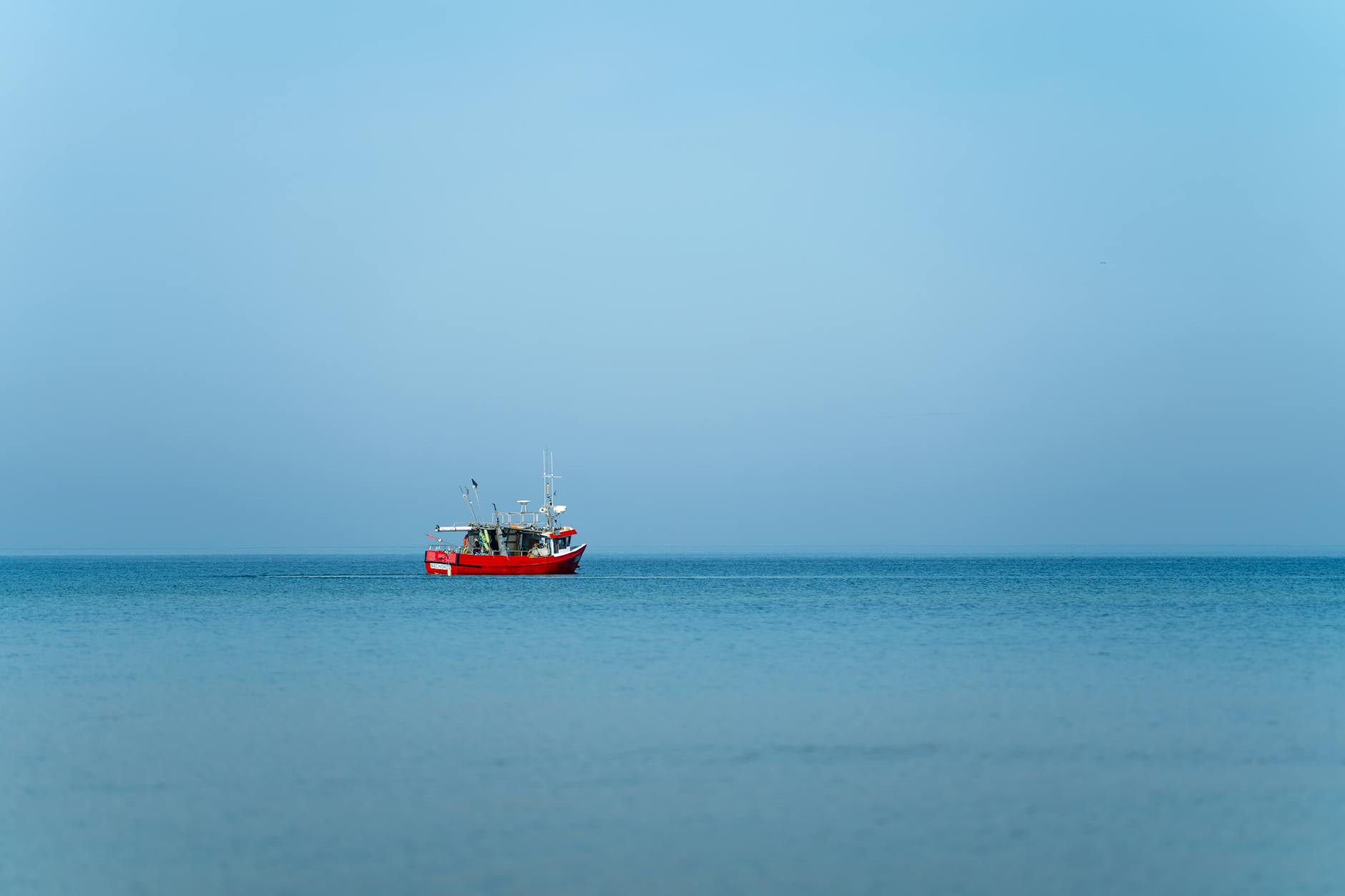
    Events worth planning a trip around

    The island’s calendar is stacked. Fantasy Fest, ten days each October, is the big one — a costumed, parade-filled blowout. Hemingway Days in July brings the look-alike contest and a tongue-in-cheek Running of the Bulls. The Songwriters Festival in May is the largest of its kind. Add the Conch Republic celebration in April, Pride in June, and the New Year’s Eve Shoe Drop, and you can plan a whole trip around the schedule — which our events and festivals guide lays out month by month.
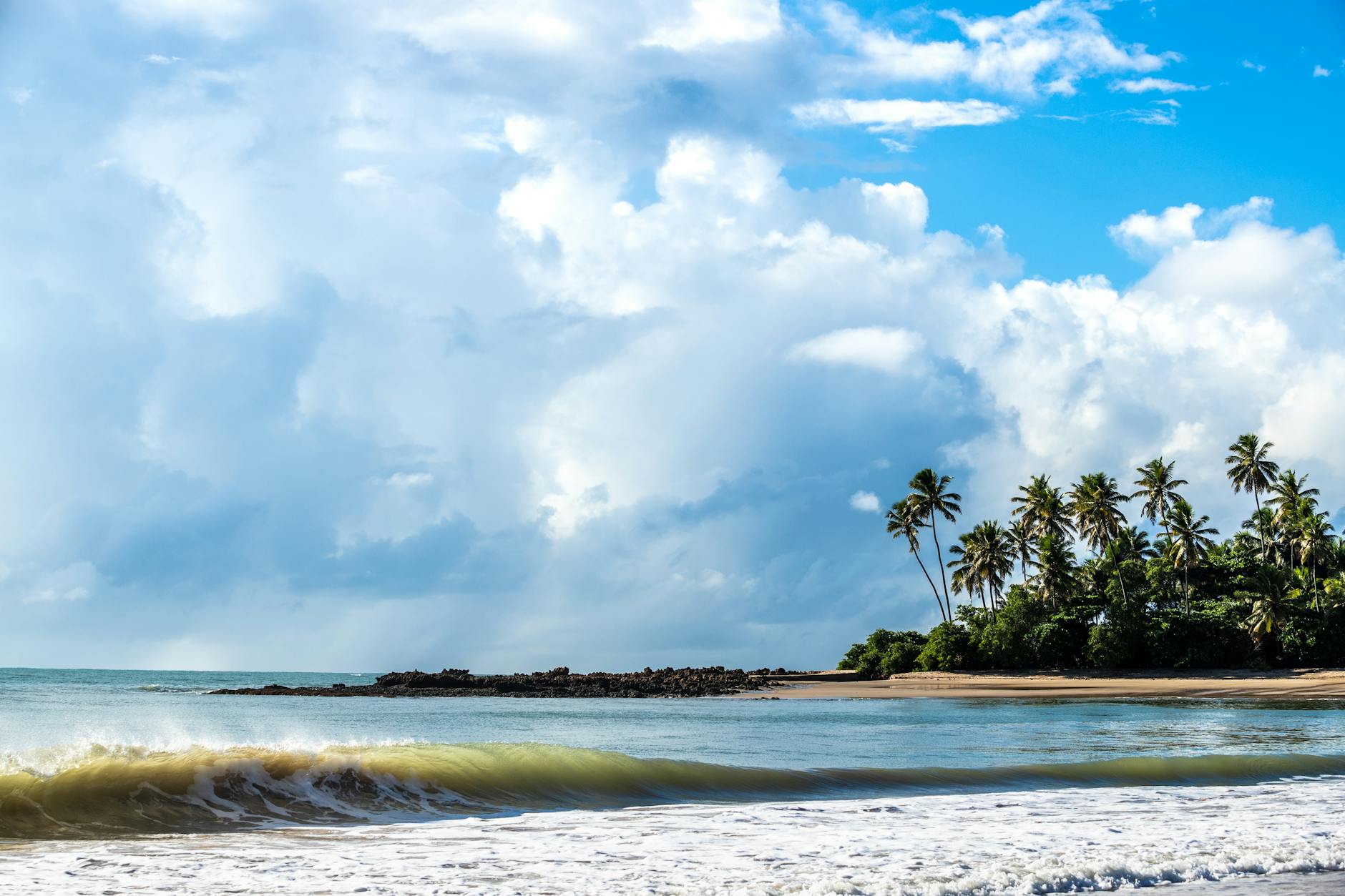
    Getting around (spoiler: skip the car)

    Four miles by one mile means you rarely need a car. Walk, bike, or rent a scooter or golf cart. Bike rentals start around $15 a day and racks are free everywhere; scooters run about $35 and park free in motorcycle spots. If you do drive down, brace for parking at $30 to $40 a day in downtown lots — stash the car at your hotel and go human-powered. The full logistics, including flights and the Overseas Highway drive, are in our getting to Key West guide.
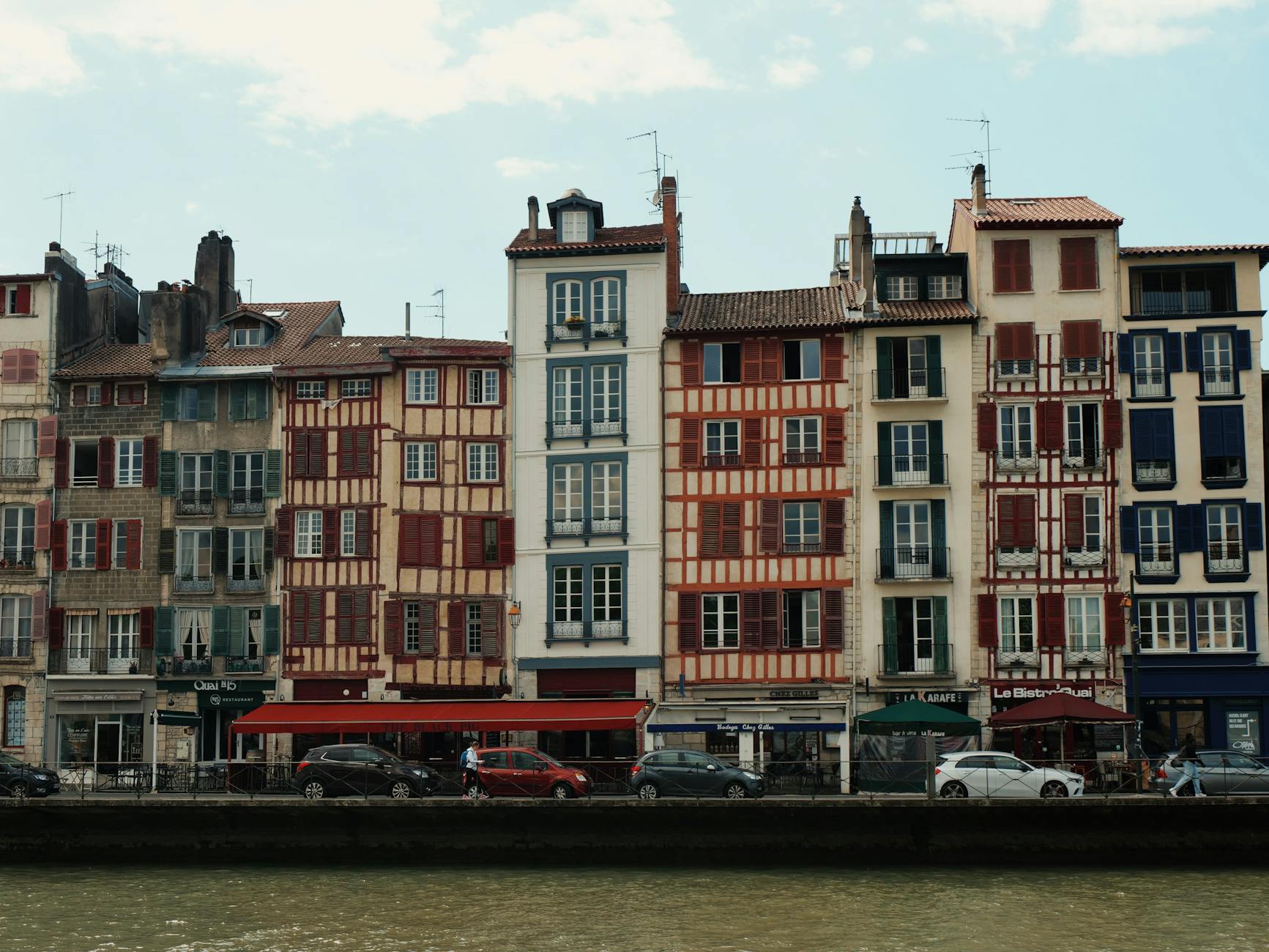

    The right time to come

    December through April is the sweet spot for weather — mid-70s to low 80s, dry, low humidity — and also the most crowded and expensive, especially January through March. April and May thread the needle with good weather, thinner crowds, and softer prices. Summer is hot, humid, and prone to afternoon storms but cheaper; September and October are the quietest and cheapest of all, with the trade-off of hurricane season. We break it all down in our best time to visit guide, and if the budget’s the priority, start with the Key West on a budget guide.

    Key West by the kind of traveler you are

    With kids

    Key West is friendlier to families than its party reputation suggests. The Butterfly and Nature Conservatory at the foot of Duval is a warm, calm room full of hundreds of butterflies; the aquarium’s shark feedings are a hit; and Higgs and Smathers have the shallow, calm water little kids want. Start with our Key West with kids guide and the roundup of family activities.

    For couples

    Sunset sails for two, couples’ spa treatments, candlelit dinners out on Sunset Key, and slow evening walks through Old Town’s gardens make this an easy romantic trip — and one of the country’s top spots to actually get married. See the romantic getaway guide and our picks for wedding venues.

    On a budget

    Key West has a pricey reputation, but a lot of the best of it is free — the Mallory sunset, walking Duval, the cemetery, the Eco-Discovery Center, and the public beaches. Come off-season and lodging can drop by half. Our guide to free things to do is a good place to start.

    Solo, or stuck in the rain

    Traveling alone? The island’s walkability and easy bar-side conversation make it one of the better solo trips in Florida — details in our solo travel guide. And if a summer storm rolls in, we’ve got a whole list of rainy day activities and outdoor options for when it clears. Ready to build the itinerary? Our vacation planning guide and Key West bucket list tie it all together.

    Frequently asked questions

    What are the top five must-do activities in Key West?

    If you only have time for five: catch the Sunset Celebration at Mallory Square, snorkel or dive the reef, tour the Hemingway Home, take a sunset sail, and walk Duval Street end to end. Those five hit the natural beauty, the history, the maritime culture, and the social scene in one trip.

    How many days do you need in Key West?

    Three to four days is the sweet spot for the major sights, some water time, and the food scene without rushing. Add a day if you’re doing Dry Tortugas, which eats a full day. Five to seven days suits anyone who wants multiple dive or fishing trips and a proper crack at the nightlife.

    Is Key West worth visiting?

    Yes, easily. Few places pack this much into so small a footprint — reef snorkeling, a 3,000-building historic district, legendary nightlife, strong dining, and a culture that exists nowhere else. Because the island is tiny, you’re never far from the next good thing.

    What is there to do in Key West for free?

    A lot. The Mallory Square sunset, the Southernmost Point, walking Duval, the Pelican Path architecture walk, swimming at Smathers and Higgs, the Eco-Discovery Center, the cemetery, the galleries, the low-cost Key West Rides shuttle, and sunrise from the White Street Pier all cost nothing.

    What should I not miss?

    Beyond the marquee sights: a Cuban meal (El Siboney is a longtime favorite), a Key lime pie taste test, the view from the top of the lighthouse, a walk through the quiet streets south of Truman Avenue, and at least one night of live music at an open-air bar. That’s the everyday magic most visitors walk past.

    Is Key West safe for tourists?

    Generally very safe. Old Town, Duval, the beaches, and the waterfront are busy and well lit. Use the usual sense — mind your belongings in crowds and stay aware at night — but the town’s small size means help is never far.

    What’s the best way to get around Key West?

    Walking and biking. Almost everything is within a 15-to-20-minute walk, the terrain is flat, and bike rentals are cheap. Scooters and golf carts are popular too, and the low-cost Key West Rides shuttle covers the main corridor. A car is more liability than asset here given parking prices.

    When is the cheapest time to visit Key West?

    Late summer into fall — August through November — with September and October the lowest of all, sometimes half the winter rate. The trade-off is heat, humidity, and hurricane season, though Key West’s far-south position often keeps it out of the worst storm tracks.