Sheet 06 · Fishing
Key West Reef and Wreck Fishing: Species and Techniques (2026)
A guide to Key West reef and wreck fishing — the species, the famous Vandenberg wreck, bottom-fishing techniques, and why it's perfect for catching dinner.

If you want the best of both worlds in Key West fishing — steady action and a cooler full of the finest eating fish in the sea — reef and wreck fishing is your trip. Out on the coral reefs and the dramatic shipwrecks scattered offshore, you’ll drop baits to hungry schools of snapper and grouper, tangle with hard-pulling amberjack and cobia, and bring home dinner that’s hard to beat. It sits perfectly between the calm backcountry and the far-offshore big-game scene. Here’s my complete guide to Key West reef fishing and wreck fishing.

Key Takeaways
- Reef and wreck fishing targets snapper, grouper, amberjack, cobia, and more — some of the best-eating fish in the ocean.
- The famous Vandenberg wreck, a 522-foot ship sunk about 7 miles offshore, is a top spot teeming with fish.
- It’s bottom fishing — dropping baits to structure — with steady action that’s great for families and anglers who want to catch dinner.
- Charters are all-inclusive, and your catch makes superb table fare you can have cooked at a local restaurant.
What is reef and wreck fishing?
Reef and wreck fishing is bottom fishing over structure — the coral reefs and sunken ships a few miles off Key West where fish congregate to feed and shelter. It occupies the sweet spot between backcountry fishing (shallow, inshore, light tackle) and deep sea fishing (far offshore, trolling for big pelagics). On a reef or wreck trip, the captain anchors or drifts over productive structure and you drop baited rigs down to the fish below. The action is usually steady and productive — these spots concentrate large numbers of fish — and the species are prized eating, so you’re likely to come home with a great catch. It’s one of the most popular and rewarding ways to fish here, and a key part of our Key West fishing guide.
A typical reef and wreck trip

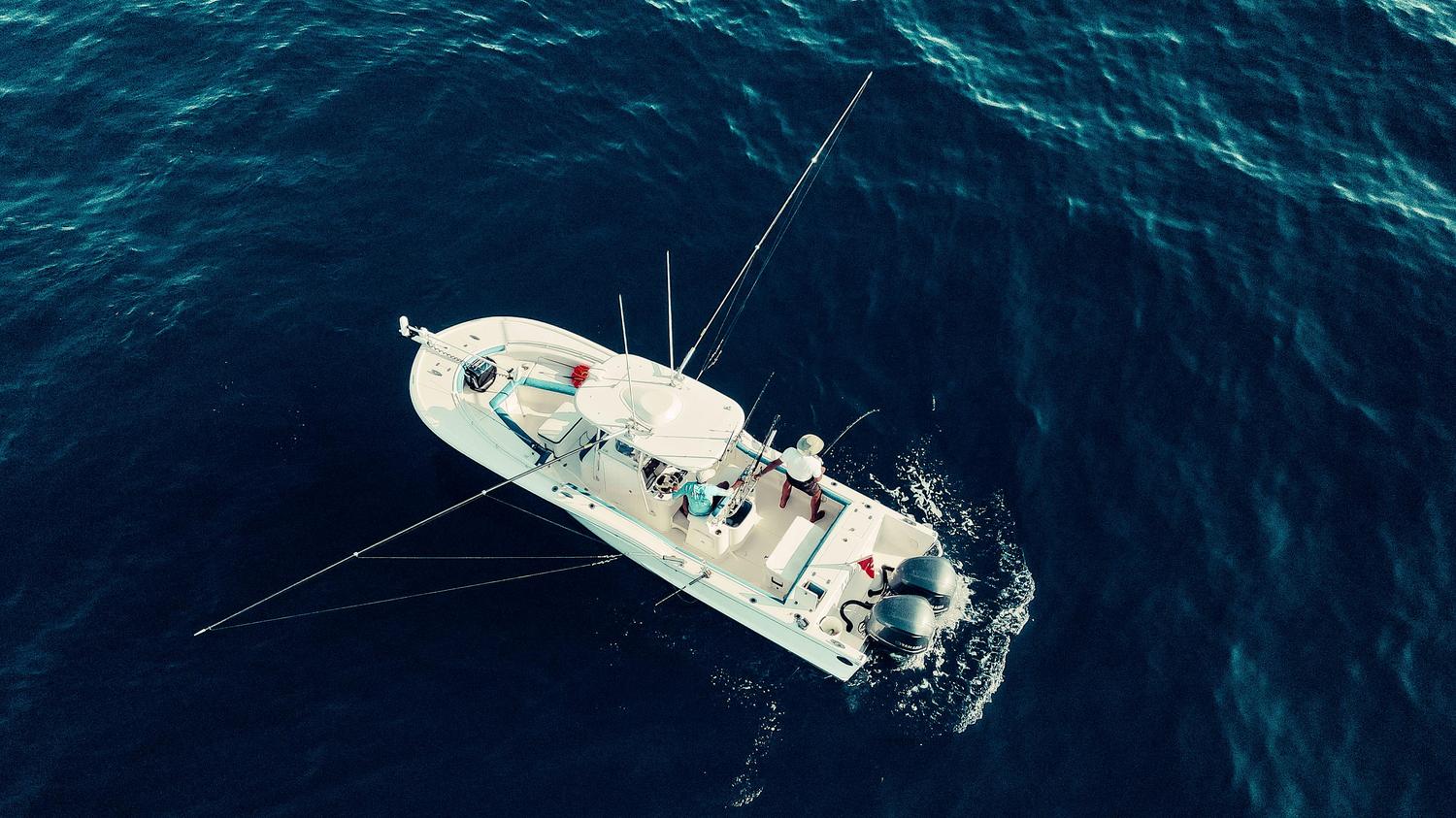
Here’s how a trip usually plays out. You’ll leave the dock and run a few miles offshore to the reefs or a wreck the captain knows is producing — a 20-to-40-minute ride depending on the spot. At a reef, the captain may set up a chum slick and have you free-line baits back to bring up the snapper; at a wreck like the Vandenberg, you’ll drop baited rigs to the structure below. Then the action begins, often fast: snapper after snapper on a good reef bite, or the heavy thump of a grouper or amberjack on the wrecks. The mate rigs your gear, baits hooks, gaffs and unhooks fish, and keeps you in the zone, while the captain repositions to stay on the bite. You’ll fill the cooler with keepers (within legal limits), release the rest, and head back in. The mate cleans your catch at the dock. It’s a productive, hands-on day with plenty of bent rods — exactly the kind of action-packed trip that keeps families and serious anglers alike coming back. It’s a highlight of our Key West fishing guide.
The species: dinner doesn’t get fresher

The reefs and wrecks hold a who’s-who of delicious and hard-fighting fish:
- Yellowtail snapper — the reef favorite, often caught by chumming; delicious and abundant.
- Mutton, mangrove, and other snapper — prized table fish that fight well.
- Grouper (black, red, gag) — powerful bottom-dwellers and superb eating (note seasonal closures apply).
- Amberjack — bruising, hard-pulling “reef donkeys” that test your arms, found around the deeper wrecks.
- African pompano, cobia, and jacks — bonus species that show up around structure.
- Barracuda and sharks — toothy extras that keep things exciting.
Most of these are excellent eating, which is a big part of the appeal — see our seafood restaurants guide for spots that cook your catch.
The Vandenberg and Key West’s famous wrecks

Key West’s star wreck is the USNS General Hoyt S. Vandenberg, a massive 522-foot ship deliberately sunk in May 2009 about 7 miles offshore to create an artificial reef (and relieve fishing and diving pressure on the natural reefs). It sits in roughly 140 feet of water, with the top of the superstructure just ~40 feet down, and it’s become a thriving ecosystem packed with fish — mutton snapper, grouper, African pompano, amberjack, and more stack up around it. Beyond the Vandenberg, the waters off Key West hold numerous other wrecks and artificial reefs, each its own fish magnet. (The Vandenberg is also one of the world’s great wreck dives — see our scuba diving guide.) A good captain knows which wrecks are producing and how to fish each one.
Reef vs. wreck: what’s the difference?
Both involve bottom fishing over structure, but they fish a bit differently. Reef fishing is typically over the natural coral reefs in shallower water (often 30–90 feet), where yellowtail snapper are a prime target — captains often chum to bring the schools up and behind the boat, creating fast, fun, light-tackle action that’s great for families. Wreck fishing targets the sunken ships and deeper structure (the Vandenberg sits in 140 feet), where bigger fish like grouper and amberjack lurk — this is heavier tackle and a more powerful fight, since you have to muscle strong fish away from the structure before they break you off. Many trips combine both, hitting reefs for snapper and wrecks for the bruisers. Tell your captain whether you prioritize numbers and eating fish (reef) or a bigger battle (wreck).
Techniques and tackle
Reef and wreck fishing is mostly bottom fishing, and the methods are approachable. The classic setup is a Carolina rig with a 4- to 6-ounce sinker to get your bait down to the structure, and live bait is generally recommended (pilchards, pinfish, or cut bait), though jigs work too. For yellowtail snapper on the reef, captains often deploy a chum bag and free-line baits back into the slick. Because fish often hold up-current of a wreck, the captain positions the boat to drift baits naturally into the strike zone. The guide rigs everything, shows you the technique, and tells you when to drop and when to reel — so even first-timers catch fish. The heavier wreck fishing for grouper and amberjack demands strong gear and a strong back, but the payoff is a serious fight.
Chumming for yellowtail: a Key West art
If there’s one signature reef technique to know, it’s chumming for yellowtail snapper. Captains anchor up-current of a productive reef patch and deploy a chum bag (and sometimes a chum log) that releases a steady stream of ground bait, creating a slick that draws yellowtail up off the bottom and behind the boat. You then free-line a lightly weighted (or unweighted) bait back into the slick, letting it drift naturally among the chum so it looks like just another morsel. When the yellowtail are fired up, the action is fast and addictive, and these snapper — sweet, white-fleshed, and prized — make superb eating. It’s a finesse game of light line and natural presentation that’s surprisingly fun and very effective, and watching a school of yellowtail materialize behind the boat is a genuine reef-fishing thrill. Good captains are masters of dialing in the chum and getting the snapper to bite, which is a big reason local knowledge pays off so much on these trips.
Tips for first-time bottom fishers
New to bottom fishing? A few pointers make it more successful and fun. Feel for the bottom — let your rig sink until the sinker touches down, then reel up a turn or two so your bait sits just above the structure where the fish feed. Set the hook promptly on grouper especially, and reel hard and fast to pull them up and away from the wreck before they dive back into it and break you off (grouper are notorious for this). For snapper, a lighter touch and patience with the chum slick wins. Listen to the mate, who’ll tell you when to drop, when to wind, and how to fight each species. Bring seasickness precautions if you’re sensitive, since the reef and wrecks are in open water that can have some chop (a morning trip on a calm day is smoothest). And pace yourself with sun, water, and snacks — it’s an active day. Most first-timers are catching fish within minutes, which is exactly why reef trips are so beginner-friendly.
Who it’s for and what’s included

Reef and wreck fishing suits a broad range of anglers. It’s great for families and beginners (especially reef fishing for snapper, with its steady, light-tackle action), excellent for anyone wanting to catch dinner, and thrilling for stronger anglers who want to battle grouper and amberjack on the wrecks. Charters are typically all-inclusive — rods, reels, tackle, bait, and the fishing license are provided, and the captain cleans your catch. You bring sun protection, food and drinks, and a tip. Trips are usually offered as half or full days; a half day is plenty for reef snapper action, while serious wreck fishing for big grouper often warrants a full day to reach the better offshore wrecks. For party-boat options that make reef fishing especially affordable, see our party boat fishing guide.
Fishing and diving the same wrecks
One of the cool things about Key West’s wrecks is that they’re prized by both anglers and divers — the Vandenberg in particular is one of the most famous wreck dives on the planet. If you have multiple water-lovers in your group with different interests, you can build a trip around the same structure: anglers fish a wreck or reef while others snorkel or dive it on a separate excursion. The artificial reefs were created precisely to spread out fishing and diving pressure and give marine life more habitat, and they’ve succeeded spectacularly, becoming thriving ecosystems. If the underwater world calls to you, pair your fishing with our scuba diving guide or snorkeling guide to experience these wrecks and reefs from below the surface as well as above it. Few places let you appreciate the same underwater structure in so many ways.
Best time and seasons
Reef and wreck fishing is productive year-round in Key West’s warm waters, with snapper available in all seasons. That said, regulations and seasonal closures matter — notably, certain grouper species have closed seasons (for example, shallow-water grouper like gag and black are typically closed in the Atlantic waters off the Keys during the late-winter spawning months), and size and bag limits apply to all species. A good captain knows the current regulations and what’s open and biting, so you’ll always be fishing legally for what’s in season. For the full month-by-month picture of what to target when, see our Key West fishing seasons guide, and our best time to visit guide for weather considerations.
Private charter or party boat?
You have two main ways to go reef fishing in Key West, and the right one depends on your group and budget. A private charter gives you your own boat, captain, and mate, with the flexibility to target what you want and a more personalized experience — ideal for families, groups, or serious anglers, and priced per boat. A party boat (head boat), by contrast, takes a larger group of individual anglers out to the reef for a set price per person, making it by far the most affordable way to reef fish and a fun, social option for solo travelers and budget-minded visitors. Party boats are especially good for reef snapper fishing, where everyone drops lines over the same productive spot. The trade-off is less personal attention and a fixed schedule and location. If cost or a casual, social vibe matters most, the party boat is a great entry point; if you want flexibility and a tailored trip, book a private charter. We break down the head-boat experience fully in our Key West party boat fishing guide, and our budget guide has more cost-saving ideas.
Frequently asked questions
What fish do you catch reef and wreck fishing in Key West?
Yellowtail, mutton, and mangrove snapper; black, red, and gag grouper; amberjack, African pompano, cobia, jacks, and the occasional barracuda or shark. Most are excellent eating, making this a great trip for catching dinner.
What is the Vandenberg wreck?
The USNS Vandenberg is a 522-foot ship sunk about 7 miles off Key West in 2009 as an artificial reef. It sits in roughly 140 feet of water and teems with snapper, grouper, amberjack, and more, making it both a top fishing spot and a world-famous wreck dive.
Is reef fishing good for families and beginners?
Yes — reef fishing for snapper is steady, light-tackle action that’s perfect for families and first-timers, with the captain handling the rigging and coaching. Wreck fishing for big grouper and amberjack is more demanding but thrilling for stronger anglers.
Can I eat the fish I catch?
Absolutely — snapper and grouper are among the best-eating fish in the ocean. Within legal size and bag limits, your captain will clean your catch, and many Key West restaurants will cook it for you “hook and cook” style.
What’s the difference between reef, wreck, and deep sea fishing?
Reef and wreck fishing is bottom fishing over structure a few miles offshore for snapper, grouper, and amberjack. Deep sea fishing runs farther offshore, trolling for big pelagics like marlin, sailfish, and mahi. Backcountry fishing is inshore, in the shallow Gulf-side flats and channels.
How long is a reef and wreck fishing trip?
Most operators offer half-day (about 4 hours) and full-day (about 8 hours) trips. A half day is plenty for fast reef snapper action close to shore, while a full day lets you run farther to the better offshore wrecks like the Vandenberg and target bigger grouper and amberjack. For families and first-timers, a half day usually delivers great results without overdoing it; dedicated anglers chasing trophy bottom fish should opt for the full day.
Do I need to bring anything for a reef fishing charter?
The charter provides all the fishing gear, bait, tackle, and the license, so you mainly need sun protection (hat, sunglasses, reef-safe sunscreen), food and drinks, a light layer, and any seasickness remedy if you are prone to it. Bring a cooler if you want to take fish home, though many boats supply one, and cash for a tip for the hardworking mate who rigs your lines and cleans your catch.
The takeaway
Reef and wreck fishing is Key West’s most rewarding way to combine steady action with a cooler full of world-class eating fish. Chum up yellowtail snapper on the reef, drop to the Vandenberg for grouper and amberjack, and bring home dinner — all with a guide who does the work. It’s perfect for families, beginners, and anyone who wants to actually catch (and eat) fish. Explore the rest of the island’s angling in our Key West fishing guide and our water sports guide.
Sources & corrections
Rates, hours and closures verified against operator listings and on-island visits. Prices are peak-season unless noted.