Sheet 07 · Florida Keys
Big Pine Key and the Lower Keys: The Quiet Side of the Islands
The Lower Keys as a base: the Key Deer Refuge and the Blue Hole, the best mangrove paddling in the chain, Looe Key reef, and the honest arithmetic of sleeping here instead of Key West.
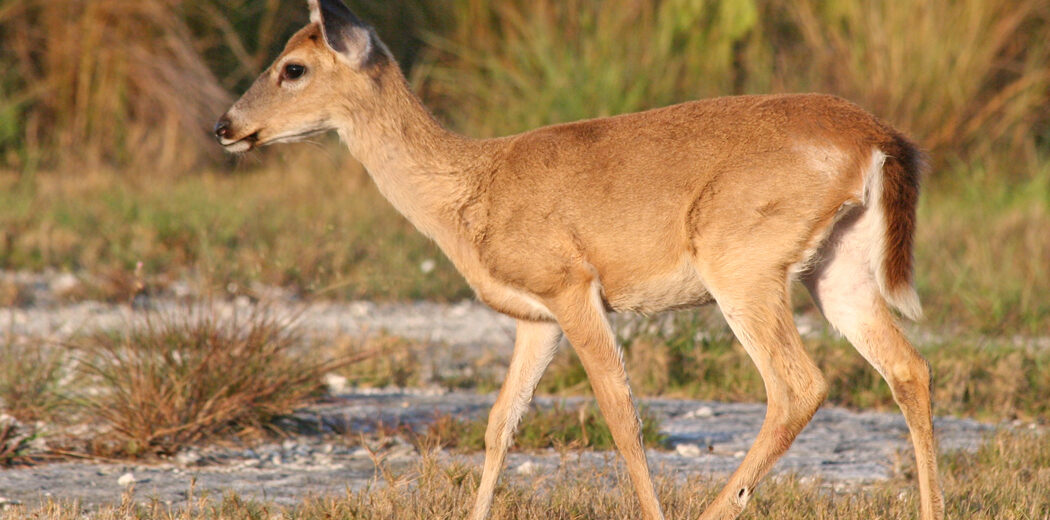
The speed limit sign after the Bahia Honda bridge is the first clue. Then the pines start — actual slash pines, thin and grey, growing out of bare limestone in a way that looks nothing like the rest of the archipelago — and then a deer the size of a labrador steps onto the shoulder and looks at your car without moving. Big Pine Key is the point at which the Florida Keys stop performing for visitors, and for a certain kind of traveler that is precisely the appeal.
This guide covers Big Pine and the Lower Keys — the Torch Keys, Ramrod, Summerland, Cudjoe, Sugarloaf and the small keys down to Saddlebunch — as somewhere to stay rather than somewhere you drive through at 45 mph. It covers the refuge and the Blue Hole, the backcountry paddling and fishing that are the real reason to be here, the pub and the two restaurants, and the case for and against using this as a cheaper base than Key West. Prices were checked in September 2026 and should be read as the right order of magnitude.
At a glance: what the Lower Keys cost
| Item | Typical 2026 price | Notes |
|---|---|---|
| National Key Deer Refuge, Blue Hole, trails | Free | Daylight hours; visitor center hours vary, call ahead |
| Guided kayak trip, half day | $70–$110 per person | Mangrove tunnels and backcountry islands |
| Kayak rental | $40–$70 a day | Several outfitters between MM 17 and MM 30 |
| Backcountry flats guide, half day | $450–$600 for two anglers | Bonefish, permit, tarpon; cheaper than Islamorada |
| Offshore charter, half day | $700–$950 for up to six | Reef edge and the Gulf Stream |
| Looe Key snorkel trip | $50–$80 per person | Runs from Ramrod Key, MM 27; best reef in the Lower Keys |
| Mid-range room, winter | $190–$350 | $130–$220 in September and October |
| Vacation rental house, winter | $250–$500 a night | Canal front with a dock is the norm here |
| Dinner, two courses | $28–$40 per person | Fewer than a dozen restaurants across 20 miles |
| Parking in Key West, if you day-trip in | $4–$6 an hour | Or take the Lower Keys Shuttle instead |
The geology that makes the Lower Keys different
This is not a small thing and it explains everything else. The Upper and Middle Keys are built on Key Largo limestone — fossilized coral reef, laid down when sea level was higher. From about the Seven Mile Bridge southwest, the islands are built on Miami oolite instead: a granular limestone formed from cemented sand rather than coral.
Oolite holds fresh water. Rain sinks into it and floats as a lens above the salt water beneath, and that lens is the reason Big Pine Key has slash pine forest, palms, and the only freshwater wetlands in the archipelago — and the reason it can support a population of deer. It also changes the shape of the islands. The Lower Keys run roughly perpendicular to the highway rather than in a line, with long fingers of land and shallow bays between them, which is why the paddling here is the best in the Keys and why the road feels like it is threading through a maze.
The National Key Deer Refuge
The refuge covers around 84,000 acres across Big Pine, No Name Key and a scatter of backcountry islands, established in 1957 when the endemic Key deer population had crashed to fewer than fifty animals. It has recovered into the high hundreds and is still listed as endangered. The deer stand about 30 inches at the shoulder and weigh 55 to 75 pounds — a dwarf subspecies of white-tailed deer, isolated on these islands since sea level rose after the last glaciation.
They are also entirely unafraid of people, and this is where visitors do damage without meaning to. Vehicle strikes are the leading cause of death. The reduced speed limits along Key Deer Boulevard and US 1 through Big Pine are camera-enforced and they exist for a reason. Feeding is illegal and it is worse than illegal — a deer that learns to associate cars with food stands next to the road waiting, and then it dies there. If you see somebody offering a deer a cracker, they are the problem.
The Blue Hole
Two miles up Key Deer Boulevard from US 1 is a flooded quarry, cut for railroad fill and now the largest body of fresh water in the Keys. There is a small observation platform and a short accessible path. On most visits you will see turtles, wading birds, and one or more American alligators — genuinely wild ones, in the only place in the island chain where they can live.
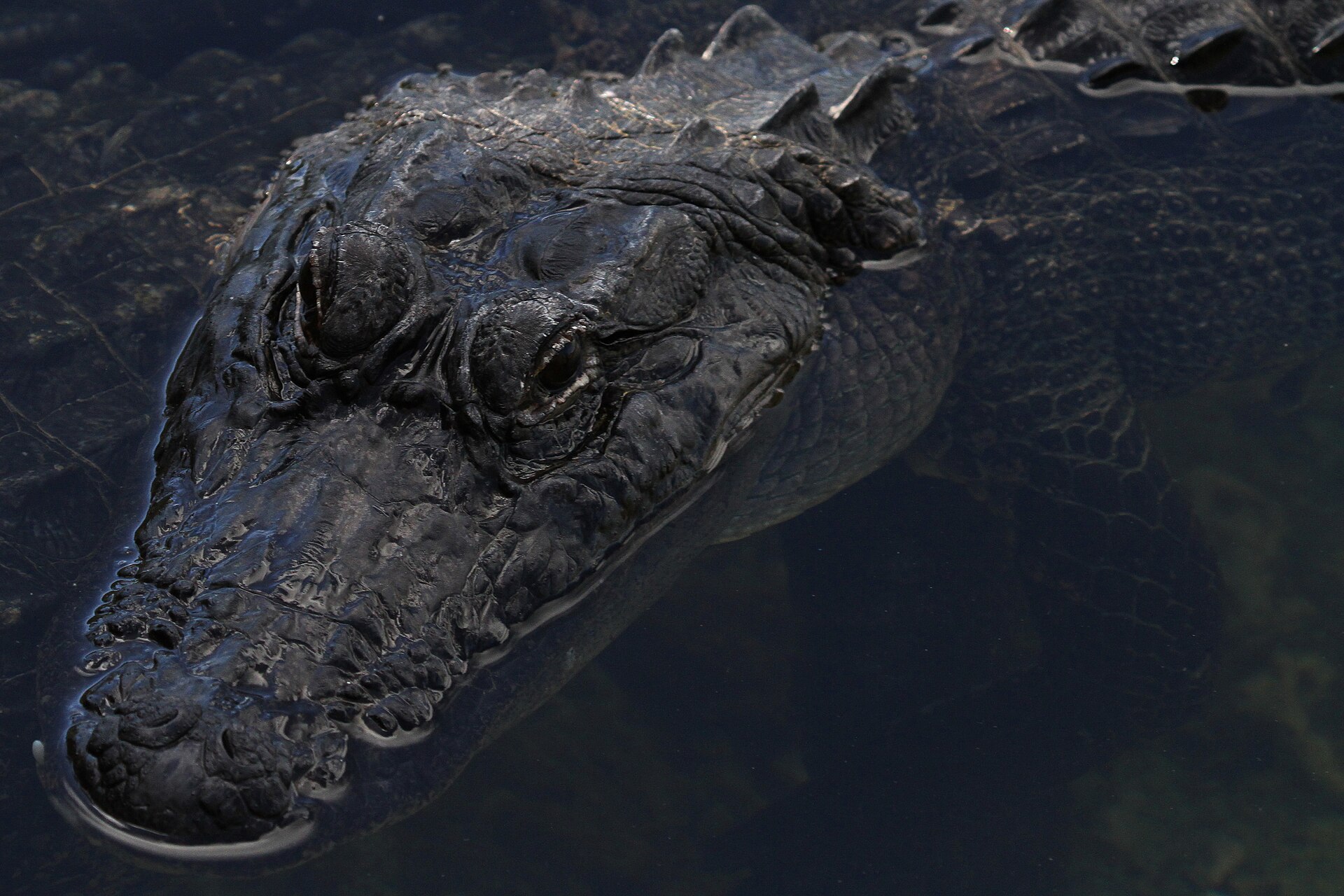
Do not go down to the water’s edge, do not let a dog near it, and do not feed anything. The site is free and takes twenty minutes.
The trails
- Jack Watson Nature Trail — about two-thirds of a mile through pine rockland and hardwood hammock, sandy and easy, with interpretive signs. Best at dawn for deer.
- Fred Mannillo Nature Trail — a short wheelchair-accessible boardwalk loop next to the Watson trail, ending at a small pond. One of very few genuinely accessible nature trails in the Keys.
- Long Beach Road and No Name Key — not formal trails, but quiet paved roads where the deer concentrate at dawn and dusk. Drive them slowly or, better, cycle them.
Bring insect repellent for all of it. The mosquitoes on Big Pine in summer are a serious proposition and the no-see-ums at dusk are worse.
The water: what the Lower Keys are actually for
Paddling
This is the headline. The bays and mangrove creeks between the Torch Keys, Summerland, Cudjoe and Sugarloaf form the most extensive shallow-water paddling network in the Keys, much of it inside the Great White Heron and Key Deer refuges. On a calm morning you can be in a mangrove tunnel two feet wide with juvenile snapper under the hull, a great white heron on a root, and no engine noise at all.
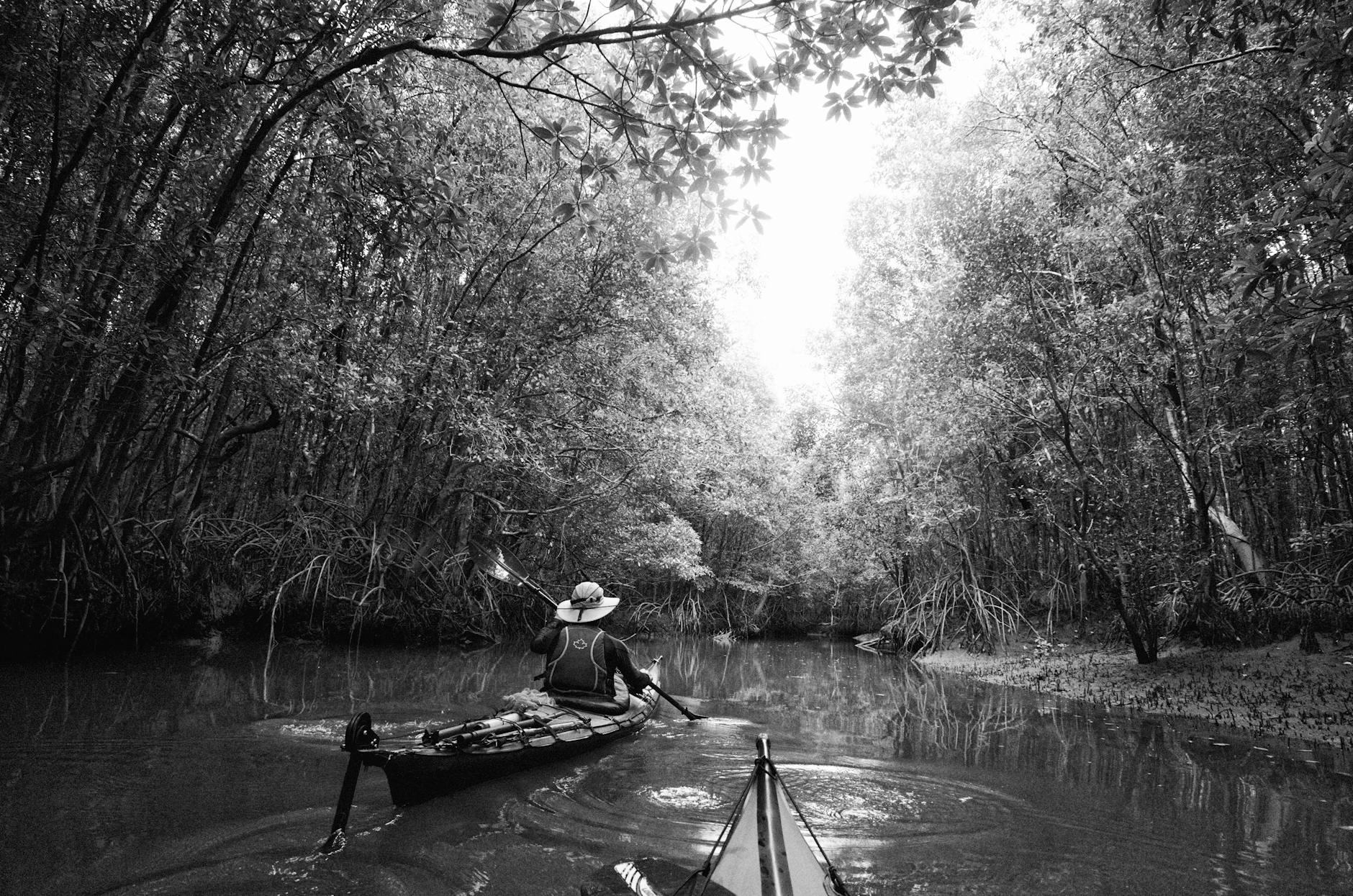
Guided trips run $70–$110 for a half day and the guides here are good — several are biologists. Rentals are $40–$70 a day. If you go independently, take a chart, check the tide, and understand that a mangrove creek that is passable at high water is a mud plug three hours later. Compare with what the operators run from the southern end in our Key West eco tours guide — same ecosystem, longer boat ride, more money.
Looe Key
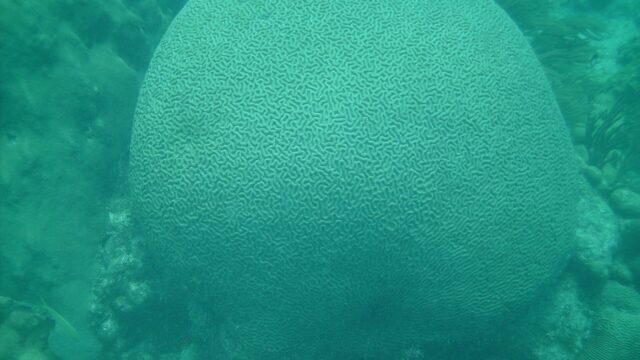
Off Ramrod Key at MM 27 sits Looe Key Reef, the best reef in the Lower Keys and, on the right morning, better than anything off Key West. It is a Sanctuary Preservation Area — no fishing, no anchoring, mooring buoys only — with a spur-and-groove system running from 5 feet down to about 35, which means snorkelers get the good stuff rather than the leftovers. Elkhorn coral, big brain corals, tarpon and barracuda in the channels, and enough shallow structure to keep children interested.
Trips run $50–$80 from the dive shops on Ramrod and Big Pine. The reef is named for HMS Looe, a British frigate wrecked here in 1744; her ballast and cannon are still on the bottom. Go on a morning boat, and if the wind has been over 15 knots from the east for two days, reschedule.
Fishing
The Lower Keys backcountry is arguably the best bonefish and permit water in the country, and guides here charge $450–$600 for a half day for two anglers — $50 to $150 less than the same trip out of Islamorada or Key West, from docks that are closer to the fish. Offshore charters run $700–$950 for a half day. The bridges are free and productive: the old Bahia Honda span, the Niles Channel bridge and Sugarloaf’s channels all fish well from shore.
Where to stay
Vacation rentals: $250–$500 a night in winter
The dominant option and the best one. A two- or three-bedroom canal-front house with a dock, a screened porch and a grill, ten minutes off US 1. For a family or two couples this comfortably undercuts equivalent hotel space in Key West and gives you somewhere to keep a kayak. Check the canal depth at low tide if you plan to bring a boat, and check whether the property is on a “no-see-um” canal — locals will know, and the difference at dusk is dramatic.
Small motels and lodges: $190–$350
A handful of properties on Big Pine, Ramrod and Cudjoe, several attached to dive shops or marinas. Plain, friendly, often with a dock and a pool. This is the closest thing left in the Keys to the 1960s roadside version of the islands.
Camping and RV
Bahia Honda’s campground, twelve minutes east, is the state park option and the best campsite in the Keys — book it eleven months out. Two large private RV resorts on Big Pine and Sugarloaf take tents and rigs at $60–$110 a night with pools, marinas and boat ramps. Our Key West camping guide explains the reservation window and how people actually get sites.
Eating and drinking
Set your expectations. There are perhaps a dozen restaurants across twenty miles of islands, most close by 9:00 p.m., and several close entirely for a month in the low season. That is part of the deal.
- No Name Pub — off the highway on North Watson Boulevard, past the bridge to No Name Key, open since 1936, with tens of thousands of stapled dollar bills covering every surface. The pizza is genuinely good, the beer is cold, and the drive out to it at dusk is the best chance you have of seeing deer. Cash-friendly, no reservations, expect a wait.
- Springer’s Bar and Grill / the highway spots on Big Pine — unpretentious fish, burgers, and a local crowd. Fine, cheap, and exactly what it looks like.
- Square Grouper (Cudjoe Key, MM 22.5) — the one genuinely ambitious kitchen in the Lower Keys, doing serious things with local fish. Book ahead. The upstairs bar does small plates and is easier to get into.
- Mangrove Mama’s (Sugarloaf, MM 20) — a shack under a jungle of vegetation, with live music some nights and a Sunday brunch people drive from Key West for.
- Baby’s Coffee (MM 15) — roasted on site, the only real coffee between Marathon and Key West, open early.
- Groceries — one supermarket on Big Pine at MM 30. Stock up there; there is nothing until Key West.
Odds and curiosities
- The Perky Bat Tower site (Sugarloaf, MM 17) — in 1929 a developer named Richter Perky built a 30-foot cypress tower to house bats he hoped would eat the mosquitoes and make his fishing resort viable. The bats, released, flew away and never came back. The tower stood for 88 years and was destroyed by Hurricane Irma in 2017. Only the base remains, and the story is better than the ruin.
- Blimp Road (Cudjoe Key, MM 21.5) — a road out to the mooring for “Fat Albert,” the tethered aerostat that carried surveillance and TV Martí broadcasts toward Cuba for decades. Good sunsets, good shore fishing, and a strange piece of Cold War infrastructure at the end of it.
- Sugarloaf Key’s sponge dock and the shallow flats — worth a stop for the water color alone.
- The Torch Keys — named for torchwood, which burns green when it is wet. Nothing to do there, which is the point.
The Great White Heron National Wildlife Refuge
North of the Lower Keys, out in the Gulf, sits a refuge most visitors never hear about: roughly 200,000 acres of open water and about 400 mangrove islands, established in 1938 specifically to protect the great white heron. That bird is a white morph of the great blue heron found almost nowhere else in the United States, and the shallow water here is essentially its entire range.
It is not a place you drive to. Access is by shallow-draft boat or kayak, most of the islands are closed to landing, and there are no facilities of any kind. What you get in exchange is the emptiest water in the Florida Keys: hundreds of square miles of two-foot flats and mangrove keys with roseate spoonbills, white-crowned pigeons, reddish egrets, ospreys and, in winter, white pelicans.
Charter captains out of Big Pine, Summerland and Cudjoe run half-day trips into the refuge for $400–$700 for a small group, and several guides will combine it with a stop on a sandbar. Marvin Key, one of the more accessible islands, is a well-known sandbar destination roughly fifteen miles east of Key West, and captained trips there from the southern end start around $340 for four hours — meaningfully more than the equivalent from a Lower Keys dock, because the run is longer.
If you paddle it yourself, be conservative. There is no shade, no shelter, no fresh water and frequently no other boat in sight, and an afternoon sea breeze that is a nuisance on a beach is a serious problem two miles out in a kayak. Go with a guide the first time.
Using the Lower Keys as a base for Key West
This is the practical question most people are actually asking, so here is the arithmetic. A comparable room or rental in the Lower Keys runs $150–$250 a night less than Old Town. Cudjoe to Duval Street is 22 miles and 25 to 35 minutes. Parking in Key West costs $4–$6 an hour, so budget $20–$30 for an evening, or take Key West Transit’s Lower Keys Shuttle, which runs the route for a few dollars each way and solves the drinking problem entirely.
It works if you have four nights or more, a car, and an interest in the water. Over a week the savings run to several hundred dollars and you get mornings on a flat instead of mornings on Duval. It does not work for a two-night first visit: you will spend the difference on the car and the parking, and you will lose the thing Key West is actually good at, which is walking home from dinner at eleven o’clock. The full comparison of bases is in our island-by-island guide to the Florida Keys.
When to come
December through April is the season: dry, 74 to 80°F, mosquitoes dormant, light winds more often than not, and the flats fishing at its best. Rates peak in February and the roads are busiest, though “busy” here means the No Name Pub car park is full rather than any actual traffic.
May and early June are the sweet spot for the water — the calmest average winds of the year, warm, clear, and cheaper. July and August are hot and humid, superb before nine in the morning, and genuinely difficult at dusk because of the insects; the Atlantic-facing shorelines also collect sargassum from about March through October, and the 2026 bloom was forecast well above historical averages. September and October are the cheapest, quietest weeks of the year, several restaurants close, and it is the peak of hurricane season. Irma made landfall on Cudjoe Key in September 2017 and the Lower Keys took the worst of it; recovery took years, and locals do not treat the forecast casually.
The honest verdict on Big Pine Key and the Lower Keys
If your ideal day involves being on the water by seven, seeing something wild, and eating pizza in a bar full of stapled money, this is the best part of the Florida Keys and it costs less than the rest of it. The paddling is unmatched in the chain, Looe Key is a better reef than anything within reach of Key West, the flats fishing is world-class and cheaper than up the road, and the deer are genuinely a marvel.
If you want a beach, there is no real beach here — Bahia Honda’s is twelve minutes east and is somebody else’s island. If you want restaurants, there are ten. If you want anything at all to happen after nine in the evening, there is nothing, and the drive home from Key West on unlit two-lane road with deer on the shoulder is not a relaxing end to an evening. The Lower Keys reward people who came for the quiet and punish people who came expecting Key West to be nearby. Know which one you are before you book.
Frequently asked questions
Where is Big Pine Key?
MM 29 to MM 33 on the Overseas Highway, about 30 miles and 40 minutes northeast of Key West, and 12 minutes southwest of Bahia Honda State Park. It is the second-largest island in the chain by land area.
Is it worth staying in the Lower Keys instead of Key West?
For four nights or more with a car, yes — you save $150–$250 a night, you are 25 to 35 minutes from Duval Street, and the water is better. For a short first visit built around Old Town, no.
Can you see alligators on Big Pine Key?
Yes, at the Blue Hole, a flooded quarry two miles up Key Deer Boulevard. It is the only substantial fresh water in the Keys and the only place in the islands with resident alligators. Free, with a viewing platform, and open in daylight hours.
What is the speed limit on Big Pine Key?
Reduced on US 1 through the island and lower again on Key Deer Boulevard, with a further reduction after dark, and it is camera-enforced. The signs are posted and they change from time to time, so read them rather than assuming — vehicle strikes are the main cause of Key deer deaths.
Is Looe Key better than the Key West reef?
On a calm morning, yes, for snorkelers — the coral runs from about 5 to 35 feet, so you see the best of it from the surface, and it has been a no-take preservation area for decades. Divers may still prefer the Key West wrecks. Boats leave from Ramrod Key at MM 27 for $50–$80.
Are there mosquitoes on Big Pine Key?
Yes, and they are the worst in the Keys because Big Pine has the only freshwater wetlands in the chain. From June to October, repellent is not optional at dawn and dusk. December to April is largely fine.
Do you need a car in the Lower Keys?
Yes. Nothing here is walkable, the shoulders are narrow, and the one bus is the Lower Keys Shuttle to Key West. A bicycle is genuinely useful for the refuge roads at dawn.
The single best reason to base yourself on Big Pine Key rather than in Key West is sitting six or seven miles offshore. Looe Key is a protected spur-and-groove reef with coral a few feet under the surface, and the morning snorkel boats from Big Pine and Ramrod reach it in well under an hour for around $50 to $80 with gear. Our Looe Key Reef guide covers the operators, the best months and what the coral really looks like now.
Related Key West Guides
- The Florida Keys beyond Key West — the whole chain, island by island
- Marathon Florida Keys — the family-friendly island 25 minutes east
- Key West eco tours — the same backcountry, reached from MM 0
- Key West camping — state park sites and how to actually get one
- Key West snorkeling — how the southern reefs compare with Looe Key
- Key West fishing — flats, reef and offshore charters
Photo Credits
Key deer on Big Pine Key: Key Deer JCB by Joseph C Boone, CC BY-SA 3.0, via Wikimedia Commons.
Alligator at the Blue Hole, National Key Deer Refuge: American Alligator – Alligator mississippiensis, National Key Deer Refuge, Big Pine Key, Florida by judygva, CC BY 2.0, via Wikimedia Commons.
Sources & corrections
Rates, hours and closures verified against operator listings and on-island visits. Prices are peak-season unless noted.