Sheet 07 · Florida Keys
Looe Key Reef: Snorkeling and Diving the Lower Keys Sanctuary
The best reef in the Lower Keys, honestly described: how to get out to Looe Key, what trips cost, what you will see snorkeling and diving, the best months, and the real state of the coral in 2026.
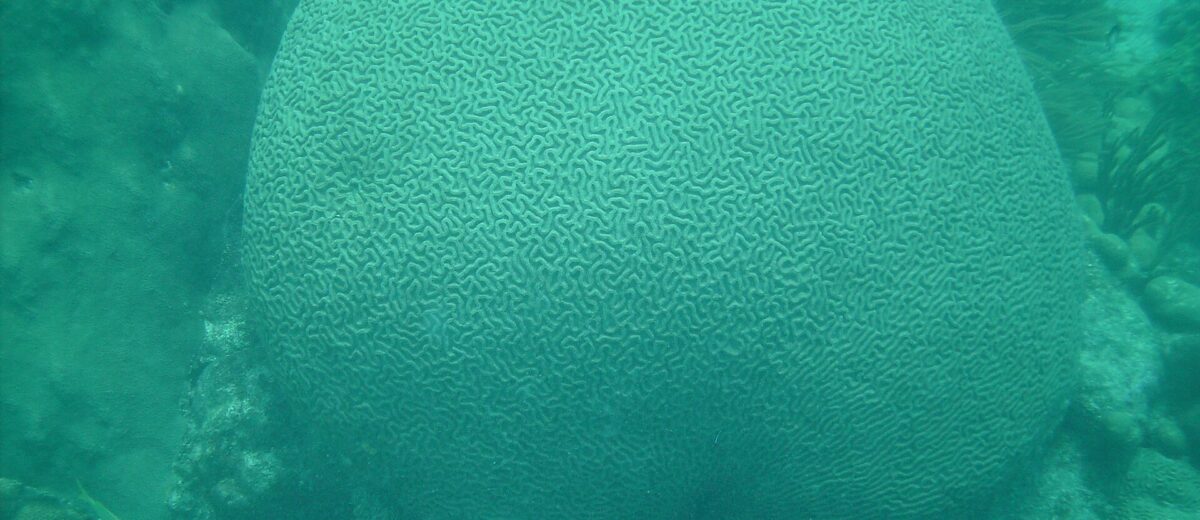
Tie up to a mooring buoy at the right spot, slide off the swim platform, and within two kicks you are floating over a street of coral. Long fingers of reef run out toward deep blue water with white sand channels between them, parrotfish crunch audibly on the rock below you, and a school of yellowtail snapper parts around your mask like a curtain. There is no beach, no island to speak of and nothing to see from the boat but a few markers and a change in the color of the water. Looe Key is the reef the Lower Keys are proudest of, and on a calm summer morning it is the best snorkeling you can reach from anywhere between Marathon and Key West.
This guide covers where Looe Key is and how it is protected, how to get out to it and what the trips cost, what the reef is like for snorkelers and divers, the best months and conditions, the honest state of the coral in 2026, and how to fit it into a stay on Big Pine Key or a day out from Key West. Prices and departure times were checked in September 2026 against operators’ own websites; treat them as the right order of magnitude, and confirm with the boat before you book.
Looe Key at a glance
| Detail | Information |
|---|---|
| Location | About 6 to 7 miles offshore, south of Big Pine Key and Ramrod Key |
| Nearest mile markers | Ramrod Key MM 27.5, Big Pine Key MM 30 |
| Protection | Sanctuary Preservation Area within the Florida Keys National Marine Sanctuary |
| Depth | About 5 to 7 feet on the reef crest, 30 to 35 feet at the sand line |
| Reef type | Spur-and-groove coral reef |
| Access | Boat only, tying to mooring buoys; no anchoring on the reef |
| Typical snorkel trip | About $50 to $80 per person, gear usually included |
| Example | Captain Hook’s Big Pine Key: $54 with gear, 8:30 a.m. and 1:00 p.m. |
| Boat ride | Roughly 25 to 40 minutes from Ramrod or Big Pine |
| Fishing and collecting | Not allowed inside the preservation area |
| Best months | May to September for calm, clear water; winter is windier |
| Signature event | Lower Keys Underwater Music Festival, a Saturday in July |
| Drive from Key West to the dive shops | About 27 to 30 miles, 35 to 45 minutes |
What and where Looe Key is
Looe Key is a small patch of the Florida Reef Tract — the only living barrier coral reef in the continental United States — sitting on the edge of the Atlantic about six or seven miles south of the Lower Keys. There is barely an island there at all: at low tide a sliver of coral rubble breaks the surface, and that is the “key.” The reef itself spreads around it in a band roughly half a mile wide.
It takes its name from HMS Looe, a 44-gun British frigate that ran aground on the reef in February 1744 while chasing a captured Spanish vessel. The wreck broke up long ago, but ballast stones and scattered remains still lie in the shallows, and a marker buoy notes the site on the Shipwreck Trail. Almost nobody comes to Looe Key for the wreck. They come because the reef that sank it is one of the finest stretches of coral architecture in Florida.
How it is protected
Looe Key was designated a national marine sanctuary in its own right in 1981, well before most of the Florida reef had any serious protection. When the Florida Keys National Marine Sanctuary was created to cover the whole island chain, Looe Key was folded into it as a Sanctuary Preservation Area — the tightest category of protection most visitors will ever swim in. In practical terms:
- No fishing of any kind, including spearfishing, and no collecting of shells, coral or marine life.
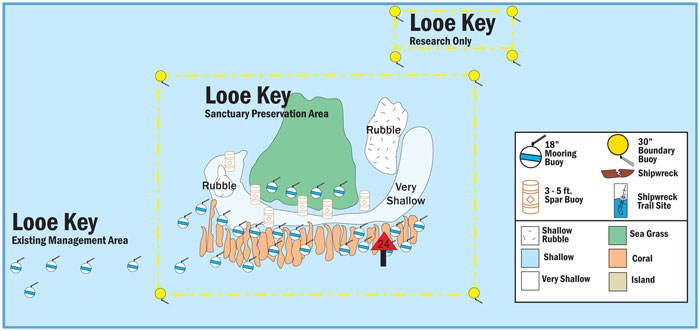
- No anchoring on the reef. Boats tie up to the blue-and-white mooring buoys.
- No touching, standing on or kicking coral.
- A research-only zone sits just off the main reef, closed to the public entirely.
Looe Key is also one of the seven reefs in NOAA’s Mission: Iconic Reefs program, a long-term effort to restore coral across selected Florida Keys sites by replanting nursery-grown corals. You may see restoration frames, tagged colonies or divers from the program at work. Leave them be.
Getting to Looe Key
You need a boat. The reef is far enough offshore that paddling or swimming out is not an option, and it is the kind of water where you want a captain who knows where the buoys are and what the weather is doing. There are three practical ways to do it.
1. Snorkel or dive trips from Ramrod Key and Big Pine Key
This is how most people go, and it is the shortest ride. Operators in the Lower Keys run two trips a day, morning and early afternoon, weather permitting, and the boats are sized for the job — a platform at the back, a ladder, gear in bins and a crew who give a proper briefing.
- Captain Hook’s, Big Pine Key — 29675 Overseas Highway. Snorkel trips are $54 with gear included, departing at 8:30 a.m. and 1:00 p.m. every day, conditions allowing. They also run dive trips; ask for current dive pricing.
- Looe Key Reef Resort & Dive Center, Ramrod Key — MM 27.5, running trips to the reef since 1978, twice daily. Call for the current rate; it is a local institution with a motel, a tiki bar and the closest dock to the reef.
2. Trips from Bahia Honda State Park
The park concession at Bahia Honda (MM 37) runs its own Looe Key snorkel trips, typically at 9:30 a.m. and 1:30 p.m., in the $40 to $60 range. The ride is longer than from Ramrod, but if you are already camping or spending the day at the park it is by far the easiest option, and you can pair it with an afternoon on the best sand in the Keys. See our Bahia Honda State Park guide for the rest of the day. Remember you will pay park entry on top.
3. From Key West
Most Key West snorkel boats do not go to Looe Key. It is roughly 30 miles by road and considerably further by water from the Old Town harbor, and the reefs Key West operators use — Sand Key, the Sambos and Rock Key — are much closer. If you are staying in Key West and want Looe Key specifically, the realistic plan is to drive 40 minutes up to Ramrod or Big Pine, take the morning trip, and be back in Old Town by early afternoon. Our Key West reef snorkeling trips guide compares the boats that leave from the island itself, and they are a fine alternative if you would rather not drive.
| Option | Typical price | Boat ride | Best for |
|---|---|---|---|
| Ramrod Key / Big Pine Key snorkel trip | About $50–$80, gear included | Shortest | Anyone staying in the Lower Keys |
| Bahia Honda concession trip | About $40–$60, plus park entry | Longer | Campers and beach-day visitors |
| Two-tank dive trip from the Lower Keys | Check current rates | Shortest | Certified divers |
| Key West reef snorkel boat (different reef) | Varies widely | From Old Town | Visitors without a car |
| Private charter or rented boat | Several hundred dollars and up | You choose | Groups, experienced boaters |
If you rent a boat and go yourself, know what you are doing. You must use the mooring buoys, the reef crest is shallow enough to put a hull on at low tide, and the Hawk Channel between the islands and the reef can get choppy fast. Fly a dive flag when anyone is in the water.
What you see underwater
The reef structure
Looe Key is a classic spur-and-groove reef. Long ridges of coral — the spurs — run out perpendicular to the shore toward open ocean, separated by narrow channels of white sand — the grooves. From the surface it looks like someone has combed the seabed. The tops of the spurs rise to within a few feet of the surface on the reef crest, then drop away along the sides to a sand floor at around 30 feet, and beyond the reef the bottom slopes down into deeper water.
For a snorkeler this is ideal. You float along a groove and have walls of coral on both sides, with fish moving in and out of the ledges. For a diver it means you can follow a spur out from the shallows, drop into the groove, and turn back along the next one without ever getting lost.
Marine life
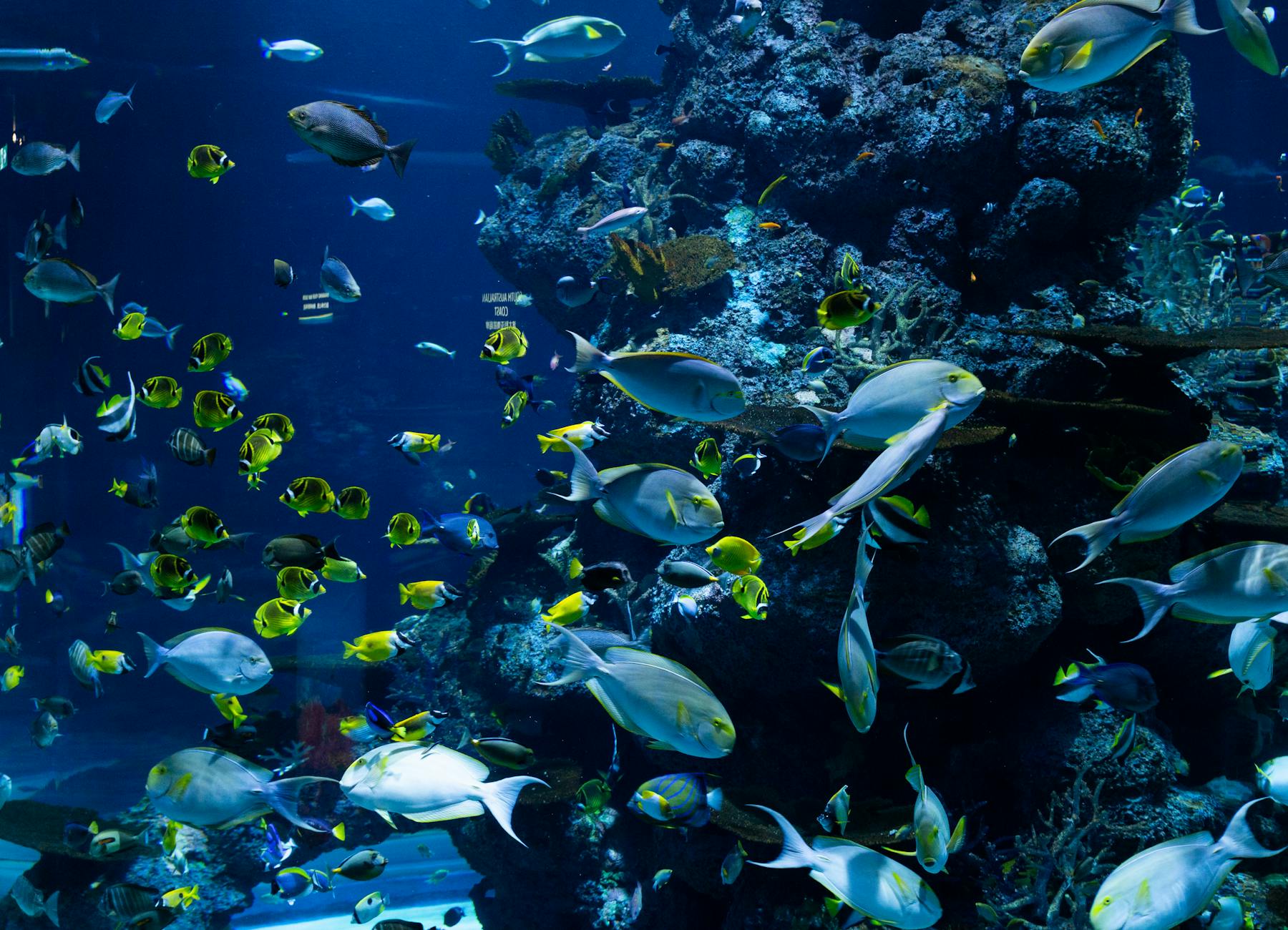
Operators describe more than 150 species of fish and over 50 kinds of coral on the reef, and on a good day it feels like it. Things you have a realistic chance of seeing on a single trip:
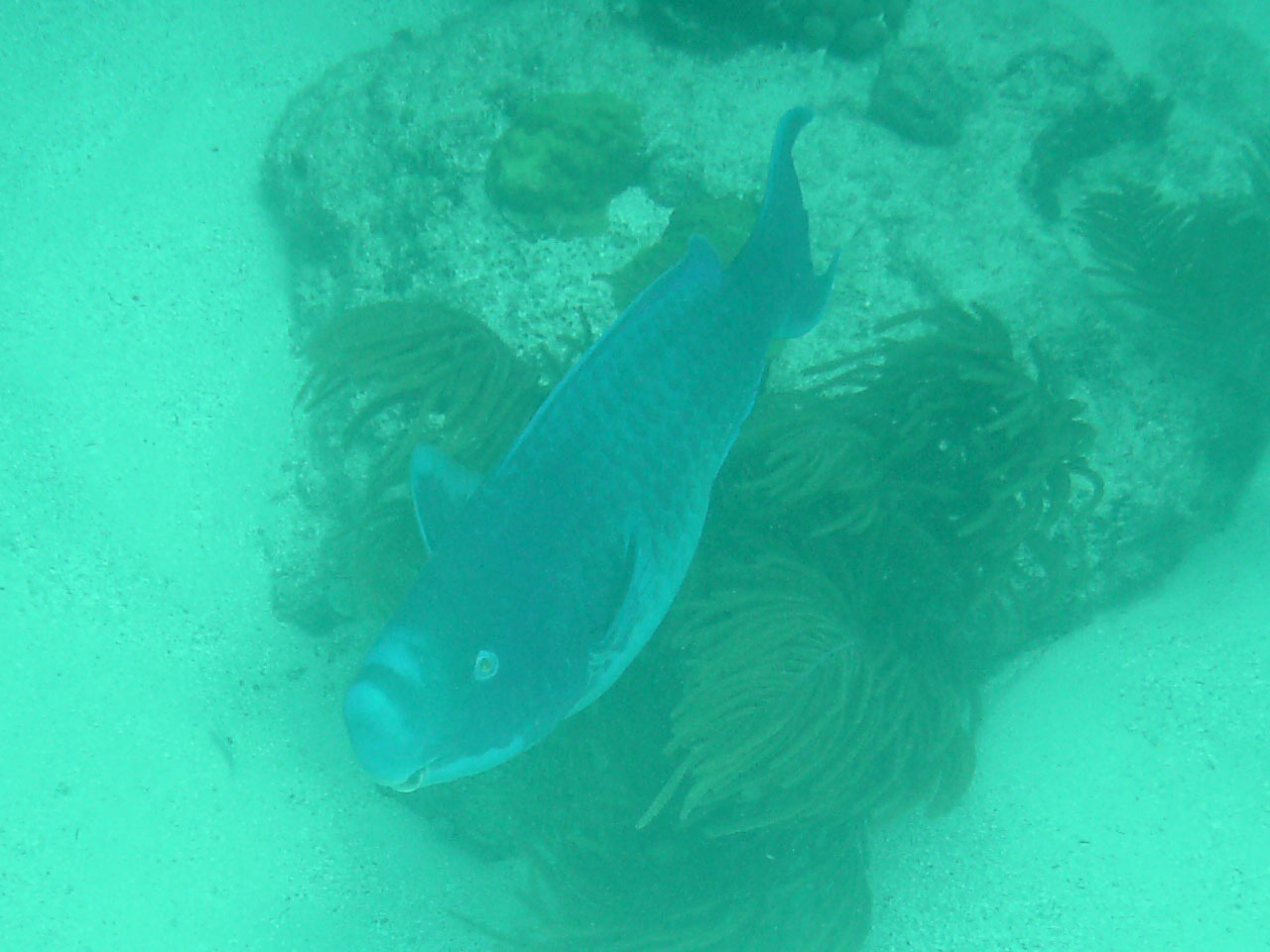
- Reef fish in numbers — blue tang, sergeant majors, French and gray angelfish, butterflyfish, grunts in dense schools, yellowtail snapper and several species of parrotfish.
- Larger fish — great barracuda hanging motionless near the surface, jacks cruising the edges, and the occasional goliath grouper under a ledge.
- Rays and sharks — southern stingrays on the sand, spotted eagle rays flying along the reef edge, and nurse sharks sleeping under overhangs. Nurse sharks are docile and bottom-dwelling; they are not a threat if left alone.
- Sea turtles — green and loggerhead turtles are regular, especially in summer.
- Corals — brain corals, star corals, sea fans, sea rods and other soft corals swaying in the surge.
Snorkeling Looe Key
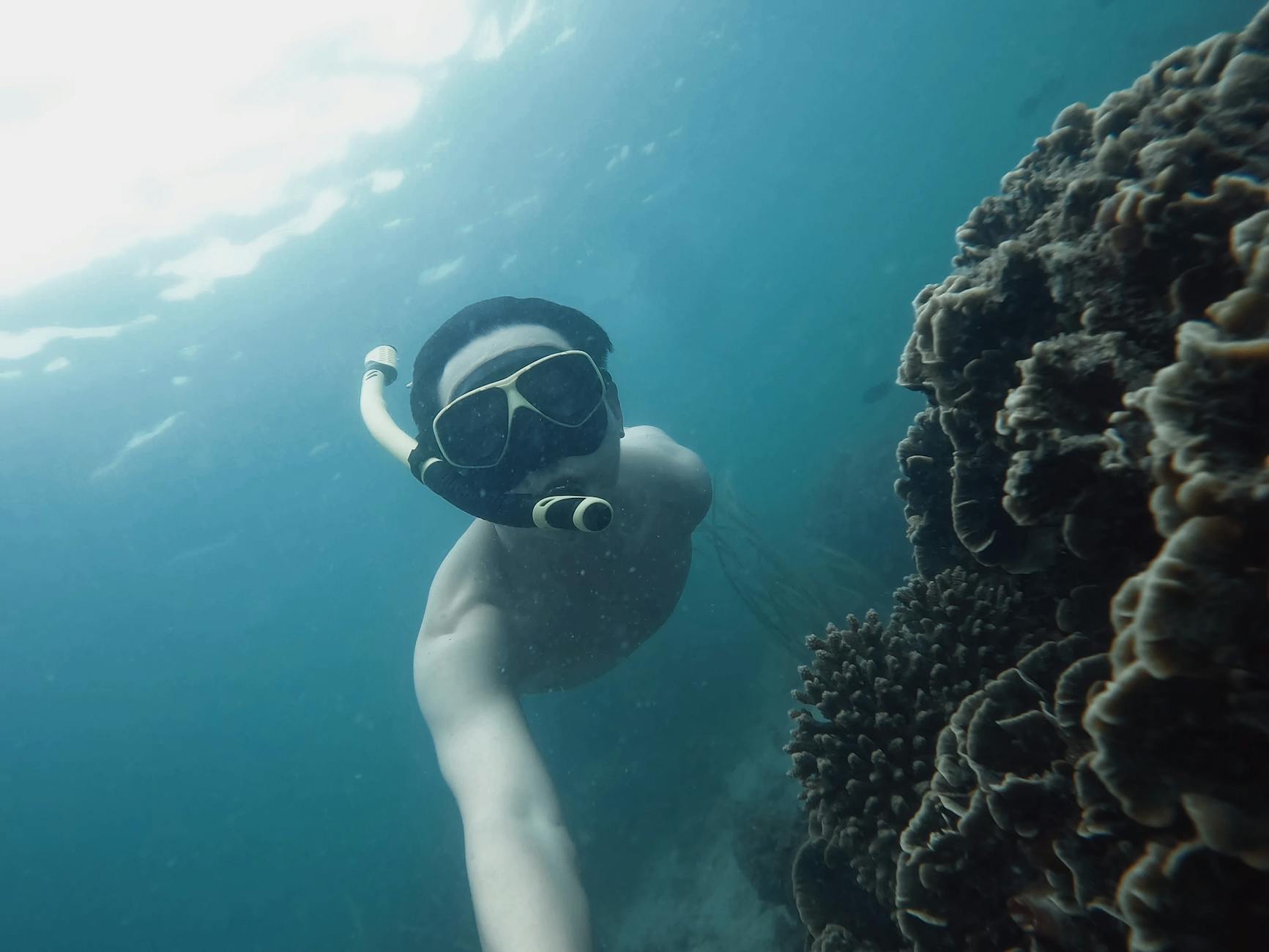
Snorkelers get the best of Looe Key. The shallow reef crest and the upper spurs, in 5 to 15 feet of water, are where the light is brightest, the colors truest and the fish thickest. You do not need to dive down to see the reef; you are floating right over it.
A few things that make the trip better:
- Wear a flotation vest if you are not a strong swimmer. Boats provide them. There is no shallow bottom to stand on — or rather, there is, and it is living coral you must not stand on.
- Watch the current. On some days there is a noticeable drift along the reef. Swim into it at the start, so the current helps you back to the boat at the end.
- Be careful over the crest at low tide. In places the coral is only a couple of feet down. Keep your fins up and your belly off the reef.
- Stay near the boat and the group. Crews count heads before leaving, but it is a big reef and boat traffic uses the channels.
- Use mineral sunscreen and a rash guard. The back of your neck and legs will take a pounding while you float face-down, and chemical sunscreens are hard on coral.
For gear, fitness and the basics of reef snorkeling in general, our Key West snorkeling guide covers it in more detail.
Diving Looe Key
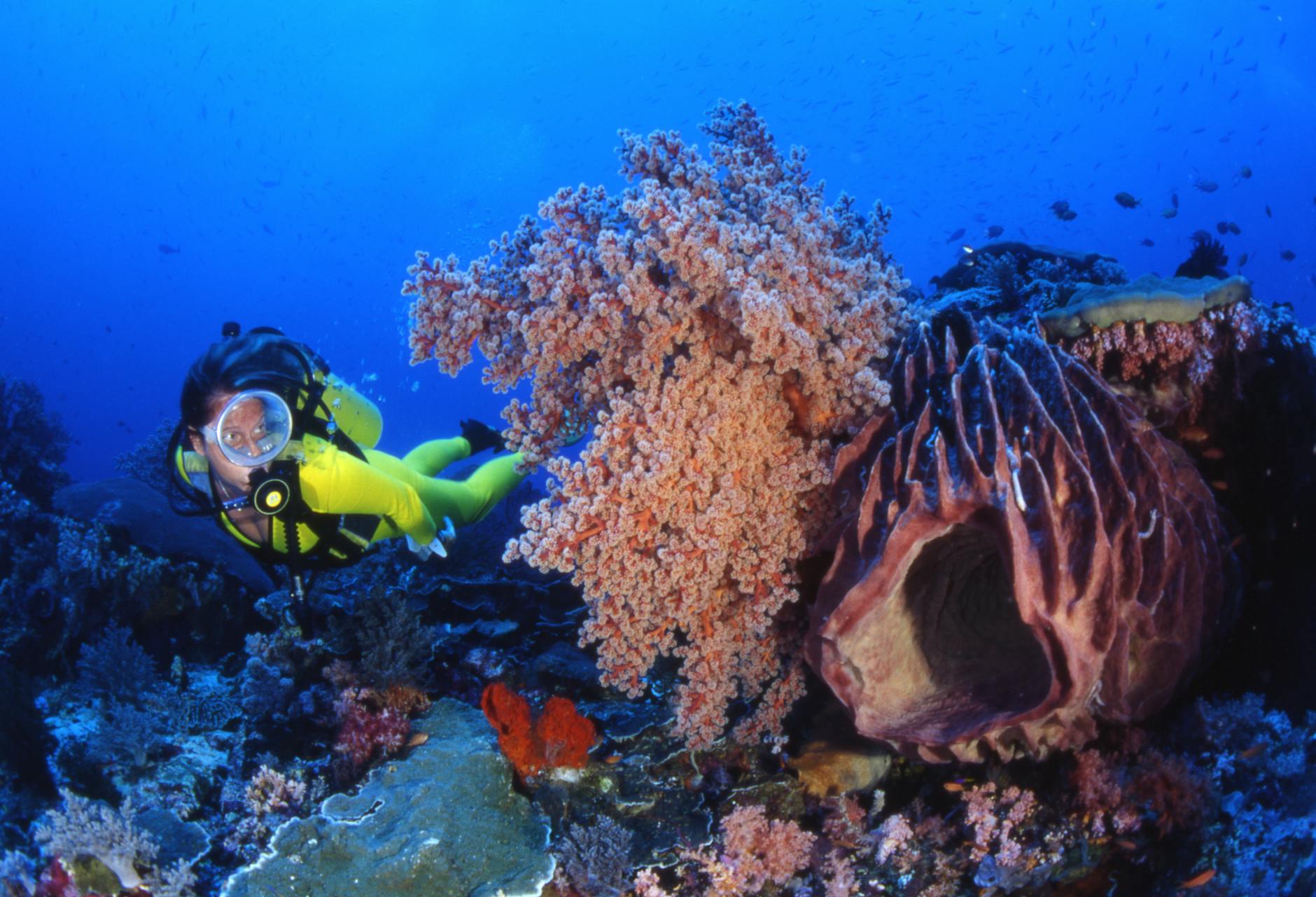
For divers, Looe Key is a relaxed, shallow reef dive — 15 to 35 feet — with long bottom times, good light and plenty to look at. It suits new Open Water divers, refresher dives and underwater photographers. The deeper edge of the reef, sometimes called Looe Key Deep, drops further along the outer slope and gives more experienced divers a little more depth and bigger fish.
Most Lower Keys operators combine Looe Key with a second site on a two-tank morning trip. The most sought-after is the Adolphus Busch Sr., a 210-foot freighter scuttled as an artificial reef off Looe Key in 1998 in around 100 feet of water. That is an advanced dive, deeper than most recreational divers are trained for without the Advanced Open Water certification or equivalent experience, and operators will ask to see your card and your logbook. Our Key West scuba diving guide explains the certification rules and the other wrecks within reach, including the Vandenberg off Key West.
The Underwater Music Festival
Once a year, on a Saturday in July, Looe Key turns into what might be the strangest concert venue in America. The Lower Keys Underwater Music Festival, organized by the Lower Keys Chamber of Commerce and now past its fortieth year, broadcasts a playlist of water-themed songs through speakers suspended under boats over the reef. Snorkelers and divers turn up in costume — mermaids, sharks, a lot of Jimmy Buffett tributes — and some bring fake instruments to “play” underwater.
It is sillier than it sounds and more fun than you would expect. The underlying point is serious: the music is interspersed with messages about reef conservation, and the event is a fundraiser and awareness day for the sanctuary. If you are in the Lower Keys in July, it is worth planning a day around. Boats fill up well in advance, so book as soon as the date is announced, usually in spring. Check the Lower Keys Chamber of Commerce for next year’s date.
When to go
Looe Key is visited all year, but the difference between a good day and a bad day is almost entirely the wind.
| Months | Water temperature | Conditions | Verdict |
|---|---|---|---|
| December – March | Low to mid 70s °F | Frequent cold fronts, strong winds, trips cancelled more often | Hit and miss; bring a shorty wetsuit |
| April – May | Upper 70s to low 80s °F | Winds easing, visibility improving | Very good |
| June – August | Mid to upper 80s °F | Calm mornings, clearest water, afternoon storms | Best of the year — go in the morning |
| September – November | Low to mid 80s °F | Still calm on many days; peak hurricane risk | Good, but watch the forecast |
Some practical rules:
- Book the morning trip. The wind usually builds through the day, and the morning boat is more likely to have flat water and good visibility.
- Look at the marine forecast, not just the weather. Winds of 10 knots or less are lovely. At 15 knots or more you will be bouncing in the boat and swimming in chop, and operators may cancel.
- Book flexibly. If you have several days in the Lower Keys, schedule Looe Key early in your stay so a weather cancellation can be moved.
- Summer thunderstorms. Afternoon trips in July and August sometimes get chased back to the dock by lightning.
The honest picture: coral health in 2026
It would be dishonest to describe Looe Key only in brochure language. The Florida reef tract has had a very hard couple of decades. Stony coral tissue loss disease spread through the Keys from 2014 onward, killing large numbers of brain, star and pillar corals. Repeated marine heat waves — especially the record heat of summer 2023, when water temperatures in parts of the Keys went well above normal for weeks — caused mass bleaching and killed many of the remaining elkhorn and staghorn corals on reefs up and down the chain.
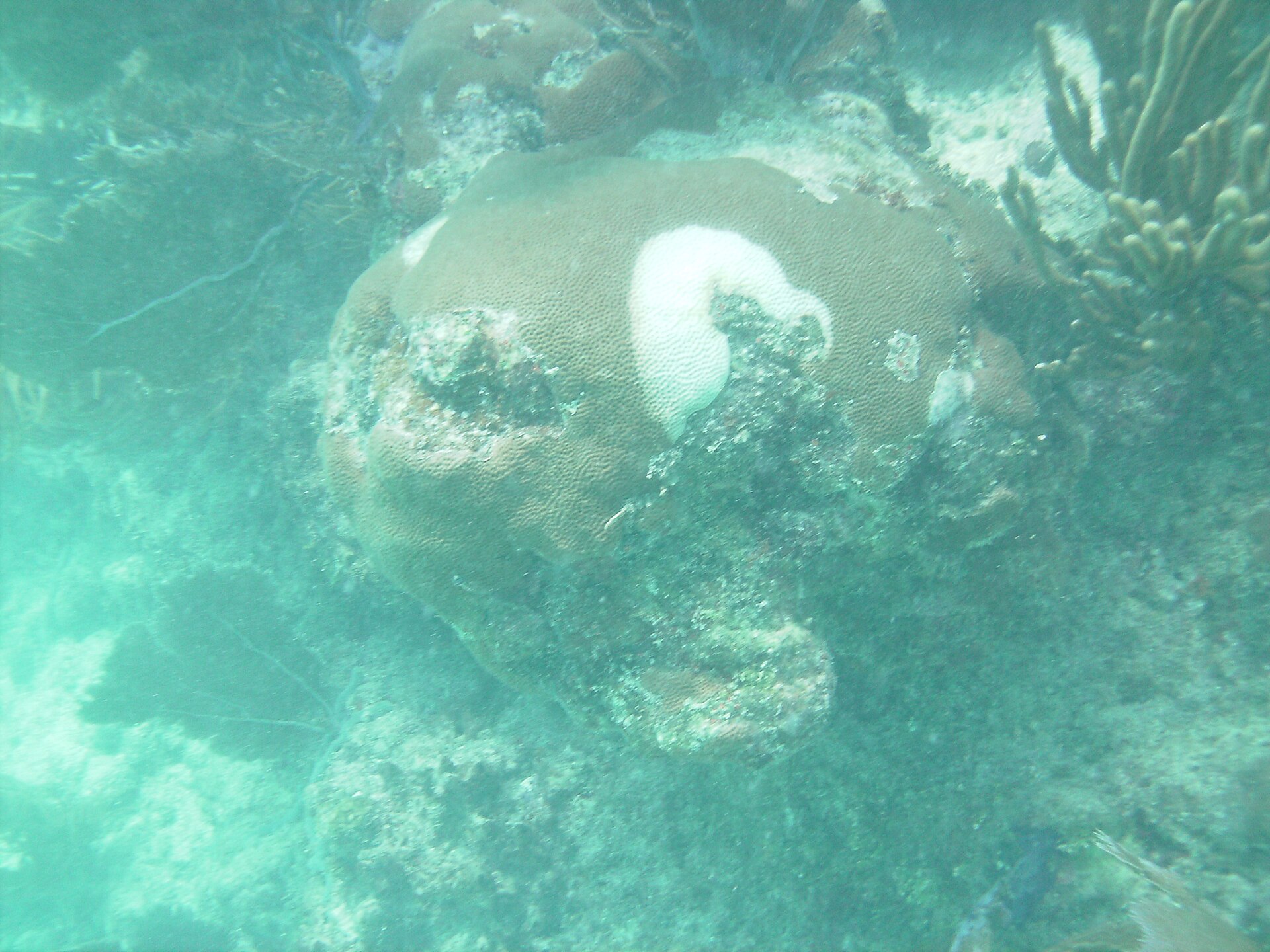
What that means in practice: if you snorkeled Looe Key twenty years ago, you will notice that there is less living hard coral than there was, and more of the reef is covered by algae, sponges and soft corals. If you have never seen it before, you will still find a busy, beautiful reef packed with fish, turtles and rays — the structure is still there, the soft corals and sea fans are thriving, and restoration work under Mission: Iconic Reefs is putting nursery-grown corals back. It remains one of the best reefs in the Keys. It is not what the postcard photographs from the 1990s show, and it is better to go knowing that than to be disappointed on the boat.
How you can help is simple: do not touch or stand on anything, use mineral sunscreen, choose operators who brief you on reef etiquette, and report anything unusual — a tangled turtle, a stranded boat on the reef — to the crew.
Is a Looe Key trip worth it?
Yes, and for most people it is the best-value half day on the water in the Lower Keys. For around $50 to $80, you get a shorter boat ride, a better reef and a less crowded mooring field than many trips from Key West, with none of the booze-cruise add-ons that pad the price of some Old Town snorkel boats.
When it is not worth it:
- On a windy day. If the marine forecast is for 15 to 20 knots, a Looe Key trip is a rough boat ride and a murky, choppy snorkel. Take the cancellation, or reschedule yourself.
- For very young children or non-swimmers. There is no beach entry, no shallow sand to stand on and often a current. Toddlers are better off at the calm sheltered beaches; a glass-bottom boat is a better reef experience for a family with small children.
- If you only have a day in Key West. Driving an hour and a half round trip for the reef makes more sense if you are already staying on Big Pine, Ramrod or Summerland, or have a car and several days.
Making a day or a stay of it
Looe Key pairs naturally with the rest of the Lower Keys, which are quieter, wilder and much less developed than Key West. If you are basing yourself on Big Pine Key or one of the islands around it, our Big Pine Key and the Lower Keys guide covers accommodation, restaurants and what else to do.
A good Lower Keys day built around the reef:
- 8:30 a.m. — Morning snorkel trip to Looe Key from Big Pine Key or Ramrod.
- 12:00 p.m. — Back on the dock. Lunch nearby — the Lower Keys run to casual fish sandwiches and tiki bars rather than anything formal.
- 1:30 p.m. — Drive a few minutes to the Blue Hole and the back roads of Big Pine Key to look for tiny Key deer. Our Key deer guide explains where, when and the rules on speed and feeding.
- 3:30 p.m. — Drive seven miles north to Bahia Honda State Park for a swim at the beach, or keep going to watch the sun set from the old Seven Mile Bridge.
If you are working your way through the whole island chain, Looe Key is the Lower Keys equivalent of John Pennekamp Coral Reef State Park at the top — less famous, less crowded and, in the opinion of many locals, the better reef. The complete overview of every island is in our Florida Keys beyond Key West guide.
What to bring
- Swimsuit and a rash guard or thin long-sleeved top
- Mineral (zinc oxide or titanium dioxide) sunscreen, applied well before you get on the boat
- Your own mask if you have one that fits well — rental masks leak on some faces
- A shorty wetsuit between December and March
- Seasickness medication taken before departure if you are at all prone to it
- Towel, water, a hat and a dry layer for the ride back
- An underwater camera or phone case — the shallow reef makes for easy photos
- Cash or card for tipping the crew
Frequently asked questions
Where is Looe Key Reef?
About six to seven miles offshore, south of Big Pine Key and Ramrod Key in the Lower Keys. The nearest boat launches and dive shops are on the Overseas Highway at MM 27.5 on Ramrod Key and around MM 30 on Big Pine Key, roughly 30 miles from Key West.
How deep is Looe Key?
The reef crest is only about 5 to 7 feet deep, and the reef slopes down to sand at around 30 to 35 feet, with deeper water on the outer edge. That range makes it excellent for both snorkeling and relaxed recreational diving.
How much does a Looe Key snorkel trip cost?
Most trips run about $50 to $80 per person with gear included. Captain Hook’s on Big Pine Key, for example, charged $54 with gear in September 2026. Trips from Bahia Honda State Park’s concession run about $40 to $60, plus park entry. Always confirm the current fare when you book.
Can you go to Looe Key from Key West?
A few charters will, but most Key West snorkel boats use closer reefs such as Sand Key and the Sambos. The easiest way to snorkel Looe Key from Key West is to drive about 40 minutes up the highway to Ramrod or Big Pine Key and take a morning trip from there.
Are there sharks at Looe Key?
Yes, mostly nurse sharks resting under ledges, and occasionally reef sharks along the outer edge. Nurse sharks are slow and docile and are not a danger unless provoked. Barracuda are also common; they look menacing but are not interested in snorkelers.
Can you fish at Looe Key?
No. Looe Key is a Sanctuary Preservation Area, where all fishing, spearfishing and collecting are prohibited. You can fish in the surrounding waters outside the preservation area under normal Florida and sanctuary rules.
When is the Underwater Music Festival?
It is held on a Saturday in July at Looe Key. The exact date is announced each spring by the Lower Keys Chamber of Commerce, and boat spaces go quickly once it is.
Is Looe Key better than John Pennekamp?
They are different rather than one clearly better. Pennekamp, in Key Largo, has more reefs, the famous Christ of the Abyss statue and a lot more boats. Looe Key is a single, compact and very beautiful spur-and-groove reef with fewer visitors. If you are staying in the Lower Keys or Key West, Looe Key is the easier and, most days, the more pleasant choice.
Related Key West Guides
- Key West snorkeling — gear, fitness and the best reefs around the island
- Key West scuba diving — certification, wrecks and the Vandenberg
- Big Pine Key and the Lower Keys — where to stay close to the reef
- Bahia Honda State Park — beaches, camping and its own Looe Key boats
- Key West reef snorkeling trips — the boats that leave from Old Town
- John Pennekamp Coral Reef State Park — the Upper Keys reef park
- The Florida Keys beyond Key West — every island on the chain
Photo Credits
Brain coral at Looe Key: Diploria 1 Looe Key 2010 by Jstuby, CC0, via Wikimedia Commons.
Looe Key Sanctuary Preservation Area map: Buoys at Looe Key by NOAA, Public domain, via Wikimedia Commons.
Blue parrotfish at Looe Key: Blue Parrotfish Looe Key 2010 by Jstuby, CC0, via Wikimedia Commons.
Bleaching star coral at Looe Key: Bleaching coral Looe Key 2010 by Jstuby, CC0, via Wikimedia Commons.
Sources & corrections
Rates, hours and closures verified against operator listings and on-island visits. Prices are peak-season unless noted.